

It’s easy to assume that. best skin tints with SPF are simply lighter versions of foundation, but that misses the point. A good skin tint can give your complexion a fresh, even look while adding SPF in the same step.
That makes it appealing when you want simple, everyday makeup without a heavy layer sitting on your skin.
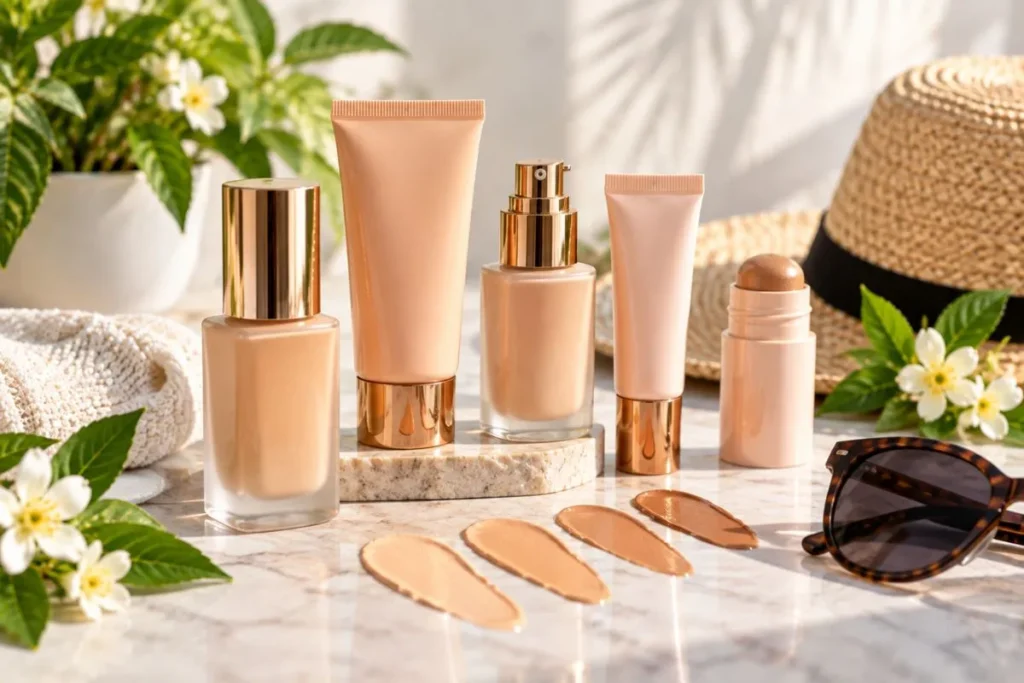
The popularity of a skin tint with SPF also comes from its lightweight feel and natural finish. Instead of creating a full-coverage makeup look, many formulas offer sheer or buildable coverage that lets your real skin show through.
If you want natural-looking coverage, breathable makeup, or a glowy skin tint for daily wear, this category is worth exploring.
What Is a Skin Tint with SPF?
A skin tint with SPF is a lightweight complexion product that combines sheer or light makeup coverage with sun protection. It helps soften the appearance of uneven tone while keeping the finish more natural than many traditional foundations.
Depending on the formula, it may also provide hydration, making it useful for people who prefer a simple everyday makeup routine.
How Does a Skin Tint with SPF Work?
A skin tint works by spreading a thin layer of pigment over the skin to create a more even-looking complexion. The SPF component is formulated to help protect the skin from UV radiation when the product is applied as directed. Some formulas use chemical UV filters, while others use mineral filters.
The amount of coverage can vary from very sheer to lightly buildable. That’s why a buildable coverage skin tint can be useful if you want to keep your makeup light but add a little more coverage around areas such as redness or uneven skin tone.
Skin Tint vs. Foundation
The biggest difference is usually the coverage and overall feel. Foundation is available in everything from sheer to full coverage, while a sheer coverage foundation or skin tint generally focuses on a lighter, more skin-like appearance.
A lightweight foundation with SPF can provide a similar everyday effect, but you should still compare the individual formulas. Some skin tints feel more breathable and have a dewy or natural finish, while others can offer a soft matte appearance.
If you prefer makeup that doesn’t look overly layered, an everyday skin tint may be a convenient option.
Skin Tint vs. Tinted Moisturizer
A tinted moisturizer with SPF combines moisturizing properties, light pigment, and SPF in one product. A skin tint may also contain hydrating ingredients, but its main purpose is usually to add a subtle tint and improve the appearance of the complexion.
The difference isn’t always clear-cut because beauty brands use these terms differently. One tinted moisturizer may feel rich and moisturizing, while another skin tint may feel almost weightless.
If your skin often feels dry, look for a hydrating skin tint or moisturizing formula. If you mainly want lightweight complexion coverage, a thinner skin tint may be a better fit.
Skin Tint vs. Tinted Sunscreen
A tinted sunscreen is primarily designed to provide sun protection while adding some color to the skin. A skin tint with SPF is generally positioned more as a makeup product that includes SPF.
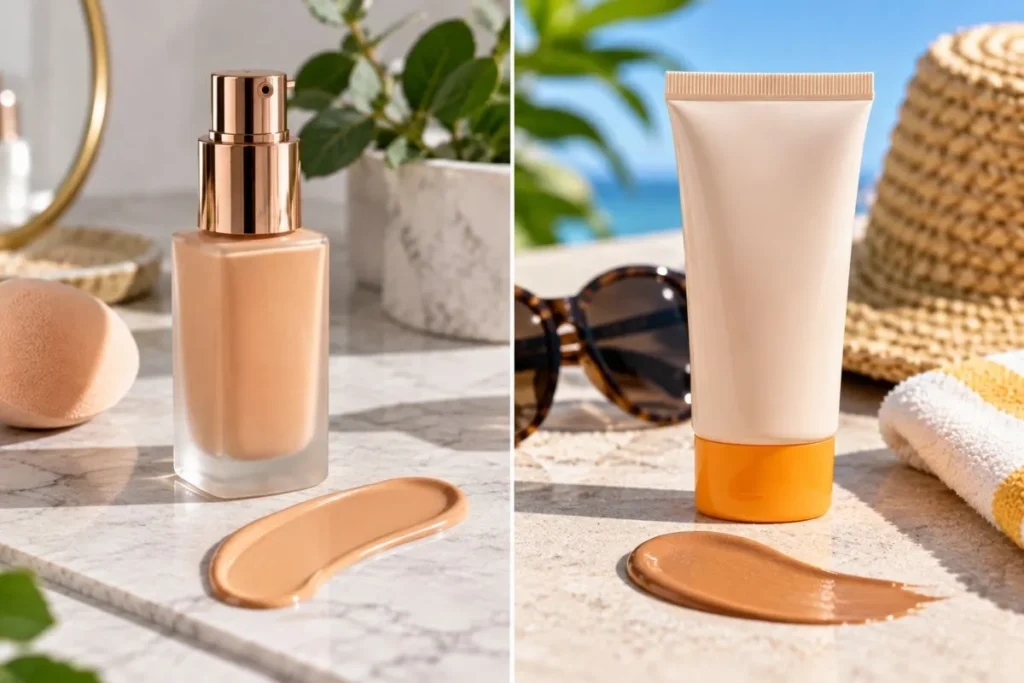
This distinction matters because you shouldn’t assume that every tinted complexion product provides the same level of sun protection. Check the SPF label and follow the manufacturer’s directions for application and reapplication.
If your goal is natural coverage with sun protection, compare the SPF, broad-spectrum labeling, coverage, finish, and application instructions rather than choosing based only on the word “tint.”
Is a Skin Tint with SPF Good for Everyday Makeup?
For many people, a skin tint with SPF can make an easy addition to an everyday routine. Its lightweight texture and subtle coverage can create a polished appearance without the heavier feel of traditional makeup.
However, SPF in makeup should not automatically be treated as a complete replacement for dedicated sunscreen in every situation. How much product you apply affects the level of protection you receive, so always follow the product’s directions and consider your level of sun exposure.
For a quick routine, a skin tint for daily wear can be useful when you want your complexion to look fresh, even, and natural.
What Should You Look for in the Best Skin Tints with SPF?
Many people think you only need to look at the shade when choosing the best skin tints with SPF. That’s not enough. Your skin type, SPF level, coverage, finish, and formula can all affect how the product looks and feels throughout the day.
A shade that looks beautiful in the bottle may not work well if the formula doesn’t suit your skin.
Before choosing a skin tint with SPF, take a few minutes to check these important details. The right combination can help you find a product that feels comfortable, blends easily, and gives you the finish you actually want.
Choose Broad-Spectrum SPF
Start by checking whether the product provides broad-spectrum SPF. Broad-spectrum sunscreen is designed to protect against both UVA and UVB radiation.
Don’t choose a skin tint simply because the package says “SPF.” Look at the actual SPF rating and the product’s sun-protection claims. This is especially important if you plan to wear it during regular outdoor activities.
A broad-spectrum SPF skin tint can be convenient for everyday makeup, but follow the label’s directions carefully. The protection you get depends on applying enough product and using it as directed.
Check the SPF Level
The SPF number tells you how much protection the product is labeled to provide against UVB radiation when used as directed. You’ll commonly see products labeled SPF 30 or SPF 50.
If you’re searching for a skin tint with SPF 30, check whether it also provides broad-spectrum protection. The same applies when looking for a skin tint with SPF 50.
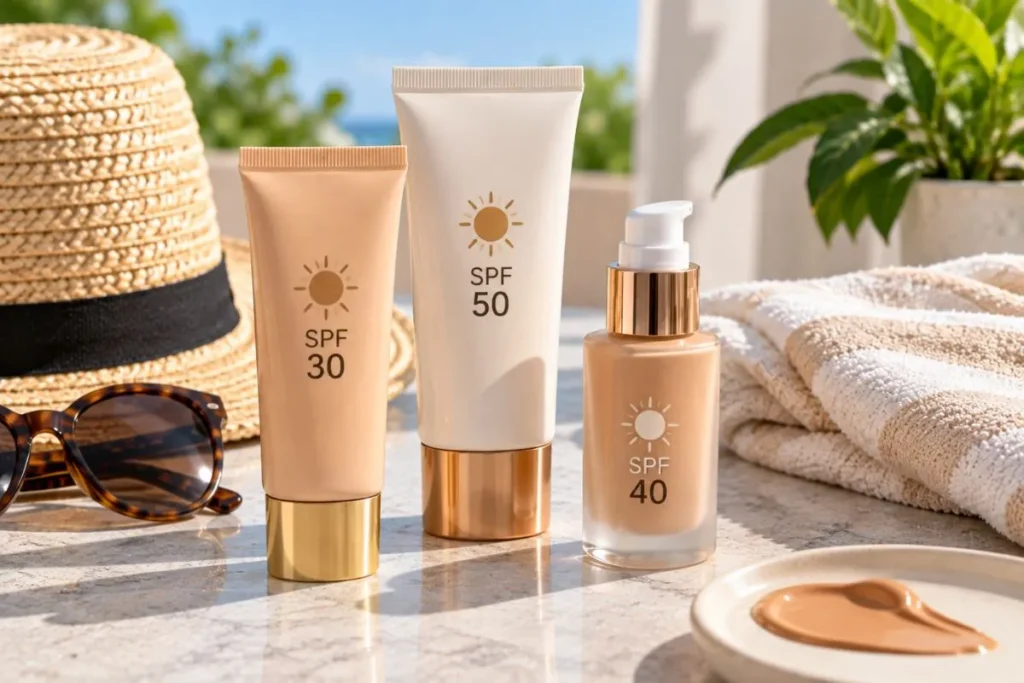
For readers specifically searching for the best skin tints with SPF 50 for everyday use, don’t focus on the number alone. Consider the complete formula, application instructions, coverage, finish, and whether you’ll apply enough product to achieve the labeled protection.
Look for the Right Coverage
Coverage is another major factor. Most skin tints are designed to look lighter and more natural than traditional full-coverage foundation, but formulas still vary.
A sheer formula can softly even out your complexion without hiding your natural skin. A buildable coverage skin tint gives you more flexibility because you can apply another layer where you want additional coverage.
If you mainly want to blur minor discoloration and create a fresh everyday look, sheer or light coverage may be enough. If you want more help with redness or an uneven skin tone, look for a formula that allows you to build coverage gradually.
Consider the Finish
The finish can completely change how your makeup looks.
A dewy skin tint gives the complexion a fresh, moisturized appearance and can work well for people who enjoy a luminous look. A natural finish skin tint sits somewhere in the middle and usually aims for a skin-like appearance.
If you prefer more radiance, a radiant skin tint may be worth considering. On the other hand, people who dislike visible shine may prefer a matte skin tint.
For anyone searching for the best skin tints with SPF for a dewy natural finish, pay attention to both the finish and your skin’s natural oil level. A very dewy formula may look different on oily skin than it does on dry skin.
Match the Formula to Your Skin Type
Your skin type should guide your choice just as much as the shade.
For dry skin, look for a hydrating skin tint with moisturizing ingredients and a comfortable finish. A lightweight formula can still provide hydration without feeling overly heavy.
For oily skin, a breathable or oil-free formula may feel more comfortable. A matte skin tint or natural finish can also help if you prefer less shine.
For combination skin, look for a balanced formula that doesn’t leave dry areas feeling tight while keeping the rest of your complexion comfortable.
If you have sensitive skin, keep the formula in mind as well as your personal ingredient sensitivities. A mineral skin tint with SPF may appeal to people specifically looking for mineral UV filters, but “mineral” alone doesn’t guarantee that a product will suit every sensitive skin type.
For acne-prone skin, consider a non-comedogenic skin tint if that is important to you. However, non-comedogenic labeling doesn’t guarantee that a product will work for everyone, so pay attention to how your own skin responds.
Check the Ingredients and Formula
Don’t let attractive packaging make the decision for you. Take a quick look at the ingredient list and product claims before buying.
If hydration is your priority, look for ingredients commonly used in moisturizing skincare and makeup formulas. If you prefer mineral sun protection, check whether the product uses mineral UV filters.
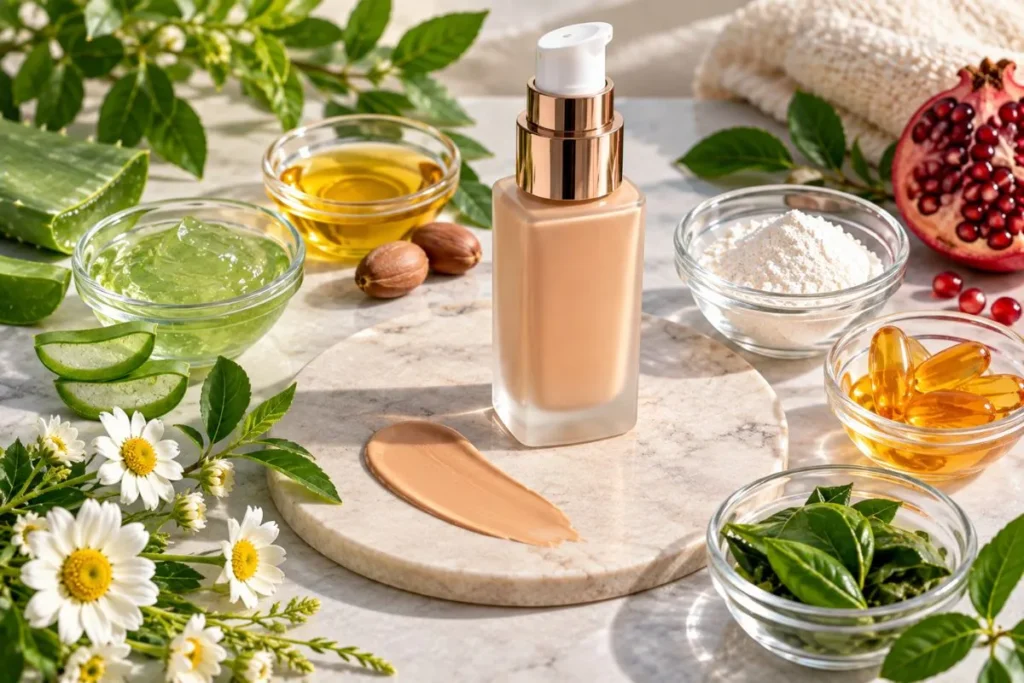
People with sensitive skin should also consider ingredients they already know their skin doesn’t tolerate. Patch testing a new product can be a sensible step if you’re concerned about irritation.
For acne-prone skin, a non-comedogenic skin tint may be worth considering. For everyday wear, a breathable skin tint with a comfortable texture can make a noticeable difference.
Don’t Forget Shade and Undertone
Even the best formula won’t look right if the shade doesn’t match your complexion.
Look for a shade range that covers your skin tone and offers suitable undertones. Your undertone may be warm, cool, neutral, or somewhere between.
When possible, check the shade in natural lighting. Remember that some skin tints have a flexible or sheer appearance, so they may blend more easily than heavier foundations. Still, the shade should look natural rather than noticeably lighter, darker, pinker, or yellower than your skin.
Think About Your Daily Routine
Finally, consider how you’ll actually use the product.
If you want something for quick mornings, a lightweight skin tint with a comfortable texture may be practical. If you spend a lot of time outdoors, pay closer attention to the SPF labeling and application instructions.
If you want a polished but subtle appearance, look for natural makeup with SPF, sheer coverage, and a skin-like finish. If you want extra glow, explore glowy makeup with SPF and radiant finishes.
The best choice isn’t necessarily the product with the longest ingredient list or the highest number on the bottle. It’s the one whose SPF, coverage, finish, formula, and shade fit your skin and your everyday needs.
Best Skin Tints with SPF for Natural, Glowy Coverage
Many people assume that every skin tint with SPF offers the same lightweight coverage and finish, but that’s not the case. Formulas can differ a lot in SPF level, coverage, texture, shade range, and finish. So, the best skin tints with SPF depend on what you want your skin to look and feel like throughout the day.
Below, you’ll find 17+ options to explore, with each pick organized around practical details such as SPF, coverage, finish, skin type, and standout features.
Whether you’re looking for a lightweight skin tint, a dewy complexion, or a formula for everyday makeup, this list can help you narrow down your choices.
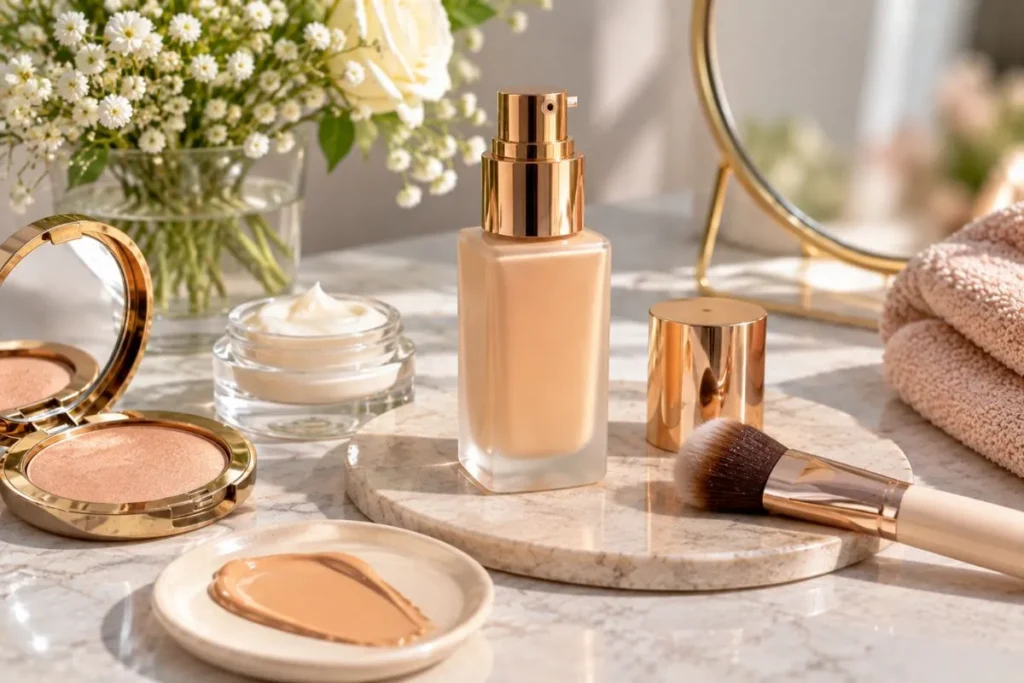
Super Serum Skin Tint SPF 40
Best for Dry or Normal Skin and a Radiant Makeup Look
Super Serum Skin Tint SPF 40 is a lightweight option for anyone who enjoys a fresh, radiant complexion. Its serum-like texture can feel comfortable on the skin and provides a sheer-to-light layer of coverage without creating a heavy foundation effect.
SPF 40 Protection
This formula is labeled SPF 40, giving it a higher SPF level than many basic tinted moisturizers. Always follow the product’s directions for application and reapplication to get the intended sun protection.
Sheer to Light Coverage
The coverage is designed to look natural rather than mask the complexion. It can help soften the appearance of minor unevenness while still allowing your natural skin to show through.
Natural to Dewy Finish
The finish leans natural to dewy, making it appealing if you like luminous-looking skin. It can work particularly well with a simple, fresh makeup routine.
Why Super Serum Skin Tint Stands Out
Its lightweight texture and skincare-inspired approach make it interesting for people searching for a hydrating skin tint with SPF. It can give you that “your skin but fresher” effect without feeling like traditional foundation.
Potential Drawback to Consider
The dewy appearance may not suit everyone. If you have very oily skin or prefer a completely matte complexion, you may want to explore a different finish.
Who Should Consider This Skin Tint?
Consider it if you want a lightweight skin tint with SPF, sheer coverage, and a radiant everyday appearance.
Slip Tint Tinted Moisturizer SPF 35
Best for Natural, Hydrated-Looking Makeup
Slip Tint Tinted Moisturizer SPF 35 is designed for people who prefer subtle coverage and a moisturized-looking complexion. It works well for a simple makeup routine when you don’t want your base to look heavy.
SPF 35 Protection
The product is labeled SPF 35. Check the packaging and directions for current application guidance and sun-protection details.
Sheer Coverage
Its sheer coverage gives your complexion a light wash of color rather than a full foundation effect. This makes it suitable for days when you want your natural skin to remain visible.
Dewy Finish
The finish has a dewy appearance that can make the complexion look fresh and hydrated. It’s especially appealing if you enjoy glowy makeup with SPF.
Why Slip Tint Stands Out
The formula sits between complexion makeup and a tinted moisturizer with SPF. It can simplify your routine while giving your skin a soft tint.
Potential Drawback to Consider
Sheer coverage won’t provide the same correction as medium or full-coverage foundation. You may need concealer for areas requiring additional coverage.
Who Should Consider This Tinted Moisturizer?
It may suit anyone looking for natural makeup with SPF, subtle coverage, and a soft, fresh finish.
SunnyDays SPF 30 Tinted Sunscreen Foundation
Best for Lightweight Everyday Complexion Coverage
SunnyDays SPF 30 Tinted Sunscreen Foundation combines complexion makeup with sunscreen in a lightweight format. It is designed for people who want their skin to look more even without creating a heavy base.
SPF 30 Protection
This product is labeled SPF 30. For best results, follow its specific directions and don’t assume that applying a small amount of makeup will provide the full labeled protection.
Light Coverage
The light coverage helps even the appearance of the complexion while keeping the finish relatively natural. If you need additional correction, you can use concealer in targeted areas.
Natural Finish
The natural finish gives the skin a more balanced appearance without being extremely matte or overly shiny.
Why SunnyDays Stands Out
It combines the idea of a tinted sunscreen with complexion makeup. That makes it relevant to people who want a convenient everyday base with a skin-like appearance.
Potential Drawback to Consider
People who prefer full coverage may find it too light and may want an additional complexion product.
Who Should Consider This Tinted Sunscreen?
Consider it if you’re searching for a skin tint with SPF 30 that can fit easily into an everyday makeup routine.
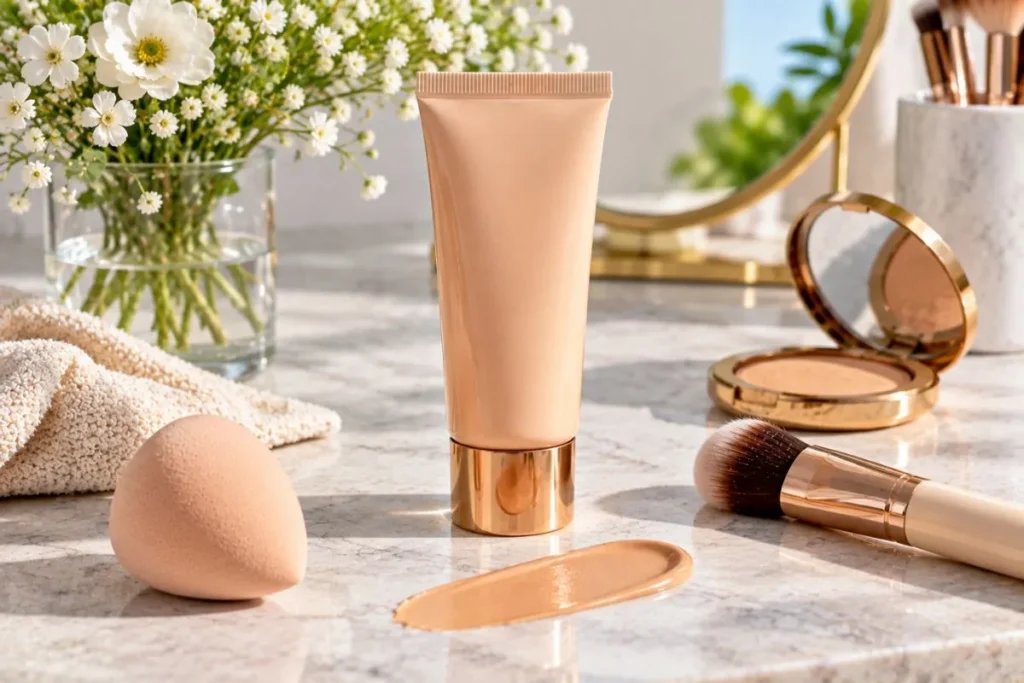
Protec(tint) Daily Skin Tint SPF 50
Best for Lightweight Coverage with Higher Labeled SPF
Protec(tint) Daily Skin Tint SPF 50 is designed for people who want a lightweight complexion product with a higher labeled SPF. It can provide subtle coverage while keeping the makeup look relatively natural.
SPF 50 Protection
The product carries an SPF 50 rating. If you’re specifically searching for the best skin tints with SPF 50 for everyday use, this type of formula is worth comparing with other SPF 50 options.
Sheer to Light Coverage
The coverage stays relatively light, so it enhances rather than completely covers the complexion.
Natural Finish
Its natural finish can work well when you want makeup that doesn’t appear overly glossy or heavily powdered.
Why Protec(tint) Stands Out
The combination of lightweight complexion coverage and SPF 50 makes it relevant for people searching for a lightweight skin tint with SPF 50.
Potential Drawback to Consider
The sheer coverage may not completely replace traditional foundation if you prefer a more perfected, full-coverage look.
Who Should Consider This Skin Tint?
It may be worth considering if you want a subtle complexion tint with SPF 50 for an everyday makeup routine.
Frequently Asked Questions
What Is the Best Skin Tint with SPF?
The best skin tint with SPF depends on your skin type, preferred coverage, finish, shade, and SPF needs. If you want a natural everyday look, choose a lightweight formula with sheer or buildable coverage.
For dry skin, a hydrating skin tint may feel more comfortable, while oily skin may prefer a lightweight or oil-free formula.
Are Skin Tints with SPF Good for Everyday Use?
Yes, a skin tint with SPF can be convenient for everyday makeup. It can provide light complexion coverage while adding labeled sun protection. However, don’t assume that the SPF in makeup is always enough on its own.
Follow the product’s application directions and use dedicated sunscreen when your sun exposure requires it.
Is SPF 30 or SPF 50 Better in a Skin Tint?
Both can provide useful sun protection when applied correctly. SPF 50 has a higher labeled SPF than SPF 30, but the number alone doesn’t determine which product is right for you. Look for broad-spectrum protection and follow the recommended amount and reapplication instructions.
Can a Skin Tint with SPF Replace Sunscreen?
Not necessarily. Many people apply much less makeup than the amount needed to achieve the labeled SPF. If you’re spending significant time outdoors, a dedicated broad-spectrum sunscreen can be an important part of your routine.
You can then use a skin tint for complexion coverage and a more polished appearance.
Are Skin Tints with SPF Good for Oily Skin?
They can be. If you have oily skin, look for a lightweight skin tint, breathable formula, or oil-free option. A natural or matte finish may also suit you if you prefer less visible shine. If you’re acne-prone, you may also want to consider a non-comedogenic skin tint.
Are Skin Tints with SPF Good for Dry Skin?
Yes. A hydrating skin tint can be a comfortable choice for dry skin, especially when the formula contains moisturizing ingredients. A natural or dewy finish may also give dry skin a fresher appearance. Apply your regular moisturizer first if your skin needs additional hydration.
Can I Use a Skin Tint with SPF on Acne-Prone Skin?
You can, but choose the formula carefully. A lightweight, breathable, or non-comedogenic skin tint may be worth considering. Check the ingredient list if you already know certain products or ingredients tend to cause problems for your skin.
Are Mineral Skin Tints with SPF Good for Sensitive Skin?
A mineral skin tint with SPF may appeal to people who prefer mineral UV filters. However, mineral does not automatically mean that a product will suit every sensitive skin type. Check the complete formula and consider testing a small area before applying a new product across your face.
Does a Skin Tint with SPF Provide Enough Sun Protection?
It can provide the labeled protection when used according to the product’s directions, but the amount applied matters. Since people often use makeup sparingly, they may not apply enough to reach the stated SPF. For meaningful sun exposure, don’t rely on a thin layer of complexion makeup alone.
Can I Wear a Skin Tint with SPF Under Foundation?
Yes. A skin tint can be used as a lightweight base, followed by foundation or concealer where you want additional coverage. However, layering products doesn’t automatically add their SPF ratings together. Follow the sunscreen directions for adequate protection.
How Do You Apply a Skin Tint with SPF?
Apply it according to the manufacturer’s directions and spread it evenly over the intended areas. You can use clean fingers, a makeup sponge, or a brush depending on the formula and finish you prefer.
If the product is also your sunscreen step, pay close attention to its recommended application amount. For extended outdoor exposure, follow its reapplication instructions.
Do Skin Tints with SPF Look Natural?
Many are designed specifically for a natural-looking complexion. Sheer and buildable formulas allow some of your natural skin to remain visible, while finishes can range from dewy and radiant to natural and matte.
If you want a subtle appearance, look for a natural finish skin tint, lightweight texture, and coverage level that matches your needs.
Are Skin Tints with SPF Good for Mature Skin?
They can be, particularly when you prefer lightweight makeup that doesn’t feel heavy. A hydrating skin tint with a natural or radiant finish may be comfortable if your skin tends to look dry. However, every formula behaves differently on mature skin, so texture and hydration are worth checking before buying.
What Is the Difference Between a Skin Tint and a Tinted Sunscreen?
A skin tint is generally positioned as a complexion makeup product with added SPF, while a tinted sunscreen is primarily designed around sun protection with a tint added for cosmetic purposes.
The categories can overlap, so check the product’s label, SPF rating, broad-spectrum claim, and directions rather than relying only on the product name.
Conclusion:
Finding the best skin tints with SPF isn’t about picking the most popular product or the one with the highest SPF number. Your skin type, desired coverage, finish, shade, and daily routine all matter.
A formula that works beautifully for dry skin may feel too dewy on oily skin, while a matte formula may not be the most comfortable choice for someone with dry skin.
If you have dry skin, focus on a hydrating skin tint with a comfortable finish. For oily or acne-prone skin, look for lightweight, breathable, or non-comedogenic formulas.
Sensitive skin may benefit from a simpler formula that suits your individual needs, while mature skin can often benefit from comfortable hydration and a natural-looking finish.
Your preferred makeup style matters too. Choose sheer coverage if you want your natural skin to show through, or choose a buildable coverage skin tint if you want more flexibility. For a fresh glow, explore a dewy or radiant skin tint. If you prefer less shine, a natural or matte finish may suit you better.
Most importantly, check the SPF label and look for broad-spectrum protection. Remember that makeup with SPF should not automatically replace your regular sunscreen routine, especially when you’ll be spending extended time outdoors.
Apply products as directed and reapply sun protection when needed.
In the end, the best skin tint with SPF is the one that fits your skin, your makeup preferences, and the way you actually use it. Once you get those basics right, it’s much easier to create a simple, fresh, and comfortable everyday complexion.

Name: Shahzadi
I’m passionate about skincare, beauty, and simple self-care. I share practical skincare tips, beauty routines, product insights, and easy ways to build healthy-looking, glowing skin.
My goal is to make beauty and skincare easier to understand, so you can discover routines that fit your everyday life.


