
Introduction:
Many skincare lovers assume the
Best natural skin moisturiser has to be completely plant-based, expensive, or packed with botanical ingredients. That’s not always true. A natural formula can still feel too heavy, too light, or irritating for certain skin types.
What matters most is finding a moisturiser that gives your skin the hydration it needs while feeling comfortable and easy to use.
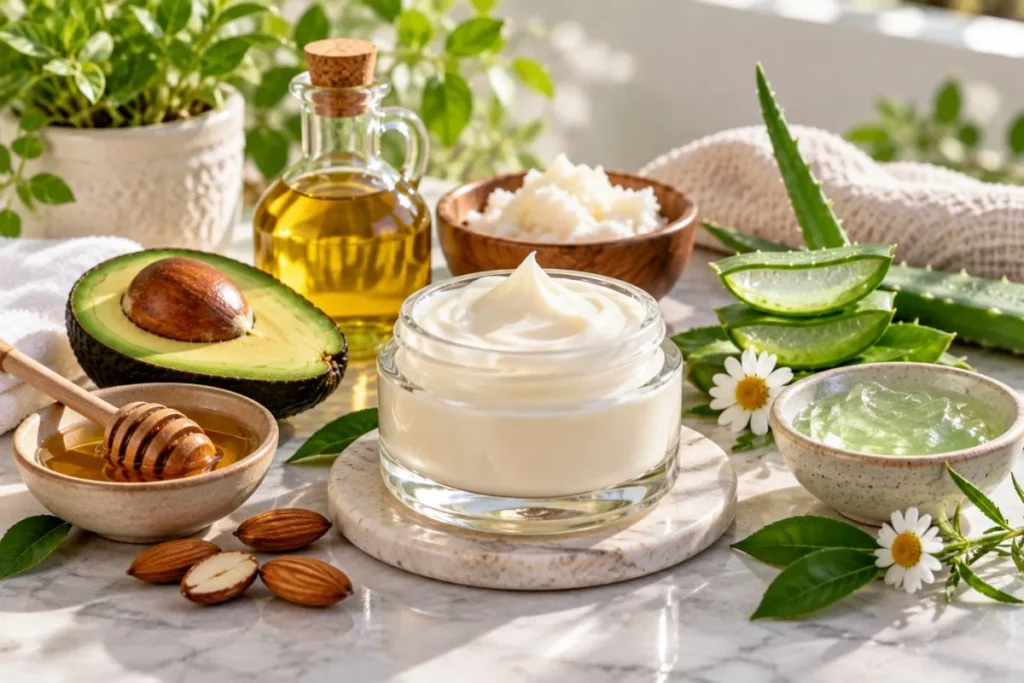
If your skin often feels dry, tight, oily, or easily irritated, choosing the right natural moisturizer for skin can make a noticeable difference. The goal is simple: support soft, hydrated, healthy-looking skin without choosing a product just because the label says “natural.”
In this guide, we’ll look at what makes a natural skin moisturiser worth considering and how different ingredients and formulas can fit into a simple skincare routine.
What Is a Natural Skin Moisturiser?
A natural skin moisturiser does more than simply make your face feel soft. Its main job is to add hydration and help keep moisture from escaping too quickly.
Natural formulas may use ingredients from plants, minerals, or other naturally sourced materials. However, the exact ingredients and formulation can vary widely from one product to another.
Natural Moisturiser vs. Naturally Derived Moisturiser
The words “natural” and “naturally derived” are often used interchangeably, but they don’t always mean the same thing.
A natural moisturiser may contain ingredients used in a relatively natural form, while a naturally derived moisturiser can contain ingredients that have been processed from a natural source.
This is why it helps to look past the front of the package. Check the ingredient list and see how the product fits your skin rather than choosing it based only on the word “natural.”
What Makes a Natural Moisturiser Hydrating?
A good moisturiser usually works through a combination of ingredients. Humectants help attract water to the skin, emollients help smooth and soften it, and occlusive ingredients help slow moisture loss.
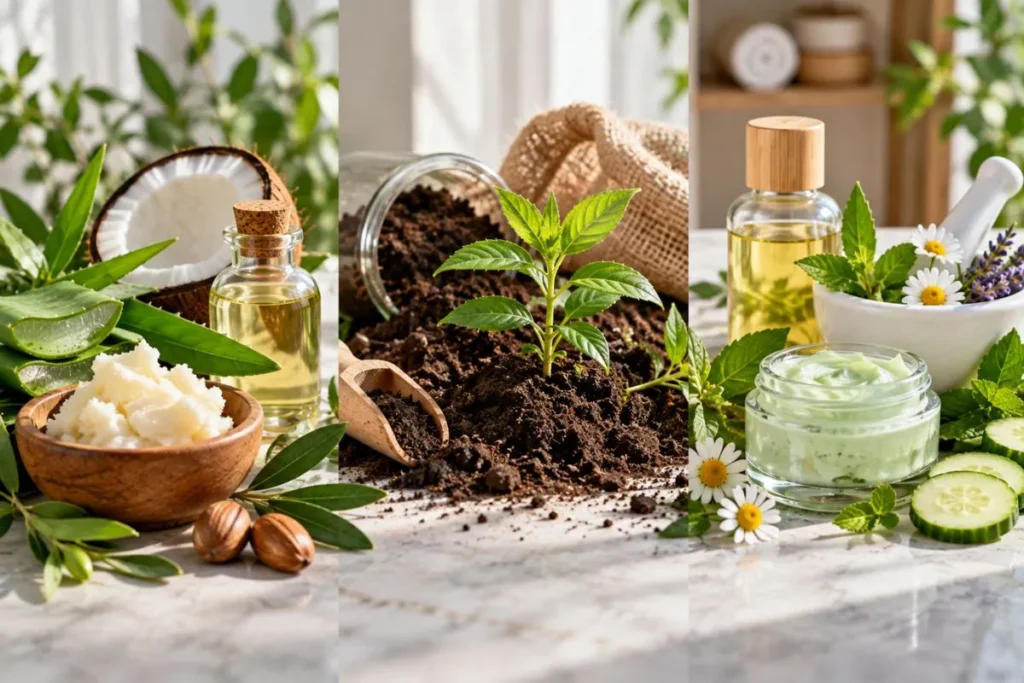
You may find ingredients such as glycerin, aloe vera, plant oils, shea butter, or hyaluronic acid in formulas designed for natural skin hydration. The right combination can leave your skin feeling smoother and more comfortable without making it feel overly greasy.
Natural, Organic, and Plant-Based Are Not the Same
A plant-based moisturizer may contain ingredients derived mainly from plants, while an organic skin moisturizer refers to products or ingredients that meet particular organic standards or certifications. A botanical moisturiser may contain plant extracts without necessarily being organic.
So, if you’re looking for the best organic moisturizer for face, don’t assume that every product described as natural is certified organic. Look for clear certification information when that matters to you.
Are Natural Moisturisers Suitable for Every Skin Type?
Not necessarily. Skin can respond differently to the same ingredient, even when that ingredient comes from a natural source. Someone with dry skin may enjoy a rich formula, while someone with oily or acne-prone skin may prefer a lighter texture.
For sensitive skin, a shorter and simpler ingredient list can sometimes make product selection easier. Fragrance and essential oils may also bother some people, so a fragrance-free natural moisturizer can be worth considering if your skin is easily irritated.
Common Ingredients in Natural Moisturisers
Many natural skincare products use familiar ingredients that help provide moisture and improve skin feel.
Aloe vera is often used in lightweight hydrating formulas and can give the skin a fresh feel. Shea butter is richer and works well in moisturisers made for dry-feeling skin. Jojoba oil is another popular choice because it gives formulas a smooth, conditioning feel.
You may also see coconut oil, botanical extracts, glycerin, and hyaluronic acid. These ingredients can appear in different types of formulas, so the overall product matters just as much as any single ingredient.
Why the Ingredient List Matters
A beautiful label can be tempting, but the ingredient list tells you much more about what you’re actually putting on your skin.
Instead of searching only for a natural moisturizer without harsh chemicals, consider the complete formula and whether you already know that certain ingredients work well or poorly for your skin.
This simple habit can help you choose a natural moisturizer for face that fits your routine instead of buying based on marketing alone.
What Should You Look for in a Natural Skin Moisturiser?
Start with your skin type and then consider the texture you enjoy using. If your skin feels dry, you may prefer a richer natural moisturizing cream. If your skin becomes oily quickly, a lightweight formula may feel more comfortable.
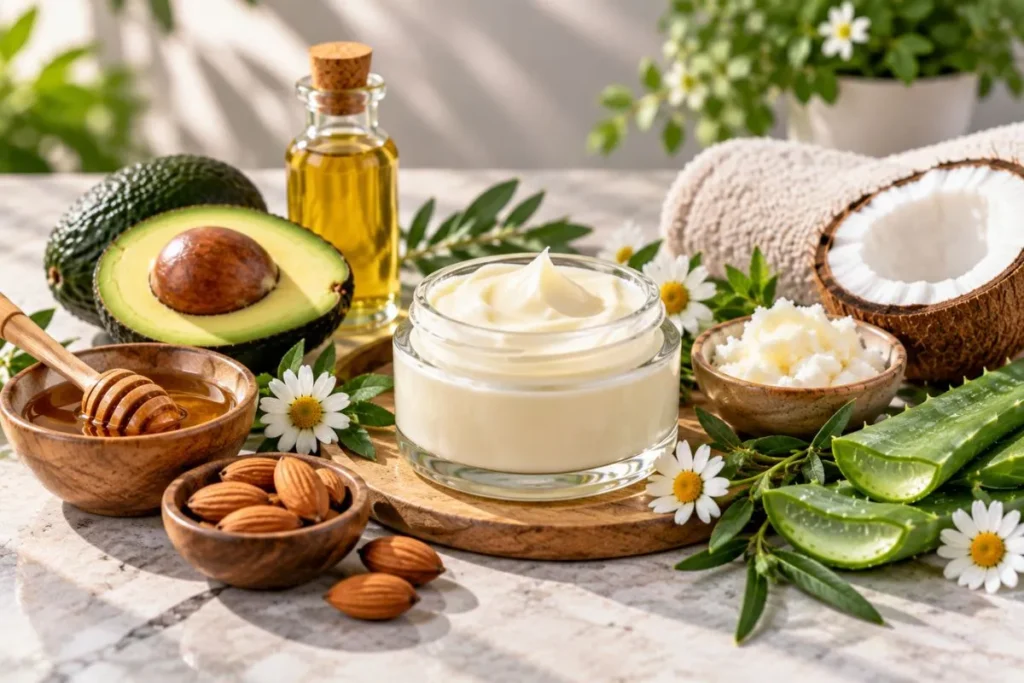
Also consider whether you want a vegan, cruelty-free, fragrance-free, organic, or botanical formula. These are personal preferences, and the most suitable choice is the one that gives you comfortable hydration while fitting your individual skincare needs.
How to Choose the Best Natural Skin Moisturiser
Many people assume that choosing the best natural skin moisturiser is as simple as picking the product with the most natural ingredients. In reality, your skin type, the product texture, and the complete formula matter much more.
A rich organic cream may feel wonderful on dry skin but uncomfortable on oily skin, while a lightweight lotion may not provide enough moisture for very dry skin.
Consider Your Skin Type
Your skin type is the best place to start when choosing a natural moisturizer for skin. Instead of buying a product because it is popular, think about how your skin normally feels throughout the day.
If your skin feels tight, rough, or flaky, look for a natural moisturizer for dry skin with a richer texture. If your face becomes shiny quickly, a lightweight formula may be more comfortable.
Combination skin often needs a balanced approach, while sensitive skin usually benefits from a simple formula with fewer potential irritants.
Best Natural Skin Moisturiser for Dry Skin
Dry skin often needs more than a thin layer of hydration. It can benefit from moisturisers that combine hydrating ingredients with emollients and ingredients that help reduce moisture loss.
Look for ingredients such as shea butter, jojoba oil, glycerin, or other skin-conditioning ingredients. A richer natural moisturizing cream may work particularly well when your skin feels rough or tight.
If you are searching for the best natural skin moisturiser for dry skin, focus on how comfortable and moisturised your skin feels after application rather than simply choosing the thickest product available.
Best Natural Skin Moisturiser for Oily Skin
Oily skin still needs moisture. Skipping moisturiser can leave your skin feeling uncomfortable and may make your routine harder to balance.
For oily skin, consider a lightweight lotion or gel-style natural facial moisturizer that absorbs easily and doesn’t leave a heavy finish. Look for a formula that provides hydration without making your face feel excessively greasy.
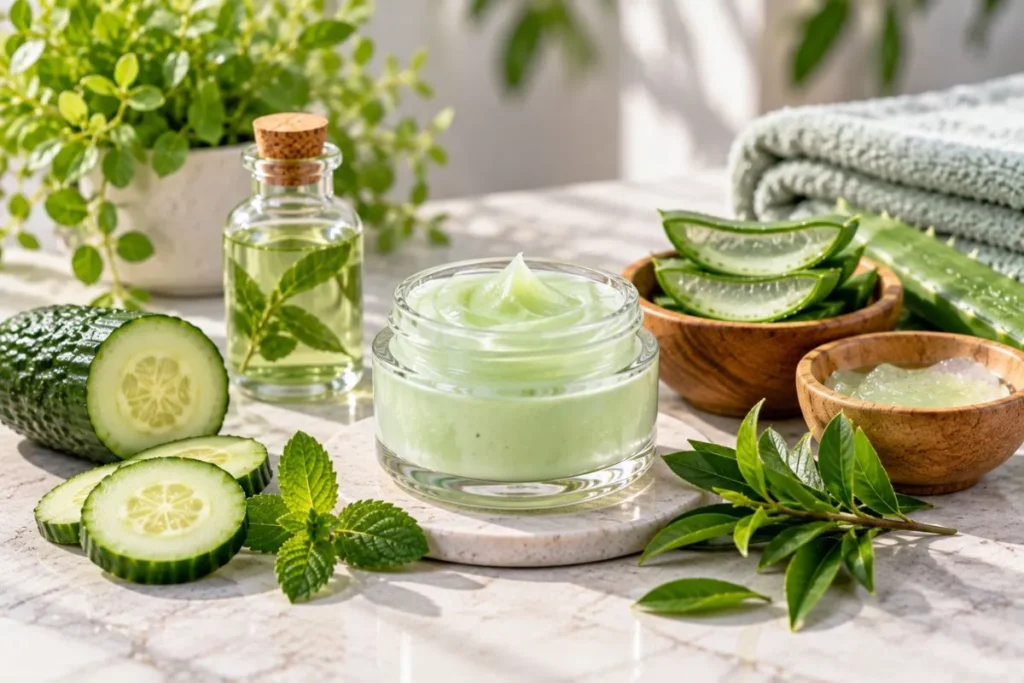
When searching for the best natural skin moisturiser for oily skin, texture can be just as important as the ingredient list. A lighter product may be easier to use consistently during the day.
Best Natural Skin Moisturiser for Combination Skin
Combination skin can be tricky because different areas of your face may have different needs. Your T-zone may become oily, while your cheeks feel normal or dry.
A medium-weight or lightweight natural moisturizer for combination skin can be a practical starting point. You can also adjust how much you apply to different areas instead of using the same amount everywhere.
The key is to find a formula that gives enough hydration without leaving your oilier areas feeling coated.
Best Natural Skin Moisturiser for Sensitive Skin
Sensitive skin needs a little extra attention when choosing skincare. “Natural” doesn’t automatically mean irritation-free. Some botanical extracts, essential oils, or fragrances can bother sensitive skin.
If you’re looking for the best natural skin moisturiser for sensitive skin, consider a simple formula with minimal fragrance and ingredients that your skin already tolerates. A fragrance-free natural moisturizer can be a useful option if fragrance tends to cause discomfort.
It is also smart to introduce one new product at a time. That makes it easier to identify what your skin likes and what it doesn’t.
Best Natural Skin Moisturiser for Acne-Prone Skin
Acne-prone skin can still become dry, especially when using products that make the skin feel stripped. A suitable moisturiser can add needed hydration without feeling overly heavy.
Look for a lightweight natural moisturizer for acne-prone skin and pay attention to how your skin responds. If rich oils or heavy textures tend to cause problems for you, choose a lighter alternative.
Remember, the word “natural” alone doesn’t tell you whether a moisturiser will suit acne-prone skin. The complete formulation and your individual response matter.
Best Natural Skin Moisturiser for Mature Skin
As skin changes over time, it may feel drier or less comfortable than it once did. A moisturiser that provides lasting hydration can help improve the feel and appearance of dry, rough skin.
If you’re searching for a natural moisturizer for mature skin, consider comfortable, nourishing formulas containing ingredients such as shea butter, jojoba oil, glycerin, or hyaluronic acid.
You don’t necessarily need the richest cream available; choose a texture that keeps your skin comfortable without feeling heavy.
Check the Moisturiser’s Texture
Texture is easy to overlook, but it can determine whether you actually enjoy using a product every day.
Creams are generally richer and can work well for dry-feeling skin. Lotions offer a lighter middle ground and can suit everyday use. Gels often feel fresh and lightweight, making them appealing to people who dislike a greasy finish.
Balms tend to be thicker and more protective, so they may be better suited to particularly dry areas.
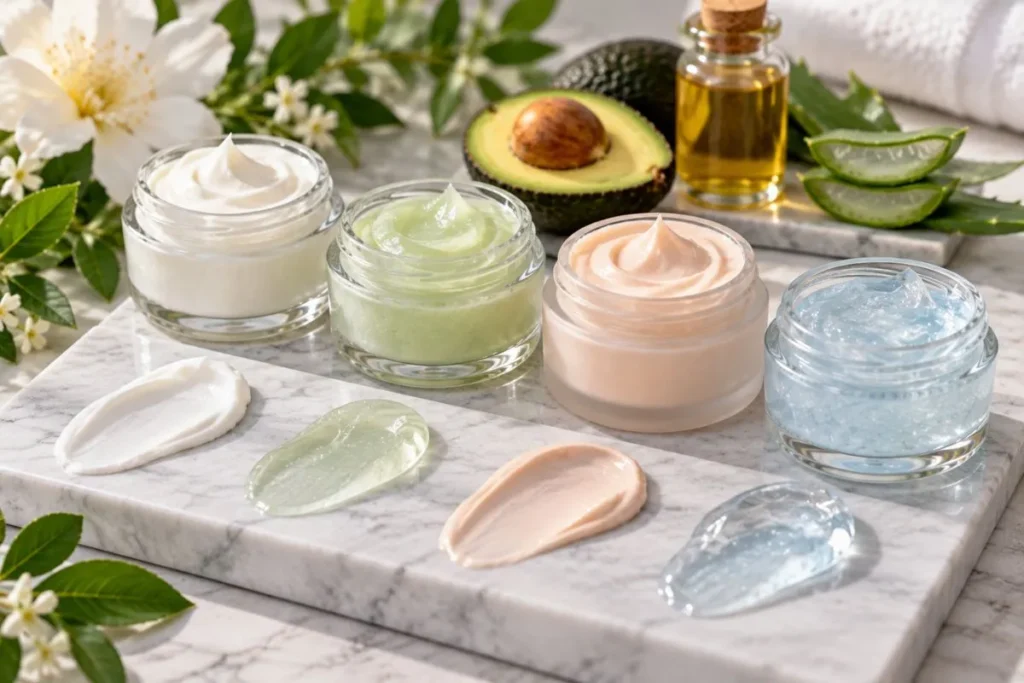
If you prefer something that disappears quickly into the skin, a lightweight natural moisturizer may be the better choice. If your skin constantly feels tight, you may prefer a richer texture.
Check the Ingredient List
Don’t choose a moisturiser based only on its front label. Turn the package around and check the full ingredient list.
Look for ingredients that support hydration and skin comfort, such as glycerin, aloe vera, shea butter, jojoba oil, or hyaluronic acid. You don’t need every popular skincare ingredient in one bottle. A well-balanced formula can be more useful than a long ingredient list.
This is especially important when looking for natural skincare products or organic skincare products, because labels such as “natural,” “clean,” or “plant-based” don’t tell you exactly how your skin will respond.
Think About Your Daily Skincare Routine
The best moisturiser is one that fits naturally into your routine. If you hate thick creams, you probably won’t use one consistently, even if the formula is excellent for dry skin.
Think about when you’ll use it, too. A lighter natural daily moisturizer may be convenient during the day, while a richer formula may feel better at night.
Your goal isn’t to find the most complicated product. It’s to find a natural hydrating skin moisturizer that gives your skin the right level of moisture and feels pleasant enough to use regularly.
Consider Your Personal Preferences
Finally, consider the features that matter to you. You may prefer vegan skincare, cruelty-free products, fragrance-free formulas, or products made with organic ingredients.
These preferences can help narrow your choices, but don’t let them replace basic product evaluation. Start with your skin type, check the formula, consider the texture, and then look at additional preferences.
That’s a much smarter way to find the best natural skin moisturiser for your individual needs.
Best Natural Skin Moisturiser Ingredients to Look For
Many people believe that the best natural skin moisturiser must contain as many plant ingredients as possible. That’s not necessarily true. A shorter, well-designed formula can be more useful than a long list of botanical extracts.
When choosing a moisturiser, focus on what each ingredient does and how your skin responds to the complete formula.
Aloe Vera
Aloe vera is a popular ingredient in natural skincare because it gives moisturisers a lightweight, fresh feel. It is commonly found in lotions, gels, and other formulas designed to provide everyday hydration.
If you prefer a moisturiser that doesn’t feel thick or greasy, a natural moisturizer with aloe vera can be worth considering. Aloe vera can also pair well with other hydrating ingredients, creating a comfortable formula for people who prefer lighter skincare.
Shea Butter
Shea butter is a rich plant-derived ingredient commonly used in moisturisers for dry-feeling skin. Its creamy texture can help make a product feel nourishing and conditioning on the skin.
A natural moisturizer with shea butter may be especially appealing if your skin feels rough, tight, or uncomfortable. Because shea butter is richer than many lightweight ingredients, however, you may prefer to use it when your skin needs extra comfort rather than choosing it simply because it is natural.
Jojoba Oil
Jojoba oil is another familiar ingredient in plant-based skincare. It gives moisturisers a smooth, conditioning feel and is often included in facial formulas.
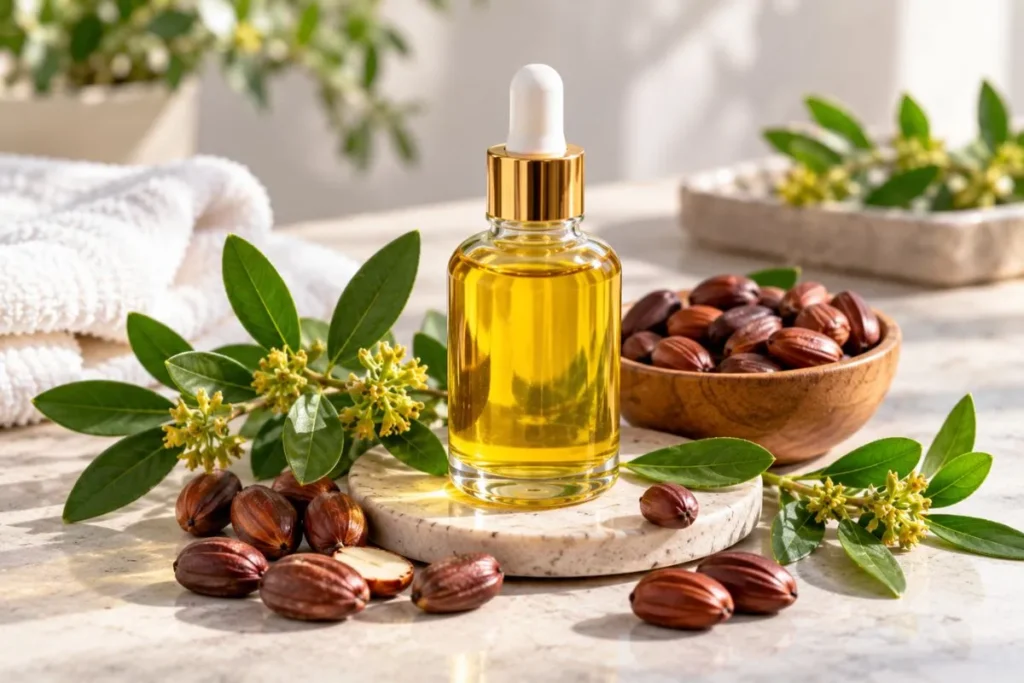
A natural moisturizer with jojoba oil can be a good option if you enjoy moisturisers containing lightweight plant oils. The overall formula still matters, though. Jojoba oil on its own doesn’t determine whether a product will suit your skin.
Coconut Oil
Coconut oil is widely used in natural beauty products because it helps soften and condition the skin. It can be found in creams, balms, and body moisturisers.
However, facial skin can respond differently to richer oils. If coconut oil feels heavy or seems to contribute to clogged pores for you, another formula may be more comfortable. So, when choosing a natural moisturizer with coconut oil, consider your skin type and previous experience with the ingredient.
Hyaluronic Acid
Hyaluronic acid is best known for its ability to attract and hold water. It is commonly included in hydrating skincare formulas and can work alongside other moisturising ingredients.
You may find natural moisturizer with hyaluronic acid options if you’re looking for a formula focused on hydration. Don’t worry if the ingredient sounds technical. Hyaluronic acid can be naturally present in the body, while skincare products may use different forms or sources of it.
For a best natural skin moisturiser for soft and hydrated skin, a formula combining a humectant such as hyaluronic acid with emollient or moisture-sealing ingredients can provide a more complete moisturising experience.
Glycerin
Glycerin is a well-known humectant that helps attract water to the skin. It is used in many types of moisturisers because it can provide hydration without requiring a heavy texture.
If you prefer a natural hydrating skin moisturizer that feels comfortable rather than oily, glycerin can be a useful ingredient to look for. It can also work well in everyday facial moisturisers and lightweight formulas.
Plant Oils
Plant oils can add softness and conditioning to a moisturiser. Depending on the oil, they can give a formula a lighter, silky feel or a richer finish.
Examples include jojoba, sunflower, olive, and other botanical oils. If you’re interested in natural skincare ingredients, remember that one plant oil isn’t automatically better than another. Your skin type and the complete formulation should guide your choice.
Botanical Extracts
Botanical extracts are another common feature of a botanical skin moisturizer. They may come from plants such as chamomile, green tea, calendula, or other botanical sources.
While these ingredients can make a formula appealing, more isn’t always better. If your skin is sensitive, a simpler product may be easier to tolerate than one containing numerous extracts.
Emollients for Smoother Skin
Emollients help improve the feel of rough or dry skin by filling spaces between skin cells and making the surface feel smoother. They are especially useful in moisturisers designed for dry or uncomfortable skin.
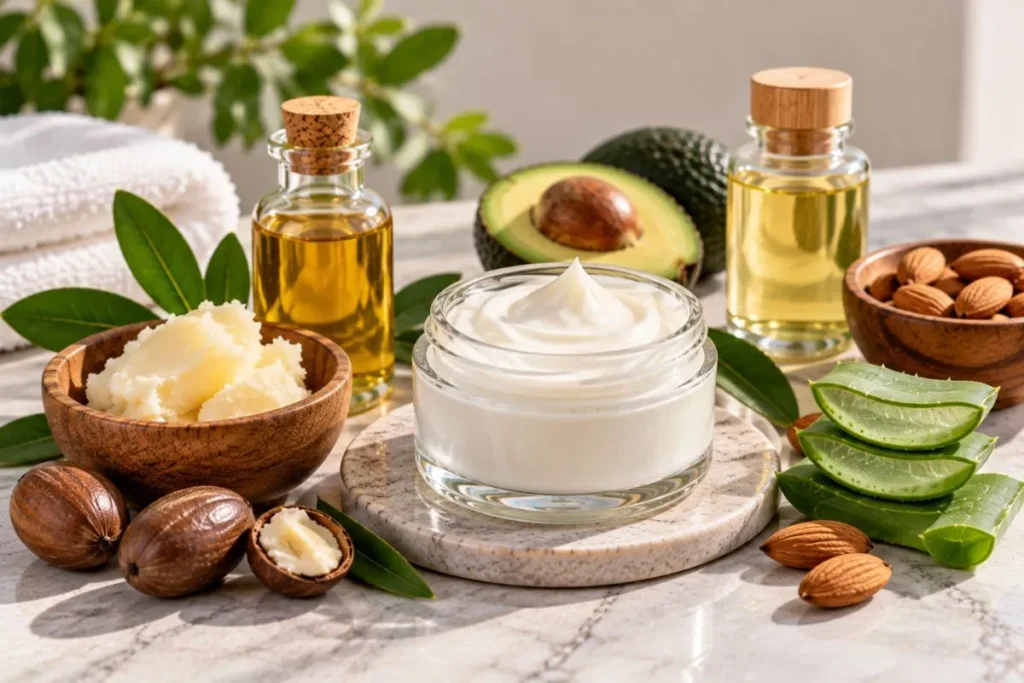
A formula that combines hydration with emollient ingredients can help create that soft, comfortable feeling people often want from a natural skin moisturizer.
Occlusive Ingredients for Moisture Retention
Hydration isn’t only about adding water. Your moisturiser also needs to help slow moisture loss from the skin.
Occlusive ingredients create a protective layer that can reduce water escaping from the skin’s surface. Rich plant butters and certain oils can contribute to this effect, depending on the formulation.
This can be particularly useful when looking for the best natural skin moisturiser for dry skin, especially during periods when your skin feels unusually dry.
Choose Ingredients Based on Your Skin’s Needs
There isn’t one ingredient that makes a moisturiser perfect for everyone. Dry skin may appreciate richer ingredients such as shea butter and nourishing oils, while oily skin may prefer lightweight hydration from ingredients such as glycerin or aloe vera.
For sensitive skin, simplicity can be more valuable than a long list of botanical ingredients. And if you’re looking for a natural moisturizer without harsh chemicals, don’t rely on that phrase alone. Read the ingredient list and consider your own skin’s tolerance.
The smartest approach is to look at the complete formula, not just one star ingredient. When the ingredients, texture, and your skin’s needs work together, you’re much more likely to find a natural moisturiser you’ll actually enjoy using.
Frequently Asked Questions
What Is the Best Natural Skin Moisturiser?
The best natural skin moisturiser depends on your skin type, texture preference, and the ingredients your skin tolerates well. Look for a formula that provides comfortable hydration without leaving your skin excessively greasy, tight, or irritated.
What Is the Best Natural Moisturiser for Dry Skin?
The best natural skin moisturiser for dry skin is usually a richer formula that combines hydrating, emollient, and moisture-sealing ingredients. Shea butter, jojoba oil, and glycerin are examples of ingredients commonly found in products designed for dry-feeling skin.
What Is the Best Natural Moisturiser for Sensitive Skin?
For sensitive skin, consider a simple formula with ingredients your skin already tolerates. A fragrance-free natural moisturizer may be a useful choice if fragrance tends to bother your skin. Always check the full ingredient list before trying a new product.
Can I Use a Natural Moisturiser Every Day?
Yes. A natural daily moisturizer can be used as part of a regular skincare routine as long as it suits your skin. Apply it after cleansing and other skincare steps, and use sunscreen during the daytime when appropriate.
Is Natural Moisturiser Good for Oily Skin?
It can be. Oily skin still needs hydration. The key is choosing a lightweight formula that doesn’t feel overly greasy. A lightweight natural moisturizer for oily skin may be more comfortable than a thick cream.
Can Natural Moisturiser Help Dry Facial Skin?
A suitable natural moisturizer for dry face can help improve the feeling of tightness and roughness by adding hydration and reducing moisture loss. Choose the texture according to how dry your skin feels.
What Natural Ingredients Hydrate Skin?
Common hydrating ingredients include glycerin, aloe vera, and hyaluronic acid. Plant oils and butters such as jojoba oil and shea butter can also help condition the skin and support a moisturised feel.
20.8 Is Organic Moisturiser Better Than Natural Moisturiser?
Not automatically. Best organic skin moisturiser and natural moisturiser describe different product characteristics. Organic certification, ingredient sourcing, formulation, and your skin’s individual needs all matter. Always evaluate the complete product rather than relying on one label.
What Is the Best Natural Moisturiser for Glowing Skin?
The best natural skin moisturiser for glowing skin is one that keeps your skin comfortably hydrated and works well with your routine. A moisturiser containing suitable humectants and skin-conditioning ingredients can help your skin look smoother and more hydrated.
Can I Use Natural Moisturiser on Acne-Prone Skin?
Yes, but choose carefully. A lightweight natural moisturizer for acne-prone skin may be preferable if heavy textures don’t suit you. Check the complete formula and pay attention to how your skin responds after introducing the product.
Conclusion:
Finding the best natural skin moisturiser isn’t about choosing the product with the biggest “natural” label or the longest list of plant ingredients. Your skin type, preferred texture, ingredient tolerance, and daily routine should guide your choice.
Whether you need a rich moisturiser for dry skin, a lightweight option for oily skin, or a simple formula for sensitive skin, focus on comfortable hydration and a formula your skin responds well to.
Take a little time to check the ingredients, choose according to your skin’s needs, and give your new moisturiser a fair trial. The right natural hydrating skin moisturizer should make your routine feel simpler while helping your skin stay soft, comfortable, and hydrated.

Name: Shahzadi
I’m passionate about skincare, beauty, and simple self-care. I share practical skincare tips, beauty routines, product insights, and easy ways to build healthy-looking, glowing skin.
My goal is to make beauty and skincare easier to understand, so you can discover routines that fit your everyday life.


