

People frequently believe that making natural face wash at home is difficult or that homemade cleansers cannot clean the skin properly. But that is not always true.
With the right ingredients and a simple method, you can learn how to make natural face wash at home without making your skincare routine complicated. Ingredients such as aloe vera, honey, and finely ground oatmeal can be useful options, depending on your skin type and needs.

In this article, you will discover easy DIY natural face wash recipes for dry, oily, sensitive, and acne-prone skin, along with tips for using and storing homemade cleansers safely.
You will also find recommended skincare products within the article that you can explore and purchase if you prefer ready-made options. Whether you want a gentle facial cleanser or a simple homemade face wash for glowing skin, you will learn how to choose an approach that suits your skin.
What Is Natural Face Wash, and How Does It Work?
Natural face wash is a cleanser made with ingredients commonly described as natural, such as aloe vera, oatmeal, honey, or plant-based ingredients. People often choose these options because they want a simple skincare routine with ingredients they recognize.
However, natural does not automatically mean safer or more effective, and homemade mixtures may not clean as thoroughly as a properly formulated facial cleanser.
What Makes a Face Wash Natural?
A natural face wash usually contains ingredients sourced from plants or other naturally occurring materials. For example, aloe vera is commonly used in skincare for its soothing properties, while oatmeal can help comfort dry or sensitive skin.
Honey is another popular ingredient in DIY skincare, although it should not be treated as a complete replacement for a formulated facial cleanser.
When learning how to make natural face wash, it is important to understand what each ingredient can realistically do. Some ingredients can help the skin feel softer, while others may provide a gentle cleansing effect when combined with suitable methods
. Not every natural ingredient removes oil, sunscreen, and makeup effectively, so the recipe should match your cleansing needs.
You should also be careful when adding fresh ingredients, such as cucumber juice or homemade rice water. These mixtures can spoil quickly, especially when they contain water and are not preserved.
Prepare small amounts for immediate use instead of assuming that a homemade cleanser will remain safe for several days.
Natural Face Wash vs. Commercial Facial Cleanser
Homemade natural face wash and commercial facial cleansers both aim to clean the skin, but they work differently depending on their ingredients and formulation. A DIY cleanser may contain a few simple ingredients, giving you more control over what you apply to your face.
However, some homemade recipes may not remove sunscreen, long-wearing makeup, or excess oil as effectively as a cleanser designed specifically for that purpose.
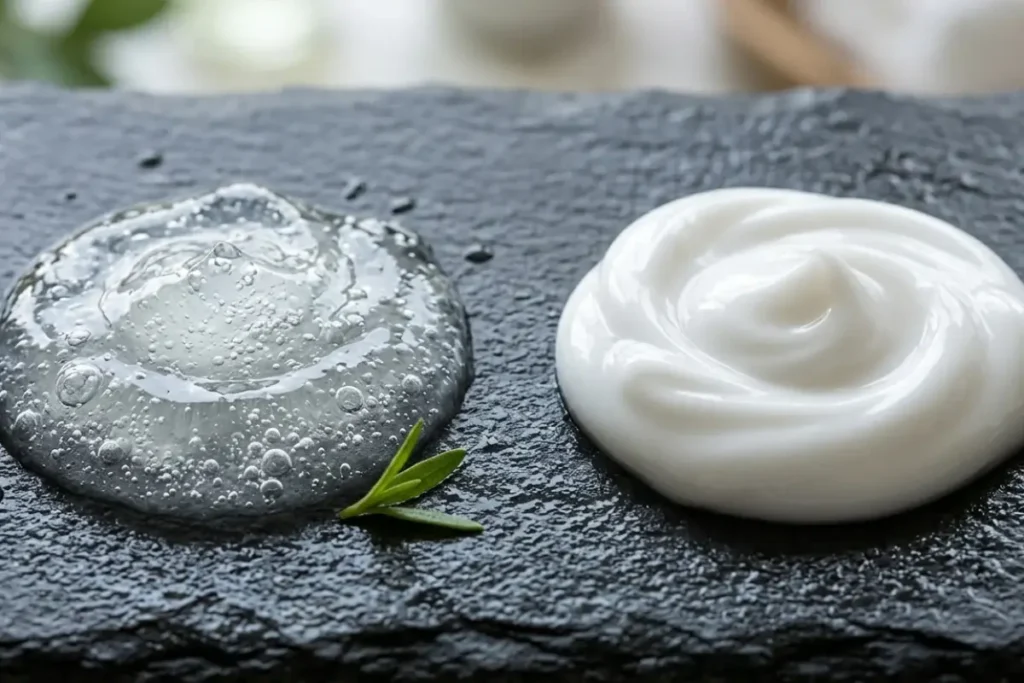
Commercial facial cleansers are usually formulated with cleansing agents and other ingredients selected to provide a consistent result. Many also contain moisturizers, such as glycerin, or ingredients that support the skin barrier.
Properly formulated products may also include preservatives that help prevent harmful microorganisms from growing during storage.
If you prefer homemade skincare, choose mild ingredients and avoid harsh mixtures that could irritate your skin. If you need reliable daily cleansing, wear sunscreen regularly, or have sensitive skin, a ready-made gentle cleanser may be the more practical choice.
The best option depends on your skin type, routine, and individual needs rather than whether a product is labeled natural or commercial.
Benefits of Making Homemade Face Wash
One reason people try DIY skincare recipes is that they can start with a small number of familiar ingredients. Making a simple homemade face wash may also be an affordable way to explore certain skincare ingredients without buying several different products. You can choose a recipe based on whether your skin tends to feel dry, oily, or easily irritated.
Another benefit is flexibility. For example, finely ground oatmeal mixed with a little water may be a gentle option for skin that feels dry or uncomfortable.
Aloe vera gel may also be used in a simple skincare routine if your skin tolerates it. Still, these ingredients do not guarantee clearer or brighter skin, and individual reactions can vary.
There are some limitations to consider, too. Homemade face wash recipes do not always have a balanced pH, and mixtures containing fresh ingredients can become contaminated.
Some recipes may also lack the cleansing ingredients needed to remove sunscreen or makeup effectively. To reduce potential problems, use clean utensils, prepare small fresh batches, avoid irritating ingredients, and stop using a mixture if it causes redness, itching, or burning.
Can Natural Ingredients Clean Your Face Effectively?
Yes, some natural ingredients can play a role in gentle facial cleansing, but their effectiveness depends on the ingredient and how you use it. Finely ground oatmeal mixed with water, for example, can help remove some surface impurities while providing a gentle feel.
However, it is not a complete substitute for a cleanser formulated to remove sunscreen, makeup, and excess oil.
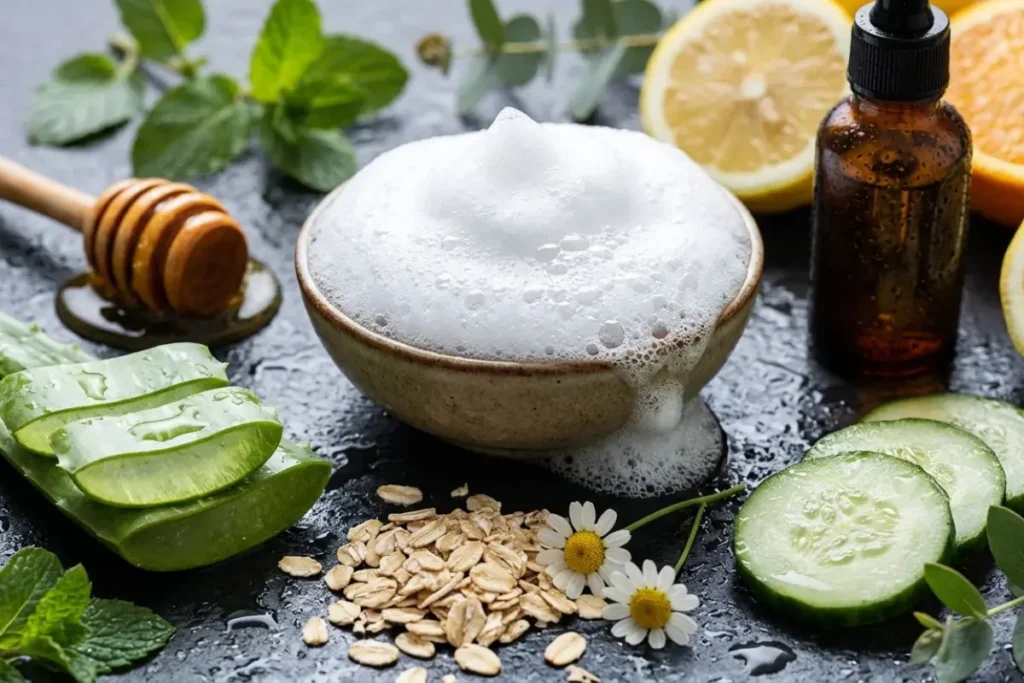
Honey is often included in homemade facial cleanser recipes, but applying honey alone may not remove all the buildup that collects on your skin throughout the day.
Similarly, rose water can feel refreshing, but it should not be considered a complete facial cleanser by itself. Aloe vera is commonly used for its soothing qualities, yet it does not necessarily provide enough cleansing power on its own.
If you want to make natural face wash for glowing skin, focus on gentle cleansing rather than trying to scrub away dullness. Avoid rubbing your face with rough powders or using ingredients such as lemon juice and baking soda, which can irritate the skin. If you we
What Ingredients Do You Need to Make Natural Face Wash?
Many people believe that the more natural ingredients they mix together, the better their homemade face wash will work. However, using too many ingredients can make a recipe harder to manage and may increase the risk of skin irritation.
If you want to learn how to make natural face wash at home, start with a few gentle ingredients that suit your skin type. Each ingredient has a different purpose, so understanding its benefits and limitations can help you create a simple DIY face cleanser.
Aloe Vera for a Gentle, Hydrating Cleanser
Aloe vera is a popular ingredient in natural skincare because it has a lightweight texture and can help soothe skin that feels dry or uncomfortable. It is often used in homemade facial cleansers for people who prefer a gentle skincare routine.
Pure aloe vera gel can also provide a refreshing feel without leaving the heavy finish that some creamy products create.
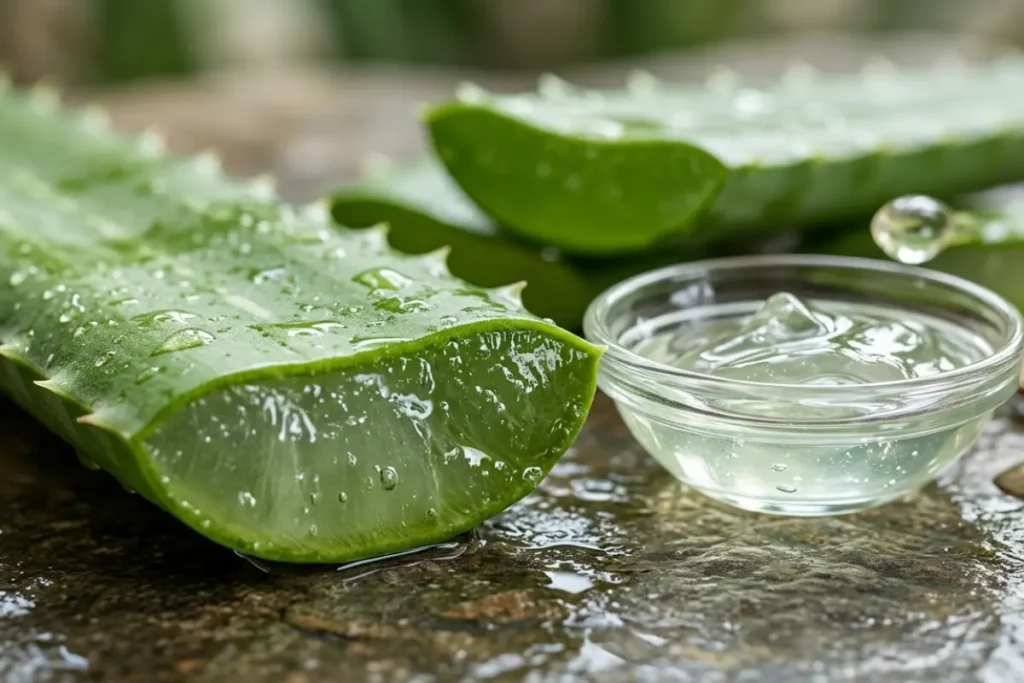
To make a simple aloe vera cleanser, mix one teaspoon of pure aloe vera gel with a few drops of clean water immediately before use. Gently spread the mixture over damp skin, then rinse it off with lukewarm water.
Avoid adding several other ingredients at once, especially if you have sensitive skin.
Keep in mind that aloe vera gel alone may not remove waterproof sunscreen, heavy makeup, or excess oil effectively. It works better as a soothing skincare ingredient than as a complete replacement for every facial cleanser.
Choose a product without added fragrance or alcohol if these ingredients tend to irritate your skin.
Honey for a Moisturizing Face Wash
Honey is commonly used in homemade face wash recipes because it has a smooth texture and helps the skin feel soft. It also contains naturally occurring compounds that have been studied for their antimicrobial properties. However, using honey on your face does not mean it will treat acne or prevent every type of skin infection.
If you want to try a honey face wash, take one teaspoon of plain honey and mix it with a little lukewarm water to make it easier to spread. Apply it gently to damp skin, avoid the eye area, and rinse thoroughly.
This simple method may suit people who enjoy a moisturizing feel, but honey can still trigger irritation or an allergic reaction in some individuals.
For a homemade natural face wash for dry skin, honey may be an ingredient worth exploring if your skin tolerates it. However, it does not replace a properly formulated cleanser, especially if you need to remove sunscreen or makeup. Avoid using honey if you have a known allergy to it, and do not keep a diluted honey mixture for later use.
Oatmeal for Dry and Sensitive Skin
Oatmeal is a useful ingredient to consider when making a gentle DIY face cleanser. Finely ground colloidal oatmeal is commonly used in skincare products designed for dry, itchy, or sensitive skin because it can help support the skin barrier and reduce discomfort. Ordinary kitchen oatmeal may also be used in a simple rinse-off mixture, although it is not the same as specially prepared colloidal oatmeal.
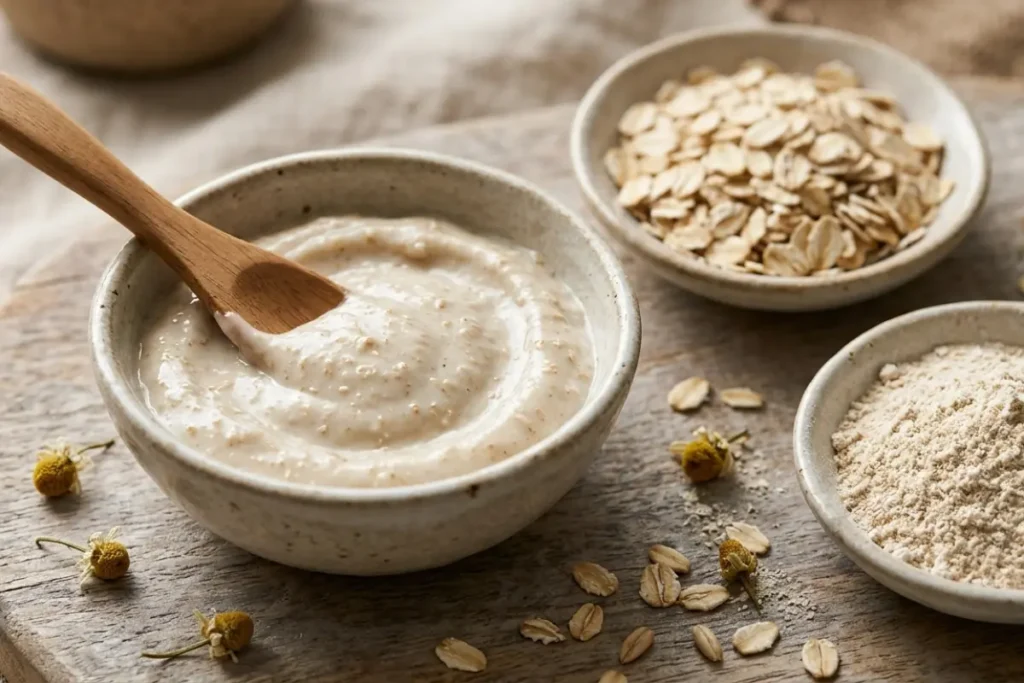
To make an oatmeal cleanser, grind plain, unflavored oats into a very fine powder. Mix one teaspoon with enough water to form a soft paste, then gently spread it over damp skin.
Rinse it away without scrubbing or rubbing hard. This method can help remove some surface impurities, but it may not remove makeup, sunscreen, or heavy oil completely.
If your goal is to make natural face wash for sensitive skin, keep the recipe simple and avoid scented oatmeal products or added essential oils. Coarsely ground oats can feel rough on delicate skin, so use a fine texture instead. Stop using the mixture if you notice redness, itching, or discomfort.
Rose Water for a Refreshing Facial Cleanser
Rose water is often included in homemade skincare routines because it feels light and refreshing on the skin. Some people use it as a facial mist or as an additional step after cleansing. However, rose water on its own is not a complete face wash because it may not remove dirt, excess oil, makeup, or sunscreen effectively.
If you want to include rose water in your DIY skincare routine, choose a simple product with a clear ingredient list and no added fragrance if your skin is easily irritated.
You can apply a small amount with clean hands after cleansing, or use it to moisten a freshly prepared powder-based cleanser. Avoid mixing a large quantity into a homemade face wash that you plan to store.
Although rose water is often marketed as soothing, some products contain fragrance components that can irritate sensitive skin. Test it on a small area first and watch for any reaction. For everyday cleansing, use rose water as an optional addition rather than relying on it to clean your face by itself.
How to Make Natural Face Wash at Home Easy Recipes
You do not need a long list of ingredients to make natural face wash at home. In fact, combining too many ingredients does not automatically make a cleanser more effective.
The best approach is to start with a simple recipe, consider your skin’s needs, and avoid ingredients that may cause irritation. The following seven DIY natural face wash recipes use familiar ingredients, but they are best treated as occasional, freshly prepared options rather than preserved daily cleansers.
How to Make Natural Face Wash With Aloe Vera
If you prefer a light, soothing-feeling skincare ingredient, aloe vera may be a good place to start. Pure aloe vera gel has a smooth texture and is commonly used in skincare products for its moisturizing and soothing properties. However, aloe vera alone will not reliably remove heavy makeup or water-resistant sunscreen.

To make this cleanser, you need one teaspoon of pure aloe vera gel and a few drops of clean water if you want to thin the gel.
Place the aloe vera gel in a clean bowl. Add a few drops of water if the gel is too thick to spread comfortably. Mix until the texture is smooth, then apply a small amount to damp skin using clean fingertips. Gently move it over your face, avoiding your eyes, and rinse thoroughly with lukewarm water.
Pat your face dry with a clean towel instead of rubbing it. If your skin feels dry afterward, apply a moisturizer that suits your skin type.
This simple aloe vera face wash is easy to prepare, but it may provide only limited cleansing. If you need to remove sunscreen, makeup, or excess oil, use a suitable facial cleanser instead. Make only enough for one application, and do not store the diluted mixture.
How to Make Natural Face Wash With Honey
Honey is a popular choice for homemade skincare because it has a soft, sticky texture and can leave skin feeling comfortable. If your skin tolerates it, a small amount of plain honey can be used in an occasional rinse-off skincare routine.
Still, honey is not a complete facial cleanser and should not be expected to clear acne or treat other skin conditions.
For this recipe, you need one teaspoon of plain honey and a little lukewarm water.

Put the honey in a clean bowl and add a few drops of lukewarm water to make it easier to spread. Mix gently until it becomes less sticky. Wet your face with lukewarm water, then apply a thin layer of the mixture using clean fingertips.
Massage very gently for a short time, keeping the mixture away from your eyes and mouth. Rinse thoroughly until no sticky residue remains, then pat your face dry.
This recipe may appeal to people looking for a simple homemade face wash for dry skin, but results can vary. Honey may cause irritation or an allergic reaction in some people, so test it on a small area before using it on your face. Do not use it if you have a known honey allergy, and discard any leftover mixture.
Frequently Asked Questions About How to Make Natural Face Wash
Many people think homemade face wash is always better than store-bought cleanser because it contains simple ingredients. However, the best choice depends on your skin type, the ingredients you use, and how safely you prepare the mixture.
These frequently asked questions will help you understand how to make natural face wash at home and choose a gentle cleansing method for your skincare routine.
How Do You Make Natural Face Wash at Home?
You can make a simple natural face wash at home using ingredients such as finely ground oatmeal and clean water. Mix one teaspoon of oatmeal with enough water to create a smooth paste.
Apply it gently to damp skin, then rinse thoroughly with lukewarm water. Avoid scrubbing or using coarse ingredients that may irritate your face.
Prepare only enough for one use because homemade mixtures do not contain the preservatives found in many commercial cleansers. Remember that an oatmeal mixture may not remove makeup, excess oil, or sunscreen completely. For everyday cleansing, choose a gentle facial cleanser that suits your skin type.
What Is the Easiest Homemade Face Wash Recipe?
One of the easiest homemade face wash recipes uses plain, finely ground oatmeal and water. You only need one teaspoon of oatmeal and a little clean water to create a soft paste. Gently spread it over your damp face and rinse it off without rubbing too hard.
This recipe is simple and inexpensive, making it a convenient option for people who want to try DIY skincare. However, it is not a complete replacement for a formulated facial cleanser. If you have sensitive skin, test the mixture on a small area first and stop using it if irritation develops.
How Can I Make Natural Face Wash for Glowing Skin?
If you want to make natural face wash for glowing skin, focus on gentle cleansing rather than using harsh ingredients to scrub away dullness. A simple oatmeal and water mixture may help remove some surface impurities, while aloe vera can be included in your skincare routine if your skin tolerates it.
However, homemade face wash cannot guarantee brighter skin or remove dark spots. For a healthy-looking complexion, cleanse gently, moisturize regularly, and apply broad-spectrum sunscreen with SPF 30 or higher during the day. Consistent skincare habits are generally more useful than frequently changing DIY recipes.
What Is the Best Natural Face Wash for Oily Skin?
The best natural face wash for oily skin is one that removes excess oil without leaving your face feeling tight or irritated. Some people try finely ground oatmeal mixed with water, but this mixture may not control oil throughout the day or remove all buildup effectively.
If you have oily skin, look for a gentle, non-comedogenic facial cleanser designed to remove excess oil without stripping the skin. Avoid harsh scrubs, lemon juice, and baking soda, as these can irritate your skin. If you also experience persistent acne, a dermatologist can help you choose suitable cleansing and treatment products.
How Do I Make Natural Face Wash for Dry Skin?
To make a simple homemade face wash for dry skin, mix one teaspoon of finely ground oatmeal with enough clean water to form a soft paste. Apply it gently to damp skin and rinse it off before it dries completely. Avoid hot water and rough rubbing, which can make dryness worse.
After cleansing, apply a moisturizer while your skin is still slightly damp. Although oatmeal may feel gentle, a homemade mixture may not clean thoroughly enough for everyone. If your skin frequently feels tight, flaky, or uncomfortable after washing, try a fragrance-free cleanser formulated for dry skin.
Can I Use Honey as a Face Wash Every Day?
Honey is commonly used in homemade skincare because of its smooth texture and moisturizing feel. However, using honey alone every day may not remove sunscreen, makeup, and excess oil effectively. It can also cause irritation or allergic reactions in some people.
If you want to try honey as an occasional rinse-off treatment, use a small amount of plain honey, spread it gently over damp skin, and rinse it off thoroughly. Do not use it if you have a known honey allergy. For regular facial cleansing, a properly formulated cleanser is generally a more reliable choice.
Is Aloe Vera Good for Homemade Face Wash?
Aloe vera is a popular skincare ingredient because it can help soothe skin that feels dry or uncomfortable. You can use a small amount of pure aloe vera gel in your skincare routine if your skin tolerates it. Some people also mix it with a little water for a freshly prepared rinse-off mixture.
However, aloe vera alone does not provide complete cleansing and may not remove heavy makeup or water-resistant sunscreen. Choose a product with a simple ingredient list, especially if you have sensitive skin. Test it before regular use and stop applying it if you notice redness, itching, or burning.
Can Homemade Face Wash Help With Acne?
Homemade face wash may remove some surface impurities, but it should not be considered a reliable acne treatment. Ingredients such as oatmeal may feel gentle on the skin, yet they are not proven substitutes for acne treatments formulated with ingredients such as salicylic acid or benzoyl peroxide.
If you have acne-prone skin, avoid rough scrubs, lemon juice, baking soda, and heavily fragranced ingredients. Choose a gentle cleanser that does not clog pores, and avoid repeatedly washing your face in an attempt to clear breakouts. If your acne is painful, persistent, or leaving scars, consult a dermatologist for appropriate treatment.
How Long Can I Store Homemade Natural Face Wash?
Most simple homemade face wash recipes containing water, fresh cucumber, brewed green tea, or other perishable ingredients are best prepared immediately before use. These mixtures do not have a tested preservative system, so harmful microorganisms may grow even when the mixture looks and smells normal.
For this reason, prepare only the amount you need for one application and discard any leftovers. Do not assume that refrigeration makes a homemade cleanser safe to store for several days.
If you want a face wash that you can keep in your bathroom and use regularly, choose a properly formulated product with an appropriate preservation system.
Is Natural Face Wash Better Than Commercial Face Wash?
Neither natural nor commercial face wash is automatically better for everyone. A homemade cleanser gives you control over the ingredients, but it may not remove sunscreen, makeup, or excess oil effectively. It can also have an unsuitable pH or become contaminated during storage.
Commercial facial cleansers are formulated to provide consistent cleansing and may contain moisturizing ingredients that help support the skin barrier. Many also include preservatives to improve product safety during storage. When choosing a cleanser, consider your skin type, sensitivity, and cleansing needs rather than relying only on the word natural.
Can I Make Natural Face Wash Without Soap?
Yes, you can prepare a simple rinse-off mixture without traditional soap. For example, combine one teaspoon of finely ground oatmeal with enough clean water to make a soft paste. Apply it gently to damp skin, then rinse thoroughly.
Keep in mind that a soap-free DIY mixture is not necessarily a complete facial cleanser. Oatmeal and water may remove some surface impurities, but they may not effectively remove sunscreen, makeup, or heavy oil.
If you want a soap-free cleanser for daily use, consider a gentle, commercially formulated facial cleanser designed for your skin type.
What Ingredients Should I Never Put in Homemade Face Wash?
Some ingredients are best avoided in DIY facial cleansers because they can irritate the skin or damage its protective barrier. Lemon juice may cause irritation and increase the risk of reactions from sunlight, while baking soda can disrupt the skin’s natural pH balance. Coarse sugar and salt can also cause unnecessary friction when rubbed against delicate facial skin.
You should also avoid undiluted essential oils, spoiled ingredients, and homemade mixtures that have been stored for too long. Even natural ingredients can cause allergies, so test new ingredients on a small area before applying them to your face. If you experience persistent redness, swelling, itching, or burning, stop using the mixture and seek medical advice if symptoms continue.
Conclusion:
Learning how to make natural face wash at home can be a simple way to explore homemade skincare using familiar ingredients such as oatmeal, aloe vera, and honey.
You do not need a complicated recipe or a long list of ingredients to create a basic cleansing mixture. The key is to choose ingredients carefully, understand their limitations, and pay attention to how your skin responds.
If you want a homemade face wash for glowing skin, remember that gentle cleansing is more important than scrubbing your face or trying every DIY recipe you find.
Ingredients that suit dry skin may not work as well for oily or acne-prone skin, so choose your approach accordingly. Always prepare fresh mixtures, avoid harsh ingredients, and never store water-based homemade cleansers for extended periods.
It is also worth remembering that natural does not always mean safe or effective. Homemade mixtures may not remove sunscreen, makeup, and excess oil as thoroughly as a properly formulated facial cleanser.
If you need a reliable daily cleanser, a gentle commercial product may be the better option for your skincare routine.
Finally, keep your routine simple and consistent. Cleanse your face gently, apply a suitable moisturizer, and use sunscreen during the day. With the right approach, you can make informed choices about natural skincare without putting your skin’s comfort and health at risk.

Name: Shahzadi
I’m passionate about skincare, beauty, and simple self-care. I share practical skincare tips, beauty routines, product insights, and easy ways to build healthy-looking, glowing skin.
My goal is to make beauty and skincare easier to understand, so you can discover routines that fit your everyday life.