
Many people believe that the Best Shampoo for Healthy Hair is simply the most expensive one or the one with the biggest promises on the bottle. That is not always true.
Your hair and scalp have different needs, so a shampoo that works beautifully for one person may leave another person’s hair dry, oily, or rough. The smarter approach is to choose a healthy hair shampoo based on your hair type, scalp condition, and everyday needs.
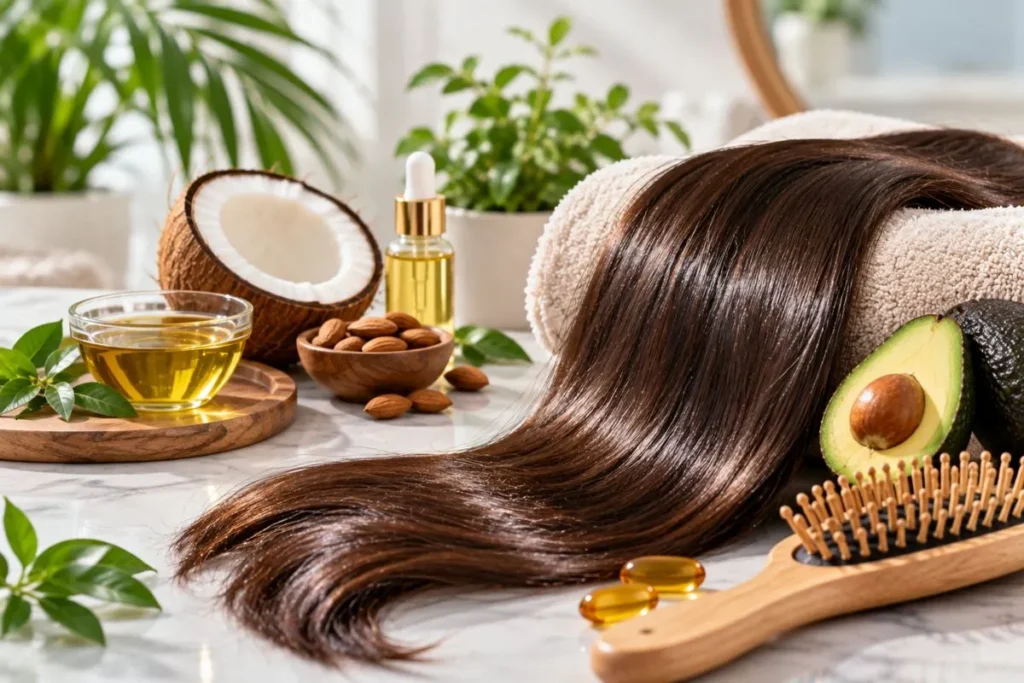
The right shampoo can help keep your scalp clean, support a healthy moisture balance, and leave your hair feeling soft, manageable, and fresh.
Whether you want stronger and shinier hair, better scalp care, or a gentle shampoo for regular washing, the goal is to find a formula that fits your routine.
In this guide, we’ll look at what really matters when choosing the Best Shampoo for Healthy Hair, so you can avoid common mistakes and make a confident choice.
What Makes the Best Shampoo for Healthy Hair?
It is easy to think that the Best Shampoo for Healthy Hair should make your hair feel extremely clean, soft, and shiny after one wash. But that quick result does not tell the whole story.
A good shampoo should clean away excess oil, sweat, dirt, and product buildup without unnecessarily stripping the scalp or leaving the hair feeling rough. The best choice is the one that gives your hair the cleansing it needs while fitting your individual hair and scalp needs.
Gentle Cleansing Without Stripping Natural Oils
Your scalp naturally produces oils that help protect the skin and hair. Shampoo needs to remove excess oil and buildup, but overly harsh cleansing can leave some hair types feeling dry, tight, or brittle.
This is why a gentle shampoo for healthy hair can be a smart option, especially if your hair is dry, damaged, curly, or your scalp becomes uncomfortable after washing.
Gentle does not mean ineffective. A well-suited shampoo should still cleanse your scalp properly while helping maintain a comfortable moisture balance. If your hair feels clean but not stripped after washing, that is often a better sign than an extremely squeaky-clean feeling.
Moisture and Nourishment for Stronger Hair
Healthy-looking hair needs more than cleansing. It also needs the right level of moisture and care. A moisturizing shampoo or hydrating shampoo can be useful when hair feels dry, rough, dull, or difficult to manage. These formulas are designed to make cleansing less disruptive to the hair’s feel and can help support softer, smoother strands.
If your main goal is stronger-looking hair, do not focus only on products labeled as “strengthening.” Look at your complete routine. Excessive heat, rough brushing, frequent chemical treatments, and poor hair-care habits can all affect how your hair looks and feels.
The best shampoo for strong healthy hair should complement good hair-care habits rather than be expected to solve every problem by itself.
A Healthy Scalp Comes First
Beautiful hair starts with a well-cared-for scalp. A shampoo that suits your scalp can remove excess oil, sweat, dirt, and styling residue while keeping the scalp comfortable.
This makes shampoo for scalp health an important part of choosing the right product, especially if your scalp tends to become oily, dry, or sensitive.
Think about what your scalp actually needs before choosing a bottle. Someone with an oily scalp may need a different cleansing approach than someone with dry hair and a sensitive scalp. A scalp-friendly shampoo should match those needs instead of following a one-size-fits-all trend.
Why There Is No Single Best Shampoo for Everyone
The phrase Best Shampoo for Healthy Hair sounds like there should be one perfect product for everyone. In reality, hair type and scalp condition make a big difference.
A shampoo designed for oily hair may not be ideal for very dry strands, while a rich moisturizing formula may feel too heavy on an oily scalp.
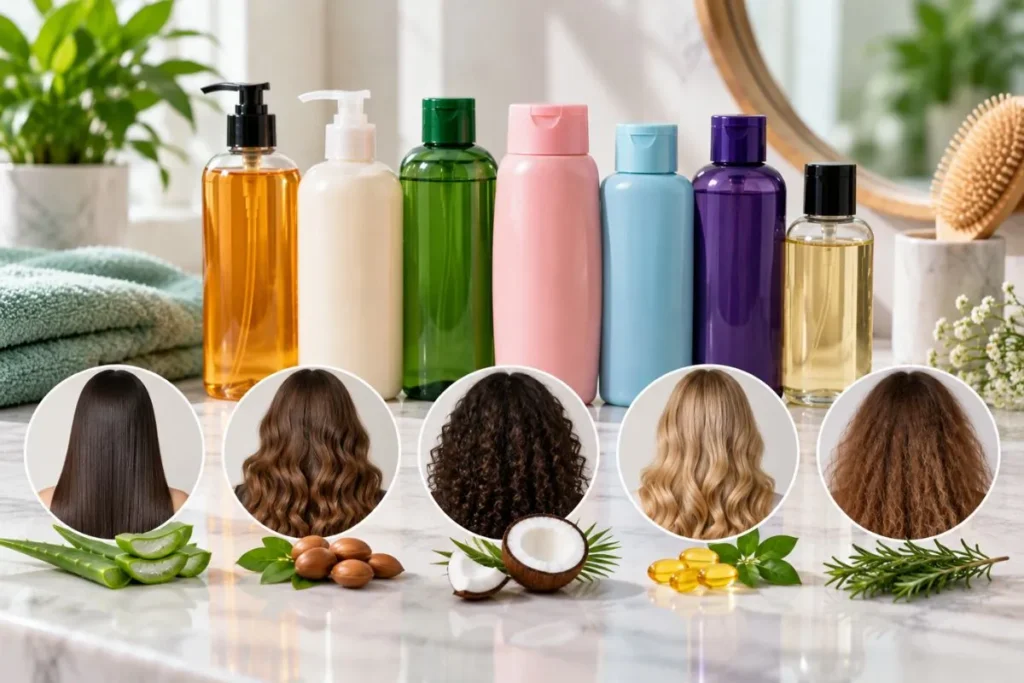
Your hair goals matter, too. You may want more moisture, smoother strands, less frizz, better manageability, or simply a mild cleanser for everyday use.
That is why the best shampoo for healthier hair is not necessarily the most popular product. It is the one that works with your specific needs and fits comfortably into your regular hair-care routine.
What Should You Look for in a Healthy Hair Shampoo?
Start with the basics. Consider your hair type, scalp condition, how often you wash your hair, and whether you regularly use styling products or heat. Then check whether the formula matches those needs.
For example, dry hair may benefit from a more moisturizing approach, while an oily scalp may need effective cleansing without excessive dryness.
Also pay attention to how your hair responds after several washes rather than judging a shampoo after one use. Hair that feels comfortable, clean, manageable, and balanced is a much better indicator than a temporary burst of softness or shine.
In short, the Best Shampoo for Healthy Hair should provide appropriate cleansing without creating new problems. Choose based on your hair and scalp instead of relying only on price, packaging, popularity, or bold marketing claims.
That simple change can make your entire hair-care routine more practical and effective.
Know Your Hair Type Before Choosing a Shampoo
Many people assume that the Best Shampoo for Healthy Hair should work the same way for everyone. In reality, your hair type plays a huge role in choosing the right product.
A shampoo that leaves oily hair fresh may make dry hair feel even rougher, while a rich formula made for dry strands may feel heavy on an oily scalp. Before choosing a bottle, take a moment to understand what your hair actually needs.
Your scalp and hair can also change with the weather, age, styling habits, and hair treatments. So, instead of chasing the latest trending healthy hair shampoo, focus on how your hair feels before and after washing.
Best Shampoo for Dry Hair
Dry hair usually needs a little more care during cleansing. If your strands often feel rough, tight, dull, or difficult to brush, look for a shampoo that focuses on moisture rather than extremely deep cleansing. A moisturizing shampoo or hydrating shampoo can help your hair feel softer and more comfortable after washing.
When choosing the best shampoo for dry hair, pay attention to how your scalp feels too. You do not want a product that removes every bit of natural oil and leaves your strands feeling stripped.
A gentle, nourishing formula can be a better fit for dry hair, especially when combined with a suitable conditioner.
If your hair is also fragile or breaks easily, consider products marketed for brittle hair or damaged strands. However, do not expect shampoo alone to reverse serious damage. The bigger goal is to cleanse gently and avoid adding unnecessary stress to already dry hair.
Best Shampoo for Oily Hair
Oily hair needs effective cleansing, but that does not mean you should use the harshest shampoo you can find. An overly aggressive formula may leave the scalp feeling dry and uncomfortable, and some people may then notice more oiliness afterward.
The better approach is to find a shampoo that removes excess oil and buildup without making your scalp feel stripped.
The best shampoo for oily hair should leave your scalp feeling clean and fresh without creating excessive dryness. If you use gels, sprays, oils, dry shampoo, or other styling products regularly, occasional use of a clarifying shampoo may help remove stubborn buildup.
It should not automatically become your everyday shampoo unless the formula and your hair needs support that routine.
Pay attention to your washing pattern as well. If your roots become greasy quickly but your ends stay dry, your scalp and hair lengths may need different care. Focus the cleansing where it is needed instead of aggressively scrubbing the entire length of your hair.
Best Shampoo for Normal Hair
Normal hair is generally easier to manage because it does not have extreme dryness or oiliness. Still, that does not mean you can use absolutely any shampoo. A formula that is too harsh can disturb your hair’s natural balance over time.
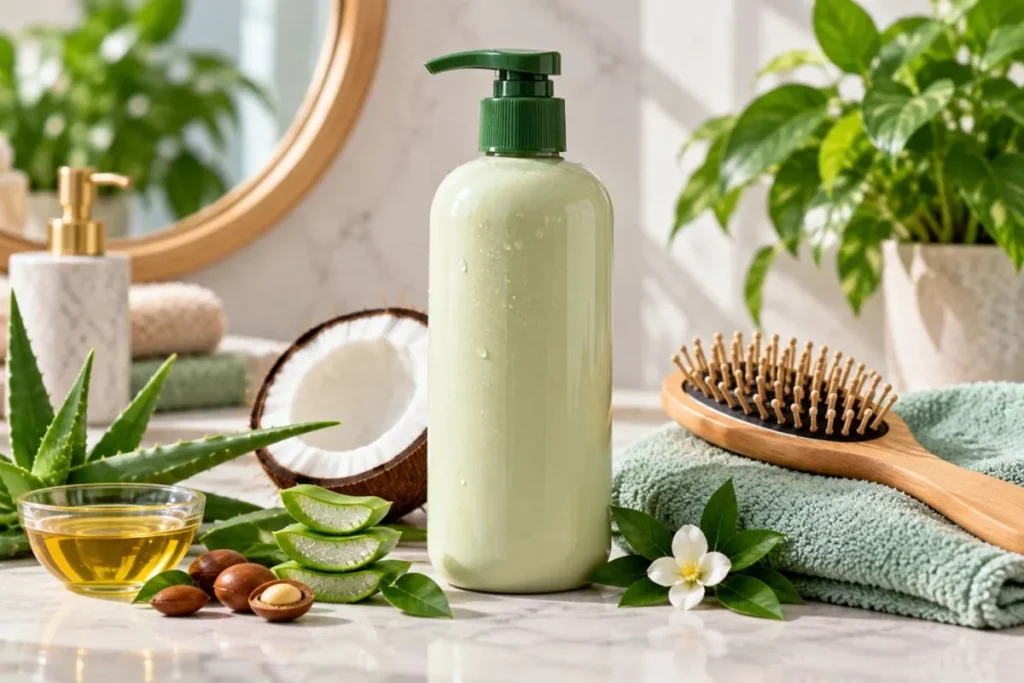
If your hair feels comfortable, looks healthy, and does not become excessively greasy or dry, a mild shampoo may be all you need. The best shampoo for normal hair should clean away everyday dirt, sweat, and excess oil without making your strands feel rough.
For regular washing, a mild shampoo for daily use can be worth considering if your lifestyle requires frequent cleansing. But daily washing is not automatically necessary just because a shampoo is gentle. Your scalp’s oil production and your personal routine should guide how often you wash.
Best Shampoo for Damaged Hair
Damaged hair often feels different from healthy, untreated hair. It may become rough, tangled, brittle, frizzy, or more prone to breakage. Heat styling, coloring, bleaching, chemical treatments, and rough handling can all contribute to this condition.
When looking for the best shampoo for damaged hair, choose a formula that cleans without making fragile strands feel even drier. Hair repair shampoo, moisturizing formulas, and products designed for damaged or brittle hair may fit better than very strong cleansing products.
You may also come across protein shampoo for hair or strengthening formulas. These can be useful as part of a broader routine, but more is not always better.
Your hair still needs moisture and gentle handling. A shampoo cannot permanently rebuild every type of damage, so pair the right cleanser with conditioner and sensible styling habits.
Best Shampoo for Frizzy and Dull Hair
Frizz and dullness can make otherwise healthy hair look tired and difficult to manage. Many people respond by searching for the strongest smoothing product available, but excessive product use can sometimes create buildup and make hair feel heavy.
If frizz is your main concern, look for a shampoo that supports moisture and smoother-feeling strands. A shampoo for frizzy hair may be especially useful when dryness contributes to the problem. Follow it with a suitable conditioner to improve softness and manageability.
For dull hair, cleansing can also make a difference when buildup is preventing your strands from looking fresh. A suitable shampoo for dull hair can help remove excess residue, while a moisturizing routine can support a smoother appearance. Remember, though, that shine is not the same thing as hair strength.
Fine, Thick, Curly, and Textured Hair Need Different Approaches
Hair thickness and texture can also influence your shampoo choice. Fine hair may become weighed down by very rich formulas, while thick or textured hair may need more moisture to prevent dryness.
Curly hair can be particularly sensitive to excessive cleansing because its natural oils may not travel down the hair shaft as easily.
If you have textured or curly hair, focus on how your strands respond rather than choosing a product simply because it is labeled “for curls.” The same idea applies to thick and fine hair. Your hair’s actual condition matters more than a marketing label.
How to Tell If Your Shampoo Matches Your Hair Type
Your hair often gives you useful clues. If it feels excessively dry, rough, tight, greasy, heavy, or difficult to manage after repeated washes, your current shampoo may not be the right match. That does not automatically mean the shampoo is “bad.” It may simply be unsuitable for your hair and scalp.
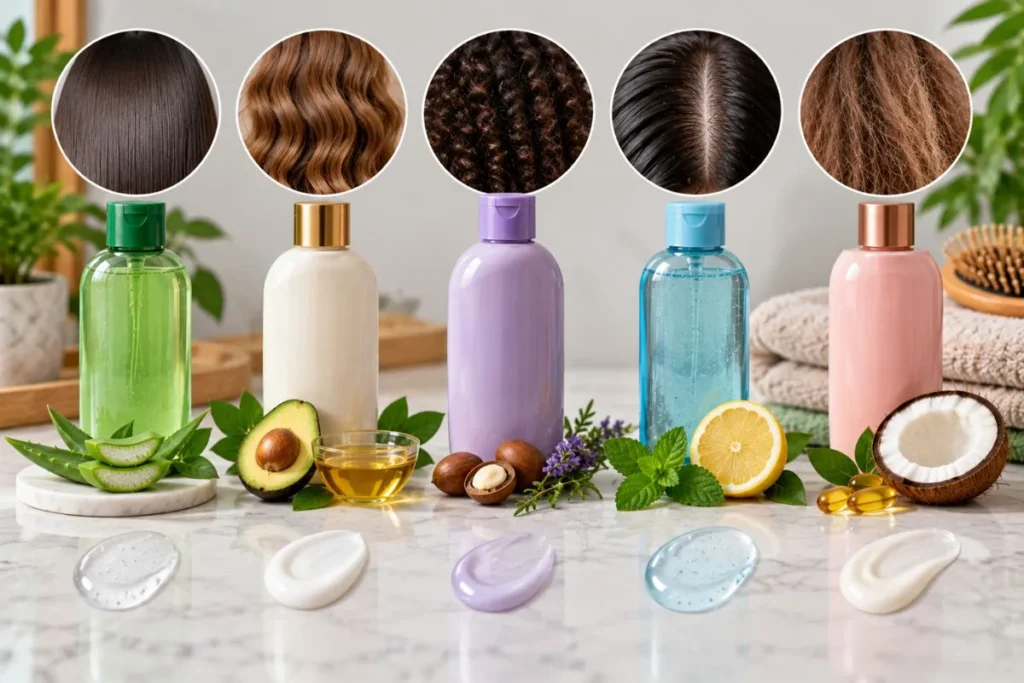
On the other hand, if your scalp feels comfortable and your hair stays clean, soft, manageable, and balanced between washes, you may have found a good match. This is why choosing the Best Shampoo for Healthy Hair should be based on your own results rather than popularity alone.
The key is simple: identify your hair type first, then choose your shampoo around it. Whether you need moisture for dry strands, effective cleansing for oily roots, gentle care for damaged hair, or smoothing support for frizz, the right match can make your everyday hair-care routine much easier.
Check the Ingredients Before Buying Shampoo
Many people believe that the Best Shampoo for Healthy Hair is simply the one with the longest ingredient list or the most impressive claims on the bottle. That is not a reliable way to choose.
A shampoo can contain many popular ingredients and still be a poor match for your hair or scalp. Instead, look at what the formula is designed to do and whether its ingredients suit your everyday needs.
Reading the label may seem confusing at first, but you do not need to become a chemistry expert. A few simple checks can help you understand whether a product is focused on gentle cleansing, moisture, scalp care, or strengthening.
This makes it easier to choose a healthy hair shampoo based on facts rather than attractive packaging or marketing promises.
Ingredients That Can Support Healthy Hair
The right ingredients can make a shampoo more suitable for your hair goals. Some formulas focus on cleansing, while others include ingredients that help improve the feel of dry, rough, or damaged strands.
When searching for the best shampoo for healthy hair, look for a formula that matches what your hair actually needs instead of choosing ingredients simply because they are trending.
Moisturizing ingredients can be useful for hair that feels dry or rough. Conditioning ingredients can help improve softness and manageability. Cleansing ingredients remove oil, dirt, sweat, and styling residue from the scalp and hair.
Some shampoos also contain strengthening or smoothing ingredients designed to improve the way the hair feels after washing.
The important point is balance. More ingredients do not automatically mean a better product. The shampoo ingredients for healthy hair should work together in a formula that suits your hair type and scalp.
If your hair is already soft and balanced, you may not need an extremely rich formula. Likewise, very dry or damaged hair may benefit from a gentler, more nourishing approach.
Sulfate-Free Shampoo: Is It Better?
Sulfate-free shampoo has become extremely popular, and many people assume that removing sulfates automatically makes a shampoo healthier. That is too simple. Sulfates are cleansing agents, and whether you prefer a sulfate-free formula depends on your hair, scalp, washing habits, and personal preferences.
A sulfate-free shampoo may be appealing if your hair tends to feel dry after washing or if you prefer a gentler cleansing experience. People with certain hair textures or chemically treated hair may also choose sulfate-free products as part of a routine designed to reduce excessive cleansing.
However, sulfate-free does not automatically mean “best.” A product still needs to clean your scalp effectively. If you regularly use oils, gels, sprays, or other styling products, you may need enough cleansing power to remove buildup.
So, when looking for the best shampoo for healthy hair without sulfates, do not stop at the words “sulfate-free” on the bottle. Check the entire formula and consider how your hair responds after repeated use.
Paraben-Free Shampoo: What Does It Mean?
You may also see “paraben-free” printed prominently on shampoo bottles. Parabens are preservatives used in some cosmetic products, while many modern shampoos are formulated without them. The label itself does not tell you whether the shampoo is the right choice for your hair.
If you prefer paraben-free shampoo, that can be one factor in your buying decision. But it should not replace the more important questions: Does the shampoo suit your hair type? Does it cleanse your scalp comfortably? Does it leave your hair feeling balanced rather than overly dry or greasy?
This is where smart product selection matters. Instead of focusing on one “free-from” claim, consider the complete formula and how it fits your routine.
Keratin, Biotin, and Protein-Based Shampoos
Keratin, biotin, and protein are common words in hair-care marketing. They can sound impressive, but it is important to keep expectations realistic.
A shampoo containing one of these ingredients is not automatically the best shampoo for healthy hair, and shampoo should not be treated as a miracle treatment.
Keratin shampoo is often marketed toward people who want smoother, stronger-feeling hair. Protein-based formulas may be useful for certain hair-care routines, particularly when the hair feels weak or damaged. However, the overall formula and your hair’s condition matter more than a single ingredient on the front label.
You may also find biotin shampoo marketed for thicker-looking or healthier hair. Again, do not choose it simply because “biotin” sounds beneficial. Look at the product as a whole and consider whether it addresses your actual hair and scalp needs.
If your hair is damaged from heat, coloring, or chemical treatments, a suitable shampoo can support a gentler routine. But it cannot permanently reverse every type of structural damage. Good results usually come from combining suitable cleansing with conditioning, gentle handling, and sensible styling habits.
Natural and Organic Shampoo
Natural and organic shampoos appeal to people who want a simpler approach to hair care. But there is a common mistake here: assuming that everything natural is automatically better for your hair. Natural ingredients can still cause irritation or simply fail to meet the needs of a particular scalp.
A natural shampoo for hair may contain plant-derived oils, extracts, or other naturally sourced ingredients. An organic shampoo for hair may use ingredients produced under specific organic standards, depending on the product and certification. These labels can be useful, but they should not be the only reason you choose a shampoo.
Think about your personal response instead. If a natural formula cleans your scalp comfortably and leaves your hair manageable, it may be a good fit. If it causes dryness, irritation, excessive oiliness, or buildup, the natural label does not make it the right product for you.
Don’t Let Marketing Claims Choose Your Shampoo
Words such as “miracle,” “instant repair,” “maximum strength,” or “professional results” can make a product look tempting. But these claims should never replace careful product selection.
The best shampoo for healthy hair is determined by how well it fits your needs, not by how impressive the front of the bottle sounds.
A smarter approach is to turn the bottle around and check the ingredient list, product purpose, and directions. Think about your hair type, scalp condition, washing frequency, and main concern.
If you need moisture, look for a formula designed around that goal. If your scalp needs stronger cleansing, choose accordingly.
Most importantly, judge the shampoo by consistent results. If your hair feels clean, comfortable, soft, and manageable without unnecessary dryness or heaviness, you are moving in the right direction.
What Ingredients Make the Best Shampoo for Healthy Hair?
There is no single ingredient that makes a shampoo perfect for everyone. The answer depends on what your hair needs. For dry strands, moisturizing and conditioning ingredients may be more useful.
For oily roots, effective cleansing may matter more. For sensitive scalps, a simple and gentle formula may be preferable.
That is why the long-tail search what ingredients make the best shampoo for healthy hair does not have one universal answer. The better question is: Which ingredients make sense for my hair and scalp?
Once you start thinking this way, choosing shampoo becomes much easier. You do not have to chase every new ingredient or believe every marketing trend. Read the label, understand your needs, and choose a formula that supports your overall hair-care routine.
Frequently Asked Questions
Many people think finding the Best Shampoo for Healthy Hair is simply a matter of picking a highly rated bottle and using it every day. But your hair type, scalp condition, washing habits, and hair-care goals all matter. These common questions can help you make a more informed choice.
What Is the Best Shampoo for Healthy Hair?
The best shampoo for healthy hair is one that suits your specific hair and scalp needs. There is no single formula that works perfectly for everyone. Dry hair may need a moisturizing shampoo, while oily hair may need a cleanser that removes excess oil without leaving the scalp overly dry.
Look for a formula that cleans comfortably and leaves your hair manageable without excessive dryness, greasiness, or heaviness. In simple terms, the best shampoo for healthier hair is the one that works well with your individual routine.
What Is the Best Shampoo for Healthy Hair and Hair Growth?
A shampoo can help maintain a clean and comfortable scalp, but it should not be treated as a guaranteed hair-growth treatment. The best shampoo for healthy hair and hair growth should support good scalp and hair care rather than promise instant new growth.
If thinning or hair fall is your concern, focus on gentle cleansing and overall hair care. Persistent or sudden hair loss may have causes that shampoo cannot address, so it is worth getting professional advice when needed.
What Is the Best Shampoo for Strong and Shiny Hair?
The best shampoo for strong and shiny hair depends on what is making your hair look dull or feel weak. A suitable cleansing formula can remove buildup, while moisturizing and conditioning products can help improve softness and shine.
Remember that shiny hair is not necessarily strong hair. Avoid judging a shampoo only by the immediate glossy effect. Look at how your hair feels and behaves over time.
What Is the Best Shampoo for Dry and Damaged Hair?
For dry and damaged hair, a gentle and moisturizing formula is often a better starting point than an extremely strong cleanser. The best shampoo for dry and damaged hair should clean the scalp while helping your hair maintain a comfortable moisture balance.
If your strands are severely damaged, shampoo alone will not restore every damaged section. Combine suitable cleansing with conditioner, gentle brushing, reduced heat exposure, and other sensible hair-care habits.
Is Sulfate-Free Shampoo Better for Healthy Hair?
Not necessarily. A sulfate-free shampoo can be a good choice for some people, particularly those who prefer gentler cleansing or find certain formulas too drying. But sulfate-free does not automatically make a product better for every hair type.
The better choice depends on how your scalp and hair respond. If a shampoo cleans effectively without causing unwanted dryness, irritation, or buildup, it may be a suitable part of your routine.
How Often Should You Use Shampoo for Healthy Hair?
There is no universal number of washes that works for everyone. Your scalp’s oil production, hair texture, activity level, styling habits, and personal preference all affect how often you need to shampoo.
Some people can comfortably wash frequently, while others prefer less frequent cleansing. If you choose a mild shampoo for daily use, that does not mean you must wash every day. Let your scalp and hair guide your routine.
Can You Use the Same Shampoo Every Day?
Yes, if the shampoo is appropriate for your hair and scalp and your washing routine suits your needs. A gentle formula may work well for frequent washing, but daily shampooing is not required for everyone.
If your hair starts feeling dry, rough, heavy, or unusually oily, reconsider either the product or your washing frequency. Your routine should keep your scalp comfortable and your hair manageable.
Is Natural Shampoo Better for Healthy Hair?
Not automatically. A natural shampoo for hair can be a good option if its formula suits your scalp and hair. But natural ingredients can still cause sensitivity, and a natural label does not guarantee better results.
Instead of choosing based only on the word “natural,” check the complete formula and consider how your hair responds after regular use.
Does Shampoo Help With Hair Fall?
Shampoo can help keep the scalp clean and support a healthy hair-care routine, but it cannot solve every cause of hair fall. Products marketed as shampoo for hair fall should therefore be viewed realistically.
If you notice persistent, sudden, or significant hair loss, do not rely only on changing shampoos. Finding the underlying reason is more important than trying product after product.
Can Shampoo Repair Damaged Hair?
Shampoo can support a gentler hair-care routine, improve cleansing, and make damaged hair feel better. However, it cannot permanently rebuild a hair strand that has already been structurally damaged.
A hair repair shampoo can be useful as part of a broader routine, especially when paired with conditioning and careful handling. The goal is to reduce additional stress and keep the hair you have in better condition.
Conclusion
Choosing the Best Shampoo for Healthy Hair does not have to be complicated. You do not need the most expensive bottle, the most popular brand, or a formula packed with trendy ingredients. You simply need to understand what your hair and scalp actually need.
Start with your hair type and scalp condition. Then consider whether you need moisture, gentle cleansing, oil control, or help managing damaged and brittle strands. Read the ingredient label instead of relying only on marketing claims, and choose a formula that fits your regular washing routine.
It is also important to keep your expectations realistic. Shampoo can clean the scalp and support healthier-looking, more manageable hair, but it cannot replace a complete hair-care routine. Conditioning, gentle brushing, sensible heat use, and avoiding unnecessary chemical stress all play a role.
The right healthy hair shampoo should leave your scalp comfortable and your hair clean without making it unnecessarily dry, greasy, rough, or heavy. Pay attention to how your hair responds over time, and do not be afraid to adjust your routine when your needs change.
Ultimately, the best shampoo for healthier hair is not the one that makes the biggest promise. It is the one that fits your hair, suits your scalp, and works consistently as part of a simple hair-care routine. Choose wisely, use it correctly, and let your hair’s actual response guide your next choice.

Name: Shahzadi
I’m passionate about skincare, beauty, and simple self-care. I share practical skincare tips, beauty routines, product insights, and easy ways to build healthy-looking, glowing skin.
My goal is to make beauty and skincare easier to understand, so you can discover routines that fit your everyday life.


