

Many people believe that wearing sunscreen will ruin a spray tan or make it fade within a day. That’s one of the biggest myths about spray tanning. The truth is, a quality sunscreen doesn’t remove your spray tan. In fact, using the best sunscreen for spray tan is one of the smartest ways to protect both your skin and your beautiful bronzed glow.
A spray tan only changes the color of the outer layer of your skin. It doesn’t protect you from the sun’s harmful ultraviolet (UV) rays. That means you can still get sunburned, experience premature skin aging, and increase your risk of skin damage if you skip sunscreen.
The good news is that you don’t have to choose between protecting your skin and keeping your tan looking fresh. By using a spray tan safe sunscreen with the right ingredients and applying it correctly, you can enjoy long-lasting color while giving your skin the protection it needs.
In this guide, you’ll discover everything you need to know about choosing the best sunscreen for spray tan. We’ll explain what makes a sunscreen tan-friendly, how to apply it without causing streaks, which ingredients to look for, what to avoid, and the best products available for different skin types and lifestyles.
Whether you’ve just had your first spray tan or you’re a regular at the tanning salon, this guide will help you keep your glow looking flawless for as long as possible.
What Is the Best Sunscreen for a Spray Tan?
Choosing the best sunscreen for spray tan isn’t just about picking the highest SPF. The right sunscreen should protect your skin from harmful UV rays while helping your spray tan stay even, hydrated, and streak-free.
A good spray tan sunscreen should provide broad-spectrum protection, feel lightweight on the skin, and contain moisturizing ingredients that help extend the life of your tan. Heavy, greasy, or alcohol-based formulas can dry out your skin and may cause your spray tan to fade more quickly.
Let’s look at what makes a sunscreen the right choice after a spray tan.
Why You Still Need Sunscreen After a Spray Tan
One of the biggest misunderstandings about spray tanning is that darker-looking skin automatically means better sun protection.
Unfortunately, that’s not true.
A spray tan is simply a cosmetic color that develops on the surface of your skin. It does not contain melanin, the natural pigment that provides limited protection against ultraviolet rays. This means your skin remains just as vulnerable to sunburn as it was before your appointment.
That’s why using a sunscreen for spray tan should always be part of your daily skincare routine.
Spray Tan vs Natural Tan
A natural tan develops when your skin produces extra melanin after exposure to UV rays. While it gives your skin a darker appearance, it still offers only minimal protection against sun damage.
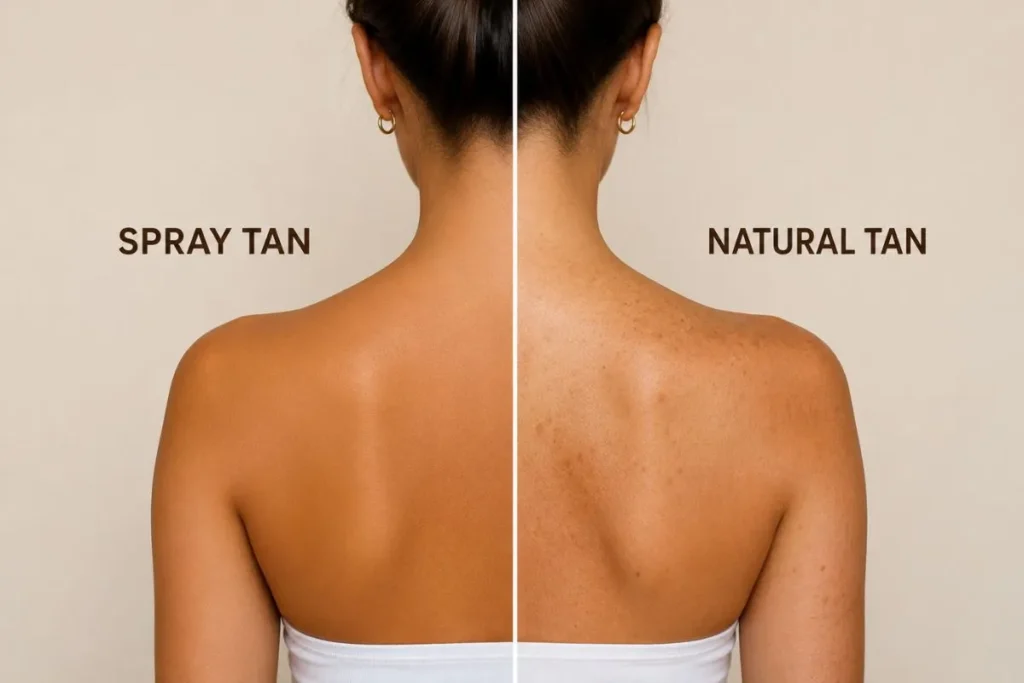
A spray tan works completely differently.
The tanning solution reacts with the outer layer of dead skin cells to create a bronzed appearance. Since it doesn’t affect your skin’s natural ability to block UV rays, you still need proper sun protection for spray tan every time you spend time outdoors.
Why UV Protection Still Matters
Without sunscreen, harmful UV rays can damage your skin in several ways.
They can cause painful sunburn, speed up the appearance of fine lines and wrinkles, create dark spots, and increase your risk of skin cancer.
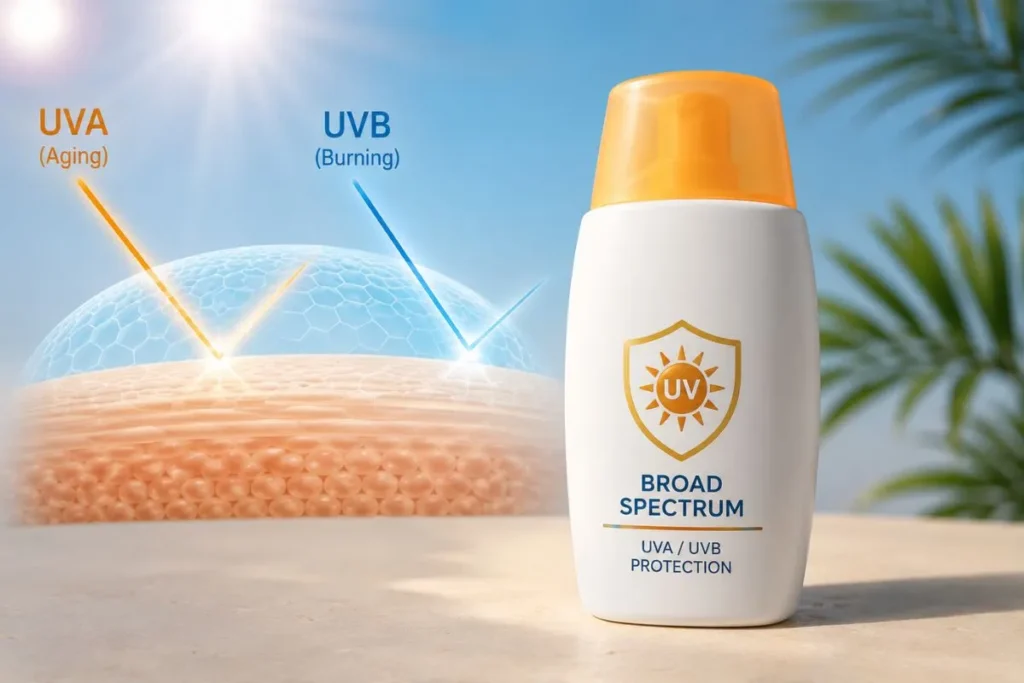
Using a broad-spectrum sunscreen protects your skin against both UVA rays, which contribute to premature aging, and UVB rays, which are responsible for sunburn.
Even on cloudy days, UV rays can penetrate through the clouds, making daily sun protection essential.
Does Sunscreen Make a Spray Tan Fade?
Not if you choose the right product.
A lightweight, hydrating spray tan safe sunscreen actually helps preserve your tan by preventing your skin from becoming excessively dry.
Dry skin sheds faster, and because a spray tan sits on the outer layer of your skin, faster shedding means your tan fades more quickly.
Keeping your skin moisturized is one of the easiest ways to enjoy a long-lasting spray tan.
What Makes a Sunscreen Safe for Spray Tans?
Not every sunscreen is ideal for freshly spray-tanned skin.
Some products contain drying alcohols or heavy oils that may affect how evenly your tan fades. Others leave a thick white cast or feel sticky, making them uncomfortable to wear.
Here are the features you should look for when choosing the best SPF for spray tan.
Broad-Spectrum Protection
Always choose a broad-spectrum sunscreen.
This means the sunscreen protects your skin against both UVA and UVB rays. Broad-spectrum formulas help reduce sun damage while keeping your skin healthier over time.
It’s one of the most important features to look for in any spray tan sunscreen.
SPF 30 or SPF 50
Many people wonder whether they should choose SPF 30 or SPF 50.
For everyday activities, SPF 30 for spray tan provides excellent protection by blocking the majority of UVB rays.
If you’ll be spending long hours outdoors, relaxing at the beach, hiking, or enjoying a summer vacation, SPF 50 for spray tan offers additional protection and is often the better choice.
No matter which SPF you choose, remember to reapply it every two hours when you’re outside.
Lightweight Formula
Heavy sunscreens can sometimes feel greasy and uncomfortable, especially during warm weather.
A lightweight sunscreen lotion absorbs quickly into the skin without leaving a thick residue. It feels more comfortable to wear every day and is less likely to interfere with your spray tan’s appearance.
Lightweight formulas are especially popular for people with oily or combination skin.
Hydrating Ingredients
Hydrated skin keeps a spray tan looking smoother for longer.
Look for a hydrating sunscreen that contains ingredients such as hyaluronic acid, glycerin, aloe vera, ceramides, or vitamin E.
These ingredients help lock in moisture and slow down the natural shedding process that causes spray tans to fade.
Alcohol-Free Formula
Some sunscreens contain high amounts of alcohol that can dry out your skin.
Dry skin sheds more quickly, causing your spray tan to lose its even color sooner.
Choosing a sunscreen without alcohol helps maintain hydration while supporting better spray tan longevity.
Non-Greasy Texture
Nobody enjoys wearing sunscreen that feels thick or sticky.
A non-greasy sunscreen spreads easily across the skin, absorbs quickly, and leaves behind a comfortable finish without making your skin feel oily.
This makes it much easier to wear sunscreen every day while preserving the appearance of your spray tan.
How to Know You’ve Chosen the Right Sunscreen
A good sunscreen for spray tan should protect your skin without affecting the even color of your tan.
It should provide broad-spectrum protection, contain at least SPF 30, feel lightweight, include moisturizing ingredients, and avoid drying alcohols whenever possible.
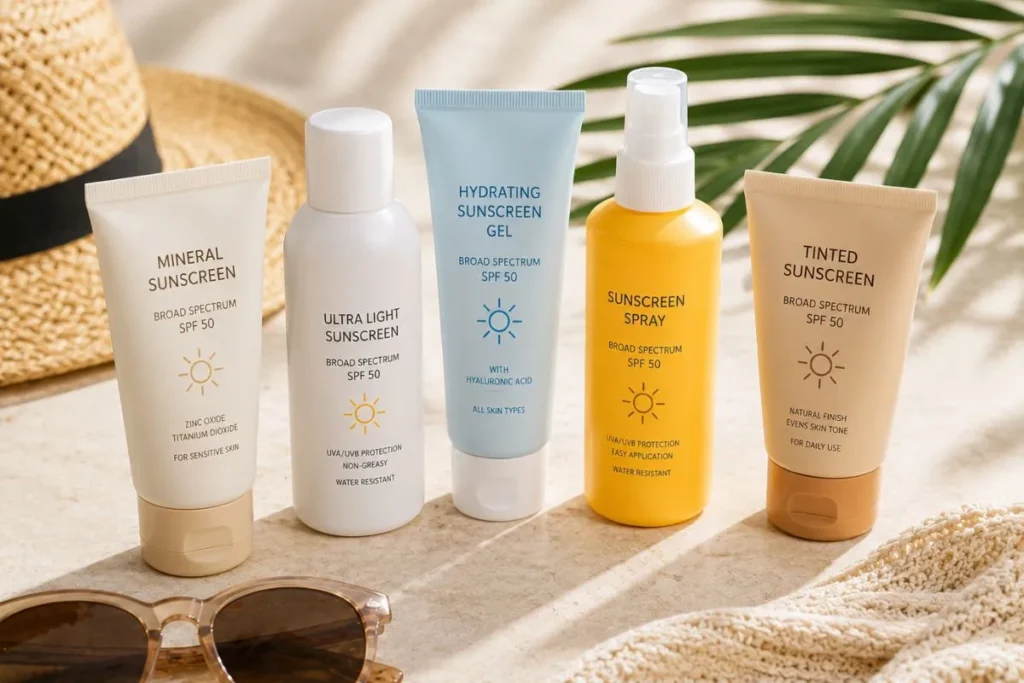
If your sunscreen keeps your skin hydrated, doesn’t leave streaks, and feels comfortable enough to wear every day, you’ve likely found a product that fits perfectly into your spray tan aftercare routine.
In the next section, you’ll learn how to choose the best sunscreen for spray tan based on your skin type, compare mineral and chemical sunscreens, understand which ingredients to look for, and discover which formulas work best for sensitive, oily, and dry skin.
How to Choose the Best Sunscreen for Spray Tan
Many people think that all sunscreens work the same way. That’s far from the truth. While every sunscreen is designed to protect your skin from harmful UV rays, not every formula is suitable for maintaining a spray tan.
Some products contain ingredients that dry out your skin, while others may feel too heavy or greasy. Choosing the best sunscreen for spray tan means finding a product that protects your skin without shortening the life of your tan.
If you’re wondering how to choose the best sunscreen for spray tan, the following factors will help you make the right decision.
Mineral vs Chemical Sunscreen
One of the first choices you’ll need to make is between mineral and chemical sunscreen.
Mineral Sunscreen for Spray Tan
A mineral sunscreen for spray tan uses ingredients like zinc oxide or titanium dioxide to create a protective barrier on the surface of your skin. These minerals reflect UV rays away from the skin before they can cause damage.
Mineral sunscreens are usually a great option for people with sensitive skin because they’re less likely to cause irritation. They also start protecting your skin immediately after application.
The only downside is that some mineral formulas can leave a slight white cast, although many newer products are designed to blend much better than older versions.
Chemical Sunscreen for Spray Tan
A chemical sunscreen for spray tan works differently. Instead of sitting on top of your skin, it absorbs UV rays and converts them into heat before releasing them from the body.
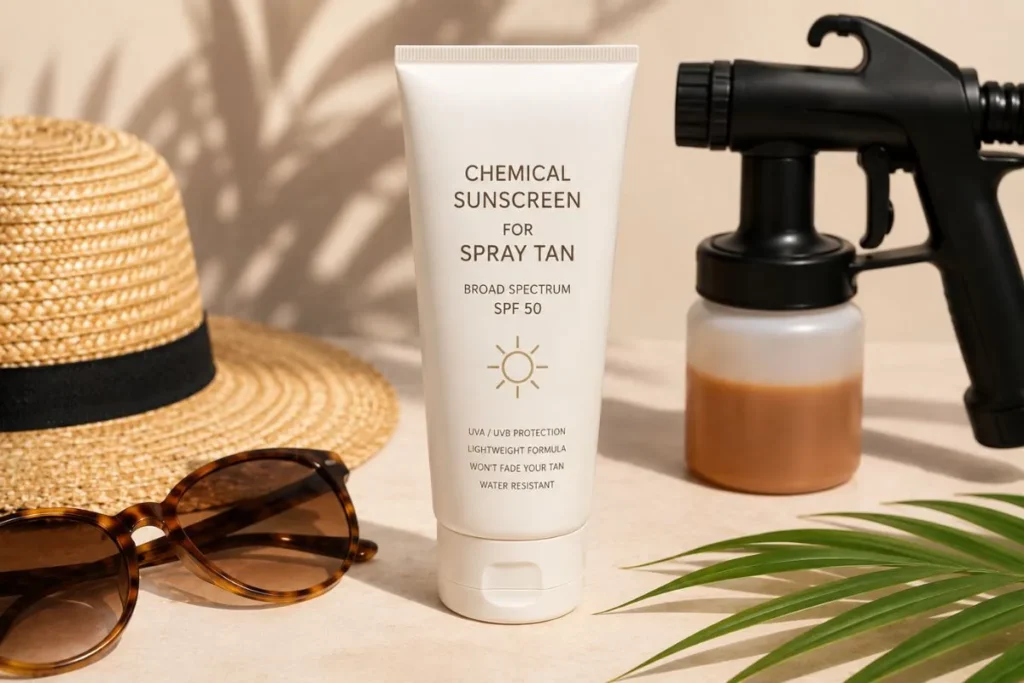
These sunscreens are often lightweight, invisible on the skin, and easy to spread evenly. They’re a popular choice for everyday use because they don’t usually leave any visible residue.
Both mineral and chemical sunscreens can work well with a spray tan. The best choice depends on your skin type, personal preference, and how your skin reacts to different ingredients.
Lotion vs Spray Sunscreen
Another important decision is choosing the type of sunscreen.
Lotion Sunscreen
A lotion is often considered the most reliable option because it provides even coverage and is easier to control during application.
A quality lightweight sunscreen lotion absorbs well without leaving your skin feeling sticky. It’s also less likely to be applied unevenly, making it an excellent choice for preserving a flawless spray tan.
Spray Sunscreen
Spray sunscreens are popular because they’re quick and convenient, especially when you’re outdoors.
They’re useful for covering larger areas like your back, shoulders, and legs. However, they should always be sprayed generously and rubbed in gently to ensure complete coverage.
If you’re using a spray sunscreen after getting a spray tan, avoid rubbing your skin too aggressively. Gentle application helps maintain an even finish.
Water-Resistant vs Waterproof Sunscreen
Many people believe waterproof sunscreen lasts all day without needing to be reapplied.
That’s actually a myth.
No sunscreen is completely waterproof.
Instead, you’ll find products labeled as water-resistant. These formulas continue protecting your skin for a limited period while swimming or sweating.
If you’re heading to the beach, spending time by the pool, or planning outdoor activities, choosing the best waterproof sunscreen for spray tan—which is actually a water-resistant sunscreen—is a smart choice.
Even water-resistant sunscreens need to be reapplied after swimming, towel drying, or excessive sweating.
Following these recommendations helps protect both your skin and your spray tan.
Sunscreen for Sensitive Skin
Sensitive skin requires a little extra care.
If your skin reacts easily to fragrances, alcohol, or harsh chemicals, look for the best sunscreen for spray tan and sensitive skin that contains soothing ingredients and avoids unnecessary irritants.
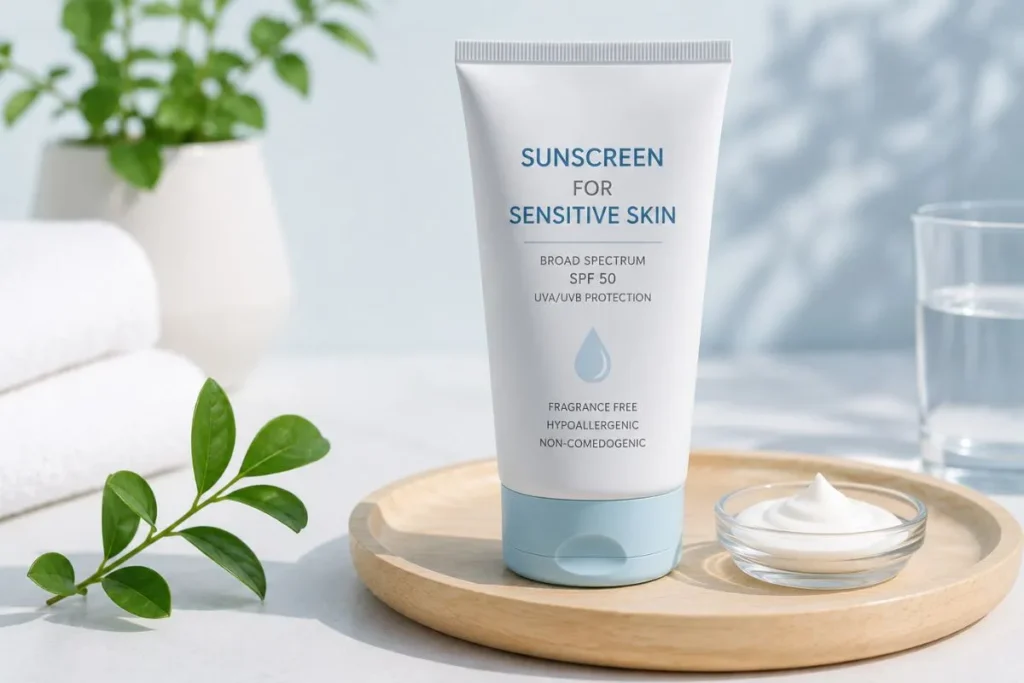
The ideal sunscreen should be fragrance-free, alcohol-free, non-comedogenic, and dermatologist-tested. These features help minimize irritation while keeping your spray tan looking smooth and even.
Many people with sensitive skin also prefer mineral sunscreen for spray tan because ingredients like zinc oxide are naturally gentle and less likely to trigger redness or irritation.
Choosing a lightweight, hydrating formula can also help protect your skin while extending the life of your spray tan.
Ingredients to Look For
Reading the ingredient label is one of the easiest ways to choose a high-quality spray tan safe sunscreen.
Some ingredients not only protect your skin but also help your spray tan last longer.
Zinc Oxide
Zinc oxide provides broad-spectrum UV protection and is suitable for almost every skin type, including sensitive skin.
Titanium Dioxide
Titanium dioxide is another mineral sunscreen ingredient that protects your skin from UV damage while remaining gentle on the skin.
Hyaluronic Acid
Hyaluronic acid attracts moisture to the skin, helping prevent dryness that can make a spray tan fade more quickly.
Glycerin
Glycerin helps lock moisture into the skin, keeping your spray tan looking smoother and more even.
Vitamin E
Vitamin E is a nourishing antioxidant that supports healthy skin while protecting it from environmental stress.
Ceramides
Ceramides strengthen your skin barrier and help reduce moisture loss, making them an excellent addition to any hydrating sunscreen.
Choosing products with these ingredients supports healthier skin while improving spray tan longevity.
3.6 Ingredients to Avoid
Just as important as knowing what to look for is knowing what to avoid.
Certain ingredients may dry out your skin or cause your spray tan to fade unevenly.
High Amounts of Alcohol
Alcohol-based formulas can leave your skin feeling dry and increase the rate at which dead skin cells shed.
Choosing a sunscreen without alcohol helps maintain hydration and preserve your tan.
Heavy Mineral Oils
Very oily products can sometimes interfere with your spray tan’s appearance and leave your skin feeling greasy.
Lightweight formulas are usually a better option.
Strong Fragrances
Artificial fragrances may irritate sensitive skin, especially if you’ve recently had a spray tan.
Fragrance-free products are often a safer choice.
Harsh Exfoliating Acids
Ingredients designed to exfoliate the skin, such as strong AHAs or BHAs in high concentrations, can speed up skin cell turnover.
Since a spray tan sits on the outer layer of your skin, frequent exfoliation can cause it to fade much faster.
Which Sunscreen Is Right for You?
The best SPF for spray tan depends on your lifestyle and skin type.
If you have sensitive skin, a gentle mineral sunscreen may be the better choice. If you prefer a lightweight finish without any white cast, a chemical sunscreen could be more suitable.
For beach days or outdoor sports, choose a water-resistant formula with broad-spectrum protection. For everyday use, a lightweight lotion that contains hydrating ingredients will usually provide everything you need.
No matter which sunscreen you choose, consistency is more important than the brand itself.
Best Sunscreen for Spray Tan: Top Product Recommendations
Many people believe that any sunscreen will protect both their skin and their spray tan. Unfortunately, that’s not always the case. Some sunscreens contain drying alcohols or greasy ingredients that can make your tan fade unevenly.
The best sunscreen for spray tan should offer broad-spectrum UV protection while keeping your skin hydrated and your tan looking fresh.
Below are some of the best types of sunscreen to consider based on your needs.
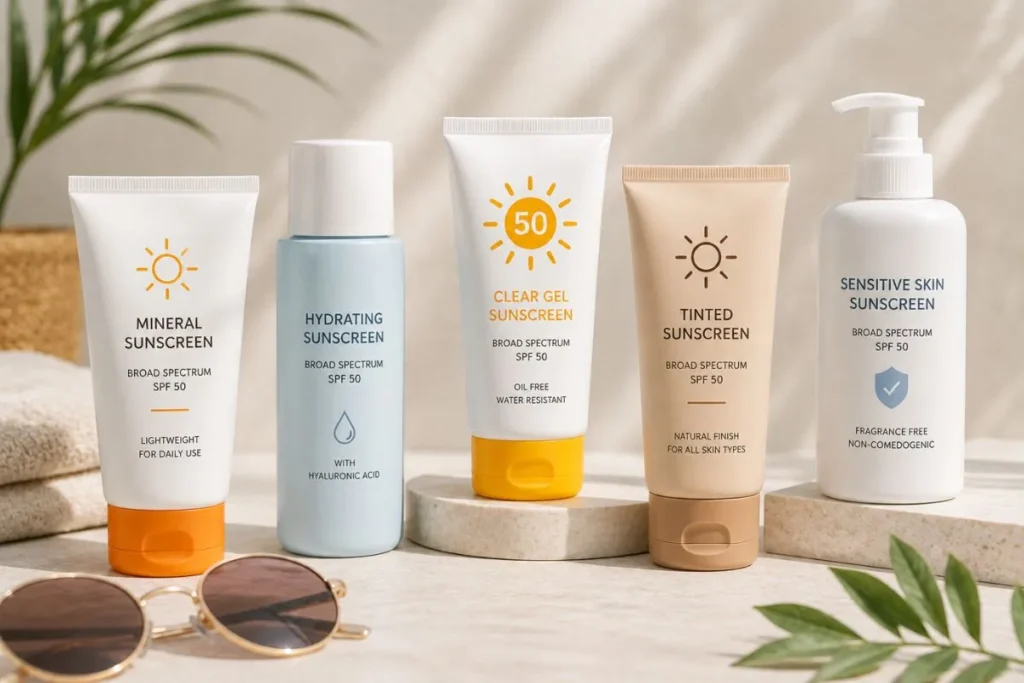
Best Overall Sunscreen
The best overall sunscreen for spray tan should provide broad-spectrum protection with at least SPF 30 while feeling lightweight on the skin.
It should also contain hydrating ingredients like glycerin, hyaluronic acid, or vitamin E to help keep your spray tan looking even for longer.
A non-greasy, fast-absorbing formula is ideal for daily use
Pros
Provides reliable UV protection, works for most skin types, hydrates the skin, and helps maintain your spray tan.
Cons
Premium formulas can be more expensive than basic sunscreens.
Best For
Everyday use and long-lasting spray tan protection.
Recommended SPF
SPF 30 or SPF 50.
Best Budget Pick
You don’t have to spend a fortune to protect your skin. Many affordable sunscreens contain the same active ingredients as high-end products. Look for a spray tan safe sunscreen that offers broad-spectrum protection without heavy oils or drying alcohol.
Pros
Affordable, easy to find, and suitable for everyday use.
Cons
Some budget options may have a thicker texture.
Best For
People looking for quality sun protection at a lower price.
Recommended SPF
SPF 30.
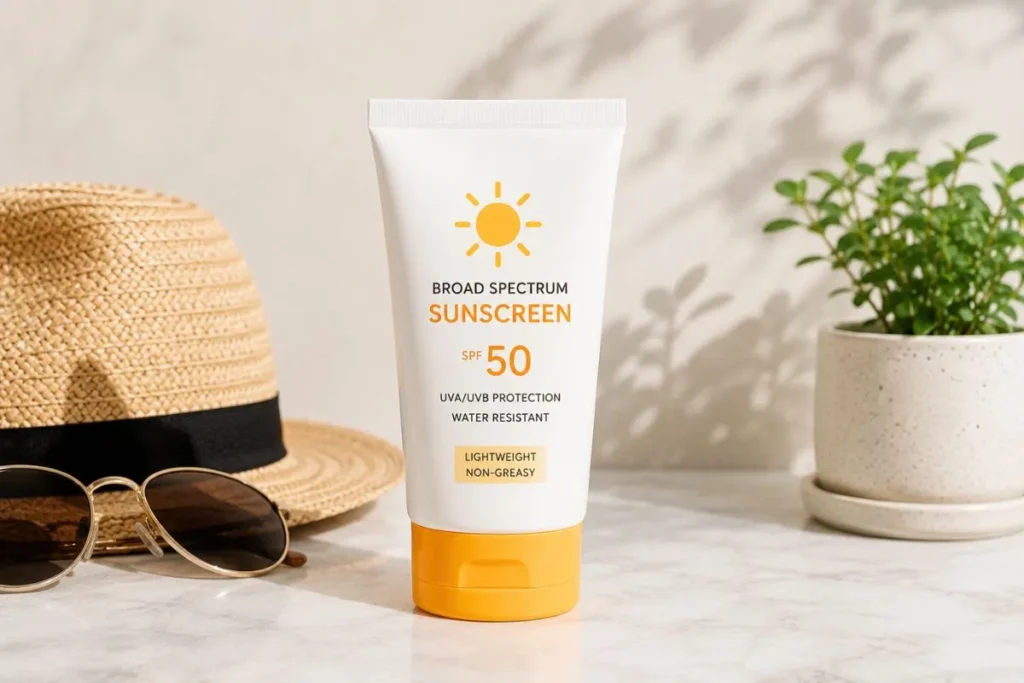
Best Face Sunscreen
The skin on your face is more delicate than the rest of your body, so it deserves a dedicated product. The best sunscreen for spray tan on the face should feel lightweight, absorb quickly, and avoid clogging pores.
Choose a non-comedogenic formula that layers well under makeup without leaving a greasy finish.
Pros
Lightweight, comfortable, and suitable for daily facial use.
Cons
Smaller bottles may require more frequent replacement.
Best For
Daily facial protection while preserving a facial spray tan.
Recommended SPF
SPF 30 or SPF 50.
Best Body Sunscreen
A body sunscreen should cover large areas easily while keeping your skin moisturized. Lotion formulas are often preferred because they provide even coverage and are less likely to leave missed spots.
A hydrating body sunscreen for spray tan can help reduce dryness and improve spray tan longevity.
Pros
Easy to apply, moisturizing, and ideal for full-body coverage.
Cons
Some lotions may take a little longer to absorb.
Best For
Daily body protection and outdoor activities.
Recommended SPF
SPF 30 or higher.
Best Waterproof Sunscreen
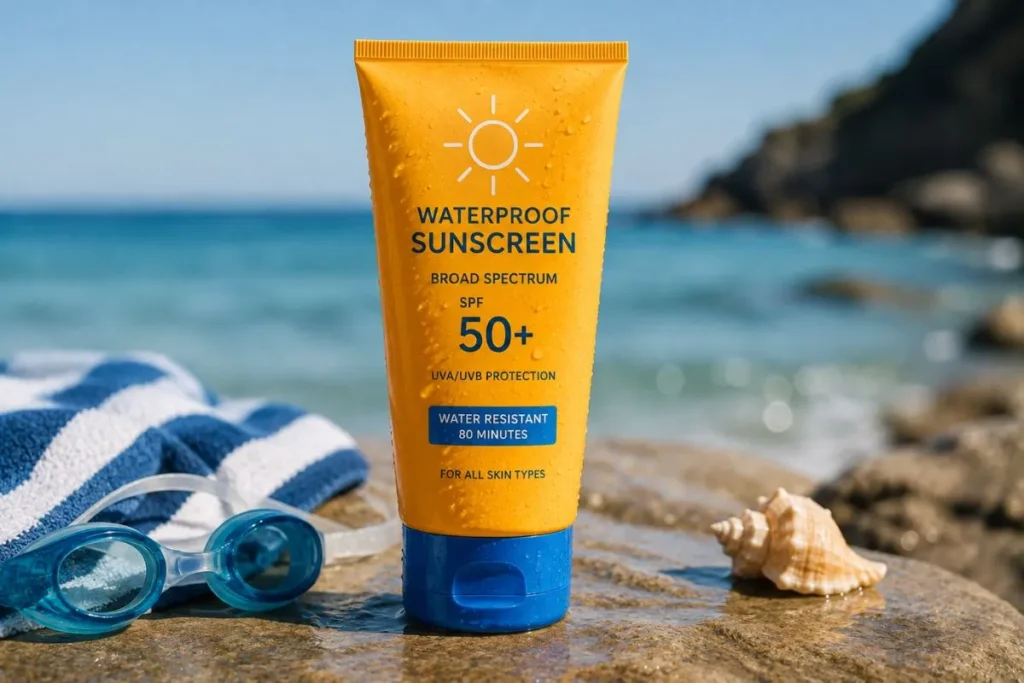
If you’re planning a beach trip or spending time around the pool, choose a water-resistant sunscreen. While no sunscreen is completely waterproof, water-resistant formulas stay effective longer during swimming and sweating.
The best waterproof sunscreen for spray tan should still be reapplied after swimming or towel drying.
Pros
Excellent for outdoor sports, beach days, and vacations.
Cons
Requires regular reapplication after water exposure.
Best For
Swimming, hiking, and outdoor activities.
Recommended SPF
SPF 50.
4.6 Best Mineral Sunscreen
A mineral sunscreen for spray tan uses ingredients like zinc oxide and titanium dioxide to protect the skin from UV rays. These formulas are often recommended for people with sensitive skin because they’re gentle and start working immediately after application.
Pros
Gentle on sensitive skin, broad-spectrum protection, and fragrance-free options are widely available.
Cons
Some formulas may leave a slight white cast.
Best For
Sensitive or easily irritated skin.
Recommended SPF
SPF 30 or SPF 50.
Best Sunscreen for Sensitive Skin
If your skin becomes irritated easily, choose a dermatologist recommended sunscreen for spray tan that is fragrance-free, alcohol-free, and non-comedogenic.
Hydrating ingredients like ceramides, aloe vera, and glycerin help soothe the skin while maintaining your spray tan.
Pros
Gentle, soothing, and reduces the risk of irritation.
Cons
Sensitive skin formulas may cost slightly more.
Best For
Sensitive, dry, or reactive skin.
Recommended SPF
SPF 30.
Best Lightweight Sunscreen
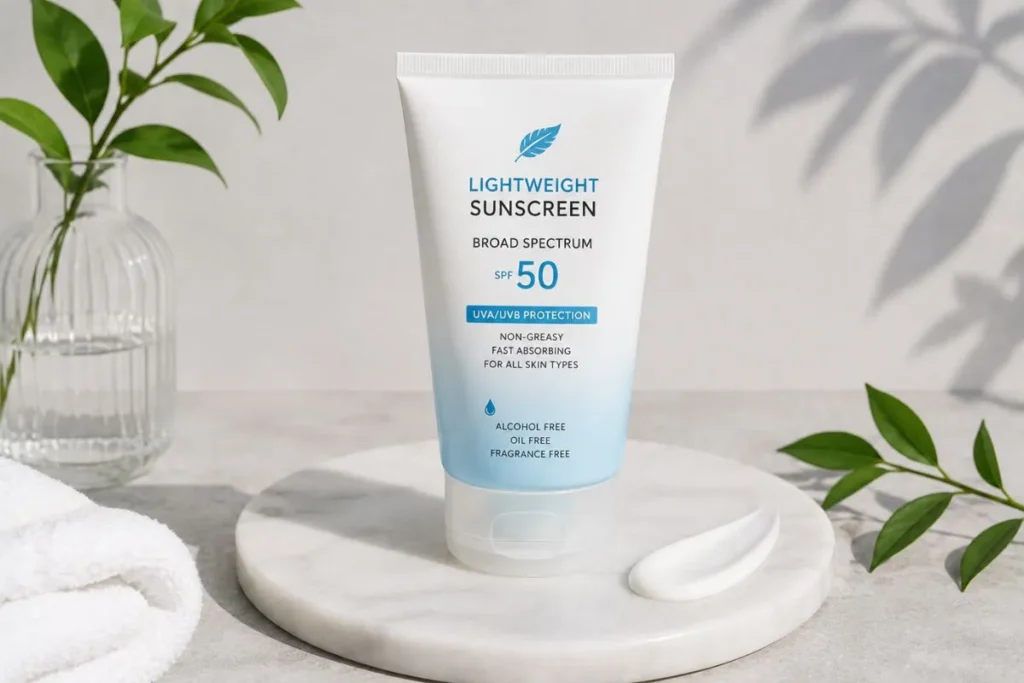
A lightweight sunscreen is ideal if you dislike thick or sticky products. These formulas absorb quickly, leave little to no residue, and feel comfortable even during hot weather.
They’re especially useful if you’re following a spray tan aftercare routine because they help protect your skin without making your tan feel heavy or greasy.
Pros
Fast-absorbing, comfortable, and suitable for daily use.
Cons
May need more frequent reapplication during extended sun exposure.
Best For
Oily skin, humid climates, and everyday wear.
Recommended SPF
SPF 30.
How to Pick the Right Sunscreen for Your Needs
The best sunscreen depends on your lifestyle and skin type. If you spend most of your day indoors, a lightweight SPF 30 lotion may be enough. If you enjoy outdoor activities or vacations, a water-resistant SPF 50 offers extra protection.
People with sensitive skin usually benefit from mineral formulas, while those with oily skin often prefer lightweight chemical sunscreens.
No matter which product you choose, make sure it provides broad-spectrum protection and keeps your skin hydrated. Healthy, moisturized skin helps your spray tan last longer and fade more evenly.
Can You Wear Sunscreen After a Spray Tan?
Many people believe they shouldn’t wear sunscreen after getting a spray tan because it will instantly fade the color. That’s simply not true. In fact, wearing the right sunscreen for spray tan is one of the best ways to protect your skin and help your tan look fresh for longer.
The key is knowing when to apply it and how to use it correctly.
Can You Wear Sunscreen After a Spray Tan?
Yes, you absolutely can.
A spray tan only gives your skin a bronzed appearance. It does not provide protection from harmful UV rays. That’s why applying the best sunscreen for spray tan is essential whenever you’re outdoors.
Choose a spray tan safe sunscreen that is lightweight, hydrating, and broad-spectrum. This helps protect your skin without affecting the appearance of your tan.
How Long Should You Wait Before Applying Sunscreen?
Timing matters.
After your spray tan appointment, allow the tanning solution enough time to fully develop. Most professionals recommend waiting at least 8 to 12 hours before showering or applying lotions and other skincare products.
Once you’ve completed your first rinse and your tan has fully developed, it’s safe to apply sunscreen as part of your daily spray tan aftercare routine.
What’s the Best Way to Apply Sunscreen?
Apply sunscreen gently instead of rubbing it aggressively into your skin.
Use smooth, even strokes to spread the product over your body. This helps maintain an even-looking tan while ensuring your skin receives full UV protection.
If you’re using a lotion, allow it to absorb naturally before getting dressed. If you prefer a spray formula, spray generously and blend it in lightly with clean hands.
How Often Should You Reapply Sunscreen?
Even the best SPF for spray tan won’t protect your skin all day.
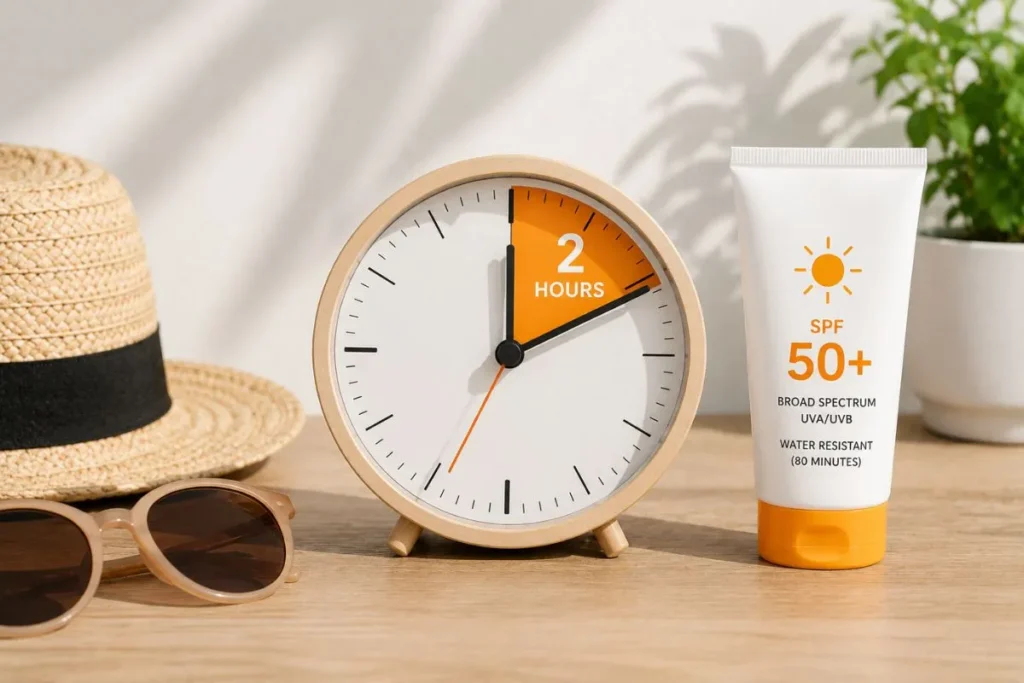
Reapply sunscreen every two hours when you’re outdoors. You should also reapply after swimming, excessive sweating, or towel drying, even if the sunscreen is labeled water-resistant.
Regular reapplication keeps your skin protected while helping maintain a healthy-looking spray tan.
11.5 Will Sunscreen Make My Spray Tan Fade?
A quality sunscreen should not make your spray tan fade.
In fact, many hydrating sunscreens help your tan last longer by preventing dry skin. Since a spray tan fades as dead skin cells naturally shed, keeping your skin moisturized can slow this process and promote a more even fade.
Avoid products that contain high amounts of alcohol or harsh exfoliating ingredients, as these can dry out the skin and shorten the life of your tan.
Which SPF Is Best After a Spray Tan?
For everyday wear, SPF 30 provides excellent protection for most people.
If you’ll be spending extended time outside, such as at the beach, pool, or during outdoor sports, SPF 50 offers extra protection against UV rays.
No matter which SPF you choose, make sure it provides broad-spectrum protection against both UVA and UVB rays.
Common Mistakes to Avoid
Many people accidentally shorten the life of their spray tan by making a few simple mistakes. Applying sunscreen before the spray tan has fully developed, rubbing the product into the skin too aggressively, forgetting to reapply SPF, or choosing products with drying alcohol can all affect your results.
Using a gentle, moisturizing spray tan sunscreen and applying it correctly will help keep both your skin and your tan in great condition.
Frequently Asked Questions (FAQs)
What is the best sunscreen for spray tan?
The best sunscreen for spray tan is one that offers broad-spectrum protection, has at least SPF 30, and contains hydrating ingredients like glycerin, hyaluronic acid, or vitamin E. A lightweight, non-greasy, and spray tan safe sunscreen helps protect your skin without causing your tan to fade unevenly.
Will sunscreen make my spray tan fade?
No. Sunscreen itself does not fade a spray tan. In fact, a moisturizing sunscreen for spray tan helps keep your skin hydrated, allowing your tan to fade more evenly. Products with high amounts of alcohol or harsh exfoliating ingredients are more likely to shorten the life of your tan.
Can I use SPF 50 on a spray tan?
Yes. SPF 50 for spray tan is an excellent choice if you’ll be spending long periods outdoors, such as at the beach, pool, or during outdoor activities. It provides extra protection against UV rays while helping keep your skin healthy.
Is mineral sunscreen better than chemical sunscreen?
Both options work well, but the right choice depends on your skin type. A mineral sunscreen for spray tan is usually better for sensitive skin because it contains gentle ingredients like zinc oxide and titanium dioxide. A chemical sunscreen for spray tan is often lighter, absorbs quickly, and leaves no white cast.
How often should I reapply sunscreen?
Reapply sunscreen every two hours whenever you’re outdoors. You should also reapply after swimming, heavy sweating, or drying off with a towel, even if you’re using a water-resistant formula. Regular reapplication ensures continuous UV protection.
Can I swim after applying sunscreen on a spray tan?
Yes, but make sure you’re using a water-resistant sunscreen and allow it to absorb into your skin before entering the water. After swimming, gently pat your skin dry instead of rubbing it, then reapply sunscreen to maintain protection and help preserve your spray tan.
Which ingredients should I avoid?
Avoid sunscreens with high amounts of alcohol, heavy mineral oils, strong artificial fragrances, and harsh exfoliating acids. These ingredients may dry out your skin or cause your spray tan to fade more quickly. Instead, choose a hydrating sunscreen with skin-friendly ingredients.
Does sunscreen prevent a spray tan from developing?
No. Sunscreen does not stop a spray tan from developing as long as you wait until the recommended development time has passed. Most spray tans need 8 to 12 hours before you shower or apply skincare products. After your first rinse, you can safely use sunscreen every day as part of your spray tan aftercare routine.
Conclusion:
A beautiful spray tan shouldn’t come at the expense of healthy skin. The truth is, you don’t have to choose between protecting your skin and maintaining your bronzed glow. By using the best sunscreen for spray tan, you can enjoy both.
Choose a broad-spectrum sunscreen with at least SPF 30, and look for lightweight, hydrating formulas that won’t dry out your skin. Ingredients like hyaluronic acid, glycerin, ceramides, and vitamin E help keep your skin moisturized, allowing your spray tan to fade evenly and last longer.
It’s also important to follow a proper spray tan aftercare routine. Wait until your spray tan has fully developed before applying sunscreen, moisturize daily, avoid harsh exfoliants, wear loose-fitting clothing, and reapply sunscreen every two hours whenever you’re outdoors. These simple habits can make a big difference in preserving your tan.
Remember, a spray tan only gives your skin a bronzed appearance it does not provide protection from harmful UV rays. That’s why wearing a spray tan safe sunscreen every day is essential, whether you’re running errands, relaxing by the pool, or enjoying a beach vacation.
With the right sunscreen and a little consistency, you can protect your skin from sun damage while keeping your tan looking smooth, natural, and radiant. Investing in the best sunscreen for spray tan is one of the easiest ways to enjoy long-lasting color and healthier skin at the same time.
We hope this guide has helped you choose the right sunscreen and understand how to care for your spray tan properly. Explore our other skincare guides for more expert tips on maintaining glowing, healthy skin all year round.

Name: Shahzadi
I’m passionate about skincare, beauty, and simple self-care. I share practical skincare tips, beauty routines, product insights, and easy ways to build healthy-looking, glowing skin.
My goal is to make beauty and skincare easier to understand, so you can discover routines that fit your everyday life.


