

Have you ever dyed your hair and ended up with a colour you did not like? Maybe the shade looks too dark, too bright, or completely different from what you expected.
If you are wondering, how do I strip colour from my hair, the good news is that several methods may help you remove or fade unwanted hair dye.
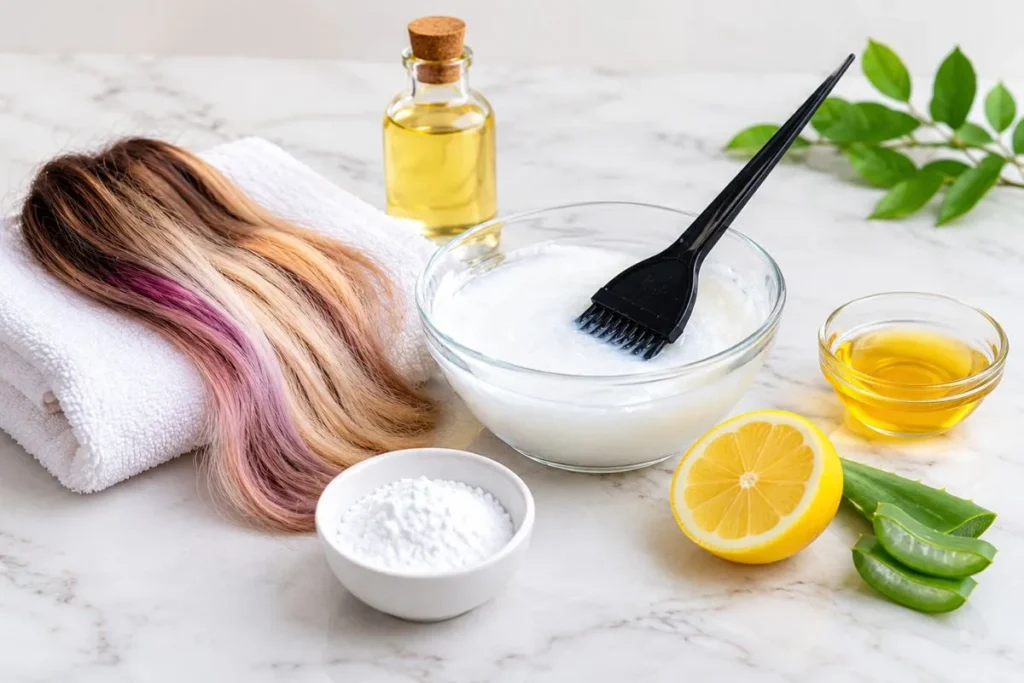
The right method depends on the type of hair dye you used, your natural hair colour, and the condition of your hair. Some temporary and semi-permanent colours fade with washing, while permanent hair dye may require a dedicated colour remover or professional treatment.
You do not always need bleach to remove unwanted colour. However, choosing the wrong method can leave your hair dry, fragile, or unevenly coloured. In this guide, you will learn how to strip colour from your hair safely, explore options for removing different types of dye, and discover how to care for your hair afterward.
What Does It Mean to Strip Colour From Your Hair?
Stripping colour from your hair means removing or reducing unwanted artificial hair dye. The process depends on the type of dye you used and your hair’s condition. Understanding how hair colour removal works can help you choose a suitable method and avoid unnecessary damage.
How Does Hair Colour Removal Work?
Different removal methods work in different ways. Clarifying shampoo may help fade some colours by washing away loose pigment. Specialised hair colour removers are designed to reduce certain artificial pigments, particularly those from permanent oxidative dyes.
Some methods only fade the colour gradually, while others can reduce more stubborn artificial pigment. The result may still look warmer or lighter than your original shade.
What Is the Difference Between Fading and Stripping Hair Colour?
Fading happens gradually as colour becomes less noticeable through washing and normal wear. This may work well for temporary or some semi-permanent dyes.
Stripping usually refers to using a product or treatment specifically intended to remove or reduce artificial hair colour. It may produce a more noticeable change, but the results depend on the dye formula and the removal method.
Can You Return to Your Natural Hair Colour?
Not always. Removing artificial dye does not guarantee that your natural hair colour will return completely. Permanent colouring can affect your hair’s natural pigment, and the removal process may reveal red, orange, yellow, or brassy tones.
If your goal is to achieve a natural-looking shade again, you may need professional colour correction after removing the dye.
Understanding these differences will help you choose the right method and avoid treatments that may not suit your hair.
What Should You Know Before Removing Hair Dye?
Before removing unwanted hair colour, understand which type of dye you used, the condition of your hair, and the result you want to achieve. Taking these steps can help you choose a suitable method and reduce the risk of dryness, breakage, or uneven colour.
Identify the Type of Hair Dye
Temporary, semi-permanent, and permanent hair dyes behave differently during colour removal. Temporary dye usually fades after a few washes, while semi-permanent colour may take longer to disappear. Permanent hair dye can be more difficult to remove because its colour develops inside the hair shaft.
Your colouring history also matters. If you have used dark box dye several times, removing the accumulated artificial pigment may be more challenging than fading a single application. Check the product packaging if you are unsure which type of dye you used.
Check Your Hair Condition
Your hair’s condition should guide your choice of colour removal method. If your hair feels unusually dry, breaks easily, or has already been bleached several times, another chemical treatment may cause additional damage.
Hair that has been coloured repeatedly may also respond unevenly because different sections can have different levels of damage and pigment buildup. If you notice significant breakage or fragile ends, consult a professional colourist before attempting to strip the colour at home.
Decide What Result You Want
Think about your desired result before choosing a treatment. Do you want to fade a shade that looks slightly too dark, remove vivid fashion colour, or move from black hair dye to a much lighter brown?

A small colour adjustment may require a different approach from a major transformation. Also, remember that removing artificial dye does not always restore your natural hair colour. You may notice warm, red, orange, or brassy tones after the colour has been reduced.
Having a realistic goal can help you avoid repeating treatments in an attempt to achieve an exact shade in one session.
Understand the Risks of Hair Colour Removal
Hair colour removal can sometimes leave your hair dry, rough, uneven, or more fragile. Some products may also irritate your scalp, particularly if you have sensitive skin or use them incorrectly.
Another common issue is unexpected colour. A remover may reduce artificial pigment but reveal warm undertones underneath. This does not necessarily mean the product has failed; it may simply mean that additional colour correction is needed.
Always read the manufacturer’s instructions and perform the recommended strand test and allergy test. Never mix hair colour removers with bleach or household ingredients unless the product instructions specifically permit it.
If you have a sensitive scalp, heavily damaged hair, or several layers of dark dye, professional advice is often the safer choice.
By understanding your dye type, checking your hair’s condition, and setting a realistic goal, you can make a more informed decision about how to strip colour from your hair without unnecessary damage.
How Do I Strip Colour From My Hair? Effective Methods
If you’re wondering how do I strip colour from my hair, the best method depends on the dye you used and how much colour you want to remove. Some treatments help fade artificial pigment gradually, while others are designed to reduce stubborn permanent hair dye.
Choosing the right option can help you avoid unnecessary damage and achieve a more manageable result.
Use a Hair Colour Remover for Permanent Dye
A dedicated hair colour remover can be a useful option if you’ve used permanent oxidative hair dye and want to reduce the artificial colour. These products are designed to target certain artificial dye molecules, allowing them to be rinsed away according to the product instructions.
Before using one, check that the product is suitable for your particular dye and hair history. Some removers may not work on direct dyes, henna, or certain other colour treatments. Follow the directions carefully, complete the required tests, and rinse thoroughly as instructed.
Keep your expectations realistic. A colour remover may leave your hair warmer or lighter than before, and it may not restore your original natural shade completely.
Use Clarifying Shampoo to Fade Hair Colour
Clarifying shampoo may help fade some unwanted hair colours, especially when the dye is temporary or semi-permanent. It removes product buildup and can wash away some loose colour, making the shade appear less intense over time.
Choose a shampoo that suits your hair type and follow the label directions. Clarifying shampoo is not a reliable way to remove permanent hair dye completely, so don’t expect it to erase stubborn dark colour in one wash.
Avoid washing your hair excessively to speed up the process. Too much cleansing can strip away natural oils and leave your hair feeling dry. Follow with a suitable conditioner to help keep your strands manageable.
Try a Vitamin C Treatment With Caution
Some people use crushed vitamin C tablets mixed with shampoo to help fade unwanted hair dye. However, results vary, and there is limited reliable evidence that this DIY method consistently removes artificial colour.
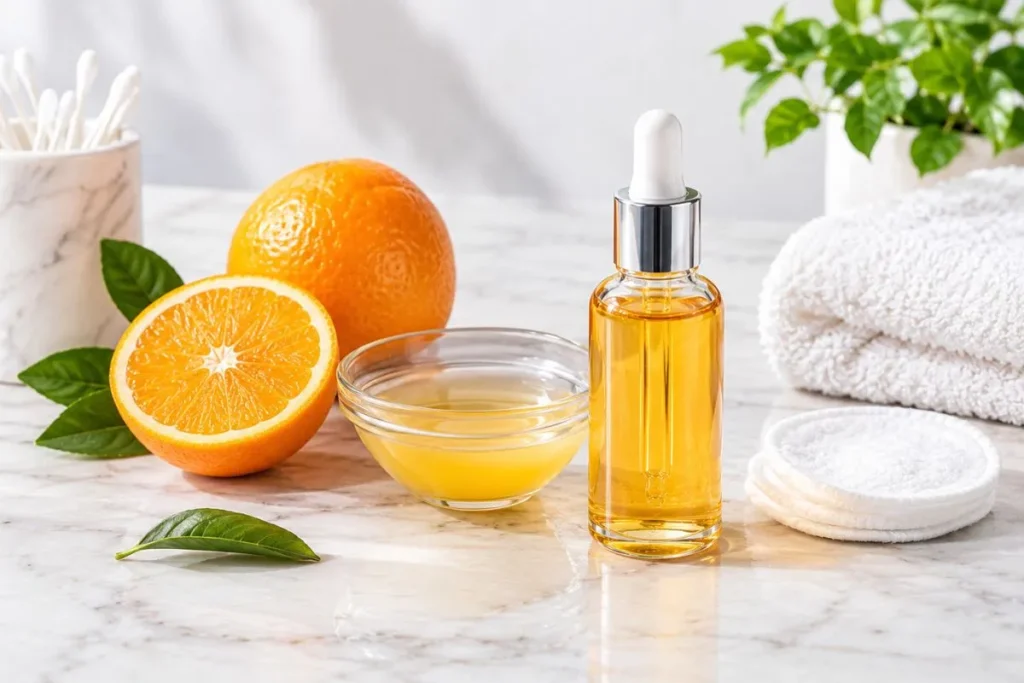
Vitamin C treatments may leave your hair dry or irritate your scalp, particularly if your hair is already damaged. If you decide to try any DIY colour-fading method, check whether it is appropriate for your hair, avoid applying irritating mixtures to your scalp, and stop if you experience discomfort.
For stubborn permanent dye, a product specifically formulated for colour removal is generally a more predictable option than relying on a homemade mixture.
Be Careful With Baking Soda Methods
Baking soda is sometimes suggested as a home remedy for fading hair dye, but it is not a dependable way to remove permanent colour. Its alkaline nature can affect the hair’s surface and may leave strands feeling rough or dry, especially when combined with other harsh ingredients.
Avoid mixing baking soda with bleach, peroxide, dish soap, or other household products to create a stronger treatment. Such combinations can increase the risk of irritation and hair damage without guaranteeing better colour removal.
If your goal is to remove unwanted dye, choose a method intended for the type of colour you used instead of relying on an aggressive DIY mixture.
Let Semi-Permanent Hair Colour Fade Gradually
If you used temporary or semi-permanent dye, waiting for the colour to fade may be the simplest option. Many shades become less intense with regular washing, although the time required depends on the formula, shade, and condition of your hair.
Maintain your usual washing routine and use products suited to your hair. Some vivid colours, including red, blue, and purple, may leave a tint even after fading, so gradual washing may not remove every trace of colour.
This approach works best when you don’t need an immediate change. If the colour remains stubborn or you want a specific new shade, consider a suitable colour-removal product or consult a professional.
Visit a Professional Hair Colourist
A professional colourist can assess your hair history, identify potential problems, and recommend a removal method based on your desired result. This can be especially helpful if you’ve applied several layers of dark box dye, used vivid colours, or experienced uneven results.
A colourist may recommend a suitable remover, a controlled colour-correction service, or a gradual plan to reach your preferred shade. Professional advice is also valuable if your hair is fragile or has been chemically treated multiple times.
Although salon treatments may cost more than DIY methods, professional assessment can help you avoid repeated experiments that leave your hair damaged or difficult to manage.
Consider Professional Lightening Only When Appropriate
Sometimes, removing artificial colour is not enough to achieve the lighter shade you want. A professional may recommend a lightening service when the goal requires lifting remaining pigment, particularly after dark permanent dye.
Lightening is different from using a colour remover, and it can place additional stress on your hair. The right choice depends on your hair’s condition, previous treatments, and how dramatic a change you want.
Avoid applying bleach immediately after an unsuccessful DIY removal attempt without understanding the product instructions and your hair’s condition. If your hair is breaking, feels gummy when wet, or is severely damaged, seek professional advice before considering another chemical service.
How to Strip Colour From Hair Without Bleach
Many people believe bleach is the only way to remove unwanted hair colour, but that isn’t always true. Depending on the dye formula, a dedicated colour remover or gradual fading may help reduce artificial pigment without using bleach.
The key is to understand what you applied to your hair and choose a method that suits your needs.

If you’re wondering how do I strip colour from my hair without bleach, start by identifying whether your hair colour is temporary, semi-permanent, or permanent. Each type responds differently to removal treatments, so one method may work well for one shade but have little effect on another.
Choose a Dedicated Hair Colour Remover
A dedicated hair colour remover may help reduce artificial pigment from certain permanent oxidative hair dyes. These products are formulated to target specific dye molecules and allow them to be rinsed out according to the manufacturer’s instructions.
Before choosing a product, check that it is suitable for your dye type and previous hair treatments. Some removers are not designed for direct dyes, henna, or hair that has undergone certain chemical services.
For example, if your brown hair has become too dark after colouring, a suitable remover may help reduce some artificial pigment. However, your hair may look warmer or lighter afterward rather than returning to its original shade.
Always follow the product directions, including testing and rinsing requirements. Leaving a remover on longer than recommended will not necessarily improve the result.
Try Gradual Fading for Suitable Hair Colours
If you’ve used temporary or semi-permanent hair colour, gradual fading may be enough to soften the shade. Some dyes become less intense through regular washing, so you might not need a stronger treatment.
Continue your normal washing routine and use products suited to your hair type. Avoid excessive washing or harsh DIY mixtures to speed things up, as these approaches can leave your hair dry and difficult to manage.
Keep in mind that certain vivid shades, including red, blue, and purple, may leave a lingering tint even after they fade. This method is most suitable when you have time to wait and don’t need a dramatic colour change immediately.
Understand Why No-Bleach Methods Don’t Work for Every Shade
Removing hair dye without bleach does not guarantee complete colour removal. The outcome depends on the dye formula, the number of times you’ve coloured your hair, and how much artificial pigment remains in the strands.
A colour remover designed for permanent oxidative dye may not work well on direct dyes used for vivid shades. Likewise, clarifying shampoo may help fade some colours but usually cannot remove stubborn permanent dye completely.
Repeated applications of dark box dye can make colour removal more challenging. If you want to go from black hair to a much lighter shade, you may need professional colour correction rather than a single no-bleach treatment.
Remember that removing artificial pigment is not the same as restoring your natural colour. Warm, red, orange, or brassy tones may become visible after the dye is reduced.
Decide Which No-Bleach Method Suits Your Hair
Choose your method based on your current colour, the type of dye you used, and your desired result. If you have temporary dye, follow the product’s removal instructions and allow the colour to fade naturally when appropriate. For semi-permanent colour, gradual fading may help, depending on the formula and shade.
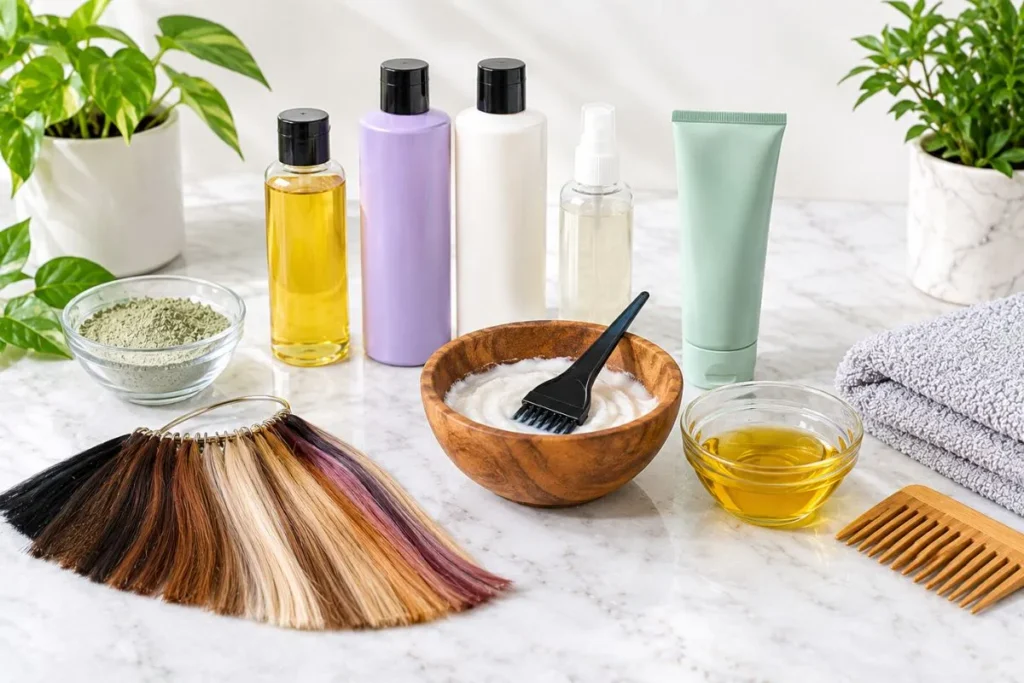
If you’ve used permanent brown or black dye, consider a dedicated remover specifically formulated for oxidative hair dye. For vivid colours, check whether you used a direct dye and select a product designed for that formula. If your hair is damaged or has been coloured repeatedly, seek professional advice before trying another chemical treatment.
Avoid choosing a method simply because it promises quick results. A gradual, manageable change is often preferable to an aggressive approach that leaves your hair fragile.
Prepare Your Hair Before Using a No-Bleach Colour Remover
Before applying a colour remover, check your hair’s condition and read the full product instructions. If your hair is severely damaged, breaking, or unusually fragile, consult a professional colourist before proceeding.
Complete the strand test and allergy test required by the manufacturer. A strand test helps you assess the likely colour result and how your hair responds, while an allergy test checks for a possible allergic reaction when required by the product instructions.
Never mix a colour remover with bleach, peroxide, baking soda, or other household ingredients unless the manufacturer explicitly directs you to do so. Follow the recommended application and rinsing steps, and don’t repeat the treatment sooner than advised.
After removing the colour, assess the results before deciding on your next step. If the shade looks uneven or you want a significant colour change, professional advice can help you avoid unnecessary damage.
Frequently Asked Questions About Stripping Hair Colour
How Do I Strip Colour From My Hair at Home?
You can start by identifying whether your hair dye is temporary, semi-permanent, or permanent. Clarifying shampoo may help fade some colours, while a dedicated hair colour remover may work better for certain permanent dyes.
Always follow product instructions and perform a strand test before treating your entire head.
Can I Strip Hair Colour Without Bleach?
Yes, some hair colours can be faded or removed without bleach. Clarifying shampoo may help with some semi-permanent dyes, while a colour remover designed for oxidative dye may help reduce certain permanent colours.
However, no-bleach methods cannot remove every shade completely or guarantee that your natural colour will return.
What Is the Best Way to Remove Permanent Hair Dye?
A dedicated hair colour remover formulated for permanent oxidative dye is often a suitable starting point. The results depend on the dye formula, how many times you have coloured your hair, and your hair’s condition. If you want a major colour change, consult a professional colourist to reduce the risk of uneven results and damage.
How Can I Remove Black Hair Dye Without Damaging My Hair?
Black hair dye can be particularly difficult to remove, especially if you have applied it repeatedly. A suitable colour remover may help reduce the artificial pigment, but it may not restore your original shade completely. Avoid repeated treatments or harsh DIY mixtures, and consider professional help if your hair feels dry, brittle, or weak.
Does Clarifying Shampoo Remove Hair Dye?
Clarifying shampoo can help fade some hair colours by removing product buildup and washing away a portion of loose colour. However, it usually cannot fully remove permanent hair dye. Frequent use may also dry out your hair, so use it carefully and follow with a suitable conditioner.
How Long Does It Take to Strip Colour From Hair?
The time depends on the type of dye, the removal method, and your hair’s history. Some temporary colours fade after several washes, while permanent dye may require a dedicated remover or professional colour correction.
Avoid repeating treatments too quickly just because the first attempt does not give you the desired result.
Will My Natural Hair Colour Return After Removing Dye?
Not always. Removing artificial pigment does not necessarily restore your natural hair colour. Permanent dye can alter the hair’s natural pigment, and colour removal may leave warm, orange, red, or brassy tones.
A colourist can assess your hair and recommend a suitable next step if you want a more natural-looking result.
Can I Colour My Hair Again After Using a Colour Remover?
It depends on the remover, your hair’s condition, and the instructions provided with the product. Some products allow recolouring after a specified waiting period, while others require additional precautions.
Read the instructions carefully, complete any recommended strand test, and avoid applying another chemical treatment if your hair feels weak or damaged.
Is Vitamin C Safe for Removing Hair Dye?
Vitamin C treatments are sometimes used to help fade certain artificial hair colours, but results vary and the method is not guaranteed to remove dye. It may leave your hair or scalp feeling dry or irritated. Avoid using it on an irritated scalp or already fragile hair, and stop immediately if you experience discomfort.
What Should I Do If My Hair Colour Looks Uneven After Removal?
Uneven colour can happen when different sections of your hair absorb dye differently or have different colouring histories. Avoid applying more remover or bleach immediately.
Use a gentle hair-care routine and consult a professional colourist who can assess the uneven areas and recommend a safer correction method.
Conclusion:
If you are wondering, how do I strip colour from my hair, the best approach depends on the type of dye you used, your hair’s condition, and the colour you want to achieve. Temporary and semi-permanent dyes may fade gradually, while permanent hair colour may require a dedicated colour remover or professional treatment.
You do not always need bleach to remove unwanted hair colour. Clarifying shampoo may help fade some shades, and a suitable colour remover may reduce certain artificial pigments. However, no single method works for every hair type or colour formula.
Before starting, check your hair’s condition, read the product instructions, and perform a strand test. Avoid harsh DIY mixtures and repeated chemical treatments, especially if your hair is already dry or damaged. If you have stubborn black dye, uneven colour, or want a dramatic change, a professional colourist can help you choose a safer option.
Remember, the goal is not just to remove unwanted colour but also to keep your hair manageable and healthy. Choose a method that suits your hair rather than rushing the process, and give your hair the care it needs after colour removal.

Name: Shahzadi
I’m passionate about skincare, beauty, and simple self-care. I share practical skincare tips, beauty routines, product insights, and easy ways to build healthy-looking, glowing skin.
My goal is to make beauty and skincare easier to understand, so you can discover routines that fit your everyday life.


Pingback: 25+How To Make Hair Colour Fade Faster: Powerful Tricks That Really Work
Pingback: 28+ Powerful Ways :How To Make Homemade Hair Colour Naturally At Home
Pingback: 34+How Do You Make Hair Dye Fade Faster Powerful Yet Safe Tips