
A lot of people think that greasy hair means you should stop using hair products altogether. That is not true. The wrong products can make oily hair look heavier, but the right hair products for greasy hair can help keep your scalp and hair looking fresh without adding unnecessary weight.
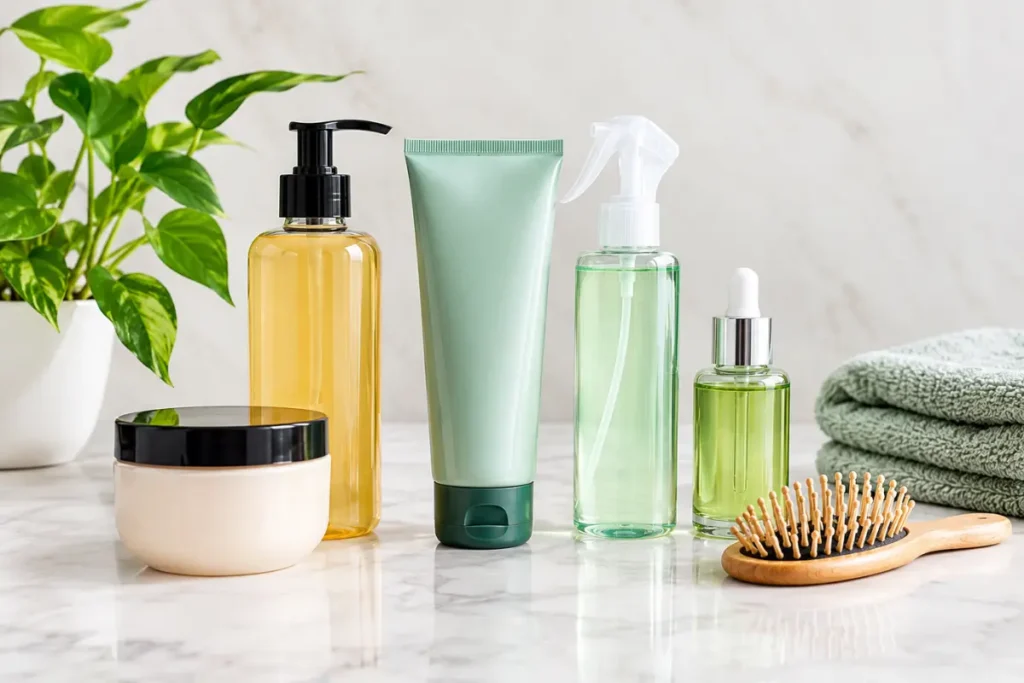
The key is choosing products that match your hair type and oil level. Whether you have greasy roots, fine hair, or oily hair with dry ends, a simple routine with lightweight products can make your hair easier to manage.
In this guide, we will look at the best hair products for greasy hair, including options for oily scalps, buildup, excess oil, and different hair types.
What Are the Best Hair Products for Greasy Hair?
The best hair products for greasy hair are not necessarily the strongest oil-control products. A good routine should clean excess oil, keep the hair manageable, and avoid leaving a heavy coating behind.
Lightweight shampoos, easy-to-rinse conditioners, dry shampoo, and suitable styling products can all have a place in a greasy hair care routine.
Your ideal products also depend on the reason your hair looks greasy. Someone with fine, limp hair may need lightweight and volumizing products, while someone with oily roots and dry ends may need gentle cleansing with extra moisture on the lengths.
If buildup is the problem, clarifying products can help. The goal is simple: choose best products for greasy hair that keep your hair fresh without making it dry, flat, or weighed down.
Best Hair Products for Oily Hair
The best hair products for oily hair should work with your scalp rather than constantly trying to strip away every trace of oil. Extremely aggressive routines can leave the hair feeling uncomfortable and may make it harder to maintain a balanced routine.
A simple combination of suitable cleansing, lightweight conditioning, and occasional buildup control is often easier to manage. If you have oily roots, keep heavier products away from the scalp and use them only where your hair needs them.
Top Hair Products for Greasy Hair
When looking for the top hair products for greasy hair, do not choose a product simply because it promises the strongest oil control. Pay attention to how your hair feels after using it. A product that leaves your hair clean but extremely dry may not be the best long-term choice.
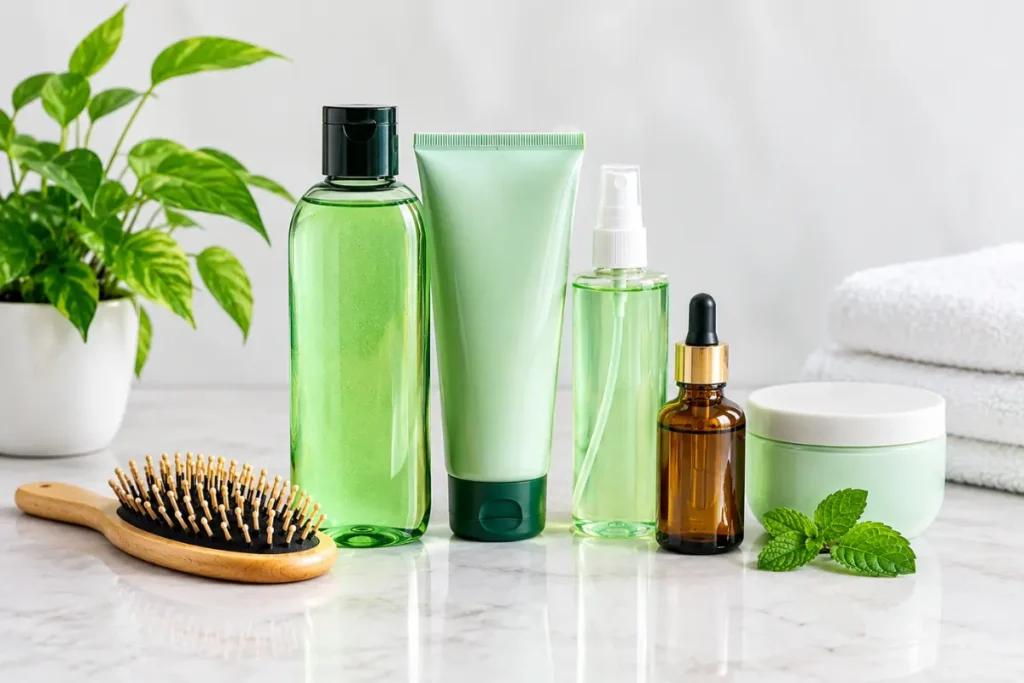
Instead, look for products that fit your hair texture, washing habits, and scalp needs. Lightweight hair products are especially useful for people whose hair becomes flat or oily quickly. If your hair is fine, avoid using large amounts of rich creams, oils, or heavy styling products.
Best Products for Oily Scalp
If your scalp is the main source of oil, focus your routine on best products for oily scalp care. Scalp-friendly hair products should cleanse effectively without leaving unnecessary residue. Your conditioner and styling products can then be focused more on the lengths and ends.
This is also important if you have an oily scalp but dry-looking ends. You do not have to treat your entire head of hair in exactly the same way. Keep the scalp routine simple and give the lengths the conditioning they need.
Why There Is No Single Best Product for Everyone
There is no single product that will work perfectly for every person with greasy hair. Fine hair, thick hair, straight hair, wavy hair, and curly hair can all react differently to the same formula.
That is why choosing the best hair products for greasy hair is more about finding the right combination than finding one magical product. Consider your scalp oil, hair texture, dryness, buildup, and styling needs.
Once you understand those factors, it becomes much easier to build a routine that keeps greasy hair looking clean, light, and manageable.
Best Hair Products for Greasy Hair
A common mistake is thinking that the best hair products for greasy hair should completely remove every trace of oil and leave your hair feeling extremely dry. That is not the goal. Greasy hair needs the right balance. A product can help manage excess oil without making your hair rough, flat, or uncomfortable.
The best approach is to choose products according to the specific problem you are trying to solve. Some people need better cleansing, while others struggle more with buildup, limpness, dry ends, or styling products that make their hair look oily.
Here are seven useful product types that can fit different greasy-hair needs.
Clarifying Shampoo Best for Product Buildup
Sometimes greasy-looking hair is not caused by scalp oil alone. Styling products, dry shampoo, oils, and conditioners can leave residue behind. Over time, this buildup can make your hair feel heavy, coated, and dirty even after washing.
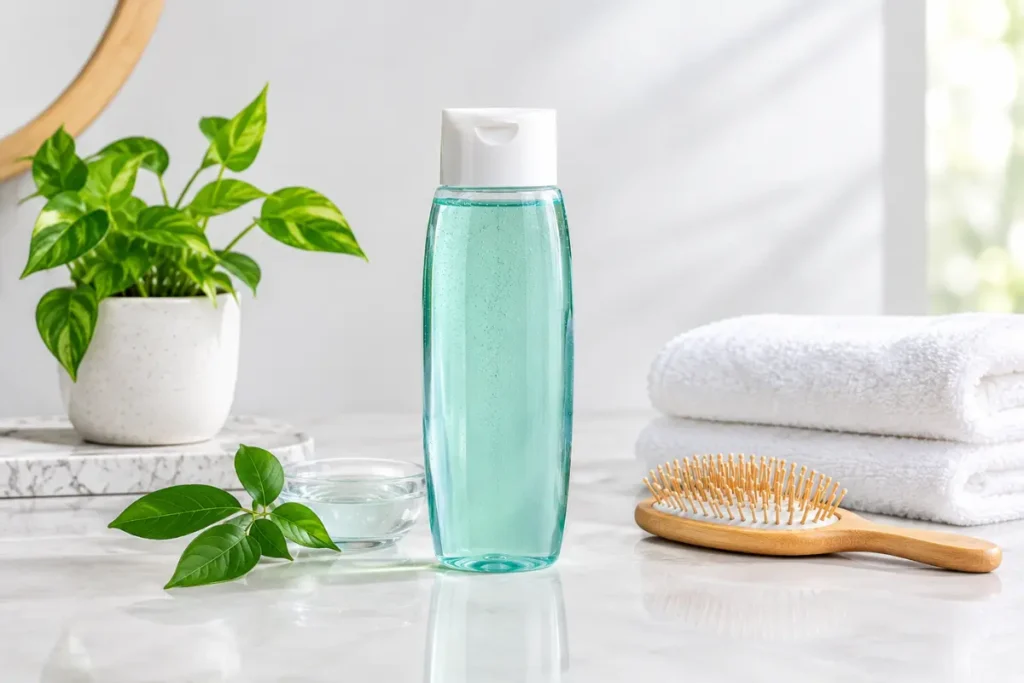
A clarifying shampoo can be useful when hair products for buildup have become part of the problem. It is designed to provide a deeper cleanse than many regular shampoos.
However, you do not necessarily need to use it every time you wash your hair. Using a clarifying shampoo too often can leave some hair types feeling dry.
If your hair suddenly feels heavy or your normal products no longer seem to rinse clean, occasional clarifying care may be worth considering. This makes a clarifying shampoo for greasy hair particularly useful for people who regularly use styling products or dry shampoo.
Lightweight Shampoo Best for Everyday Oily Hair
A lightweight shampoo can be a practical choice if your scalp becomes oily regularly. The goal is to remove excess oil and daily residue without making the hair feel stripped or overly dry.
When choosing a shampoo for greasy hair, consider how your hair feels after washing. If it feels clean, comfortable, and easy to style, the formula may be a good match. If your hair feels coated or becomes flat soon after washing, you may need to rethink the products you are using.
A lightweight shampoo can work especially well for people looking for best hair products for greasy hair that gets oily quickly. It keeps the routine simple while giving the scalp regular cleansing.
Lightweight Conditioner Best for Greasy Hair With Dry Ends
Greasy roots do not always mean that the rest of your hair is oily. The ends can still become dry from washing, heat styling, coloring, or environmental exposure. That is where a lightweight conditioner can help.
A lightweight conditioner for oily hair should soften the lengths without leaving a thick coating. Apply it mainly to the mid-lengths and ends rather than covering the scalp with product.
This is especially useful if you have best hair products for greasy hair and dry ends in mind. You want enough conditioning to make the ends feel smoother, but not so much that the roots become heavy.
Dry Shampoo Best for Quick Oil Control
Dry shampoo is one of the most convenient products for greasy hair when you need a quick refresh between washes. It can absorb some surface oil and make the hair look fresher without using water.
It is useful before work, after exercise, or on a busy day when you do not have time for a full wash. However, dry shampoo should not become a replacement for regular cleansing. Using too much can leave residue and contribute to buildup.
For the best results, use a small amount where the hair looks oily, give it a little time to absorb the oil, and then distribute it through the hair. If you constantly need dry shampoo, it may be worth looking at your overall greasy hair care routine rather than simply adding more product.
Scalp-Friendly Treatment Best for Oily Scalp Care
If your main concern is an oily scalp, scalp-focused products may be more useful than applying multiple products to your hair lengths. A scalp-friendly hair product should fit comfortably into your routine without leaving unnecessary residue.
The important thing is not to overload the scalp with oils, thick creams, or several styling products. Keep scalp care simple and focus on products designed for the scalp when you actually need them.
If you are searching for the best products for oily scalp, consider your scalp’s overall condition rather than looking only for the strongest oil-control claim. A comfortable, manageable scalp is a better goal than trying to remove every trace of natural oil.
Lightweight Styling Product Best for Fine Greasy Hair
Fine hair can look greasy and flat very quickly. Heavy creams, thick waxes, and rich styling products can make this even more noticeable. If your hair is fine, choosing a lightweight styling product can help you get the look you want without adding unnecessary weight.
A lightweight mousse, spray, or similar styling formula may work better than a thick cream or oil-based product. Start with a small amount and add more only if necessary.
This can be especially helpful for people looking for best hair products for fine greasy hair, hair products for oily and fine hair, or products for limp greasy hair. The goal is to create shape or volume while keeping the hair light.
Best Hair Products for Greasy Hair and Oily Scalp
Having a greasy scalp does not mean you need the harshest hair products you can find. Many people assume that stronger cleansing is always better for an oily scalp, but that approach can leave the scalp feeling uncomfortable and the hair harder to manage.
The better approach is to choose products that support a clean, balanced scalp without adding unnecessary weight or residue.
When looking for the best hair products for greasy hair and oily scalp, focus on your scalp first. Your roots are where excess oil usually becomes noticeable, so products should be selected with that area in mind.
A simple routine can help your hair look fresher while keeping the lengths comfortable.
Best Products for Oily Scalp
The best products for oily scalp are usually lightweight and easy to rinse. They should help remove excess oil and daily residue without leaving a thick coating behind. This is particularly important if your roots become greasy soon after washing.
A good starting point is to use a suitable cleansing product that matches how oily your scalp becomes. If your scalp gets oily quickly, pay attention to how long your hair stays fresh after washing. This can help you decide whether your current routine is actually working for you.
Avoid putting rich oils, thick creams, or heavy styling products directly on the scalp unless they are specifically intended for that area. These products can make already-greasy roots look even heavier.
Scalp-Friendly Hair Products
Not every product labeled for oily hair will work equally well for every scalp. A product can control oil but still feel uncomfortable if its formula does not suit you. That is why scalp-friendly hair products are worth considering.
Look for products that fit your scalp and hair type rather than choosing something simply because it promises extreme oil control. If a product leaves your scalp feeling tight, irritated, or uncomfortable, it may not be the right choice for your routine.
A simple formula can often make things easier. Too many layers of product can create residue and make it difficult to tell whether you are dealing with natural oil or product buildup.
If you use styling products regularly, occasional cleansing that removes leftover residue can also help. The key is to avoid turning every wash into an aggressive deep-cleaning session.
Products for Excess Scalp Oil
If your scalp produces a lot of oil, you may want products for excess scalp oil that help keep your roots looking fresh for longer. However, trying to remove every bit of natural oil is not necessary.
Natural scalp oil has a purpose. The problem is usually the amount of oil, how quickly it appears, or how it affects the appearance and feel of your hair. Choosing lightweight products can help you manage the issue without creating another problem.
Start by looking at the products that touch your scalp most often. A heavy styling cream, frequent oil application, or too much dry shampoo can contribute to a coated feeling. Simplifying your routine may sometimes make a bigger difference than adding another product.
For people searching for best hair products for greasy hair and oily scalp, the most practical solution is usually a balanced routine. Keep scalp products lightweight, avoid unnecessary layers, and choose products according to your hair texture and oil level.
Building a Simple Oily Scalp Routine
A simple routine is often easier to maintain than a complicated one. Begin with a cleanser that suits your scalp, then use lightweight conditioning where your hair actually needs it. Keep heavy products away from the roots, especially if your hair becomes greasy quickly.
If you need a quick refresh, a suitable dry shampoo can be used occasionally. If buildup becomes noticeable, adjust your cleansing routine rather than continually adding more products.
Remember, there is no single product that will work perfectly for every oily scalp. Fine hair, thick hair, straight hair, and textured hair can all respond differently.
The best greasy hair care products are the ones that help your specific scalp and hair feel clean, comfortable, and manageable without unnecessary weight.
Best Hair Products for Greasy Hair and Dry Ends
A common belief is that if your roots are greasy, you should avoid moisturizing hair products completely. That is not always true. You can have oily roots and dry ends at the same time, and treating your whole head the same way can make the problem harder to manage.
The better approach is to care for the scalp and hair lengths differently.
The best hair products for greasy hair and dry ends should help keep the roots feeling light while giving the ends enough moisture to look smooth and healthy. This balance is especially useful when your scalp gets oily quickly but the lower part of your hair feels rough, dry, or frizzy.
Best Hair Products for Greasy Hair and Dry Ends
The right products depend on where your hair needs them most. Your roots generally need a lighter approach, while the mid-lengths and ends may need more conditioning.
A lightweight cleansing product can help keep greasy roots fresh without making the entire head of hair feel overly dry. After washing, apply conditioner mainly from the middle of the hair toward the ends. This keeps richer formulas away from the area that becomes oily fastest.
Look for best hair products for greasy hair and dry ends that provide moisture without leaving a heavy coating. Lightweight conditioners, hydrating sprays, and small amounts of leave-in products can work well for this type of hair.
Best Products for Oily Roots and Dry Ends
Finding the best products for oily roots and dry ends can feel confusing because your hair seems to have two different needs. The roots may look shiny and flat, while the ends may feel rough or look dull.
The easiest solution is to divide your routine by sections of the hair. Keep cleansing focused on the scalp and roots. Then use conditioner on the lengths and ends where extra softness is needed.
If your ends still feel dry after conditioning, a lightweight leave-in product can provide additional moisture. Use a small amount and start at the ends rather than applying it near the roots.
This approach can also help if you have products for greasy hair and dry ends as part of your regular routine. You do not need to use the same amount of every product across your entire head.
Hydrating Products for Oily Hair
Oily hair can still need hydration. Greasiness describes the amount of oil on the hair or scalp, while dryness describes a lack of moisture and softness. These are not exactly the same thing.
That is why hydrating products for oily hair can be useful when your ends feel dry. Choose lighter formulas that improve softness without making the hair look coated or limp.
A lightweight conditioner is often a practical choice. You can also consider a light leave-in spray if your ends need extra manageability. The amount matters just as much as the formula. Applying too much can make the lengths look heavy even when the product itself is lightweight.
If you have fine hair, be especially careful with rich creams and oils. Fine strands can become weighed down quickly, making the hair appear greasy even when the main problem is simply too much product.
Products for Greasy Hair and Dry Ends
When choosing products for greasy hair and dry ends, think about placement as well as ingredients. A product designed to moisturize the ends does not necessarily need to touch the scalp.
For example, you can use a lightweight shampoo for the scalp, a conditioner for the lengths, and a small amount of leave-in product on the driest areas. This creates a more targeted routine instead of applying several heavy products everywhere.
Avoid repeatedly adding oil to dry-looking ends without checking whether they actually need more product. Sometimes the hair needs better conditioning or gentler handling rather than another layer of oil.
How to Balance Greasy Roots and Dry Ends
The main idea is simple: treat the roots lightly and the ends carefully. Your scalp does not need the same level of conditioning as the driest parts of your hair.
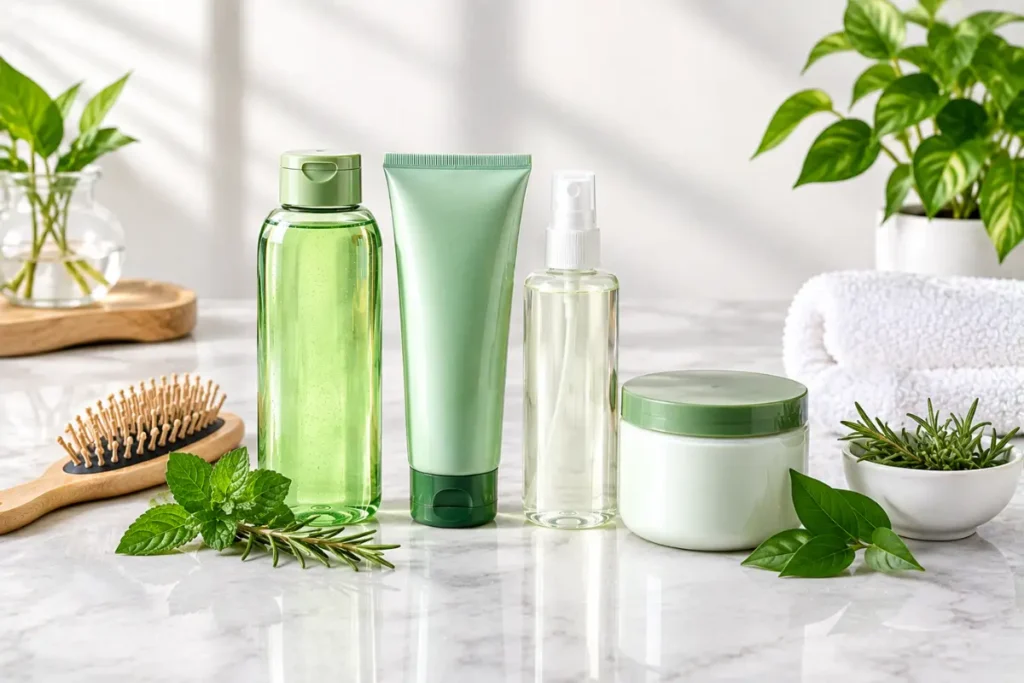
If your roots become greasy quickly, avoid applying heavy creams, oils, or rich conditioners directly to them. If your ends feel dry, do not respond by stripping your entire head of moisture. Instead, give the ends targeted hydration.
This balance is especially helpful for people looking for best hair products for oily roots and dry ends because it allows you to manage two different concerns at the same time.
FAQs About the Best Hair Products for Greasy Hair
What Are the Best Hair Products for Greasy Hair?
The best hair products for greasy hair are usually lightweight and suited to your scalp and hair type. A suitable shampoo can help cleanse excess oil, while a lightweight conditioner can keep the lengths soft without making the roots heavy. Dry shampoo can also help refresh oily-looking hair between washes.
The right combination depends on whether you have fine hair, an oily scalp, dry ends, product buildup, or another concern.
What Is the Best Product for Very Oily Hair?
For very oily hair, start with a cleansing product that removes excess oil without leaving heavy residue. Keep conditioners and styling products away from the roots when possible.
If your hair becomes oily again very quickly, also check how many products you are layering. Sometimes too much product can make hair appear greasy faster.
19.3 What Is the Best Shampoo for Greasy Hair?
A lightweight shampoo designed for oily or greasy hair can be a good choice. It should leave the scalp feeling clean without making the hair feel unnecessarily rough.
If you regularly use styling products or dry shampoo, an occasional clarifying shampoo may also help with buildup. It should not necessarily replace your regular shampoo.
What Is the Best Conditioner for Greasy Hair?
A conditioner for greasy hair should provide enough softness without leaving the roots coated. Lightweight formulas are often easier to manage, especially if your hair becomes oily quickly.
Apply conditioner mainly to the mid-lengths and ends instead of concentrating it on the scalp. This is particularly helpful when you have oily roots but dry ends.
What Are the Best Products for Oily Roots and Dry Ends?
The best approach is to treat the two areas differently. Use a suitable cleansing product for the scalp and a lightweight conditioner or hydrating product on the dry lengths and ends.
This helps prevent the common mistake of either over-moisturizing the roots or over-cleansing the dry ends.
What Are the Best Products for Fine Greasy Hair?
For fine greasy hair, choose lightweight products that do not flatten the strands. Volumizing mousses, light sprays, and suitable lightweight shampoos can help maintain movement without adding too much weight.
Avoid using large amounts of rich creams, oils, or heavy styling products because fine hair can become flat and greasy-looking quickly.
Can Hair Products Make Greasy Hair Worse?
Yes. Some products can make hair look greasier when they are too heavy for your hair type or applied too close to the roots.
Using too much conditioner, oil, styling cream, or dry shampoo can also leave residue. If your hair suddenly feels coated or heavy, simplify your routine and see whether the problem improves.
Is Dry Shampoo Good for Greasy Hair?
Dry shampoo can be useful when you need a quick way to reduce the appearance of oil between washes. It can make greasy roots look fresher temporarily.
However, it does not replace regular hair cleansing. Using it repeatedly without properly cleansing the scalp can contribute to product residue and buildup.
How Can I Stop My Hair From Getting Greasy So Quickly?
Start by using products that match your scalp and hair type. Avoid putting heavy products directly on the roots, and use conditioner mainly where your hair needs it.
It can also help to review your entire routine. Too many styling products, excessive product amounts, or frequent dry shampoo use may contribute to a heavy or coated feel.
What Are the Best Hair Products for Greasy Hair Without Buildup?
Look for best hair products for greasy hair without buildup that are lightweight, easy to rinse, and suitable for your hair type. Avoid constantly layering multiple products on the scalp.
If buildup has already developed, occasional use of a suitable clarifying product may help remove leftover residue. The goal is to keep your routine simple rather than relying on stronger cleansing all the time.
What Are the Best Hair Products for Greasy Hair and Dry Ends?
The best choice is usually a combination of lightweight cleansing for the roots and targeted hydration for the ends. A lightweight conditioner or leave-in product can help improve the feel of dry ends without adding unnecessary product to the scalp.
Apply moisturizing products mainly to the lengths and ends where dryness is actually present.
What Are the Best Hair Products for Greasy Hair and Dandruff?
If greasy hair occurs with dandruff, focus on products that are appropriate for the scalp rather than simply choosing stronger oil-control products. A dandruff-focused shampoo may be appropriate depending on the cause and severity of the flakes.
Avoid piling oils, heavy styling products, or multiple scalp products on top of the problem. If dandruff is persistent, severe, or accompanied by significant irritation, a healthcare professional or dermatologist can help identify the cause and recommend suitable treatment.
Conclusion:
The best hair products for greasy hair are not necessarily the strongest ones. Lightweight shampoos, suitable conditioners, occasional clarifying products, and simple styling formulas can work together without making your hair feel overloaded.
If you have oily roots and dry ends, focus on the scalp and lengths separately instead of treating all your hair the same way.
Your hair type also matters. Fine greasy hair may need lightweight volumizing products, while thicker or textured hair may need more conditioning on the lengths.
If buildup is a problem, occasional clarifying can help. If your scalp gets oily quickly, keep your routine simple and avoid unnecessary layers of product.
In the end, the goal is not to remove every trace of natural oil. It is to control excess oil while keeping your hair looking clean, soft, and healthy. Choose products based on what your hair actually needs, use them in the right amounts, and adjust your routine when your hair changes.
A simple routine with the right products will usually be more useful than filling your bathroom shelf with products that your greasy hair does not really need.

Name: Shahzadi
I’m passionate about skincare, beauty, and simple self-care. I share practical skincare tips, beauty routines, product insights, and easy ways to build healthy-looking, glowing skin.
My goal is to make beauty and skincare easier to understand, so you can discover routines that fit your everyday life.


