

Have you ever applied a moisturizer that made your skin feel soft for a few minutes, only to notice dryness returning later? If so, you might be looking for something that provides longer-lasting moisture without making your skincare routine complicated.
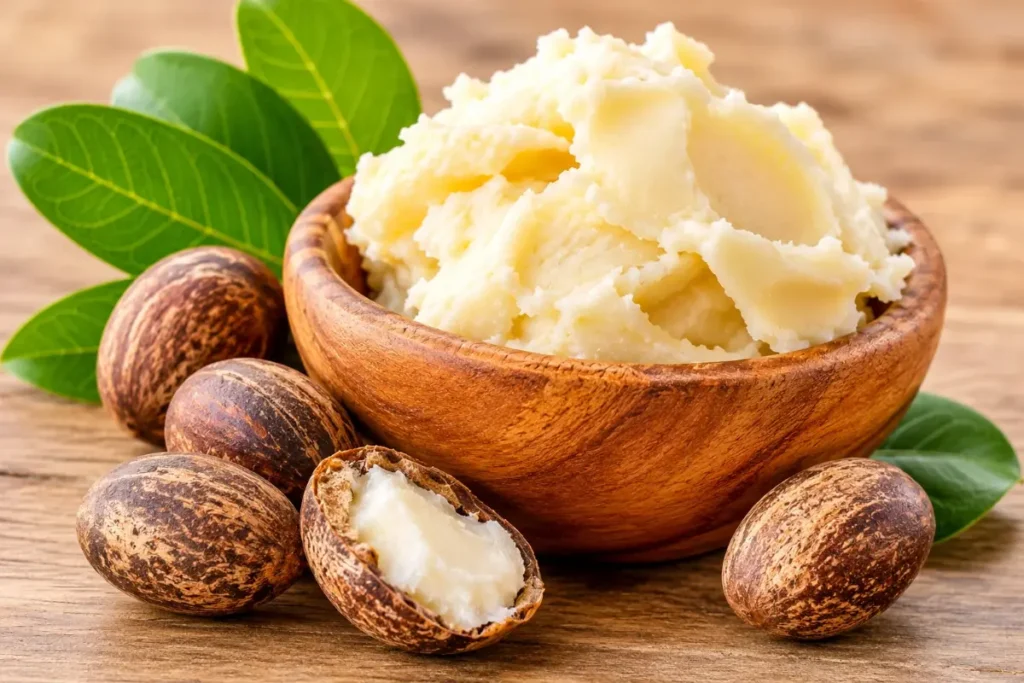
Shea butter is one natural ingredient worth considering. Made from the nuts of the shea tree, it contains skin-conditioning fats that help soften dry skin and reduce moisture loss. Its rich texture makes it especially useful for areas that often feel rough, tight, or flaky.
The uses of shea butter on the skin go beyond basic moisturizing. You can use it to soften dry elbows, condition cracked heels, protect chapped lips, and add extra moisture to rough patches. It can also support a healthy skin barrier when used correctly.
However, shea butter does not work the same way for everyone. Its thick consistency may feel too heavy for oily or acne-prone skin, so choosing the right application method matters.
Let’s look at its skincare benefits, practical uses, application tips, and possible drawbacks so you can decide whether it belongs in your daily routine.
What Is Shea Butter and Why Is It Used in Skincare?
Shea butter is a natural plant-based fat extracted from the nuts of the shea tree (Vitellaria paradoxa), which grows mainly in parts of West Africa. It has a creamy texture and a naturally rich composition that makes it popular in moisturizers, body creams, lip balms, and other skincare products.
You can find shea butter in two common forms: raw or unrefined and refined. Both can be used in skincare, but they may differ in color, smell, processing, and the amount of naturally occurring compounds they retain.
What Makes Shea Butter Special for the Skin?
The main reason people use shea butter is its moisturizing ability. It contains fatty acids, including oleic, stearic, linoleic, and palmitic acids. These fats help condition the skin and reduce moisture loss.
Shea butter also contains naturally occurring compounds, such as tocopherols and other antioxidants. These contribute to its skincare appeal, although their presence does not mean shea butter can replace sunscreen or medical treatments.
Another useful feature is its texture. It melts with warmth from your fingers, making it easy to spread over dry areas without needing a complicated application process.
Raw vs. Refined Shea Butter: Which Is Better?
Both types have useful skincare properties, but there are a few differences worth knowing.
| Feature | Raw or Unrefined Shea Butter | Refined Shea Butter |
| Color | Usually cream, beige, or yellowish | Usually white or pale |
| Smell | Natural, nutty scent | Little to no scent |
| Processing | Minimal processing | More extensive processing |
| Texture | Rich and creamy | Often smoother |
| Skincare use | Moisturizing and conditioning | Moisturizing and conditioning |
If you prefer a product with a natural scent and minimal processing, unrefined shea butter may be a good choice. If you dislike strong natural smells, refined shea butter may suit you better.
Neither type is automatically suitable for every skin type. Check the ingredient list and test the product before applying it regularly.
Amazing Uses of Shea Butter on the Skin
Shea butter is a versatile skincare ingredient because you can apply it to several parts of your body. Its main benefit is helping dry skin feel softer and more comfortable.
Here are some practical ways to include it in your skincare routine.
Moisturizes Extremely Dry Skin
One of the most popular uses of shea butter on the skin is moisturizing areas that feel unusually dry. Cold weather, frequent washing, hot showers, and harsh soaps can leave your skin feeling tight and uncomfortable.
Shea butter helps condition the skin by forming a protective layer that slows down moisture loss. This can make rough and dry areas feel softer.
For better results, apply a small amount after bathing while your skin is still slightly damp. This helps seal in some of the water already present on your skin.
Helps Soften Rough and Flaky Skin
Rough patches can develop on your elbows, knees, hands, and other areas that experience frequent friction. Regular moisturizers may not always feel rich enough for these spots.
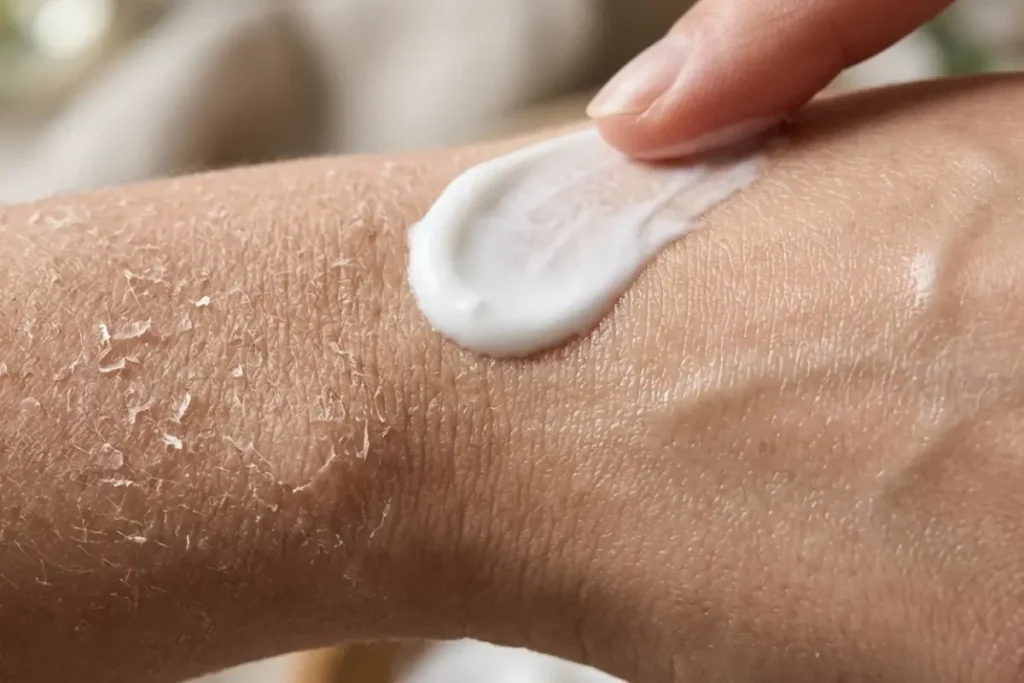
Shea butter provides a thicker moisturizing layer that helps soften dry, flaky skin. Massage a small amount into the affected area until it spreads evenly.
For particularly rough areas, use it after applying a gentle, fragrance-free moisturizer. This combination helps add moisture and reduce water loss.
Supports the Skin’s Natural Moisture Barrier
Your skin has a natural barrier that helps keep moisture inside and protect against external irritants. When this barrier becomes weakened, your skin may feel dry, tight, or sensitive.
Shea butter contains fatty acids that help condition the outer layer of the skin. Its protective texture can also reduce moisture loss.
This makes it a useful addition to a routine focused on maintaining skin hydration. However, it should not be considered a cure for a damaged skin barrier or an alternative to prescribed treatment.
Makes Dry Hands Feel Softer
Frequent handwashing, cleaning products, and cold weather can leave your hands rough and uncomfortable.
Shea butter can help soften dry hands by providing a rich layer of moisture. You can apply it after washing your hands, especially before bedtime.
Pay extra attention to your knuckles, fingertips, and areas around your nails. If your hands are extremely dry, apply a fragrance-free hand cream first and then use a thin layer of shea butter.
Provides Moisture to Chapped Lips
Your lips can become dry because they have a delicate surface and are easily affected by wind, cold weather, and frequent licking.
Shea butter is commonly used in lip balms because its creamy consistency helps condition the lips and reduce moisture loss.
You can choose a lip balm containing shea butter or use a small amount of a cosmetic-grade product specifically suitable for lips.
Avoid applying products that cause burning, itching, or irritation. Also, remember that shea butter does not provide reliable sun protection, so use an SPF lip balm during the day.
Helps Soothe the Feeling of Dry, Itchy Skin
Dryness can sometimes make your skin feel itchy, tight, or uncomfortable. This often happens when the outer skin layer loses too much moisture.
Shea butter may help relieve dryness-related discomfort by softening the skin and reducing moisture loss.
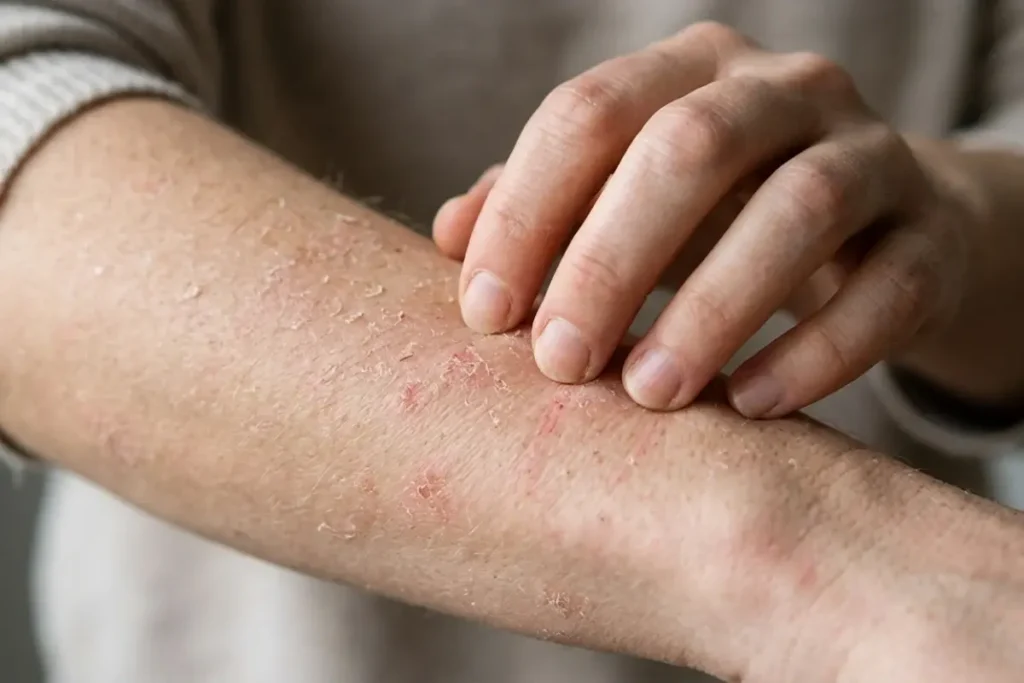
Apply a thin layer to clean, dry areas and avoid rubbing aggressively.
If itching continues, spreads, or comes with redness, swelling, or a rash, do not rely on shea butter alone. These symptoms may have another cause, such as eczema, an allergic reaction, or an infection.
Helps Improve the Appearance of Rough Elbows and Knees
Elbows and knees often become darker-looking and rougher because of friction, pressure, and dryness.
Shea butter can help improve their appearance by softening the outer skin and providing moisture.
Apply it after bathing and massage gently into these areas. Consistent moisturizing can make rough patches feel smoother over time.
However, shea butter does not bleach the skin or reliably remove pigmentation. If dark patches appear suddenly or continue changing, consider getting professional advice.
Conditions Dry Cuticles Around the Nails
The skin around your fingernails can become rough and dry, especially after frequent handwashing or exposure to cleaning products.
A small amount of shea butter can help condition these areas.
Gently massage it around your cuticles before bedtime. You do not need much because a thick application may leave your fingers feeling greasy.
Avoid cutting or pulling dry cuticles, as this can damage the surrounding skin.
Helps Keep Skin Soft During Cold Weather
Winter weather can make skin feel rough, tight, and dehydrated. Indoor heating and frequent hot showers may add to the problem.
Shea butter is especially useful during colder months because its rich texture provides an extra moisturizing layer.
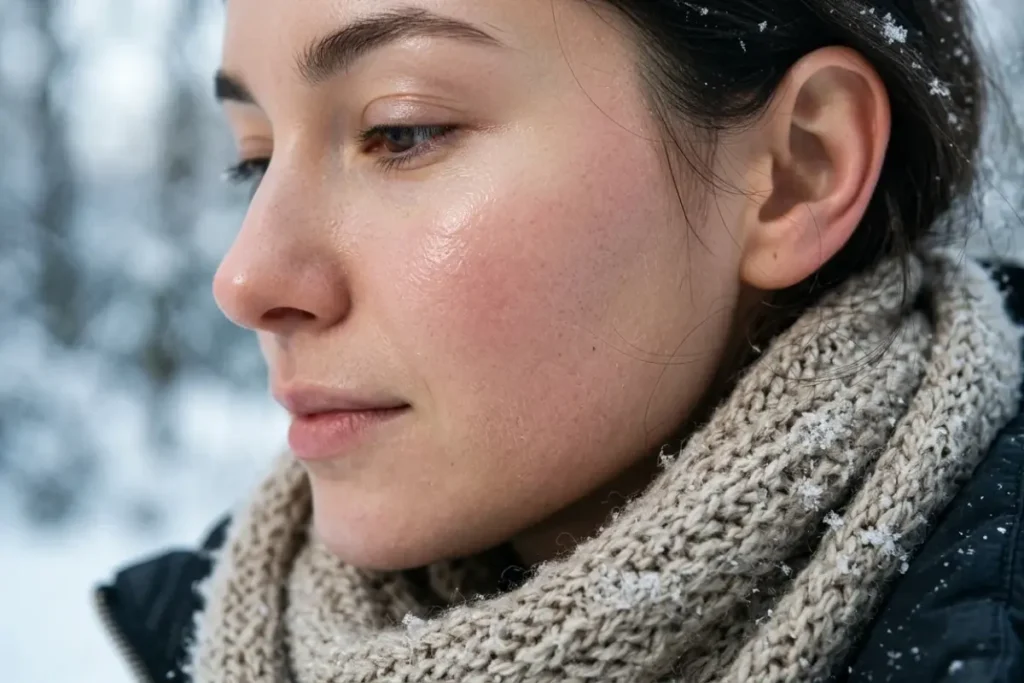
Apply it to your hands, legs, elbows, and other dry areas after bathing. You can also mix a small amount with your regular body lotion if you prefer a lighter application.
Provides Extra Moisture to Dry Legs
Legs can become dry and flaky, particularly after shaving or using body washes that strip away natural oils.
Shea butter can help condition the skin and leave it feeling smoother.
For easier application, warm a small amount between your palms and spread it over slightly damp legs. Use gentle movements instead of rubbing too hard.
If you dislike a greasy feeling, apply it only to the driest areas rather than covering your entire legs.
What Are the Main Shea Butter Skincare Benefits?
Now that you know how to use shea butter, it helps to understand why this ingredient is so popular in skincare products.
Its benefits mainly come from its moisturizing, conditioning, and protective properties.
Contains Skin-Conditioning Fatty Acids
Shea butter contains several fatty acids that help soften and condition the skin.
Oleic and stearic acids are among its major fatty acid components. These contribute to its rich texture and moisturizing properties.
When applied to dry areas, shea butter creates a comfortable layer that helps reduce moisture loss.
Contains Naturally Occurring Antioxidants
Unrefined shea butter contains naturally occurring antioxidant compounds, including tocopherols.
Antioxidants help protect ingredients and biological systems from oxidative processes. However, the presence of antioxidants in shea butter does not establish that applying it prevents skin aging or reverses sun damage.
Think of this as an additional feature rather than its main skincare benefit.
Helps Improve Skin Softness
Dry skin often feels rough because its outer surface lacks enough moisture.
Shea butter helps condition this surface, making the skin feel smoother and more comfortable.
You may notice the difference most on your elbows, knees, hands, and feet, where dryness is often more noticeable.
Helps Reduce Moisture Loss
Shea butter has an emollient and occlusive effect. In simple terms, it softens the skin and creates a layer that slows down water loss.
This is especially helpful when you apply it after bathing or over a regular moisturizer.
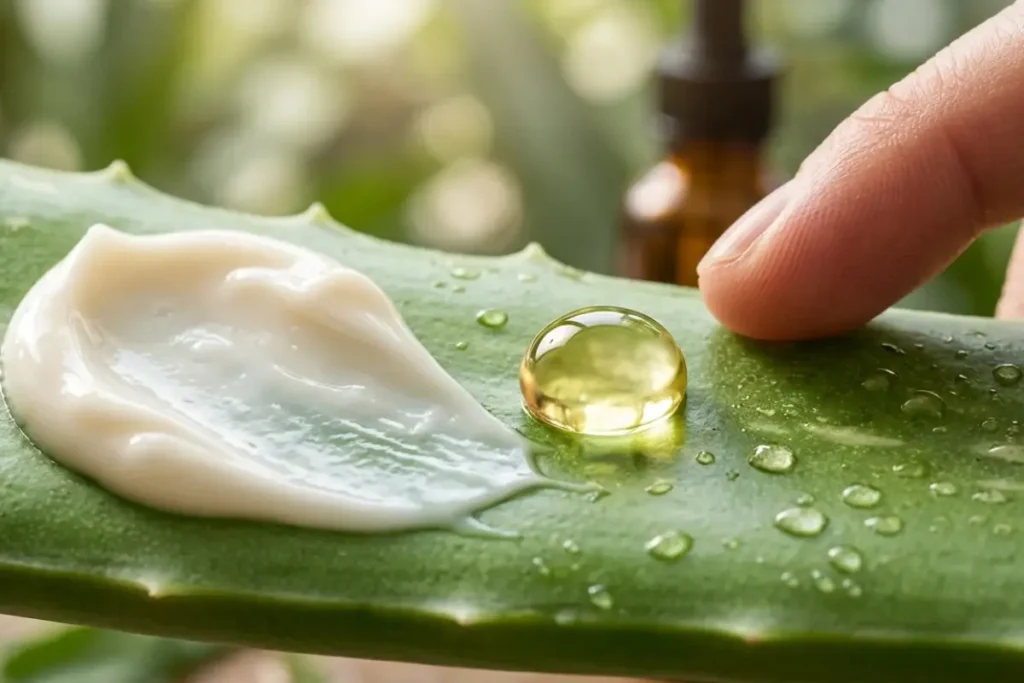
It does not add water to the skin in the same way a water-based moisturizer does. Instead, it helps keep existing moisture from escaping too quickly.
Makes a Useful Addition to Dry-Skin Routines
If your skincare routine focuses on managing dryness, shea butter can be a practical addition.
You can use it on areas that need extra conditioning without changing your entire routine.
For example, you might use a lightweight facial moisturizer during the day and reserve shea butter for your dry hands, elbows, knees, and heels.
How to Use Shea Butter on the Skin for Healthy Skin
Using shea butter correctly makes a difference. Because it is rich and thick, applying too much can leave your skin greasy.
A small amount is usually enough.
Clean Your Skin First
Start with clean skin. Use a gentle body wash or cleanser that does not leave your skin feeling tight.
Avoid harsh scrubbing because it can make dryness and irritation worse.
Apply It to Slightly Damp Skin
After washing, gently pat your skin with a towel.
Leave a little moisture on the surface instead of drying completely. This gives your moisturizer water to help retain.
Warm a Small Amount Between Your Fingers
Take a small amount of shea butter and rub it gently between your fingertips or palms.
The warmth helps soften its texture and makes spreading easier.
Massage It Gently Into Your Skin
Apply it to the areas that need extra moisture.
You can use it on your hands, elbows, knees, feet, and other dry patches.
Avoid using excessive pressure, especially on sensitive or irritated skin.
Give It Time to Settle
Allow the product to absorb and settle before putting on clothes.
If your skin feels excessively greasy, reduce the amount next time.
For most people, using shea butter once daily on dry areas is a reasonable starting point. You can adjust the frequency depending on your skin’s needs.
Is Shea Butter Good for All Skin Types?
Shea butter can work well for many people, but it is not necessarily the best choice for everyone.
Your skin type, the amount you apply, and the formulation all matter.
| Skin Type | Is Shea Butter Suitable? | Application Advice |
| Dry skin | Often suitable | Apply to damp skin |
| Normal skin | Usually suitable | Use a small amount |
| Sensitive skin | Depends on individual tolerance | Patch test first |
| Oily skin | May feel too heavy | Use sparingly on dry patches |
| Acne-prone skin | Use with caution | Test on a small area first |
| Mature skin | Can help with dryness | Combine with a suitable moisturizer |
Shea Butter for Dry Skin
Dry skin is generally the most suitable skin type for shea butter.
Its rich consistency helps soften rough areas and reduce moisture loss. You can use it on your body or on specific dry patches.
Shea Butter for Oily Skin
If your skin produces excess oil, you may find pure shea butter too heavy.
Instead of applying it all over your face, consider using a lightweight, non-comedogenic moisturizer.
If you still want to try shea butter, test a very small amount on one dry area first.
Shea Butter for Sensitive Skin
People with sensitive skin should be careful when introducing any new skincare ingredient.
Choose a product with a simple ingredient list and no added fragrance. Test it on a small area before applying it more widely.
Stop using it if you notice itching, burning, redness, or swelling.
Shea Butter for Acne-Prone Skin
Shea butter is not an acne treatment.
Although some people with acne-prone skin tolerate it, its rich texture may feel uncomfortable or contribute to clogged pores for certain individuals.
If you frequently experience breakouts, prioritize lightweight skincare products formulated for acne-prone skin.
Can You Use Shea Butter on Your Face?
Yes, some people use shea butter on their faces, particularly when dealing with dry patches or a feeling of tightness.
However, facial skin is different from the skin on your feet or elbows. It may be more sensitive to heavy products, especially if you have oily or acne-prone skin.
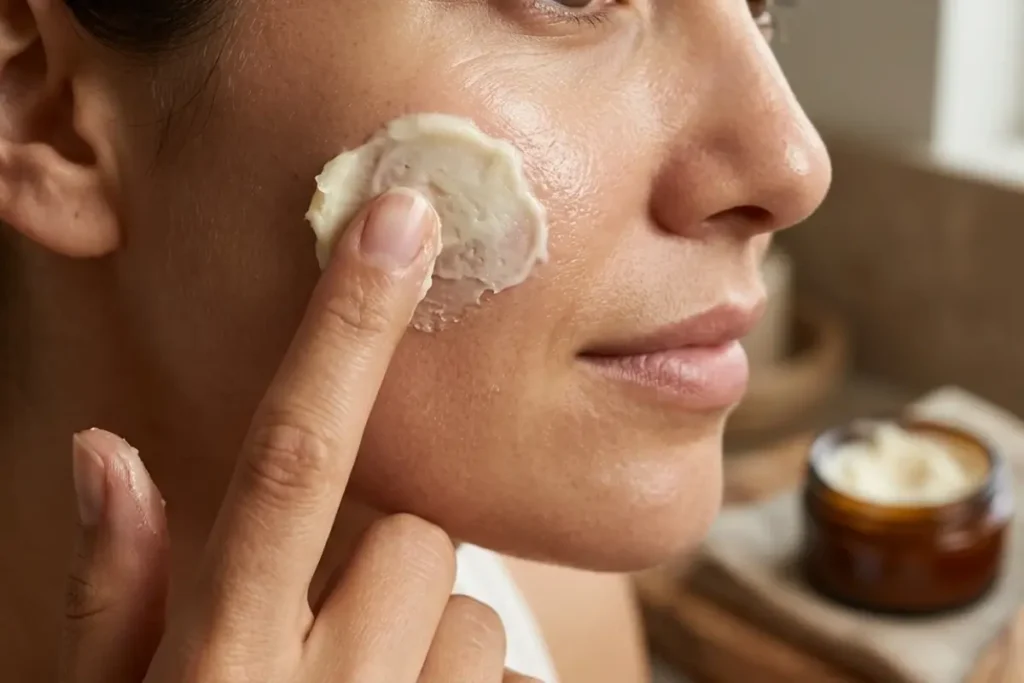
If you want to try it, follow these tips:
- Choose pure shea butter without unnecessary added fragrance.
- Start with a very small amount.
- Apply it to clean, slightly damp skin.
- Avoid applying a thick layer over acne-prone areas.
- Stop using it if you develop irritation or new breakouts.
For daytime use, continue applying a broad-spectrum sunscreen with SPF 30 or higher. Shea butter does not replace sunscreen.
Shea Butter vs. Other Natural Moisturizing Ingredients
Shea butter is not the only natural ingredient used to moisturize dry skin. Coconut oil, cocoa butter, and jojoba oil are also common skincare ingredients.
Each has a slightly different texture and feel.
| Ingredient | Main Skincare Benefit | Texture |
| Shea butter | Softens skin and reduces moisture loss | Thick and creamy |
| Coconut oil | Helps condition dry skin | Oily |
| Cocoa butter | Provides rich moisturization | Firm and creamy |
| Jojoba oil | Helps soften and condition skin | Lightweight oil |
| Aloe vera | Provides a lightweight hydrating feel | Gel-like |
Shea Butter vs. Coconut Oil
Shea butter is thicker and creamier than coconut oil. It may be more comfortable for people who want a rich body moisturizer.
Coconut oil spreads easily but can feel greasy, and some people find it unsuitable for facial use.
Shea Butter vs. Cocoa Butter
Both ingredients work well in rich body moisturizers.
Shea butter tends to have a softer consistency, while cocoa butter is often firmer at room temperature.
The better choice depends on your preferred texture and how your skin responds.
Shea Butter vs. Aloe Vera
Aloe vera gel has a much lighter texture and provides a refreshing feel.
Shea butter is better suited to adding a protective moisturizing layer, while aloe-based products are often preferred when someone wants lightweight hydration.
You can also use a water-based moisturizer first and apply a small amount of shea butter afterward.
Possible Side Effects and Precautions of Shea Butter
Although shea butter is widely used in skincare, natural ingredients can still cause problems for certain people.
Before making it part of your regular routine, keep these precautions in mind.
Skin Irritation
Some people may experience irritation after applying shea butter or a product containing it.
This can happen because of individual sensitivity or other ingredients in the formulation.
If you notice redness, burning, itching, or swelling, stop using the product.
Heavy or Greasy Feeling
Pure shea butter has a rich consistency. Applying too much can leave a greasy layer on your skin.
Start with a small amount and increase it only if needed.
Possible Breakouts
Some people with acne-prone skin may find heavy skincare products uncomfortable or unsuitable.
If you notice more clogged pores or breakouts after using shea butter on your face, discontinue facial application.
Allergic Reactions
People with known allergies to shea products or other ingredients in a formulation should avoid products that may trigger a reaction.
If you have a history of severe allergies, speak with a healthcare professional before trying a new product.
Common Mistakes to Avoid When Using Shea Butter
Even a useful skincare ingredient can become inconvenient when you use it incorrectly.
Here are a few mistakes worth avoiding.
Applying too much product: A thick layer is not always better. Use a small amount and add more only if your skin needs it.
Using it on an untested facial area: Facial skin can react differently from body skin. Start with a small patch.
Expecting it to remove dark spots: Shea butter moisturizes and conditions the skin, but it is not a proven skin-lightening treatment.
Replacing sunscreen with shea butter: Shea butter does not provide dependable UV protection. Always use a proper sunscreen during the day.
Ignoring persistent skin problems: Ongoing itching, painful cracks, inflammation, or unusual rashes may need medical attention.
Choosing products without checking ingredients: Some commercial products contain added fragrances, preservatives, or other ingredients that may not suit sensitive skin.
Frequently Asked Questions About Shea Butter Skincare Benefits
What Are the Main Uses of Shea Butter on the Skin?
The main uses include moisturizing dry skin, softening rough patches, conditioning cracked heels, improving the feel of dry hands, and protecting chapped lips. It is also commonly used in body creams and lip balms.
Can I Apply Shea Butter to My Face Every Day?
You can use it daily if your skin tolerates it, but it may feel too heavy for oily or acne-prone skin. Start with a small amount and observe how your skin responds.
Does Shea Butter Make Skin Glow?
Shea butter can make dry skin look smoother and more supple by improving its moisture levels. This may give the skin a healthier appearance, but it does not directly change your natural skin tone.
Can Shea Butter Remove Dark Spots?
There is no strong clinical evidence that shea butter removes dark spots. It can improve skin softness, but pigmentation usually requires targeted skincare ingredients and consistent sun protection.
Is Raw Shea Butter Better Than Refined Shea Butter?
Raw shea butter undergoes less processing and usually retains its natural scent and color. Refined shea butter has a more neutral appearance and smell. Both can moisturize the skin, so the best choice depends on your preferences and skin tolerance.
Can I Leave Shea Butter on My Skin Overnight?
Yes, you can leave a thin layer on suitable areas overnight if your skin tolerates it. It works particularly well on dry hands, elbows, knees, and heels.
Is Shea Butter Good for Sensitive Skin?
It may suit some people with sensitive skin because it helps soften and condition dry areas. However, individual reactions vary. Choose a simple, fragrance-free product and patch test before regular use.
Can Shea Butter Help With Wrinkles?
Shea butter can moisturize dry skin, which may temporarily make fine lines caused by dryness look less noticeable. However, it does not remove wrinkles or reverse the natural aging process.
Can I Mix Shea Butter With My Regular Moisturizer?
Yes. You can apply your regular moisturizer first and then use a small amount of shea butter over particularly dry areas. This adds a richer protective layer without changing your entire routine.
How Often Should I Use Shea Butter on My Skin?
Once daily is a reasonable starting point for dry areas. Some people may need it more often, while others may prefer occasional use. Adjust according to your skin’s needs and avoid applying excessive amounts.
Conclusion:
Shea butter is a simple but useful ingredient for anyone who wants to improve skin softness and manage everyday dryness. Its rich fatty acid content makes it particularly helpful for conditioning rough elbows, dry hands, cracked heels, and flaky patches.
The different uses of shea butter on the skin make it easy to include in a basic skincare routine. You can apply it after bathing, use it as an overnight foot moisturizer, or add a small amount to areas that need extra care.
Still, remember that more product does not mean better results. Choose a good-quality product, start with a small amount, and pay attention to how your skin responds.
If your main concern is dryness, shea butter can be a practical addition to your skincare collection. Just keep your expectations realistic and use it alongside a gentle cleanser, suitable moisturizer, and daily sun protection.

Name: Shahzadi
I’m passionate about skincare, beauty, and simple self-care. I share practical skincare tips, beauty routines, product insights, and easy ways to build healthy-looking, glowing skin.
My goal is to make beauty and skincare easier to understand, so you can discover routines that fit your everyday life.


