

People often say that shea butter is just a thick, greasy cream that makes the skin feel oily. But that’s not the whole story. What does shea butter do for your skin? It helps moisturize dry skin, soften rough areas, and reduce moisture loss.
Made from the nuts of the shea tree, this natural butter contains fatty acids that help keep skin feeling smooth and comfortable. However, its rich texture may not suit everyone, especially people who prefer lightweight skincare products.
If you want softer, healthier-looking skin, shea butter may be worth adding to your routine. In this article, you’ll discover its main skincare benefits, how to use it, and which skin types may benefit most.
You’ll also find recommended shea butter skincare products that you can explore and purchase if they suit your needs. Whether you’re dealing with dry patches or simply want to improve skin hydration, understanding how shea butter works can help you make a better choice.
What Is Shea Butter, and Why Is It Used for Skin?
What Is Shea Butter Made Of?
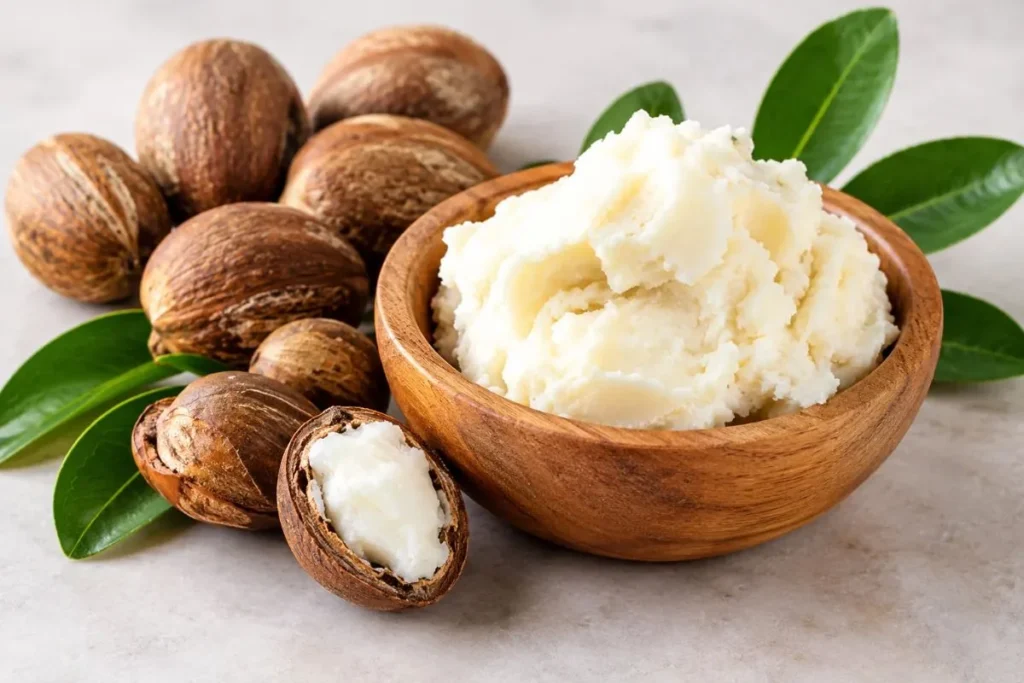
Shea butter is a natural fat extracted from the nuts of the shea tree, which grows mainly in parts of Africa. It has a rich, creamy texture and is widely used in moisturizers, body lotions, lip balms, and other skincare products. Many people choose shea butter for dry skin because it helps soften rough areas and keeps the skin feeling moisturized.
You may come across different types of shea butter when shopping for skincare. Raw shea butter is processed very little after extraction, while refined shea butter goes through additional processing to change its color, smell, or texture.
Unrefined shea butter generally retains more of its natural characteristics, including its distinctive scent and color. Organic shea butter refers to shea butter produced under organic standards, so the term describes how the ingredient is sourced and processed rather than guaranteeing better results for every skin type.
Both refined and unrefined shea butter can be useful for skincare. The right choice depends on your preferences, the product’s ingredients, and how your skin responds to it.
What Makes Shea Butter Beneficial for Skin?
One reason shea butter is popular in skincare is its natural combination of fatty acids and other plant compounds. These components help explain why it works well as an emollient, an ingredient that softens the skin and improves its texture.
Shea butter contains fatty acids, including oleic, stearic, and linoleic acids. These fats help condition the skin and reduce moisture loss. When your skin becomes dry, it may feel tight, rough, or flaky.
Applying a rich moisturizer such as shea butter can help make it feel smoother and more comfortable.
Shea butter also contains naturally occurring compounds, including vitamin E-related compounds and other antioxidants. However, its exact composition can vary depending on how the butter is produced and processed.
While these compounds are interesting from a skincare perspective, it’s important not to assume that shea butter will automatically remove wrinkles, fade dark spots, or reverse skin damage.
The main reason to use shea butter is its moisturizing effect. It can help improve the feel of dry skin and support a comfortable skin barrier. If your main concern is dryness, a shea butter moisturizer may be a useful option to consider.
How Does Shea Butter Help Keep Skin Moisturized?
Your skin naturally loses water throughout the day. Washing, cold weather, dry air, and harsh skincare products can make this moisture loss more noticeable. When your skin cannot retain enough moisture, it may become rough, flaky, or uncomfortable.
Shea butter helps by softening the skin and forming a protective layer that slows water loss. This makes it particularly useful for areas that tend to become very dry, such as elbows, knees, hands, and heels. It can also help soften dry facial skin when the formula suits your skin type.
Unlike lightweight lotions, pure shea butter has a thick texture, so a small amount is often enough. You can warm it between your fingertips and gently spread it over dry areas. Applying it after bathing, while your skin is still slightly damp, may also help you maintain moisture.
Keep in mind that shea butter is a moisturizer, not a replacement for every skincare product. It does not provide reliable sun protection, and it may feel too heavy for some people with oily or acne-prone skin. If you have sensitive skin, start with a small amount and check how your skin responds.
Overall, shea butter’s fatty acids and emollient properties make it a popular choice for people who want softer, smoother, and better-moisturized skin. Choosing the right product and using it consistently can help you decide whether it deserves a place in your daily skincare routine.
Amazing Benefits of Shea Butter for Skin
Many people think shea butter only helps with dry skin and has little to offer beyond basic moisturizing. However, its benefits go beyond making your skin feel soft.

When used correctly, shea butter can help reduce moisture loss, smooth rough patches, and improve the appearance of dry, dull skin. While it is not a miracle treatment for every skin concern, it can be a useful addition to a simple skincare routine.
Shea Butter Helps Moisturize Dry Skin
Dry skin can feel tight, rough, and uncomfortable, especially after washing your face or taking a shower. Shea butter is a popular choice for dry skin because its rich texture helps soften the skin and reduce moisture loss.
If your skin often feels dry even after applying a regular lotion, you may find a shea butter moisturizer helpful. Its emollient properties help smooth the skin’s surface, making rough areas feel softer. It can be particularly useful on dry elbows, knees, hands, and legs.
So, is shea butter good for dry and sensitive skin? It can be, especially when you choose a simple formula without added fragrance or other ingredients that irritate your skin. However, sensitive skin can react differently to different products, so patch testing is a smart first step.
For best results, apply a small amount to slightly damp skin after bathing. This helps lock in moisture and keeps your skin feeling comfortable for longer.
Shea Butter Makes Skin Feel Softer and Smoother
Rough skin can develop when the skin’s surface loses moisture. You might notice dry patches around your elbows, knees, hands, or even your cheeks. Instead of immediately reaching for harsh exfoliating products, consider whether your skin needs more moisture.
Shea butter for soft skin works by conditioning the outer layer and helping it feel smoother. Its rich consistency coats the skin, reducing the rough feeling that often comes with dryness. With regular use, you may notice that your skin feels more comfortable and less flaky.
Shea butter can also be useful for rough skin caused by cold weather or frequent washing. However, it does not replace exfoliation when dead skin buildup is the main concern. Avoid scrubbing irritated or cracked skin, as this may make discomfort worse.
For a simple approach, massage a small amount onto rough areas after showering. You do not need a thick layer to enjoy its moisturizing benefits.
Shea Butter Helps Support the Skin Barrier
Your skin barrier acts like a protective shield. It helps keep moisture inside while protecting your skin from everyday environmental irritants. When this barrier becomes dry or irritated, you may notice tightness, flaking, or increased sensitivity.
One of the useful shea butter benefits for skin is its ability to help reduce moisture loss. Its fatty acids and emollient properties help condition the outer skin layer, leaving it feeling softer and less dry.
A healthy moisture barrier is important because skin that retains moisture often feels more comfortable and looks smoother. Shea butter can support this process as part of a consistent skincare routine, particularly if your skin tends to become dry after cleansing.
However, shea butter does not repair every type of skin barrier damage on its own. If your skin is severely irritated, painful, or persistently inflamed, you may need a suitable treatment recommended by a dermatologist.
Shea Butter Can Give Dry, Dull Skin a Healthier Appearance
Does your skin sometimes look dull even when you follow a skincare routine? Dehydration may be one reason. When the skin lacks moisture, its surface can look rough and uneven, making it appear less radiant.
Shea butter for glowing skin may help by improving hydration and smoothing the skin’s surface. Well-moisturized skin often reflects light more evenly, giving it a healthier appearance. This is different from changing your natural skin tone or bleaching your complexion.

If you have dry, dull skin, try applying a small amount of shea butter after a gentle cleanser and any lightweight hydrating products you use. Allow it to absorb before adding other products. If your skin is oily, a lighter moisturizer may provide a more comfortable finish.
Keep your expectations realistic. Shea butter can improve the appearance of dryness, but it does not guarantee a natural glow or remove every cause of dull skin. Sleep, sun exposure, skincare habits, and other factors also affect how your complexion looks.
Shea Butter Helps Soothe the Feeling of Dry, Tight Skin
Dry skin can sometimes feel itchy, tight, or uncomfortable. This may happen after a hot shower, during cold weather, or when you use cleansers that strip away too much of your skin’s natural oil.
Shea butter for itchy skin may help when the discomfort is related to dryness. By moisturizing the outer layer, it can make skin feel softer and reduce the tight sensation associated with moisture loss.
For example, if your hands become rough after frequent washing, applying a small amount of shea butter-based cream may help restore comfort. The same approach may work for dry areas on your arms or legs.
However, itching does not always come from dry skin. Allergies, eczema, infections, and other conditions can also cause it. Shea butter is not a cure for these problems, and some products may irritate sensitive skin. Stop using it if the itching becomes worse, and seek medical advice if the problem persists.
What Does Shea Butter Do for Your Face?
Many people believe that using shea butter on the face will automatically make the skin greasy or clog pores. However, that isn’t true for everyone. Shea butter can be a useful facial moisturizer, especially for people with dry skin who need extra comfort and softness.
The key is understanding your skin type, choosing the right product, and using the right amount. While shea butter may improve dryness and the appearance of dull skin, it isn’t a guaranteed treatment for acne, dark spots, or wrinkles.
Is Shea Butter Good for Your Face?
Yes, shea butter can be good for your face if your skin responds well to its rich texture. It is commonly used in facial creams and moisturizers because it helps soften the skin and reduce moisture loss.
This can be particularly helpful if your face feels tight after cleansing or develops dry patches during colder weather.
One reason people choose shea butter for the face is its emollient properties. It helps condition the outer skin layer, making rough areas feel smoother and more comfortable. If you have dry cheeks or flaky patches around your nose, a suitable shea butter-based moisturizer may help improve the feel of your skin.
However, pure shea butter may feel too heavy if you have oily skin. You don’t need to apply a thick layer to get moisturizing benefits. Start with a small amount, preferably at night, and see how your skin responds.
If you’re wondering, what does shea butter do to your skin? when applied to the face, the main benefit is moisturization. It can help your skin feel softer and look smoother by reducing dryness. It does not replace sunscreen, acne medication, or other treatments designed for specific skin concerns.
Can Shea Butter Make Your Face Glow Naturally?
If your face looks tired or dull, dryness may be one reason. Skin that lacks moisture can look rough and uneven, which may affect its natural appearance. A good moisturizer can help improve this without requiring a complicated skincare routine.
Shea butter for glowing skin may help by conditioning the skin and making its surface feel smoother. When dry skin becomes better moisturized, it may look fresher and more radiant. This effect comes mainly from improved moisture levels rather than a change in your natural skin color.
For a simple routine, cleanse your face with a gentle cleanser and apply your usual hydrating products. If your skin is dry and tolerates shea butter, use a small amount of a suitable moisturizer as the final step. During the day, finish with broad-spectrum sunscreen.
Keep your expectations realistic. Shea butter does not bleach your face, remove all pigmentation, or guarantee a glowing complexion. Factors such as sun exposure, sleep, skin type, and your overall skincare routine also affect how your face looks.
Is Shea Butter Good for Oily or Acne-Prone Skin?
Shea butter may not be the best choice for everyone with oily or acne-prone skin. Its rich consistency can feel heavy, particularly if your face already produces plenty of oil. Some people tolerate it well, while others may notice clogged pores or new breakouts after using a rich skincare product.
If you have oily skin, pay attention to how your face feels after application. A greasy finish that lasts for hours may mean the product is too rich for your preferences. You might feel more comfortable using a lightweight, non-comedogenic moisturizer instead.
For acne-prone skin, the finished product matters as much as the shea butter itself. A facial cream may contain several oils, waxes, fragrances, or other ingredients that affect how your skin responds. Shea butter alone should not be treated as an acne remedy, and there is limited evidence that it directly clears acne.
If you want to try shea butter, start with a small amount on a limited area and introduce it gradually. Avoid adding several new products at once, as this makes it harder to identify the cause if a breakout occurs.
The answer to is shea butter safe for acne-prone skin? is that it depends on your individual skin and the formulation. Stop using the product if you notice persistent breakouts or irritation.
Frequently Asked Questions About Shea Butter for Skin
What Does Shea Butter Do for Your Skin Every Day?
Using shea butter regularly can help moisturize dry skin, soften rough patches, and reduce moisture loss. Its rich texture makes it useful for areas that often feel tight or flaky, such as your hands, elbows, knees, and legs. Depending on your skin type, it may also work as a facial moisturizer.
Daily use is generally reasonable if your skin tolerates it. Start with a small amount and adjust how often you apply it according to your skin’s needs. If you notice irritation or breakouts, stop using it and consider a lighter moisturizer.
What Are the Benefits of Shea Butter for Your Face?
Shea butter can help keep facial skin moisturized, improve softness, and make dryness-related roughness less noticeable. It may be particularly useful for people with dry skin who need a richer moisturizer.
However, it does not reliably treat acne, remove dark spots, or eliminate wrinkles. If you have oily or acne-prone skin, choose a product that suits your skin and monitor how it responds.
Is Shea Butter Good for Dry and Sensitive Skin?
Shea butter may benefit dry and sensitive skin by softening rough areas and helping reduce moisture loss. A fragrance-free moisturizer containing shea butter may be a suitable option if dryness is your main concern.
Still, sensitive skin can react to natural ingredients, too. Patch-test a new product before using it widely, and avoid products containing ingredients that have irritated your skin in the past. If you have persistent redness, itching, or eczema symptoms, ask a dermatologist for advice.
How Does Shea Butter Help Moisturize the Skin?
Shea butter works mainly as an emollient. It conditions the outer layer of your skin, helps smooth rough areas, and forms a layer that slows water loss.
This makes it useful for dry, flaky skin, especially during cold weather or after frequent washing. Applying a small amount to slightly damp skin can help maintain moisture. However, people with oily skin may prefer a lighter moisturizer.
Can Shea Butter Make Your Skin Glow Naturally?
Shea butter may help your skin look healthier and more radiant by improving moisture levels and smoothing dry patches. When your skin is well moisturized, its surface may look less rough and dull.
However, shea butter does not bleach the skin or guarantee a brighter complexion. For a healthy-looking glow, combine suitable moisturization with gentle cleansing, daily sunscreen, and a consistent skincare routine.
How to Use Shea Butter on Your Face Overnight?
To use shea butter on your face overnight, start by cleansing your skin with a gentle face wash. Apply your usual hydrating products, then spread a very small amount of shea butter or a shea butter-based moisturizer over dry areas.
Avoid applying a thick layer, especially if your skin tends to become oily or develop breakouts. If you have acne-prone skin, a lightweight, non-comedogenic moisturizer may be a better choice.
Introduce the product gradually and stop using it if you notice irritation or new breakouts.
Is Shea Butter Good for Wrinkles and Fine Lines?
Shea butter can help moisturize the skin, which may temporarily make fine lines caused by dryness look less noticeable. This can give the skin a smoother appearance.
However, there is limited evidence that shea butter itself reduces established wrinkles or reverses skin aging. For a more complete anti-aging routine, consider daily sunscreen and skincare ingredients with stronger evidence, such as retinoids, if they are appropriate for your skin.
Can Shea Butter Help Protect the Skin Barrier?
Yes, shea butter can support the skin barrier by softening the outer skin layer and helping reduce moisture loss. This may improve comfort when your skin feels dry, rough, or tight.
It can be useful as part of a gentle skincare routine, but it does not treat every cause of skin barrier damage. Avoid harsh cleansers and irritating products, and seek professional advice if your skin remains inflamed or painful.
Is Shea Butter Safe for Acne-Prone Skin?
Shea butter may suit some people with acne-prone skin, but its rich texture can feel heavy for others. There is not enough strong evidence to recommend it as a treatment for acne.
If you want to try it, choose a suitable product, test a small area, and watch for new breakouts. A lightweight, non-comedogenic moisturizer may be a safer starting point if your skin frequently develops clogged pores.
What Are the Side Effects of Using Shea Butter on Skin?
Shea butter is generally well tolerated by many people, but possible problems include skin irritation, allergic reactions, and breakouts in people who do not tolerate a particular product.
Fragrances and other added ingredients may also cause reactions. Choose a simple formula, patch-test it before regular use, and stop applying it if you develop redness, itching, swelling, or worsening acne. Seek medical advice if symptoms persist or become severe.
What Does Shea Butter Do to Your Skin?
Shea butter mainly moisturizes and softens the skin. It helps reduce moisture loss, smooth rough patches, and improve the feel of dry areas. It may also make dryness-related fine lines less noticeable by improving hydration.
Its effects depend on your skin type and the product you use. It is best viewed as a moisturizer rather than a treatment for every skin concern.
What Is Shea Butter Used for in Skincare?
Shea butter is commonly used in facial moisturizers, body creams, lotions, lip balms, and products designed for dry skin. Its rich texture makes it especially useful for conditioning rough areas such as hands, elbows, knees, and heels.
You can choose pure shea butter or a formulated skincare product containing it. The best option depends on your skin type, preferred texture, and tolerance for the product’s ingredients.
Conclusion:
Many people believe that shea butter can solve every skin problem, but its main benefit is much simpler: it helps moisturize the skin, soften rough areas, and reduce moisture loss. If your skin feels dry, tight, or flaky, adding shea butter to your skincare routine may help it feel smoother and more comfortable.
So, what does shea butter do for your skin? It works as an emollient that helps keep your skin soft and hydrated. You can use it on dry areas of your face and body, rough elbows, knees, hands, and lips. However, if you have oily or acne-prone skin, a heavy shea butter product may not be the best choice for you.
For the best results, choose a good-quality product that suits your skin type and apply a small amount to clean skin. If you have sensitive skin, do a patch test before using it regularly. Remember that shea butter is a moisturizer, not a replacement for sunscreen or treatments designed for specific skin concerns.
Overall, shea butter can be a useful addition to a simple skincare routine, especially when dryness is your main concern. Use it consistently, pay attention to how your skin responds, and choose products based on your skin’s needs rather than expecting one ingredient to do everything.

Name: Shahzadi
I’m passionate about skincare, beauty, and simple self-care. I share practical skincare tips, beauty routines, product insights, and easy ways to build healthy-looking, glowing skin.
My goal is to make beauty and skincare easier to understand, so you can discover routines that fit your everyday life.


Pingback: 23+ Proven Ways On How To Get Soft Skin: Powerful Secrets For Smooth Glowing And Silky Skin
Pingback: 15+ Amazing Uses Of Shea Butter On The Skin: Powerful Benefits You Should Know