

Many people are convinced that getting silver hair is as simple as applying silver hair dye, but the truth is a little different. Your starting hair color, hair condition, and the shade you want all affect the final result.
If you’re wondering, how can I get silver hair that looks shiny, smooth, and beautiful, the key is understanding the right coloring process and choosing products that work for your hair.
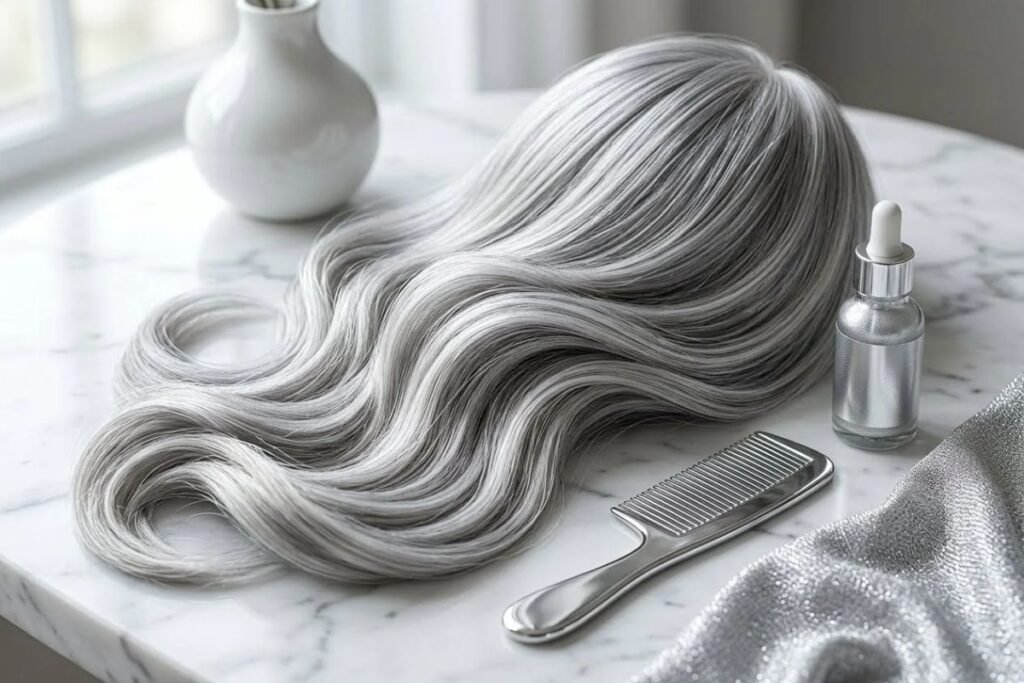
The good news is that you have several options, from icy silver and platinum silver to soft silver-gray hair. In this guide, you’ll learn how to achieve silver hair, choose the right toner, and maintain your new color. You’ll also find recommended products for silver hair that you can explore and purchase directly from the article, making it easier to choose suitable options for your coloring and hair care routine.
Why Is Silver Hair So Popular?
Silver hair has become a popular choice because it looks modern, stylish, and different from traditional hair colors. Some people love the bold look of metallic silver, while others prefer soft silver-gray shades that look more natural. The best part is that silver hair color comes in several variations, so you can choose a look that matches your personal style.
Silver Hair Offers Different Shades and Styles
One reason people love silver hair is the variety of shades available. Icy silver hair gives a cool, bright finish, while ash silver hair creates a softer, more muted appearance.
Platinum silver hair offers a light, polished look, and metallic silver hair delivers a bold, reflective finish. If you prefer a blend of blonde and silver tones, silver blonde hair can be a beautiful option.
Silver Hair Looks Beautiful on Different Hair Lengths
Silver hair color can work with short, medium, and long hairstyles. Short hair can look striking with a metallic silver shade, while long hair allows silver tones to flow throughout the length. You can also try silver highlights or silver balayage if you want to add dimension without coloring every strand. These styles can create a softer transition between your natural hair color and the silver tones.
Silver Hair Can Complement Different Hair Textures
Whether your hair is straight, wavy, or curly, you can explore different silver hair color ideas to suit your style. Silver tones can highlight the shape and texture of curls, while straight hair can show off a smooth, reflective finish.
However, bleaching and coloring may cause dryness, so keeping your hair moisturized is important, especially if you have naturally dry or curly hair.

How Can I Get Silver Hair? Essential Steps to Follow
Many people think they can get perfect silver hair by choosing a silver dye and applying it straight to their hair. However, achieving an even, shiny silver shade usually takes a little more preparation.
Your hair needs the right base color, and you may need a toner to remove unwanted yellow tones before applying silver hair dye.
If you’re asking, how can I get silver hair that looks beautiful and lasts longer, following the right steps can make a big difference. From preparing your hair to choosing the right coloring products, each step helps you achieve a better result while reducing unnecessary damage. Here’s how to approach the process.
Choose Your Perfect Silver Hair Color
Before you start coloring, decide which silver shade you want. Silver hair isn’t limited to one color. It ranges from bright, icy tones to deep metallic shades, so choosing the right option will help you plan your coloring process.
Icy silver hair is a cool, pale shade that looks bright and clean. It usually requires a very light blonde base because darker or yellow hair can affect the final color. Platinum silver hair is another popular option, combining a pale, almost white appearance with subtle silver tones.
If you prefer something softer, ash silver hair may be a better choice. It has muted, cool undertones that create a more understated look. Metallic silver hair, on the other hand, has a reflective finish that makes the color appear bold and eye-catching.
You can also consider dark silver hair if you want a deeper shade rather than a bright, almost-white finish. Silver-gray hair color is another option for people who prefer a balanced mix of gray and silver tones.
Think about the final appearance you want before buying any products. Look at silver hair color charts and product swatches, but remember that the results shown on the packaging may differ from your own hair. Your starting shade, previous color treatments, and hair condition can all affect the outcome.
Check Your Current Hair Color and Condition
Your current hair color plays a major role in determining how easily you can achieve silver hair. Natural blonde hair may need less lightening, while brown or black hair usually requires more work to reach the pale base needed for a bright silver shade.
If you’re starting with dark hair, don’t assume that applying silver hair dye will make it silver. Most silver dyes deposit cool pigments but cannot lift dark hair enough to create a bright, clear silver result. Trying to skip the necessary preparation can leave your hair looking brown, brassy, or uneven.
Previously colored hair can be more complicated. Box dye, permanent color, henna, and earlier chemical treatments may affect how your hair lightens. That’s why it’s important to consider your hair’s coloring history before deciding on a method.
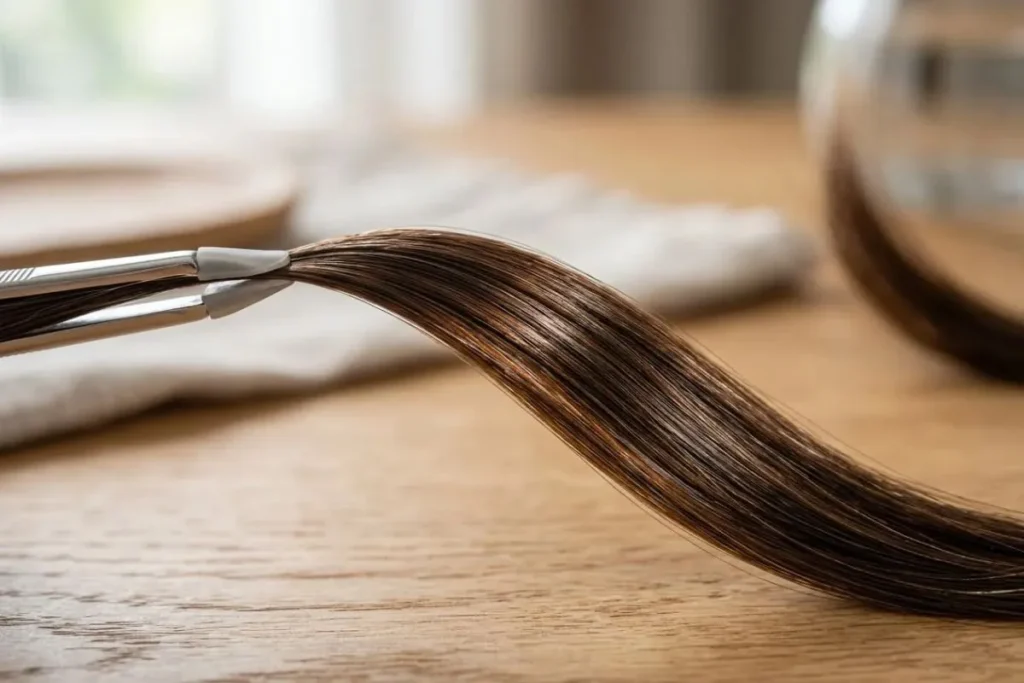
You should also check your hair’s condition. If your strands feel weak, stretch unusually when wet, or break easily, bleaching may make the problem worse. A professional colorist can assess your hair and help you decide whether it’s ready for coloring.
Before applying bleach or dye, perform the product’s required patch test and strand test. A strand test helps you see how your hair responds to the process and whether the expected silver shade is realistic. These simple precautions can help you avoid unpleasant surprises.
Prepare Your Hair Before Coloring
Healthy preparation can make the silver hair coloring process easier to manage. Bleaching and coloring can stress your hair, so it’s worth taking time to assess its condition before you begin.
Start by following a gentle hair care routine. Use a suitable conditioner and avoid unnecessary heat styling if your hair is already dry. If you regularly use straighteners or curling irons, reducing their use before coloring can help limit additional stress.
Avoid experimenting with several chemical treatments immediately before bleaching. Relaxers, perms, and other chemical services can affect how your hair responds to lightening. If you’ve recently had a chemical treatment, ask a qualified colorist whether it’s safe to proceed.
It’s also helpful to gather the products and tools you’ll need before starting. Depending on your chosen method, these may include a suitable lightener, developer, toner, silver hair dye, gloves, and color-safe conditioning products.
Always follow the specific product instructions rather than guessing the mixing ratios or processing time.
Remember that preparation cannot eliminate all the risks associated with bleaching. However, checking your hair’s condition, testing the product, and choosing suitable formulas can help reduce avoidable problems and support a better result.
Lighten Your Hair to the Right Level
If you want bright silver, icy silver, or platinum silver hair, lightening is often one of the most important steps. Most of these shades require a very pale blonde base because silver pigments show more clearly when the underlying yellow tones are minimal.
Hair bleach works by removing pigment from the hair. As your natural color lightens, it may pass through reddish, orange, and yellow stages before reaching a pale blonde shade.
Darker hair often needs more lightening than naturally blonde hair, and previously colored hair may respond unpredictably.
This is why how to bleach hair for silver depends on your starting color and hair condition. Trying to move from black hair to pale silver in one session can cause serious damage, particularly if the hair has already been chemically treated.
A gradual approach may be safer for people with dark hair. A professional colorist can determine whether your hair can tolerate additional lightening and how many sessions may be needed.
If your hair becomes excessively stretchy, brittle, or damaged during the process, stop rather than continuing to chase a lighter shade.
Once your hair reaches a suitable base, it may be ready for toning and silver coloring. However, bleaching alone doesn’t usually create the finished silver look. It prepares the hair for the next step.
How Can I Get Silver Hair at Home Without Damaging It?
Many people believe that getting silver hair at home always leads to dry, damaged strands, but that isn’t necessarily true. The risk depends on your starting hair color, the products you use, and how your hair responds to chemical treatments.
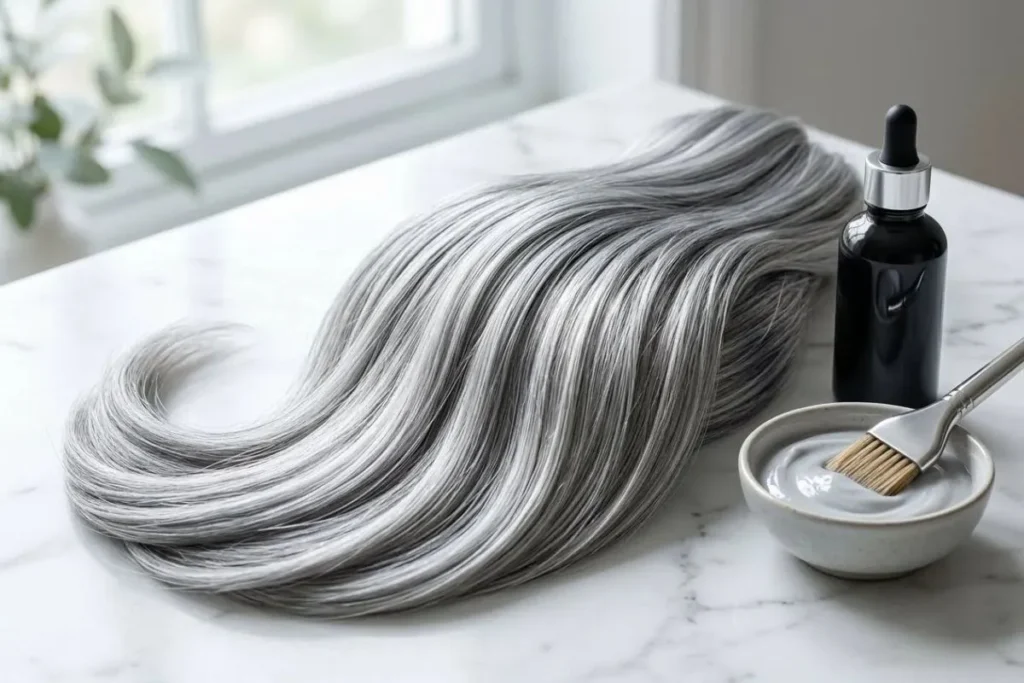
If you’re wondering how can I get silver hair at home without damaging it, the best approach is to choose a method that suits your hair’s condition instead of rushing to achieve a lighter shade.
Choose the Right Method for Your Hair
Before you start, consider whether you want permanent silver hair or simply want to try the color for a short time. Your choice will help you decide which products are suitable and how much processing your hair may need.
If your hair is already a very light blonde, you may be able to achieve a silver look with an appropriate toner or color-depositing product. However, if your hair is dark brown or black, you will usually need significant lightening to achieve bright silver hair. Trying to skip this step by applying silver hair dye directly may leave you with a dull or uneven result.
Temporary silver hair color is another option if you want to experiment without committing to a permanent change. Silver sprays, hair waxes, and color-depositing products can add a silver effect without requiring the same chemical process as bleaching. These products work best when their instructions match your starting hair color and desired finish.
Check Your Hair Condition Before Coloring
Healthy hair is a better starting point for any coloring process. Before using bleach or silver hair dye, look for signs of damage, such as excessive breakage, rough texture, or strands that stretch unusually when wet.
If your hair is already weak or heavily processed, consider postponing chemical coloring and seeking advice from a professional colorist. Applying more bleach to damaged hair can increase breakage and make it harder to achieve an even silver shade.
It’s also important to consider your hair’s previous treatments. Permanent dye, relaxers, perms, and other chemical services can affect how your hair reacts to lightening. If you’ve used henna or an unknown color product, tell your stylist before starting a new treatment.
Perform a Patch Test and Strand Test
Never skip the safety checks when coloring your hair at home. A patch test helps identify a possible allergic reaction to a product, while a strand test shows how your hair may respond to the coloring process.
Follow the manufacturer’s instructions for both tests. A strand test can help you check whether your hair reaches the expected color, how long the product takes to work, and whether the resulting texture remains acceptable.
Keep in mind that passing these tests doesn’t guarantee that you won’t experience irritation or hair damage. If you develop burning, swelling, or a strong reaction, stop using the product and follow its safety guidance. Do not apply bleach or dye to an irritated scalp.
Frequently Asked Questions About Getting Silver Hair
How Can I Get Silver Hair Quickly?
The fastest way to get silver hair depends on your current hair color and condition. If your hair is already very light blonde, you may be able to achieve a silver shade with a suitable toner or silver hair dye.
Dark brown or black hair usually needs more lightening, which may require multiple sessions. Avoid rushing the process because excessive bleaching can cause dryness and breakage.
Can I Get Silver Hair in One Day?
Yes, some people can achieve silver hair in one day, especially if their hair is already light enough. However, dark or previously colored hair may need several sessions to reach the pale base required for bright silver hair. A professional colorist can assess your hair and recommend a suitable approach.
What Is the Best Silver Hair Dye?
The best silver hair dye depends on your starting hair color and the result you want. Permanent silver hair dye may offer a longer-lasting result, while semi-permanent formulas can be useful for refreshing color.
Temporary silver hair products are suitable for experimenting with the look without a long-term commitment. Always check whether the product is designed for your hair’s current shade.
Can I Get Silver Hair Without Bleach?
Getting a bright, true silver shade without bleach can be difficult if your hair is dark. Silver dye generally cannot lighten dark hair enough to create a clear silver result.
However, temporary silver sprays, hair waxes, and color-depositing products may provide a silver effect without bleaching. These options usually work better on lighter hair.
What Is the Best Toner for Silver Hair?
The best toner for silver hair depends on the underlying color of your lightened hair. Purple-based toners can help neutralize yellow tones, while other toners may be suitable for different undertones.
Your hair usually needs to be light enough before toning can produce a clean silver result. Follow the product instructions and avoid leaving toner on longer than recommended.
How Do I Keep Silver Hair From Turning Yellow?
To keep silver hair looking fresh, use suitable color-safe shampoo and conditioner, and consider purple shampoo when your hair develops unwanted yellow tones.
Avoid excessive heat styling and use a heat protectant when necessary. Regular conditioning and appropriate toning can also help maintain the appearance of silver hair. Remember that purple shampoo can reduce yellow tones but cannot correct every color problem.
Is Silver Hair High Maintenance?
Silver hair can require more maintenance than many darker hair colors. The shade may fade, unwanted warm tones can appear, and darker roots may become noticeable as your hair grows.
You may need occasional toning, color-refreshing products, and regular conditioning to maintain the look. Choosing a blended silver balayage or softer silver-gray shade may reduce the need for frequent root touch-ups.
How Long Does Silver Hair Dye Last?
The longevity of silver hair dye depends on the formula, your hair’s condition, how frequently you wash it, and the products you use. Temporary color may wash out quickly, while semi-permanent color gradually fades. Permanent dye generally lasts longer, but silver tones can still lose their brightness over time. Following a suitable hair care routine can help preserve the color.
Can Brunettes Get Silver Hair?
Yes, brunettes can achieve silver hair, but the process usually requires lightening the hair before applying silver toner or dye. Dark brown hair may need multiple sessions to reach the pale blonde base required for a bright silver finish.
Previously colored hair can be more challenging to lighten evenly. A professional colorist can help determine the safest approach for your hair.
How Do I Get Silver Hair That Looks Natural?
For a natural-looking silver shade, consider soft silver-gray tones, blended highlights, or silver balayage. These techniques can create dimension and a gradual transition between your natural hair color and the silver sections.
Choosing a shade that complements your existing color can also make the result look softer and less dramatic. Regular conditioning and gentle styling will help keep your silver hair looking smooth and healthy.
Conclusion:
Getting beautiful silver hair doesn’t have to be confusing when you understand what your hair needs. The best results come from choosing the right shade, preparing your hair properly, and using suitable coloring products.
Whether you want icy silver, platinum silver, metallic silver, or natural-looking silver-gray hair, focus on achieving a color that suits your starting shade and hair condition.
If you’re still wondering how can I get silver hair without causing unnecessary damage, remember that patience is important. Dark hair may need gradual lightening, while lighter blonde hair may require only the right toner and silver color product.
Use gentle hair care products, avoid excessive bleaching, and maintain your new shade with a suitable routine. If your hair is already damaged or you want a dramatic color change, consider consulting a professional colorist.
With the right approach and consistent care, you can enjoy a beautiful silver look while keeping your hair as healthy as possible.

Name: Shahzadi
I’m passionate about skincare, beauty, and simple self-care. I share practical skincare tips, beauty routines, product insights, and easy ways to build healthy-looking, glowing skin.
My goal is to make beauty and skincare easier to understand, so you can discover routines that fit your everyday life.


Pingback: 15+ What Is Purple Shampoo :Powerful Secrets For Brighter Beautiful Blonde Hair