
Many people believe that learning how to make your own skin care products is difficult, expensive, and only suitable for beauty experts. The truth is exactly the opposite.
Making your own skincare can be simple, affordable, and enjoyable when you understand the basics. You don’t need professional equipment or advanced knowledge to create products that fit your skin’s needs.
In recent years, more people have started switching to DIY skin care products because they want greater control over the ingredients they use every day. Instead of relying on products filled with unnecessary additives, many people now prefer simple recipes made with natural ingredients they already know and trust.
Another reason homemade skincare has become so popular is the ability to customize every product. Every person’s skin is different, so it makes sense to create products that match your own skin type rather than buying something designed for everyone.
Whether you have dry, oily, combination, or sensitive skin, learning how to make your own skin care products at home gives you the flexibility to choose ingredients that work best for you.

Making your own skincare can also save money over time. Many commercial beauty products come with premium prices because of branding and packaging.
When you prepare homemade skin care products, you’re often paying only for the ingredients you actually need. This allows you to build an effective skincare routine without overspending.
Another benefit is knowing exactly what goes into every product. Many people prefer natural skin care products because they want to reduce their exposure to unnecessary artificial colors, fragrances, or preservatives.
While not every natural ingredient works for everyone, having full control over your recipes gives you the freedom to experiment responsibly and find what suits your skin.
Throughout this guide, you’ll learn everything you need to know about how to make your own skin care products, from understanding natural ingredients to creating beginner-friendly recipes and following safe preparation methods.
Whether your goal is healthier skin, a more natural beauty routine, or simply trying something new, this guide will help you get started with confidence.
What Are Homemade Skin Care Products?
To understand how to make your own skin care products, it’s important to first know what homemade skincare actually means.
Homemade skin care products are beauty products that you prepare yourself using carefully selected ingredients instead of buying ready-made formulas from a store.
These products may include facial cleansers, moisturizers, scrubs, face masks, lip balms, body butters, toners, and many other everyday skincare essentials.
Unlike many commercial products, homemade skincare allows you to decide exactly what goes into each recipe. This gives you greater flexibility when creating products that match your personal skincare goals.
One of the biggest reasons people choose homemade skincare is ingredient transparency. When you prepare products yourself, you know every ingredient that has been added.
This makes it easier to avoid ingredients you don’t want while focusing on those that support your skin’s needs.
Another advantage is the ability to create natural skin care products using ingredients like aloe vera, honey, shea butter, coconut oil, oatmeal, and plant-based oils.
These ingredients have been used in beauty routines for generations and continue to be popular because of their versatility.
However, it’s important to remember that “natural” doesn’t automatically mean suitable for everyone. Every skin type reacts differently, which is why patch testing remains an essential part of using any new skincare product.
Homemade vs. Commercial Skin Care Products
Many people wonder whether homemade products are better than commercial ones. The answer depends on your goals and how well a product is made.
Commercial skincare products are developed through extensive testing and are often designed to have a longer shelf life. They may also contain preservatives that help maintain product stability.
On the other hand, homemade beauty products give you complete control over the ingredients. You can adjust recipes according to your skin type, avoid ingredients you dislike, and prepare smaller batches that stay fresh.
Learning how to make your own natural skin care products also encourages you to become more aware of what your skin truly needs instead of simply following marketing trends.
Why Homemade Skincare Has Become So Popular
The popularity of DIY skin care products continues to grow because people are becoming more interested in simple, mindful beauty routines.
Many individuals now prefer creating products at home because they enjoy knowing exactly what they’re applying to their skin.
Others appreciate the ability to personalize recipes or reduce unnecessary packaging by reusing containers, making homemade skincare a more eco-conscious choice.
Social media has also inspired many beginners to explore organic beauty recipes and natural skincare ideas. While online inspiration can be helpful, it’s always important to rely on trusted recipes and use ingredients safely.
The Benefits of Using Natural Ingredients
One of the biggest reasons people want to learn how to make your own skin care products is the opportunity to use simple, familiar ingredients.
Natural ingredients like aloe vera can provide lightweight hydration, oatmeal may help soothe dry skin, honey is often used in moisturizing recipes, and shea butter is a popular choice for nourishing dry areas. Coconut oil is another well-known ingredient, although it may not suit every skin type.
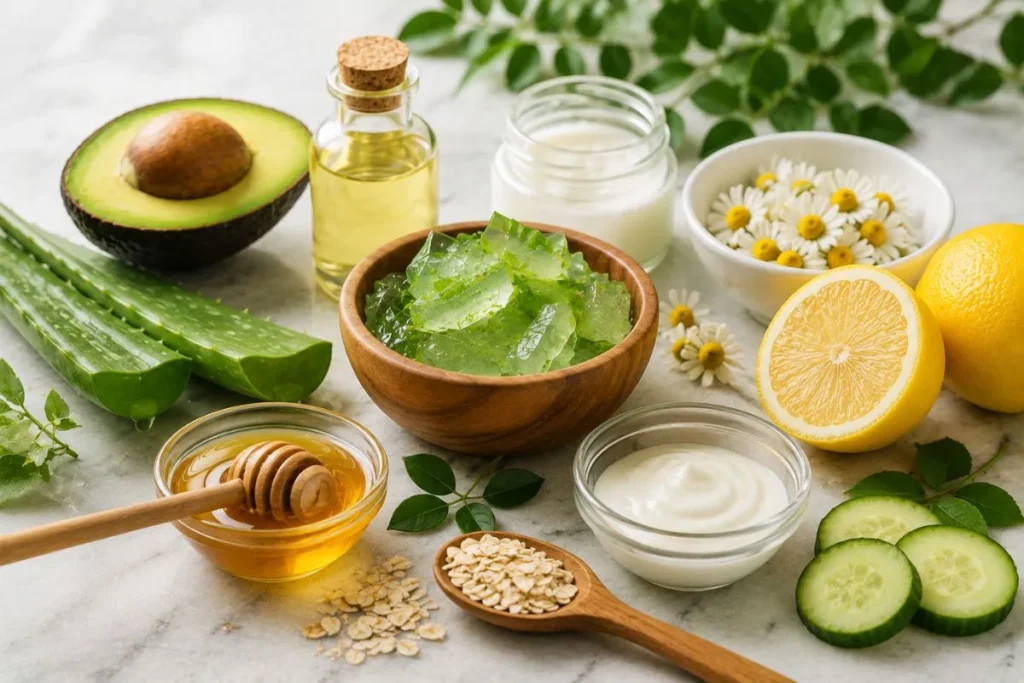
Choosing ingredients carefully allows you to create a natural beauty routine that reflects your personal preferences while giving you greater confidence in the products you use.
Homemade Skincare Gives You More Control
Perhaps the greatest advantage of making your own skincare is customization.
Instead of buying one product that promises to work for everyone, you can adjust your recipes to suit your own skin. You may prefer lighter moisturizers during warmer months or richer creams during winter.
You can also experiment with different natural ingredients until you find combinations that work best for your skin.
This level of flexibility is one of the biggest reasons so many people continue exploring DIY skin care products as part of their everyday beauty routine.
As you continue reading this guide on how to make your own skin care products, you’ll learn which ingredients are worth using, what tools you’ll need, and how to safely create skincare products that are simple, practical, and effective.
3. Benefits of Making Your Own Skin Care Products
Many people think that learning how to make your own skin care products is only about saving money.
While affordability is certainly one advantage, it’s far from the only reason people choose homemade skincare. In reality, one of the biggest benefits is having complete control over what you put on your skin.
From choosing natural ingredients to creating products that suit your skin type, making your own skincare gives you a level of flexibility that many store-bought products simply can’t offer.
As more people look for healthier beauty routines, DIY skin care products continue to grow in popularity.
Whether you’re a beginner or someone interested in living a more natural lifestyle, creating your own skincare can be a rewarding experience.
You Have Complete Control Over the Ingredients
One of the greatest advantages of learning how to make your own natural skin care products is knowing exactly what’s inside every product you use.
When you make homemade skin care products, you decide which ingredients to include and which ones to avoid.
This is especially helpful if you prefer simple formulas made with natural ingredients or if you want to stay away from certain fragrances, dyes, or additives.
Having full control over your ingredients also makes it easier to customize products according to your personal skincare needs instead of relying on one formula designed for everyone.
You Can Avoid Unnecessary Chemicals
Many commercial skincare products contain preservatives, artificial fragrances, synthetic colors, and other ingredients that some people prefer to avoid.
Although these ingredients are commonly used in cosmetics, many people choose chemical-free skincare because they want a simpler beauty routine built around carefully selected ingredients.
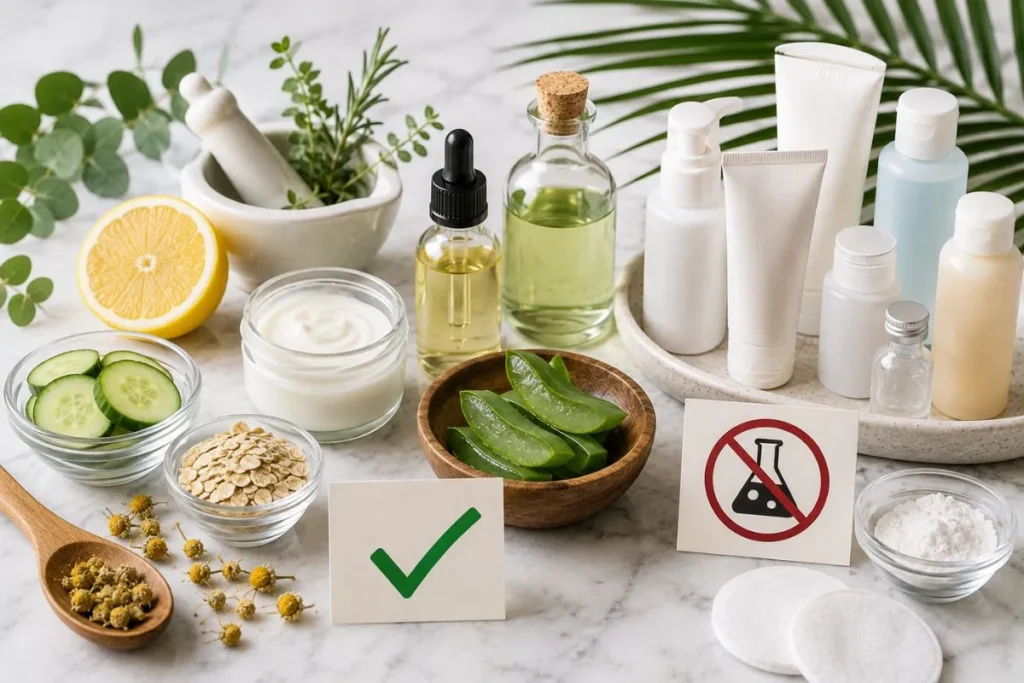
Learning how to make your own skin care products allows you to choose natural alternatives whenever appropriate while creating products that align with your personal preferences.
Homemade Skincare Can Save You Money
Quality skincare products can become expensive, especially when you’re buying cleansers, moisturizers, serums, scrubs, and masks separately.
Making DIY skin care products at home often costs less because many recipes use simple ingredients that can be purchased in larger quantities and used in multiple products.
While there may be some initial costs for buying ingredients and containers, homemade skincare can become a budget-friendly option over time, especially if you regularly use skincare products.
It’s a More Eco-Friendly Choice
Another reason many people want to learn how to make your own skin care products is to reduce waste.
Preparing your own products allows you to reuse glass jars, bottles, and storage containers instead of constantly purchasing new plastic packaging. Buying ingredients in bulk can also reduce unnecessary packaging and support a more eco-friendly skincare routine.
Although homemade skincare won’t eliminate all waste, it can help reduce your environmental impact while encouraging more sustainable beauty habits.
You Can Customize Products for Your Skin Type
Every person’s skin is unique, which means skincare should never be one-size-fits-all.
One of the biggest benefits of homemade beauty products is the ability to adjust recipes according to your skin’s changing needs.
For example, someone with dry skin may prefer richer moisturizing ingredients, while oily skin may benefit from lighter formulations. Sensitive skin may require simpler recipes with fewer ingredients to minimize irritation.
This level of customization is one of the biggest reasons people continue exploring how to make your own natural skin care products instead of relying entirely on ready-made products.
Making Skincare Can Be a Fun and Creative Hobby
Creating skincare isn’t just practical it’s also enjoyable.
Many people discover that making DIY skin care products becomes a relaxing hobby that allows them to experiment with different natural ingredients and simple recipes.
Whether you’re creating a homemade lip balm, facial scrub, moisturizer, or body butter, each recipe gives you an opportunity to learn more about skincare while developing products that suit your preferences.
Over time, you’ll become more confident in selecting ingredients and understanding how different recipes work together as part of your natural beauty routine.
You’ll Learn More About Your Skin
Another hidden benefit of learning how to make your own skin care products is becoming more aware of your skin’s needs.
As you experiment with different ingredients, you’ll begin to notice what works well for your skin and what doesn’t. This knowledge helps you make smarter skincare decisions, even when purchasing commercial products.
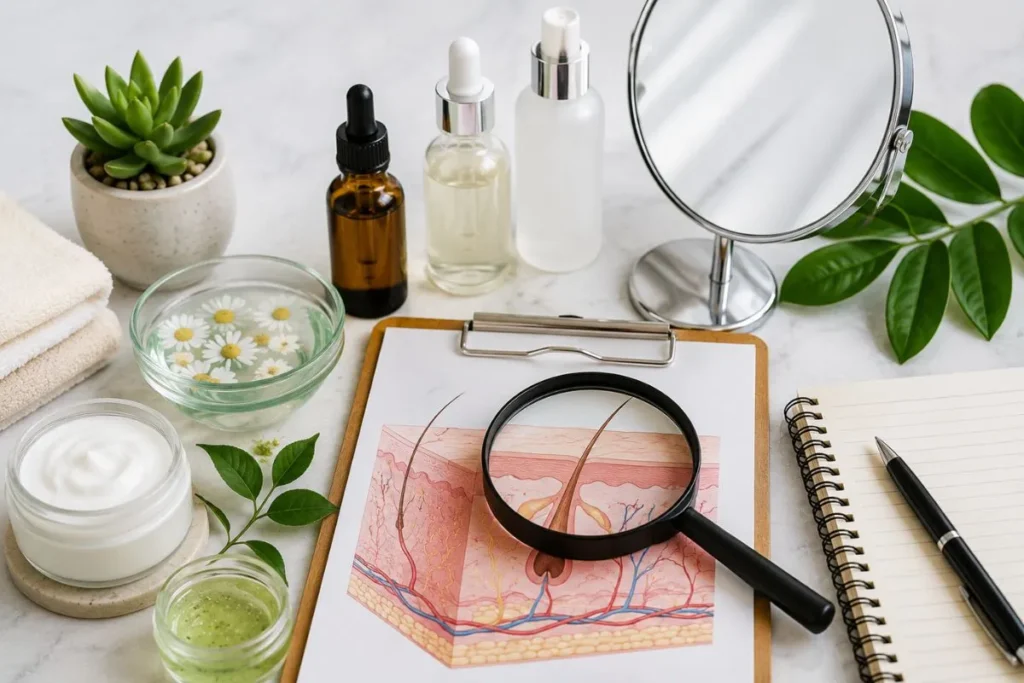
Instead of choosing products based only on advertising, you’ll better understand ingredients, textures, and formulations that truly support healthy skin.
Homemade Skincare Encourages a Simpler Beauty Routine
Many people own far more skincare products than they actually need.
Creating your own homemade skin care products often encourages a simpler approach by focusing on quality instead of quantity.
Rather than filling your bathroom with dozens of products, you can build a routine around a few well-made essentials that work together to support healthy skin.
This approach not only saves time but also makes your skincare routine easier to maintain every day.
The Real Benefit Is Confidence in What You Use
Perhaps the greatest advantage of how to make your own skin care products is the confidence it gives you.
When you understand the ingredients, prepare products carefully, and create recipes that match your skin type, you become more involved in your own skincare journey.
You’re no longer relying solely on marketing claims you know exactly what you’re using and why.
Whether your goal is to reduce unnecessary chemicals, save money, support eco-friendly skincare, or simply enjoy creating homemade beauty products, making your own skincare offers benefits that go far beyond the finished product.
By starting with simple recipes and learning gradually, you’ll build a skincare routine that’s personalized, practical, and designed specifically for you.
Essential Ingredients You’ll Need to Make Your Own Skin Care Products
Many people believe that learning how to make your own skin care products requires dozens of expensive or hard-to-find ingredients. Fortunately, that’s not true.
You don’t need a large collection of supplies to get started. In fact, many DIY skin care products are made with a handful of simple ingredients that work well together.
The key is choosing high-quality ingredients that suit your skin type and using them correctly.
If you’re just beginning your homemade skincare journey, it’s better to build a small collection of versatile ingredients instead of buying everything at once.
As you gain experience, you can gradually expand your collection and experiment with more advanced DIY beauty recipes.
Carrier Oils Form the Base of Many Recipes
Carrier oils are one of the most important skin care ingredients you’ll use when learning how to make your own skin care products. They act as the base for many moisturizers, facial oils, body butters, and serums.
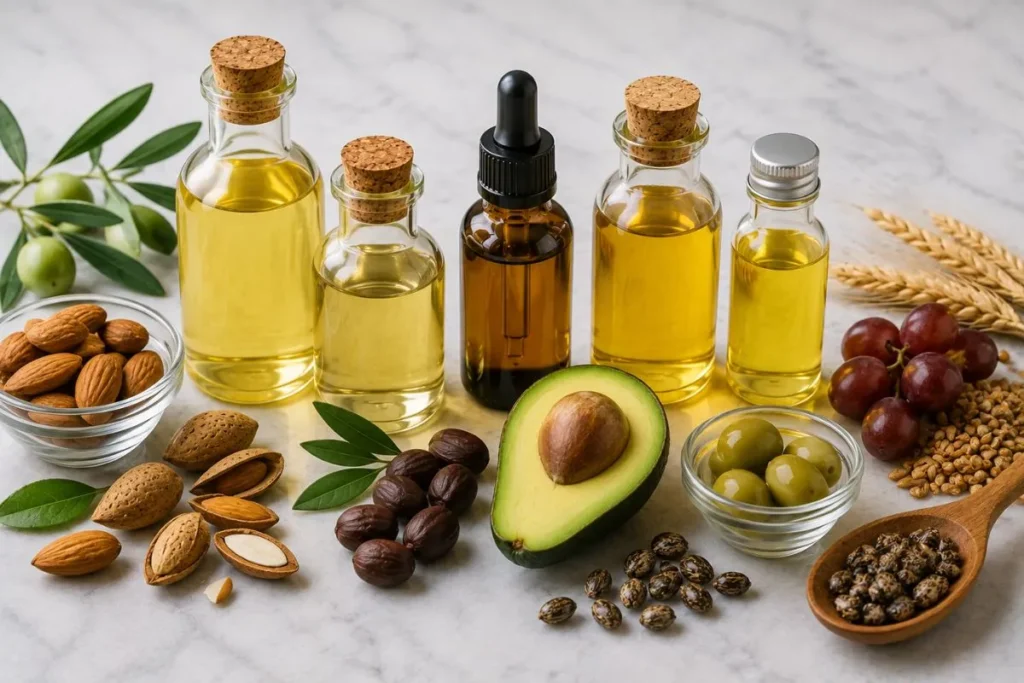
Popular carrier oils include jojoba oil, sweet almond oil, grapeseed oil, avocado oil, and argan oil. Each oil has different properties, so choosing one that matches your skin type is important.
For example, lighter oils often work well for oily or combination skin, while richer oils may provide extra nourishment for dry skin.
Essential Oils Add Natural Fragrance and Benefits
Many people enjoy adding essential oils for skin care to homemade products because they provide natural aromas and may offer additional skincare benefits.
Lavender, tea tree, chamomile, and frankincense are among the most commonly used essential oils in natural skin care products.
However, essential oils are highly concentrated and should always be diluted properly before applying them to the skin. Using too much can cause irritation, especially for sensitive skin.
When making homemade skin care products, always follow recommended dilution guidelines and perform a patch test before regular use.
Shea Butter Provides Deep Moisture
Shea butter is one of the most popular ingredients in homemade beauty products, especially for dry or rough skin.
Rich in natural fats, it helps soften the skin while creating a protective barrier that locks in moisture.
Many shea butter recipes include body butters, hand creams, lip balms, and facial moisturizers because of its smooth texture and nourishing properties.
If your skin tends to become dry during colder months, shea butter can be an excellent addition to your skincare routine.
Aloe Vera Is Known for Its Soothing Properties
Aloe vera has been used in skincare for generations and remains one of the most versatile natural ingredients for skin.
Fresh aloe vera gel or high-quality aloe vera gel can be used in moisturizers, face masks, soothing gels, and after-sun care products.
Many people appreciate aloe vera skin care because it provides lightweight hydration without feeling greasy, making it suitable for many skin types.
It’s especially popular in recipes designed to calm and refresh the skin.
Coconut Oil Is a Popular Multi-Purpose Ingredient
When discussing how to make your own skin care products, coconut oil is often one of the first ingredients people mention.
It can be used in body butters, lip balms, body scrubs, and other moisturizing products.
Although coconut oil skin care works well for many people, it may not be suitable for every skin type, particularly those who are prone to clogged pores. Understanding your skin’s needs will help you decide whether coconut oil is the right choice for your recipes.
Honey Adds Natural Moisture
Honey is another favorite ingredient in DIY skin care products because of its moisturizing properties.
It’s commonly used in homemade face masks, cleansers, and gentle exfoliating treatments.
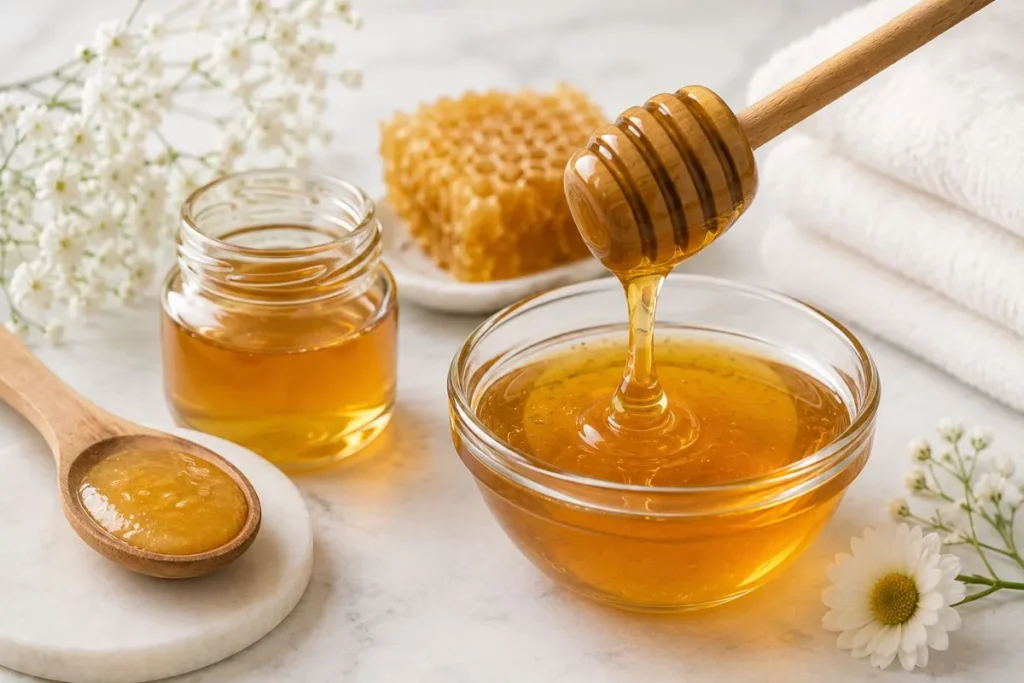
Honey blends well with ingredients like oatmeal, yogurt, and aloe vera, making it a versatile addition to many beginner-friendly recipes.
Choosing pure, high-quality honey helps you get the best results from your homemade skincare.
Oatmeal Helps Soothe the Skin
Finely ground oatmeal is often included in natural skin care products because it provides gentle exfoliation while helping soothe dry or sensitive skin.
It works especially well in face masks, cleansers, and bath soaks.
Oatmeal is easy to use and pairs well with honey, yogurt, and aloe vera to create simple yet effective skincare recipes.
Clay Helps Cleanse and Refresh the Skin
Natural clay is widely used in facial masks because it helps remove excess oil and impurities from the skin.
Different types of clay are available, including bentonite clay, kaolin clay, and French green clay. Each type offers slightly different properties, making it important to choose one that suits your skin type.
Clay masks are especially popular among people with oily or combination skin who want a deeper cleanse as part of their natural beauty routine.
Vitamin E Supports Many Homemade Recipes
Vitamin E oil is frequently added to homemade skin care products because it helps nourish the skin and may also support the stability of oil-based recipes.
You’ll often find it in homemade serums, moisturizers, lip balms, and body butters.
Only a small amount is usually needed, making it an easy ingredient to include in your growing collection of skin care ingredients.
Choose High-Quality Ingredients for Better Results
One of the most important lessons when learning how to make your own skin care products is that the quality of your ingredients matters.
Whenever possible, purchase ingredients from trusted suppliers that specialize in cosmetic or skincare materials.
Fresh, high-quality ingredients can improve both the effectiveness and safety of your homemade recipes.
It’s also a good idea to store your ingredients properly by keeping them in cool, dry places and using airtight containers to maintain freshness.
Start Simple and Build Your Collection Gradually
You don’t need every ingredient on your first day.
Many beginners successfully create homemade skin care products using just a few basic ingredients like aloe vera, shea butter, carrier oils, honey, and oatmeal. As your confidence grows, you can gradually explore additional ingredients and create more advanced DIY cosmetic recipes.
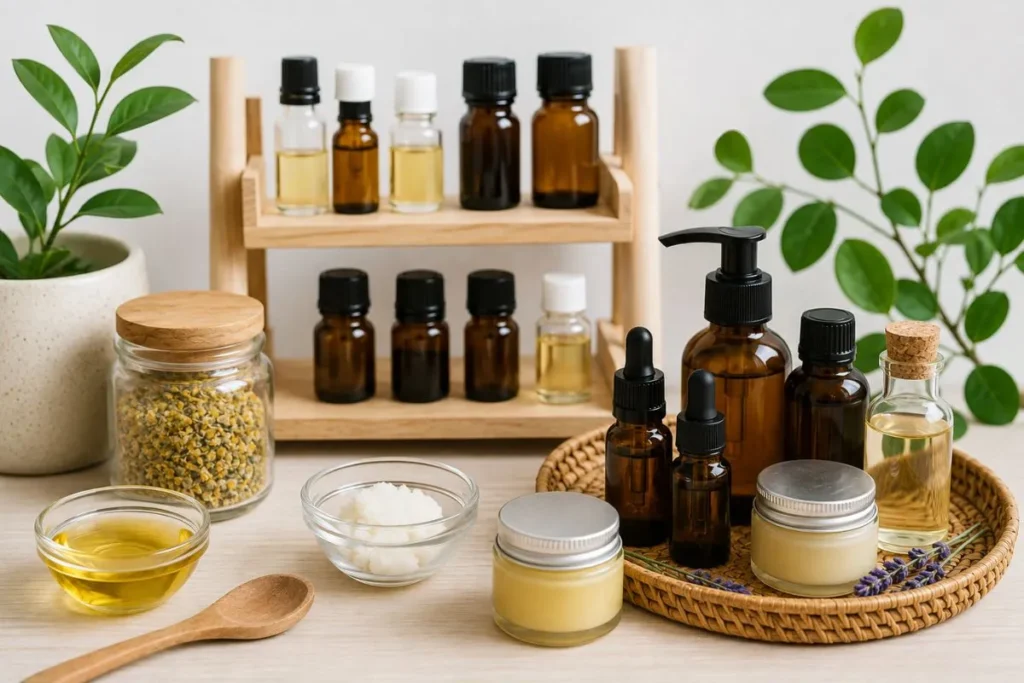
Learning how to make your own skin care products is a journey, and building your ingredient collection slowly allows you to understand how each ingredient works before moving on to more complex formulations.
By choosing quality ingredients and using them wisely, you’ll be well on your way to creating safe, effective, and personalized skincare products that support a healthy, glowing complexion.
5. Basic Tools for DIY Skin Care Products
Many people think that learning how to make your own skin care products requires expensive equipment or a professional workshop. The good news is that it doesn’t.
Most DIY skin care products can be made using simple tools that are affordable, easy to find, and reusable. Starting with the right equipment not only makes the process easier but also helps you prepare homemade skin care products safely and accurately.
If you’re new to homemade skincare, investing in a few basic tools will make your experience more enjoyable and help you create consistent results.
Mixing Bowls
A good set of mixing bowls is one of the first tools you’ll need. Glass or stainless steel bowls are excellent choices because they are durable, easy to clean, and won’t react with most skin care ingredients.
Having bowls in different sizes also makes it easier to prepare both small and large batches of DIY skin care products.
Measuring Spoons and Cups
Accurate measurements are important when making homemade beauty products. Using measuring spoons and cups ensures that every ingredient is added in the correct amount. This helps create balanced recipes and reduces the chance of wasting valuable ingredients.
Glass Jars
Glass jars are perfect for storing creams, body butters, facial masks, and scrubs. Unlike some plastic containers, glass doesn’t absorb oils or odors, making it a reliable option for storing homemade organic cosmetics. Choose jars with tight-fitting lids to help keep your products fresh.
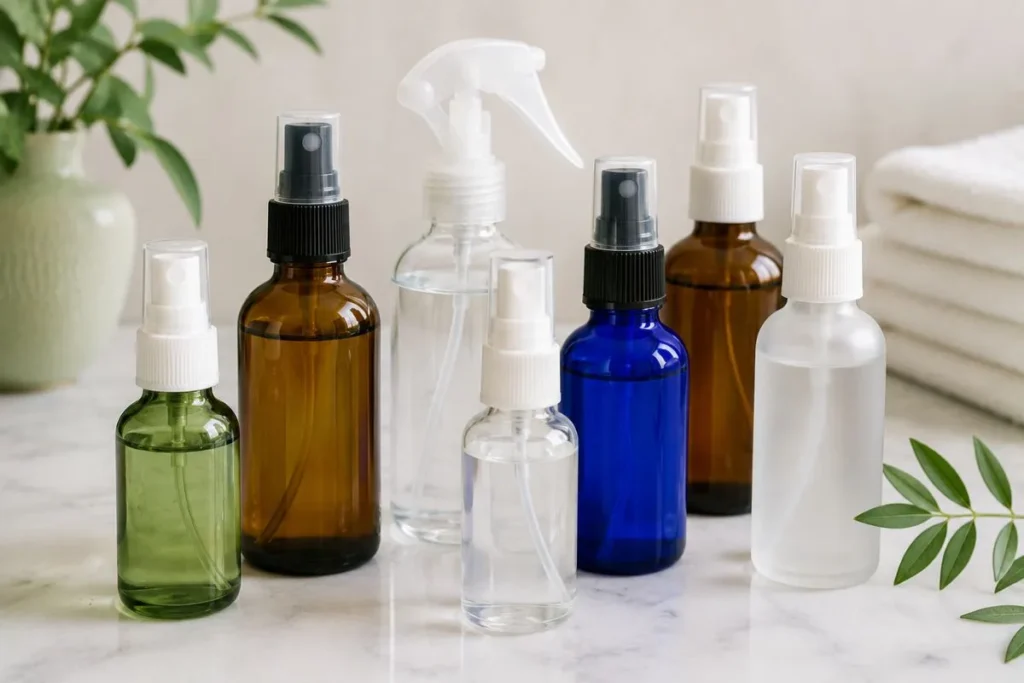
Spray Bottles
Spray bottles are useful for storing facial mists, toners, and refreshing sprays. Small glass spray bottles are often the best choice because they protect light-sensitive ingredients and are easy to carry while traveling.
Double Boiler
Some ingredients, such as beeswax and shea butter, need gentle heat to melt properly.
A double boiler helps melt these ingredients evenly without exposing them to direct heat, which can affect their texture or quality. If you don’t have one, you can create a simple version by placing a heat-safe bowl over a pot of simmering water.
Whisks and Mixing Spoons
Whisks, silicone spatulas, and mixing spoons help combine ingredients smoothly. They make it easier to blend oils, butters, and other ingredients into a uniform mixture.
Keeping separate tools for your DIY cosmetic recipes also helps maintain cleanliness during preparation.
Labels
Labeling your products is a habit that many beginners overlook. Every jar or bottle should include the product name and the date it was made. This simple step helps you track freshness and avoid using products beyond their recommended shelf life.
Storage Containers
Proper storage is just as important as proper preparation. Airtight containers protect your homemade skin care products from moisture, dust, and contamination. Store your products in a cool, dry place away from direct sunlight to help preserve their quality for as long as possible.
Keep Your Tools Clean
One of the most important parts of how to make your own skin care products is maintaining good hygiene. Always wash and dry your tools thoroughly before and after each use. Clean equipment reduces the risk of contamination and helps your homemade products stay fresh and safe to use.
Start with the Basics
You don’t need to buy every tool at once. A few mixing bowls, measuring spoons, glass jars, a whisk, and some storage containers are enough to begin making simple DIY skin care products.
As your skills improve, you can gradually add more specialized equipment to your collection.
The right tools make the process easier, but it’s your attention to cleanliness, accurate measurements, and careful preparation that truly leads to successful homemade beauty products.
With these basic supplies, you’ll be ready to move on to creating your first skincare recipes with confidence.
Easy DIY Skin Care Recipes for Beginners
Many people believe that learning how to make your own skin care products means following complicated recipes with dozens of ingredients. The truth is, beginners can create effective DIY skin care products using just a few simple ingredients.
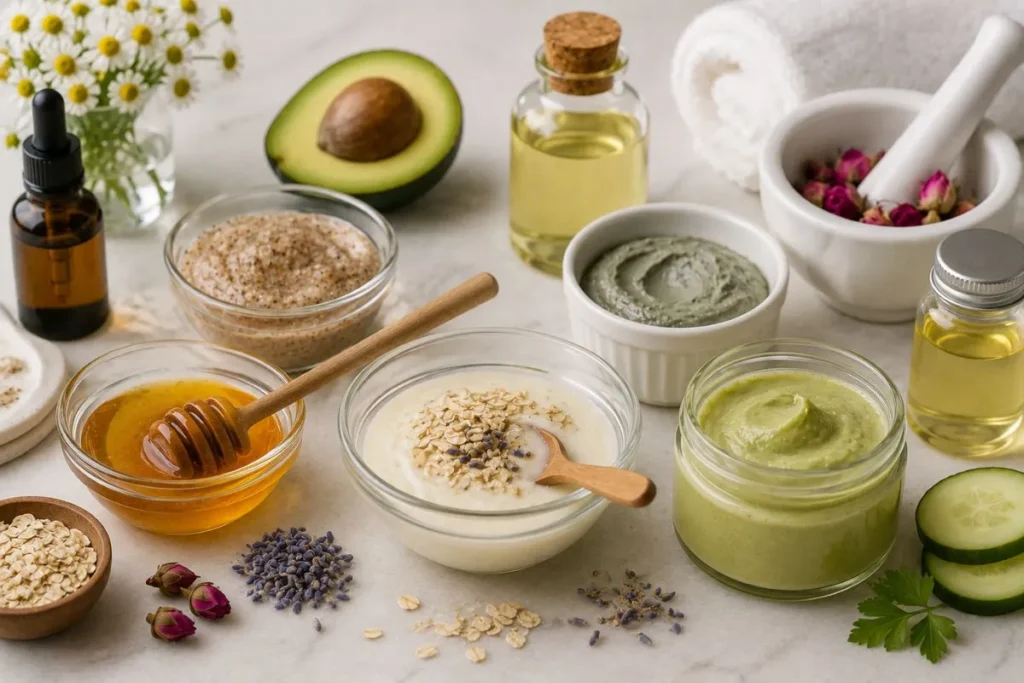
Starting with easy recipes helps you understand how different ingredients work while building confidence in making homemade skin care products.
Homemade Facial Cleanser
A gentle homemade facial cleanser made with natural ingredients can help remove dirt and excess oil without leaving your skin feeling dry. Keep the formula simple and choose ingredients that suit your skin type.
DIY Toner
A DIY toner helps refresh your skin after cleansing and prepares it for moisturizing. Many beginners use simple, skin-friendly ingredients to create a lightweight toner for everyday use.
Homemade Face Moisturizer
A homemade moisturizer helps keep your skin soft and hydrated. Using nourishing natural ingredients for skin allows you to create a product that matches your skin’s moisture needs.
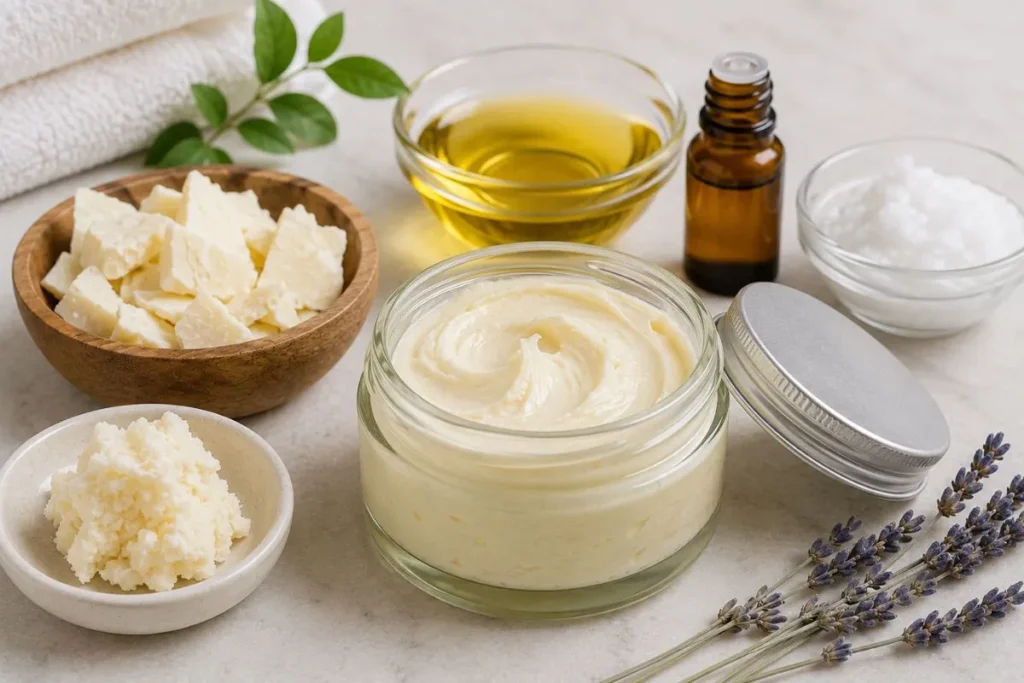
Homemade Lip Balm
Dry lips can benefit from a simple homemade lip balm made with moisturizing ingredients like beeswax and natural oils. It’s one of the easiest DIY beauty recipes for beginners.
Homemade Sugar Scrub
A sugar scrub gently removes dead skin cells while leaving the skin feeling smoother. Use it once or twice a week as part of your natural beauty routine instead of daily exfoliation.
DIY Body Butter
Body butter provides deep hydration for dry areas like elbows, knees, and hands. Many DIY skin care products include shea butter and natural oils to create a rich, nourishing texture.
Natural Face Mask
A homemade face mask made with ingredients such as honey, oatmeal, or aloe vera can leave your skin feeling refreshed and hydrated. Choose ingredients that match your skin type for the best results.
Start with Simple Recipes
When learning how to make your own skin care products, begin with easy recipes before trying advanced formulations. Simple recipes help you understand ingredients and build confidence while creating safe and effective homemade beauty products.
Homemade Skin Care Products for Different Skin Types
Many people assume one skincare recipe works for everyone, but how to make your own skin care products starts with understanding your skin type. Choosing ingredients that match your skin’s needs helps you create more effective and personalized homemade skin care products.
DIY Skin Care for Dry Skin
Dry skin benefits from rich moisturizers made with nourishing oils, shea butter, and other hydrating ingredients that help restore moisture and improve softness.
DIY Skin Care for Oily Skin
Oily skin usually responds well to lightweight ingredients that hydrate without leaving a greasy feeling. Gentle cleansing and balanced hydration are key.
DIY Skin Care for Combination Skin
Combination skin requires products that hydrate dry areas while controlling excess oil in the T-zone. A balanced skincare routine works best for this skin type.
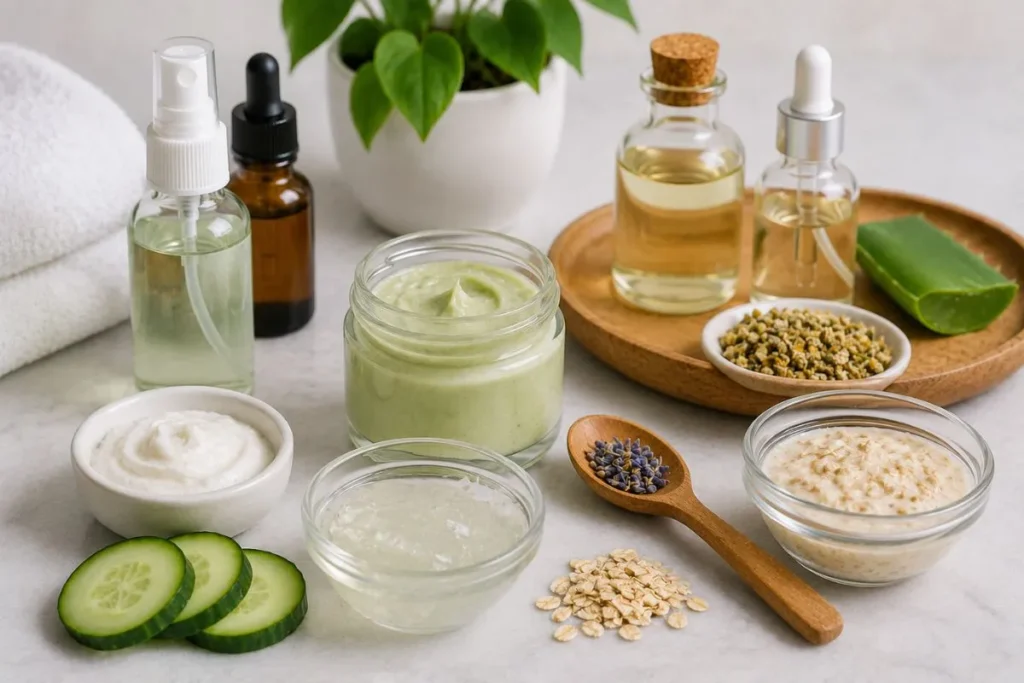
DIY Skin Care for Sensitive Skin
People with sensitive skin should choose simple recipes with fewer ingredients and always perform a patch test before using new DIY skin care products for sensitive skin.
DIY Skin Care for Mature Skin
Mature skin often benefits from deeply moisturizing ingredients that support smoother, healthier-looking skin and help maintain elasticity.
Choose Ingredients That Match Your Skin
The best homemade skin care products are those designed specifically for your skin type. Understanding your skin allows you to build a more effective and enjoyable natural skin care routine.
Common Mistakes to Avoid When Making DIY Skin Care Products
Many beginners think how to make your own skin care products is simply about mixing ingredients together. In reality, avoiding common mistakes is just as important as following the recipe.
Safe preparation helps you create better DIY skin care products that are both effective and enjoyable to use.
Using Dirty Equipment
Always clean your bowls, spoons, jars, and other tools before making skincare products. Proper hygiene helps reduce the risk of contamination.
Mixing Ingredients That Don’t Work Together
Not every ingredient is compatible with another. Research your ingredients carefully before creating new DIY cosmetic recipes.
Ignoring Expiration Dates
Natural ingredients have limited shelf lives. Always check freshness and avoid using expired oils, butters, or other skincare ingredients.
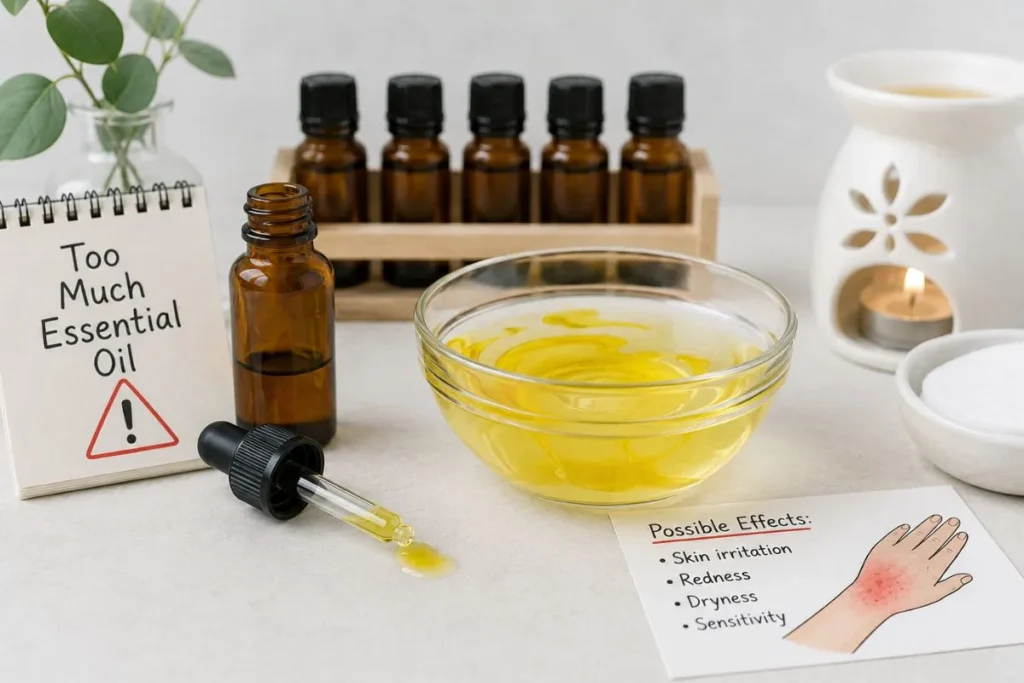
Using Too Much Essential Oil
Essential oils are highly concentrated. Adding too much may irritate the skin instead of improving it. Always follow recommended dilution guidelines.
Skipping the Patch Test
Before applying any new product to your face, test it on a small area of skin. This simple step helps identify possible irritation or allergic reactions.
Improper Storage
Store your homemade skin care products in clean, airtight containers away from heat, moisture, and direct sunlight to help maintain their quality.
Trying Complicated Recipes Too Soon
Beginners often attempt advanced recipes before learning the basics. Start with simple DIY skin care products and gradually build your skills and confidence.
Focus on Safety and Consistency
The secret to successfully learning how to make your own skin care products isn’t making the most complicated recipes. It’s following safe practices, using quality ingredients, and creating simple products consistently.
These habits will help you enjoy better results while building a reliable homemade skincare routine.
Homemade vs Store-Bought Skin Care Products
Many people believe that store-bought products are always better than homemade ones because they’re made by well-known brands. The truth is that both options have their own advantages.
Learning how to make your own skin care products helps you understand what works best for your skin and when DIY skin care products may be the right choice.
The best option depends on your skin type, lifestyle, and personal preferences.
Ingredient Transparency
One of the biggest advantages of homemade skin care products is knowing exactly what goes into every recipe. You choose each ingredient yourself, making it easier to avoid ingredients you don’t want in your natural skin care products.
Cost Comparison
Making your own skincare can be more affordable over time. Many homemade beauty products use simple ingredients that can be used in several different recipes, helping you save money compared to buying multiple commercial products.
Customization for Your Skin Type
One of the greatest benefits of learning how to make your own skin care products is the ability to customize every recipe. You can adjust ingredients to suit dry, oily, combination, or sensitive skin instead of relying on one product made for a wide range of users.

Shelf Life
Most DIY skin care products have a shorter shelf life because they usually contain fewer preservatives. This means it’s best to prepare small batches and use them within the recommended time while storing them properly.
Effectiveness
Both homemade and commercial skincare can be effective when used correctly.
Homemade skin care products work well for simple daily routines, while some advanced skin concerns may benefit from professionally formulated products designed for specific purposes.
Convenience
Store-bought skincare is convenient because it’s ready to use immediately. Homemade skincare requires a little extra time for preparation, but many people enjoy creating products that are personalized and made with carefully selected ingredients.
Environmental Impact
Making DIY skin care products can be a more sustainable choice. Reusing glass jars, buying ingredients in bulk, and reducing plastic packaging all help create a more eco-friendly skincare routine.
Which Option Is Better?
There isn’t a single answer. Some people prefer natural skin care products they make at home, while others enjoy combining homemade recipes with commercial products. The best approach is the one that keeps your skin healthy, fits your routine, and matches your personal skincare goals.
13. Frequently Asked Questions (FAQs)
Is It Safe to Make Your Own Skin Care Products?
Yes, it can be safe if you follow proper hygiene, use quality skin care ingredients, and prepare your products carefully.
When learning how to make your own skin care products, always clean your tools, use fresh ingredients, and perform a patch test before applying any new product to your skin.
What Ingredients Should Beginners Start With?
Beginners should start with simple ingredients such as aloe vera, shea butter, honey, oatmeal, carrier oils, and beeswax. These ingredients are commonly used in DIY skin care products and are easy to work with when making basic recipes.
How Long Do Homemade Skin Care Products Last?
Most homemade skin care products have a shorter shelf life than commercial products because they usually contain fewer preservatives. The exact shelf life depends on the ingredients used and how the product is stored. Always prepare small batches and discard products if they change in color, smell, or texture.
Can Homemade Skin Care Replace Store-Bought Products?
It depends on your skincare goals. Many people use homemade beauty products for everyday cleansing, moisturizing, and exfoliating, while others combine them with commercial products for specific skin concerns. A balanced routine often provides the best results.
Which Oils Are Best for DIY Skin Care Products?
Popular carrier oils include jojoba oil, sweet almond oil, argan oil, grapeseed oil, and avocado oil. The best choice depends on your skin type and the type of DIY skin care products you want to make.
How Should Homemade Skin Care Products Be Stored?
Store your homemade skin care products in clean, airtight containers and keep them in a cool, dry place away from direct sunlight. Some products made with fresh ingredients may also need refrigeration to maintain their quality.
Can I Make Skin Care Products Without Preservatives?
Yes, many simple recipes can be made without preservatives. However, products that contain water or fresh ingredients spoil more quickly. If you’re learning how to make your own skin care products, it’s often best to make small batches that can be used within a short period.
Are DIY Skin Care Products Good for Sensitive Skin?
They can be, provided you choose gentle ingredients and avoid anything that may trigger irritation. People with sensitive skin should always perform a patch test before using new DIY skin care products for sensitive skin and keep recipes simple with only a few ingredients.
Do Homemade Skin Care Products Really Work?
Yes, many natural skin care products made at home can support a healthy skincare routine when prepared correctly and used consistently. Results depend on the quality of ingredients, your skin type, and choosing recipes that meet your specific skincare needs.
What Is the Best Way to Learn How to Make Your Own Skin Care Products?
The best approach is to start with beginner-friendly recipes, use trusted ingredients, and gradually build your knowledge. As you gain experience with how to make your own skin care products, you’ll become more confident in creating safe, effective, and personalized skincare products that fit your daily routine.
Conclusion:
Learning how to make your own skin care products is more than just a fun DIY project. It’s an opportunity to take control of your skincare routine, understand the ingredients you use, and create products that are tailored to your unique skin type.
You don’t need to be a beauty expert to get started. With the right knowledge, quality ingredients, and a few basic tools, anyone can begin making safe and effective DIY skin care products at home.
Throughout this guide, you’ve discovered the benefits of creating homemade skin care products, learned about essential ingredients and tools, explored beginner-friendly recipes, and understood how to choose products based on your skin type.
You’ve also learned the importance of following proper hygiene, storing products correctly, and avoiding common mistakes that can affect the quality of your homemade skincare.
One of the biggest advantages of making your own skincare is the ability to customize every product. Whether you’re creating a gentle cleanser, a nourishing moisturizer, a refreshing toner, or a soothing face mask, you have complete control over the ingredients you use.
This makes it easier to build a natural skin care routine that suits your personal preferences and skincare goals.
Remember that simple is often better. You don’t need dozens of ingredients or complicated recipes to create effective homemade beauty products. Starting with a few trusted ingredients and gradually expanding your knowledge will help you develop confidence while producing better results.
Safety should always remain your top priority. Choose high-quality natural ingredients for skin, keep your equipment clean, prepare small batches, store your products properly, and always perform a patch test before using a new recipe.
These simple habits will help you enjoy your homemade skincare while reducing the risk of irritation or contamination.
The journey of learning how to make your own natural skin care products is one of continuous improvement. As you gain experience, you’ll better understand your skin’s needs and become more skilled at selecting ingredients that work well together.
Over time, you’ll create products that fit your lifestyle and support healthier, more radiant skin.
In the end, how to make your own skin care products isn’t about replacing every commercial product on your shelf. It’s about making informed choices, embracing creativity, and building a skincare routine that works specifically for you.
By combining consistency, quality ingredients, and safe preparation methods, you can enjoy the many benefits of DIY skin care products while taking a more natural and personalized approach to caring for your skin.

Name: Shahzadi
I’m passionate about skincare, beauty, and simple self-care. I share practical skincare tips, beauty routines, product insights, and easy ways to build healthy-looking, glowing skin.
My goal is to make beauty and skincare easier to understand, so you can discover routines that fit your everyday life.


