

Have you ever picked up a lotion labeled “organic” only to wonder if it actually lives up to the promise? With countless products claiming to be natural, clean, or plant-based, choosing the right one can quickly become overwhelming.
The best organic lotion does much more than moisturize. It helps nourish your skin with naturally derived ingredients while avoiding unnecessary chemicals that may irritate sensitive skin. But not every bottle with a green label offers the same quality or benefits.
This guide will help you understand what makes an organic lotion worth buying, which ingredients deserve your attention, what to avoid, and how to choose the right formula for your skin type. By the end, you’ll feel confident selecting a lotion that keeps your skin soft, healthy, and hydrated every day.
What Is an Organic Lotion?
If you’re wondering What Is an Organic Lotion, it is a skincare moisturizer formulated primarily with ingredients that are grown and processed according to organic farming standards.
Most organic lotions contain plant-based ingredients cultivated without synthetic pesticides, chemical fertilizers, genetically modified organisms (GMOs), or other harmful agricultural chemicals.
They are designed to nourish, hydrate, and protect the skin while minimizing exposure to unnecessary synthetic ingredients.
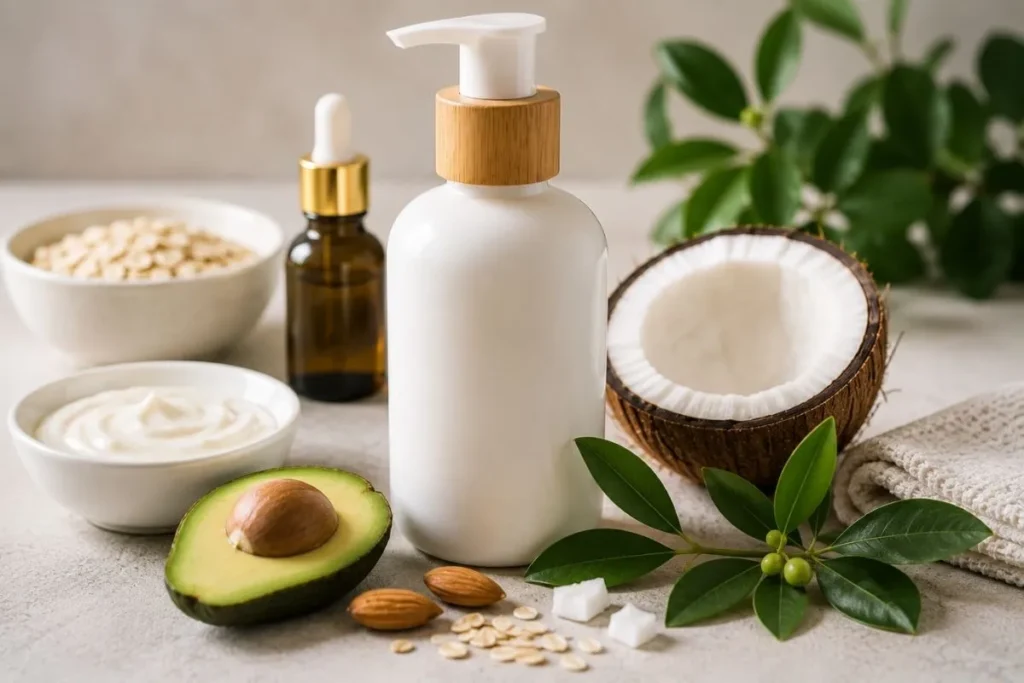
A high-quality organic body lotion is typically made with nutrient-rich botanical ingredients such as shea butter, cocoa butter, aloe vera, coconut oil, jojoba oil, almond oil, sunflower seed oil, and herbal extracts.
These natural ingredients provide deep hydration, improve skin elasticity, soothe irritation, and help strengthen the skin’s natural moisture barrier without relying on harsh chemicals.
Unlike many conventional moisturizers, organic moisturizers often avoid artificial fragrances, parabens, phthalates, sulfates, silicones, mineral oil, formaldehyde-releasing preservatives, and synthetic dyes.
This makes them a preferred choice for people with sensitive, dry, or easily irritated skin who want a gentler skincare routine.
Understanding what an organic lotion is also means knowing the difference between natural and organic skincare.
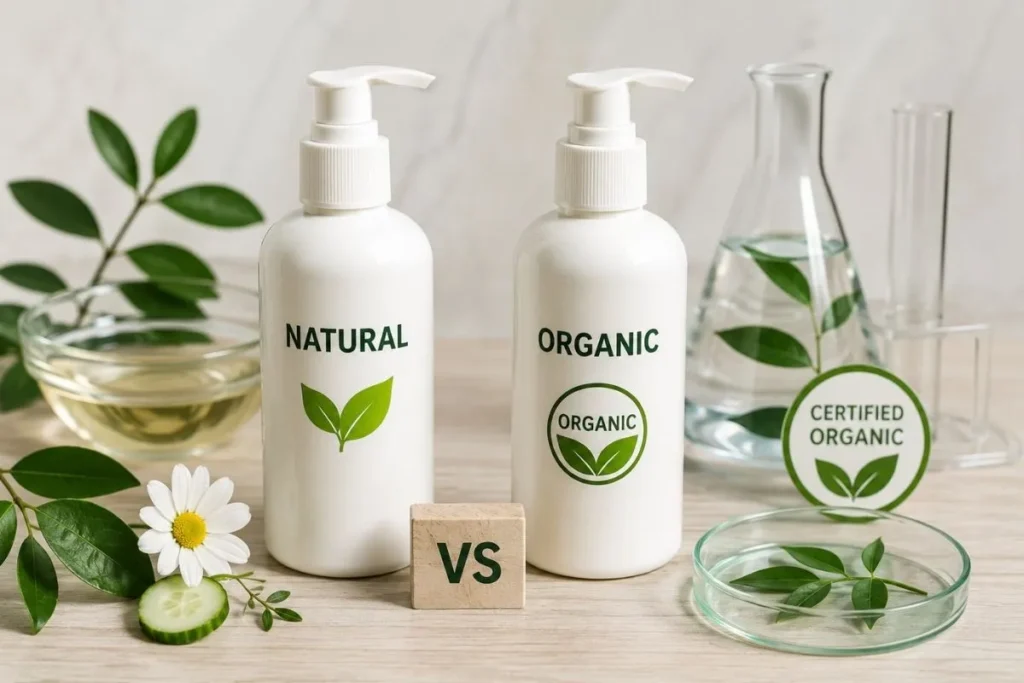
A product labeled “natural” may still contain synthetic ingredients, while certified organic skincare lotions must meet strict certification standards for ingredient sourcing, farming, processing, and manufacturing.
Depending on the certifying organization, a certified organic product must contain a high percentage of organically produced ingredients and follow rigorous quality guidelines.
Choosing an organic lotion offers several benefits beyond hydration. These products help replenish moisture, support the skin’s protective barrier, reduce dryness, and deliver vitamins, antioxidants, and essential fatty acids from plant-based ingredients.
Many people also appreciate that organic lotions are produced using environmentally responsible farming practices, making them a more sustainable choice for both skin health and the planet.
Whether you have dry, sensitive, mature, or normal skin, using an organic body lotion made with high-quality botanical ingredients can provide long-lasting hydration while keeping your skincare routine as clean and gentle as possible.
Why More People Are Choosing Organic Lotions
Consumers have become more aware of what they apply to their skin. Since your skin is your body’s largest organ, many people prefer products with simpler ingredient lists and naturally sourced ingredients.
The best organic lotion often provides benefits such as:
- Deep hydration
- Softer skin texture
- Gentle care for sensitive skin
- Fewer artificial ingredients
- Plant-based nourishment
- Reduced exposure to synthetic fragrances and harsh chemicals
Many organic lotions are also cruelty-free and packaged with sustainability in mind, making them appealing to environmentally conscious shoppers.
What Makes the Best Organic Lotion?
Not every organic lotion performs the same way. Several factors separate an average moisturizer from one that delivers long-lasting results.
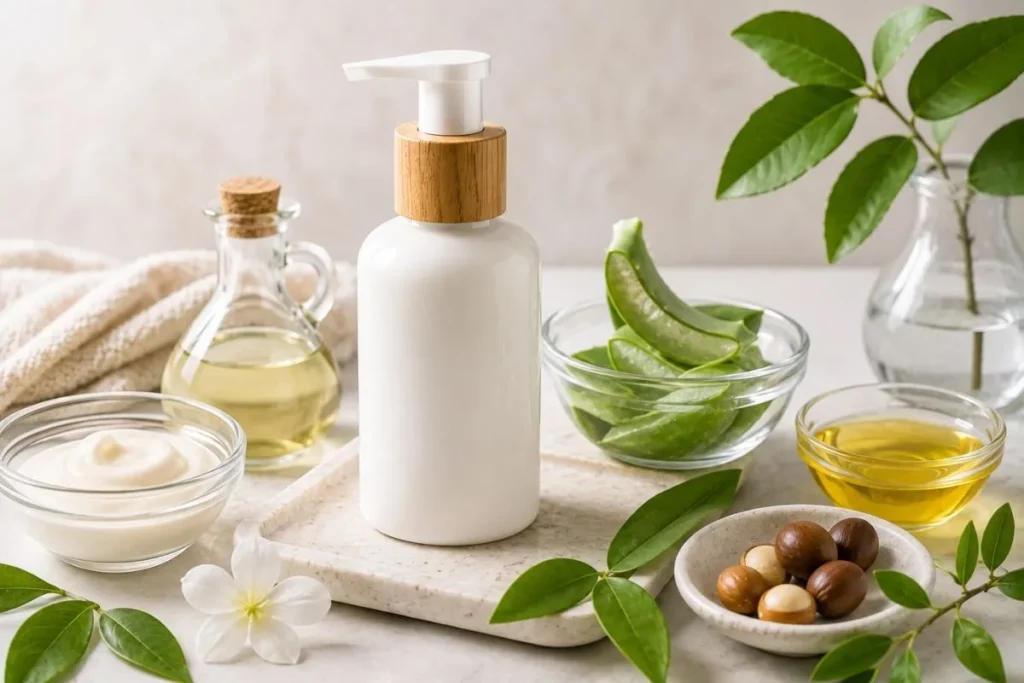
Rich Moisturizing Ingredients
Quality organic lotions typically include ingredients known for their moisturizing properties, including:
- Shea butter
- Cocoa butter
- Aloe vera
- Coconut oil
- Jojoba oil
- Sweet almond oil
- Avocado oil
- Olive oil
These ingredients help lock in moisture while supporting healthy-looking skin.
Skin-Friendly Formulas
The best lotions absorb easily without leaving an oily residue. A lightweight formula works well for daily use, while richer creams provide extra nourishment for very dry skin.
Organic Certifications
If organic sourcing matters to you, look for trusted certifications that verify ingredient standards rather than relying solely on marketing claims.
Ingredients That Benefit Your Skin
Understanding the ingredient label makes choosing a lotion much easier.
Aloe Vera
Aloe vera helps soothe irritated skin while providing lightweight hydration.
Shea Butter
Rich in vitamins and fatty acids, shea butter softens rough skin and helps reduce dryness.
Coconut Oil
Coconut oil supports moisture retention and leaves skin feeling smooth.
Jojoba Oil
Because jojoba oil closely resembles the skin’s natural oils, it absorbs well without feeling heavy.
Vitamin E
Vitamin E acts as an antioxidant that supports healthy-looking skin and helps maintain moisture.
Calendula Extract
Calendula is often used in organic skincare because of its soothing properties, especially for sensitive skin.
Ingredients You May Want to Avoid
Many people shopping for organic skincare prefer to limit ingredients that may irritate sensitive skin.
These include:
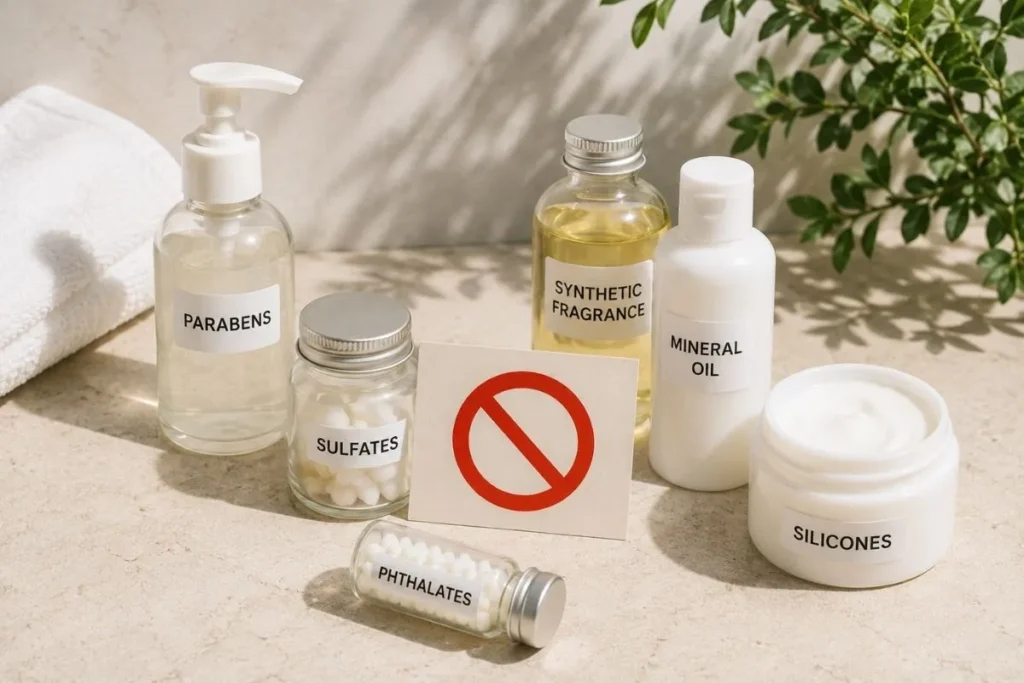
- Artificial fragrances
- Parabens
- Phthalates
- Mineral oil
- Formaldehyde-releasing preservatives
- Excessive synthetic dyes
- Harsh sulfates
While not everyone reacts to these ingredients, people with sensitive skin often choose gentler alternatives.
How to Choose the Best Organic Lotion for Your Skin Type
Different skin types have different hydration needs.
Dry Skin
Look for rich moisturizers containing:
- Shea butter
- Cocoa butter
- Avocado oil
- Ceramides
- Natural oils
These ingredients provide long-lasting moisture and help repair the skin barrier.
Oily Skin
Lightweight organic lotions with aloe vera or jojoba oil hydrate without making skin feel greasy.
Sensitive Skin
Choose fragrance-free formulas with minimal ingredients and soothing botanical extracts.
Patch testing a new product before full application is always a smart idea.
Mature Skin
Ingredients like vitamin E, rosehip oil, and antioxidant-rich botanical extracts can help improve skin softness and support a healthy appearance.
Common Mistakes When Buying Organic Lotion
Many shoppers make simple mistakes that lead to disappointing results.
Assuming “Natural” Means Organic
Natural and organic are not interchangeable terms. Always read ingredient labels carefully.
Ignoring the Ingredient List
Front-label marketing claims can be misleading. The ingredient list tells you what you’re actually buying.
Choosing Based Only on Scent
A pleasant fragrance doesn’t guarantee effective hydration. Performance matters more than perfume.
Using the Wrong Formula
A lightweight lotion may not be enough for extremely dry skin, while a rich cream may feel too heavy for oily skin.
Matching the lotion to your skin type delivers better results.
How to Get the Most from Your Organic Lotion
Proper application makes a noticeable difference.
For the best results:
- Apply immediately after showering.
- Use on slightly damp skin.
- Massage gently until absorbed.
- Apply twice daily if your skin is very dry.
- Drink enough water to support healthy skin hydration.
Consistency matters more than applying large amounts at once.
Does Organic Lotion Really Work?
Yes when formulated well.
Organic lotions moisturize using plant-based oils, butters, humectants, and botanical extracts that help replenish the skin’s moisture barrier.
The key is choosing products with effective ingredients rather than focusing solely on the word “organic.”
Can Organic Lotion Help Sensitive Skin?
Many people with sensitive skin find organic lotions gentler because they often contain fewer synthetic ingredients.
However, natural ingredients can still trigger allergies in some individuals. Always perform a patch test before using any new skincare product.
Organic Lotion vs Conventional Lotion
Both types can effectively moisturize the skin, but they differ in formulation.
Organic lotions typically emphasize naturally sourced ingredients and avoid many synthetic additives. Conventional lotions may include synthetic moisturizers, fragrances, preservatives, or silicones.
The better choice depends on your skin’s needs, ingredient preferences, and any sensitivities you may have.
Expert Tips for Choosing the Right Organic Lotion
A few smart habits can improve your skincare routine:
- Read the ingredient list before buying.
- Choose lotions suited to your skin type.
- Avoid products with unnecessary fragrance if your skin is sensitive.
- Store lotions away from direct sunlight.
- Replace expired skincare products.
- Moisturize consistently instead of waiting for your skin to become dry.
These simple practices can help keep your skin healthier over time.
FAQs
What is the best organic lotion for dry skin?
Look for formulas rich in shea butter, cocoa butter, avocado oil, and aloe vera for deep, long-lasting hydration.
Is organic lotion better than regular lotion?
Not necessarily. A well-formulated organic lotion can be an excellent choice, but effectiveness depends on the quality of the ingredients and how well the product matches your skin type.
Can I use organic lotion every day?
Yes. Daily use helps maintain your skin’s moisture barrier and keeps skin feeling soft and comfortable.
Is organic lotion suitable for sensitive skin?
Many organic lotions are designed for sensitive skin, especially fragrance-free formulas. Patch testing is still recommended.
Does organic lotion expire?
Yes. Natural products often contain fewer synthetic preservatives, so always check the expiration date or the period-after-opening symbol.
Can organic lotion help eczema?
Some gentle organic lotions may soothe dry, irritated skin, but eczema often requires medical guidance. Consult a dermatologist if symptoms persist.
Should I apply lotion before bed?
Yes. Nighttime is an excellent opportunity for your skin to absorb moisture while you sleep.
Can organic lotion clog pores?
Most lightweight organic lotions formulated for the face or body are designed to absorb well. Choosing the right formula for your skin type helps minimize the risk of clogged pores.
Conclusion
Finding the best organic lotion isn’t about choosing the most expensive bottle or the product with the most attractive packaging. It comes down to selecting a moisturizer with nourishing ingredients that suit your skin’s unique needs.
Whether your goal is to soothe dryness, care for sensitive skin, or simply enjoy a more natural skincare routine, a thoughtfully formulated organic lotion can make a noticeable difference.
Read labels carefully, focus on ingredient quality, and use your lotion consistently to enjoy healthier, softer skin throughout the year.
Disclaimer
This article is intended for informational and educational purposes only. It should not replace professional medical advice, diagnosis, or treatment.
If you have chronic skin conditions, allergies, or persistent irritation, consult a qualified dermatologist before introducing new skincare products. Always perform a patch test before using any new lotion, especially if you have sensitive skin.

Name: Shahzadi
I’m passionate about skincare, beauty, and simple self-care. I share practical skincare tips, beauty routines, product insights, and easy ways to build healthy-looking, glowing skin.
My goal is to make beauty and skincare easier to understand, so you can discover routines that fit your everyday life.