
That favorite tube of lip gloss sitting in your makeup bag may look perfectly fine, but how long does lip gloss last good to use
In general, lip gloss is good for around 12 to 24 months after opening, although the exact lifespan depends on the formula, packaging, ingredients, storage conditions, and the manufacturer’s recommendations. An unopened lip gloss can often last longer, but it still does not last forever.
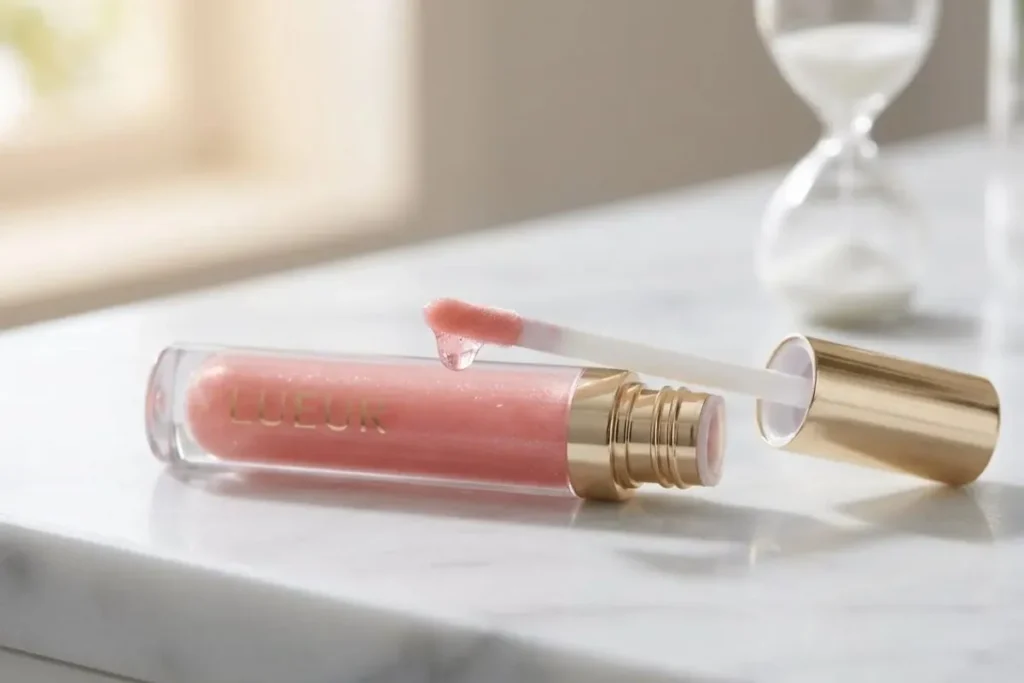
If you have had the same lip gloss for months or even years, you may be wondering, “Does lip gloss expire?” The answer is yes. Like other cosmetic products, lip gloss can change over time. Its smell, texture, color, and overall performance may gradually become different.
In this guide, you’ll learn how long lip gloss usually lasts, how to tell when it has gone bad, what the little open-jar symbol means, how storage affects its shelf life, and when it is better to replace an old tube.
How Long Is Lip Gloss Good For?
Most opened lip glosses are best used within about 12 to 24 months. However, there isn’t one expiration period that applies to every lip gloss.
The formula can make a difference. Some glosses contain oils, botanical ingredients, or other components that can change as they age. Packaging also matters because an applicator-style lip gloss is repeatedly exposed to air and comes into contact with your lips every time you use it.
If your gloss has been open for around two years, it is worth checking its condition carefully rather than continuing to use it simply because there is still plenty of product left.
The manufacturer’s instructions should always take priority over a general shelf-life estimate.
How Long Does Unopened Lip Gloss Last?
Unopened lip gloss can generally remain in good condition longer than an opened product because it has not been repeatedly exposed to air or introduced to contaminants through normal use.
However, unopened does not mean permanent. Cosmetic ingredients can still change over time, particularly if the product is stored in poor conditions.
Check the packaging for an expiration date, batch information, or other manufacturer guidance. Proper storage also matters. A lip gloss kept in a cool, dry place is likely to remain in better condition than one exposed to high temperatures or direct sunlight.
Does Lip Gloss Expire?
Yes, lip gloss can expire.
As a cosmetic product ages, its ingredients can gradually change. Oils may become rancid, the formula may separate, and the product can develop changes in smell, texture, or color.
Even when an old lip gloss looks acceptable, it may no longer perform the way it did when it was new.
There is also a hygiene consideration. With a lip gloss that has a wand applicator, the applicator repeatedly touches your lips before going back into the container. Over a long period of time, this can affect the condition of the product.
That is why you should consider both the product’s age and its physical condition before using an older gloss.
How to Tell If Lip Gloss Has Gone Bad
You don’t always need to know the exact date you opened your lip gloss to recognize that something isn’t right. Changes in smell, texture, appearance, or how the product feels can provide useful warning signs.
The Smell Has Changed
A noticeable change in smell is one of the easiest signs that a lip gloss may no longer be in good condition.
If your gloss suddenly smells sour, rancid, unusually chemical-like, or simply different from its original scent, it’s better to stop using it.
A strange smell can indicate that some of the ingredients have deteriorated.
The Texture Is Different
Fresh lip gloss should generally have a consistent texture that matches the product’s original formula.
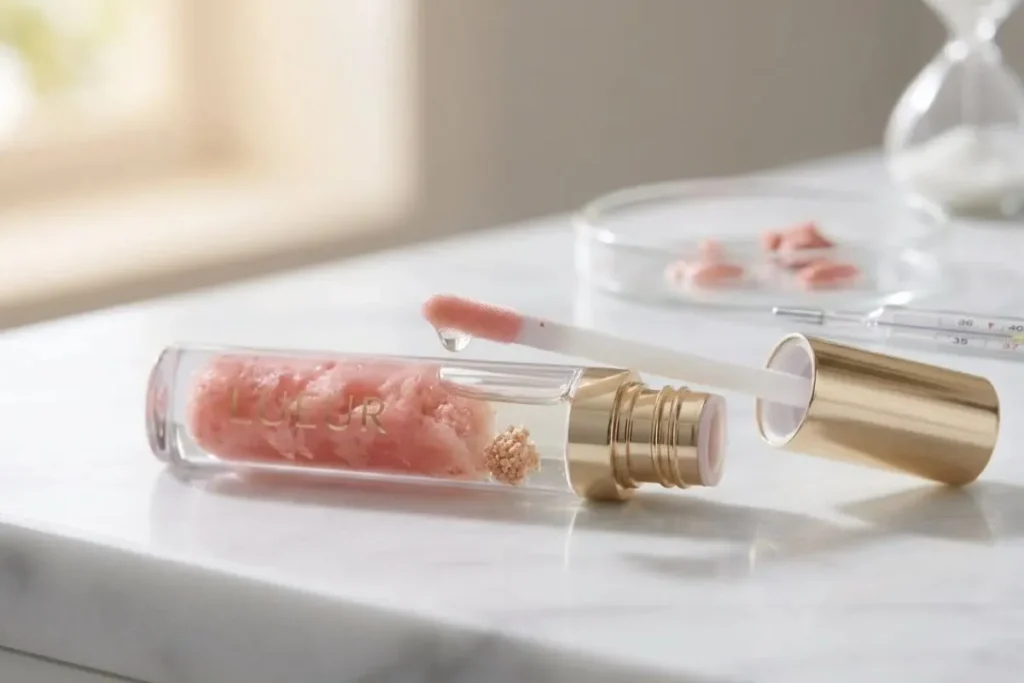
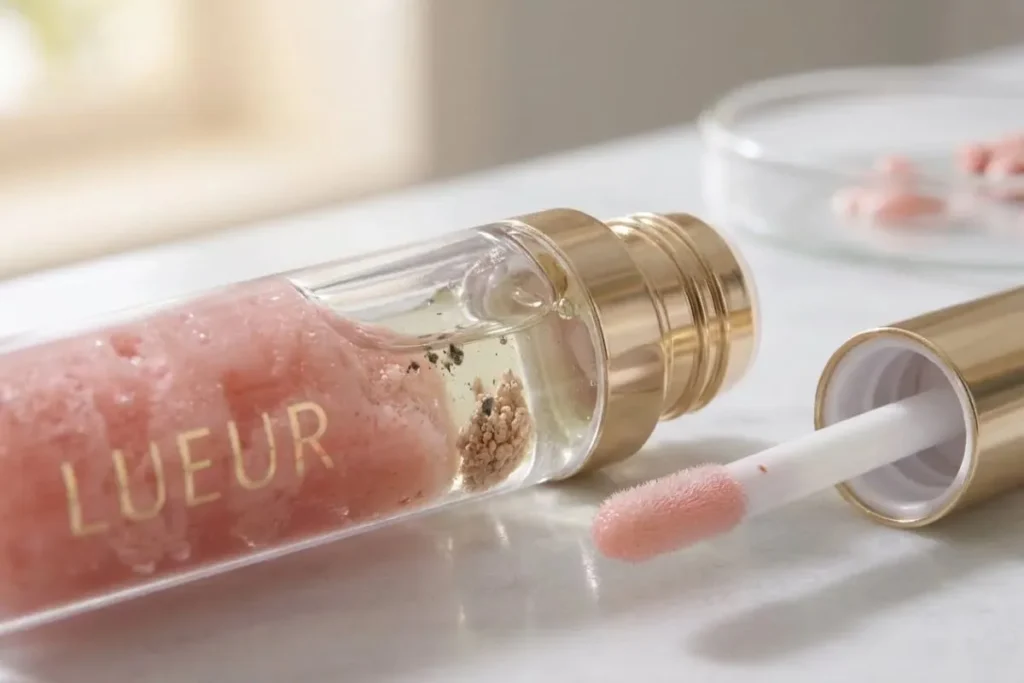
If your gloss becomes extremely thick, unusually watery, lumpy, grainy, or difficult to spread, it may have deteriorated.
Some formulas naturally separate and may be designed to be shaken or mixed before use. However, if the product remains separated or the texture is noticeably different from when you first opened it, replacing it is the safer choice.
The Color Has Changed
A significant change in color can also be a warning sign.
For example, a clear gloss that becomes noticeably yellow, cloudy, or otherwise different from its original appearance may no longer be in its original condition.
Colored lip glosses can also fade or develop an unusual appearance as the ingredients age.
Color change alone doesn’t always prove that a product has expired, so it’s best to consider it alongside other signs such as smell and texture.
The Formula Remains Separated
A small amount of separation isn’t automatically a problem for every lip gloss. Some products are designed to separate slightly and can be mixed according to the manufacturer’s instructions.
The concern is when the ingredients remain separated, look unusual, or fail to return to their normal consistency after being mixed.
If the formula no longer looks or behaves like it originally did, replacing it is a sensible option.
It Causes Irritation
If a lip gloss that you previously used without a problem suddenly causes burning, itching, redness, swelling, or another unusual reaction, stop using it.
Don’t assume that you simply need to get used to the product. The irritation could have several possible causes, including a change in the product or an unrelated sensitivity, so it is better not to continue using a product that causes an unexpected reaction.
What Does the Little Open-Jar Symbol Mean?
You may have noticed a small open jar symbol on cosmetic packaging with a number such as 6M, 12M, or 24M.
This symbol represents the product’s period after opening, commonly called the PAO.
For example, a symbol marked 6M generally indicates six months of use after opening. A 12M symbol indicates 12 months, while a 24M symbol indicates 24 months.
The important part is that the period begins when you open the product, not when you purchase it.
So, if your lip gloss has a 12M symbol and you opened it in January, the manufacturer’s guidance generally indicates that you should use it within the following 12 months.
How to Remember When You Opened Your Lip Gloss
It can be surprisingly difficult to remember when you first opened a makeup product, especially if you have several lip glosses in your collection.
One simple solution is to write the month and year on a small label when you open a new gloss.
You can also keep a note on your phone if you prefer not to write on the packaging.
You don’t necessarily need to remember the exact day. Knowing approximately when you started using the product can make it much easier to follow the recommended period after opening.
Does the Type of Lip Gloss Affect How Long It Lasts?
Yes, different lip gloss formulas can behave differently as they age.
A traditional glossy formula may remain in good condition for a while, while a formula containing various oils, botanical ingredients, or other sensitive components may show changes over time.
The packaging also plays a role. Lip glosses with applicator wands repeatedly expose the product to air and contact with the lips.
Because formulas differ, the manufacturer’s recommended shelf life should be considered more reliable than a single general rule for every type of gloss.
How to Store Lip Gloss Properly
Good storage cannot make lip gloss last forever, but it can help keep the formula in better condition.
Keep Lip Gloss Away From Heat
Heat can affect cosmetic formulas and may cause ingredients to change or separate.
Avoid leaving your lip gloss in places that become very hot, such as a parked car, a sunny windowsill, or an area near a heater.
A cool, dry makeup drawer is generally a better place to store it.
Close the Cap Properly
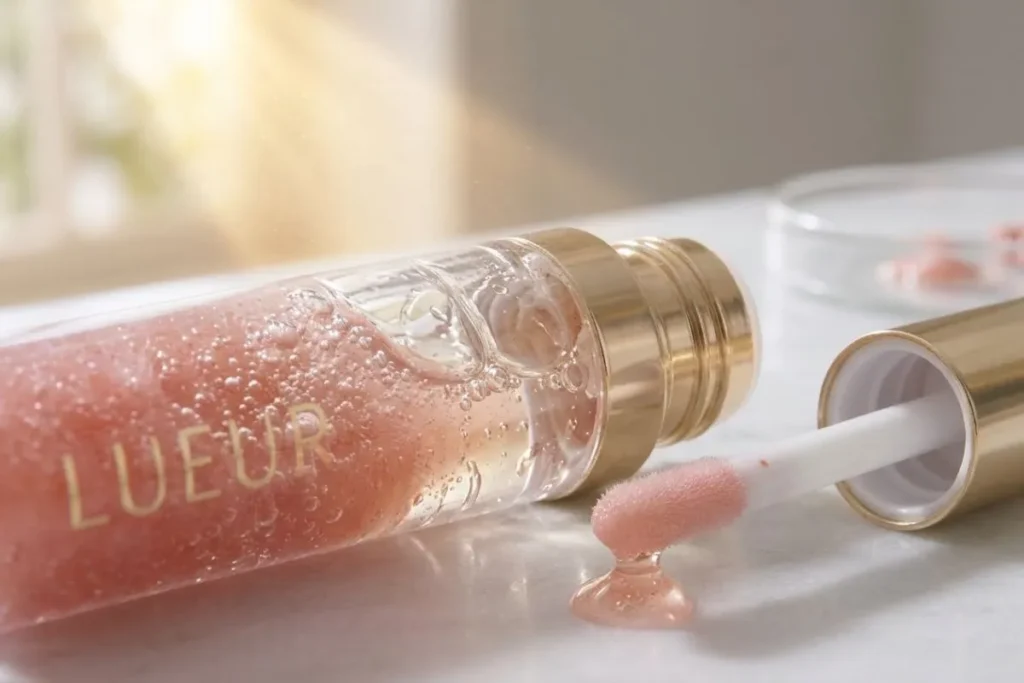
Always close your lip gloss tightly after using it.
Leaving the cap loose allows more air into the container and can also cause product around the opening to dry out.
A tightly closed container is a simple way to protect the product between uses.
Keep the Applicator Clean
Try to keep the applicator as clean as possible and avoid sharing your lip gloss with other people.
Sharing lip products can transfer microorganisms between users because the applicator comes into contact with the mouth and then returns to the product.
Good makeup hygiene can help reduce unnecessary contamination.
Don’t Add Water or Other Ingredients
If your lip gloss becomes thick, don’t try to fix it by adding water, oil, or another cosmetic unless the manufacturer specifically recommends doing so.
Changing the original formula can affect how the product behaves and may create additional hygiene or stability concerns.
Can You Use Expired Lip Gloss?
It is better not to use a lip gloss that is clearly past its recommended period or has obvious signs of deterioration.
If an old gloss has developed a strange smell, unusual texture, significant color change, or other noticeable changes, replacing it is the safer choice.
This becomes even more important if the product causes irritation after application.
A tube of lip gloss may not be expensive compared with the potential discomfort of continuing to use a product that is no longer in good condition.
What Happens If You Use Old Lip Gloss?
Old lip gloss may simply become unpleasant to use. It might feel stickier than before, become difficult to apply, separate, develop an unusual smell, or lose its original appearance.
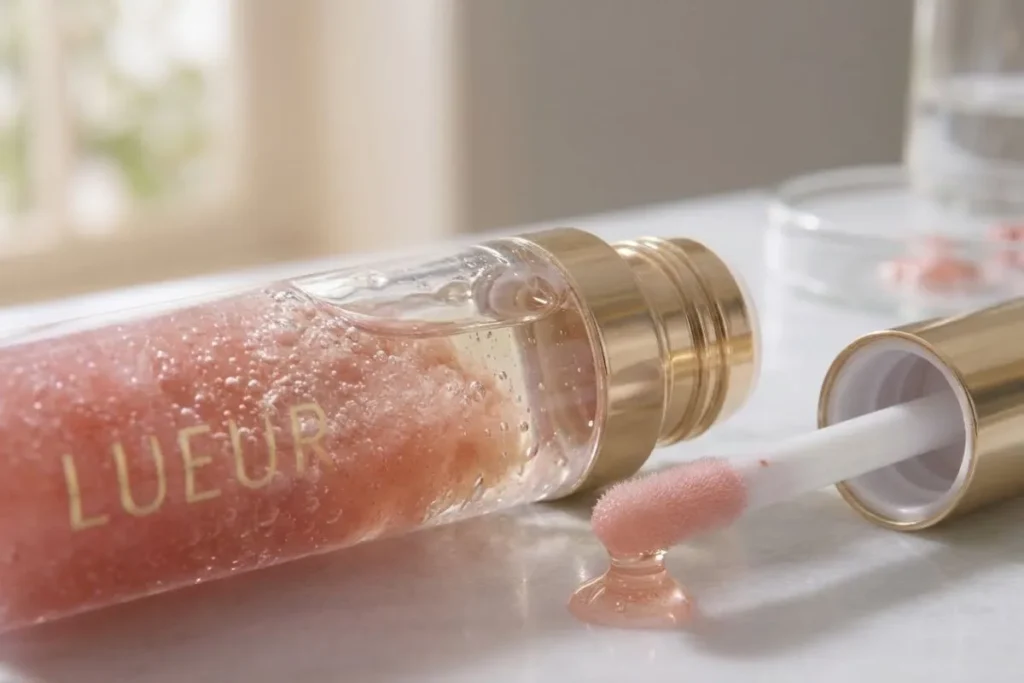
The bigger concern is product hygiene. A lip gloss that has been opened and repeatedly used over a long period gives more opportunities for contamination, especially when its applicator repeatedly touches the lips.
That’s why the age of the product, its storage conditions, and its current condition should all be considered together.
How Long Does Lip Gloss Last in the Heat?
Heat can have a significant effect on cosmetic products.
If you leave lip gloss in a hot environment, the formula may become thinner, separate, or otherwise change. Repeated exposure to high temperatures can also affect the stability of the ingredients.
If your lip gloss has accidentally been left in a hot car, don’t automatically assume it is ruined. Allow it to return to normal room temperature and then inspect it.
If the smell, texture, color, or overall appearance has changed noticeably, replacing the product is the better option.
How Long Does Lip Gloss Last in a Makeup Bag?
A makeup bag itself does not automatically shorten the life of lip gloss. What matters is where the makeup bag is stored and how the product is handled.
A lip gloss kept in a clean makeup bag in a cool room may remain in good condition for its expected period after opening.
However, a makeup bag that sits in direct sunlight, a hot car, or a humid environment isn’t an ideal place for cosmetics.
Keeping your makeup bag clean and regularly checking older products can help you avoid using cosmetics that are no longer in good condition.
Common Mistakes That Can Make Lip Gloss Go Bad Faster
One common mistake is leaving the cap open for too long. This exposes the product to air and can allow the formula around the opening to dry out.
Another mistake is storing lip gloss in a hot car. Temperatures inside parked vehicles can become extremely high, which can affect cosmetic formulas.
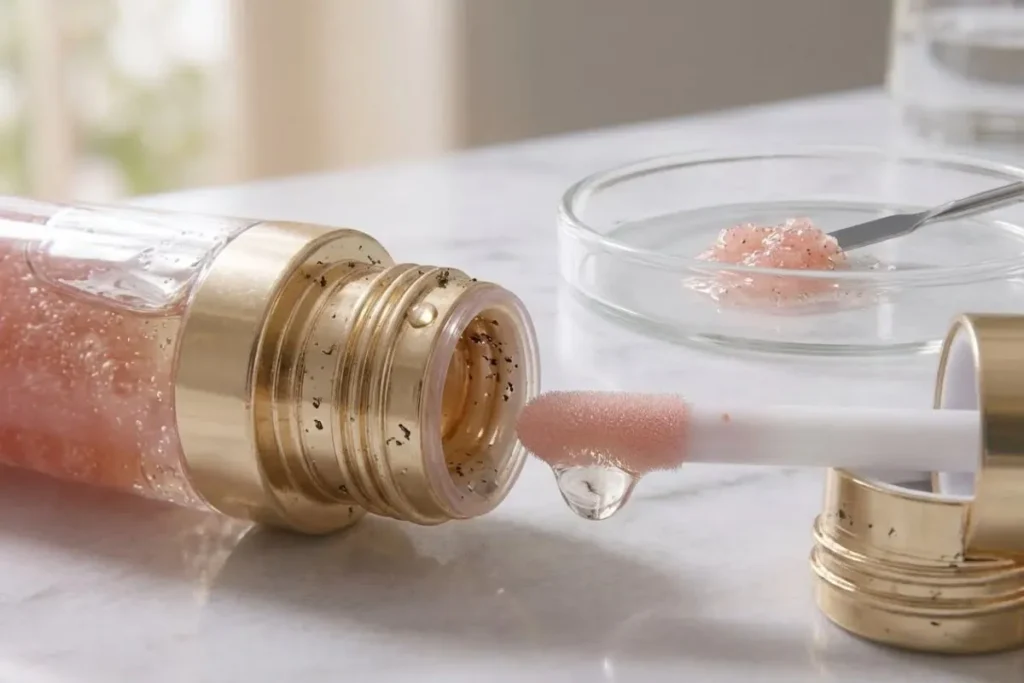
Sharing lip gloss is another habit worth avoiding. When several people use the same applicator, microorganisms can be transferred between users.
Using lip gloss over food residue or unclean lips can also introduce unwanted material into the product.
Finally, many people keep old lip gloss simply because there is still plenty left in the tube. But the amount of product remaining doesn’t tell you whether the formula is still in good condition.
When Should You Throw Away Lip Gloss?
You should consider replacing your lip gloss when it has passed the manufacturer’s recommended period after opening, particularly if you also notice changes in the product.
A strange smell, major texture change, unusual color, persistent separation, damaged packaging, or unexpected irritation are all reasons to stop using it.
If you cannot remember when you opened the gloss and the product looks or smells questionable, replacing it is generally the simplest choice.
You don’t need to finish every last drop of a cosmetic product if there are signs that it may no longer be suitable for use.
How to Make Lip Gloss Last Longer
The best way to get the most use from your lip gloss is to store it properly and pay attention to its condition.
Write down the month you open a new tube and check the PAO symbol on the packaging. Keep the cap tightly closed after every use and store the gloss somewhere cool and dry.
Avoid sharing it, keep the applicator clean, and never add water or other ingredients unless the manufacturer specifically says it is appropriate.
Most importantly, don’t ignore changes in smell, texture, color, or how the product feels on your lips.
Frequently Asked Questions
How long is lip gloss good for after opening?
Most lip glosses are intended to be used within about 12 to 24 months after opening, but the exact period depends on the product. Check the packaging for the manufacturer’s PAO symbol or other shelf-life guidance.
Does lip gloss expire?
Yes, lip gloss can expire or deteriorate over time. Changes in smell, texture, color, separation, or performance can indicate that the product is no longer in good condition.
Can you use lip gloss after two years?
It depends on the product and its condition. Two years is around the point where you should pay close attention to the manufacturer’s recommended period after opening. If the gloss smells strange, has changed texture, looks unusual, or causes irritation, replace it.
How do I know if my lip gloss is expired?
Check the expiration information or PAO symbol on the packaging. You should also look for changes in smell, texture, color, separation, and how the product feels when applied.
Does unopened lip gloss expire?
Yes. Unopened cosmetics can still age over time. They generally last longer than opened products, but you should follow the manufacturer’s expiration and storage guidance.
Can old lip gloss irritate your lips?
It can. If an old lip gloss causes burning, itching, redness, swelling, or another unexpected reaction, stop using it.
Should I throw away lip gloss if it smells bad?
Yes. A noticeable unpleasant or rancid smell is a strong reason to stop using the product.
Can heat ruin lip gloss?
Heat can cause cosmetic formulas to change, including changes in consistency and separation. If your gloss has been exposed to significant heat, allow it to return to room temperature and inspect it carefully before using it.
How often should I replace lip gloss?
There isn’t one replacement schedule that applies to every gloss. Follow the manufacturer’s recommended period after opening and replace the product sooner if it develops noticeable changes or causes irritation.
Conclusion:
So, how long is lip gloss good for? For many products, the practical range is around 12 to 24 months after opening, but the packaging and manufacturer’s instructions should be your first reference.
The calendar isn’t the only thing to watch. If your gloss starts smelling different, changes texture or color, separates unusually, or irritates your lips, it’s time to replace it.
Proper storage and good makeup hygiene can help your lip gloss stay in better condition, but cosmetics aren’t meant to last forever. When an old gloss starts showing warning signs, replacing it is the simplest and safest choice.

Name: Shahzadi
I’m passionate about skincare, beauty, and simple self-care. I share practical skincare tips, beauty routines, product insights, and easy ways to build healthy-looking, glowing skin.
My goal is to make beauty and skincare easier to understand, so you can discover routines that fit your everyday life.


