
Have you ever wondered what gives lip gloss its shiny finish, smooth texture, and slightly sticky feel? That glossy appearance comes from a carefully balanced mixture of oils, waxes, emollients, pigments, and other ingredients.
Each component has a specific purpose, from making the gloss easy to apply to helping it stay on your lips.
Understanding what is lip gloss made out of can help you choose better products, recognize useful ingredients, and avoid formulas that don’t suit your preferences.

Some lip glosses contain plant-based oils and natural waxes, while others use synthetic ingredients to create longer-lasting shine or a thicker texture.
Let’s look at the ingredients commonly found in lip gloss, how manufacturers combine them, and what makes different formulas unique.
What Is Lip Gloss Made Out Of?
Lip gloss is generally made from a combination of oils, waxes, emollients, pigments, and texture-enhancing ingredients. These components work together to create a smooth product that spreads easily across the lips and leaves behind a shiny appearance.
Most lip gloss formulas use a liquid or semi-solid base. This base gives the product its consistency and helps other ingredients blend evenly.
Oils provide smoothness and shine, while waxes help thicken the formula and give it structure. Emollients soften the lips and improve the product’s feel.
Pigments and colorants create different shades, while film-forming ingredients help the gloss adhere to the lips. Depending on the formula, manufacturers may also include flavoring, fragrance, preservatives, and antioxidants.
Not every lip gloss contains all these ingredients. A clear gloss, tinted gloss, plumping gloss, and glitter gloss can have very different formulas.
What Goes Into Making Lip Gloss? 7 Common Ingredients
When you look at a lip gloss ingredient label, you may notice several unfamiliar names. Some sound complicated, but many serve simple purposes, such as improving texture, adding shine, or keeping the formula stable.
Let’s explore the ingredients that make lip gloss work.
Oils for Smoothness and Shine
Oils are among the most important ingredients in many lip gloss formulas. They help create that smooth, slippery texture that allows the product to glide across your lips.
Common options include castor oil, jojoba oil, coconut oil, sunflower seed oil, and sweet almond oil.
Castor oil is particularly useful in lip gloss because of its thickness and glossy finish. It helps the product look rich without feeling as watery as a lightweight oil-based formula.

Jojoba oil helps create a smooth, conditioning feel, while coconut oil and sweet almond oil contribute to softness. Sunflower seed oil is another popular option because it contains fatty acids that help condition the skin.
However, not every gloss needs multiple oils. Manufacturers select oils based on the finish, texture, cost, and performance they want to achieve.
Waxes for Thickness and Structure
Have you noticed that some lip glosses feel thick while others have a lightweight, almost liquid consistency? Waxes can help create these differences.
They give the formula more body and prevent it from feeling too runny. Beeswax is a natural wax that helps thicken lip gloss and improve its structure. Candelilla wax is a plant-derived alternative often used in vegan formulas, while carnauba wax is a harder plant-based wax that adds firmness.
Waxes also help certain gloss formulas stay in place instead of spreading too quickly.
The amount and type of wax used can change the final texture. A formula with more structuring wax may feel thicker, while one with less wax may spread more easily.
Emollients for Soft and Comfortable Lips
Emollients are ingredients that help soften the skin and improve how a product feels when applied.
In lip gloss, they reduce the dry or uncomfortable feeling that some formulas can leave behind.
Common emollients include shea butter, cocoa butter, squalane, caprylic/capric triglyceride, and hydrogenated polyisobutene.
Some of these ingredients also help create a smooth, cushiony finish. For example, shea butter can make a lip gloss feel richer, while hydrogenated polyisobutene is often used to create a glossy, smooth texture.
It’s worth remembering that a shiny finish doesn’t automatically mean a product provides long-lasting hydration. The actual conditioning effect depends on the formula as a whole.
Pigments and Colorants for Different Shades
Clear lip gloss doesn’t need added color pigments, but tinted and colorful formulas do.
Manufacturers use approved cosmetic colorants to create different shades, including pink, red, peach, brown, and berry.
Common colorants include iron oxides, titanium dioxide, mica, approved cosmetic lakes, and certain permitted synthetic colorants.
Iron oxides can help create earthy shades such as brown, red, and yellow. Mica is often used to produce a shimmery or pearlescent appearance, while titanium dioxide can contribute to opacity and lighter shades.

The type of colorant affects how the gloss looks on the lips. Some formulas provide a transparent wash of color, while others deliver stronger pigmentation.
Always check that color additives are approved for their intended cosmetic use, particularly for lip products. Not every colorant approved for general cosmetics is automatically permitted for use on lips.
Film-Forming Ingredients for Longer Wear
Some lip glosses disappear quickly after eating, drinking, or talking. Others maintain their glossy appearance for longer.
Film-forming ingredients help improve how the product adheres to the lips.
Depending on the formula, manufacturers may use ingredients such as polybutene, hydrogenated polyisobutene, and certain cosmetic polymers.
These ingredients help create a flexible layer over the lips. They can also improve the product’s thickness and shine.
However, a long-wearing gloss may feel slightly tackier than a lightweight formula. This is one reason why lip glosses can feel so different even when they look similar in their packaging.
Flavoring and Fragrance Ingredients
Some lip glosses have a fruity, sweet, minty, or vanilla-like scent.
Manufacturers add flavoring or fragrance ingredients to create that experience. Common options include vanilla flavoring, fruit flavor blends, mint flavoring, and approved cosmetic fragrance ingredients.
These ingredients are not necessary for creating shine. They are mainly included to improve the product’s scent or sensory appeal.
If your lips are sensitive, you may prefer fragrance-free and flavor-free formulas. Fragrance and flavor ingredients can cause irritation or allergic reactions in some people.
Preservatives and Antioxidants
Preservatives and antioxidants help protect cosmetic formulas from different types of deterioration. Their roles are not exactly the same.
Preservatives help control the growth of microorganisms, particularly when a formula contains water or is exposed to contamination during use.
Antioxidants help slow oxidation, which can affect oils and other ingredients over time.
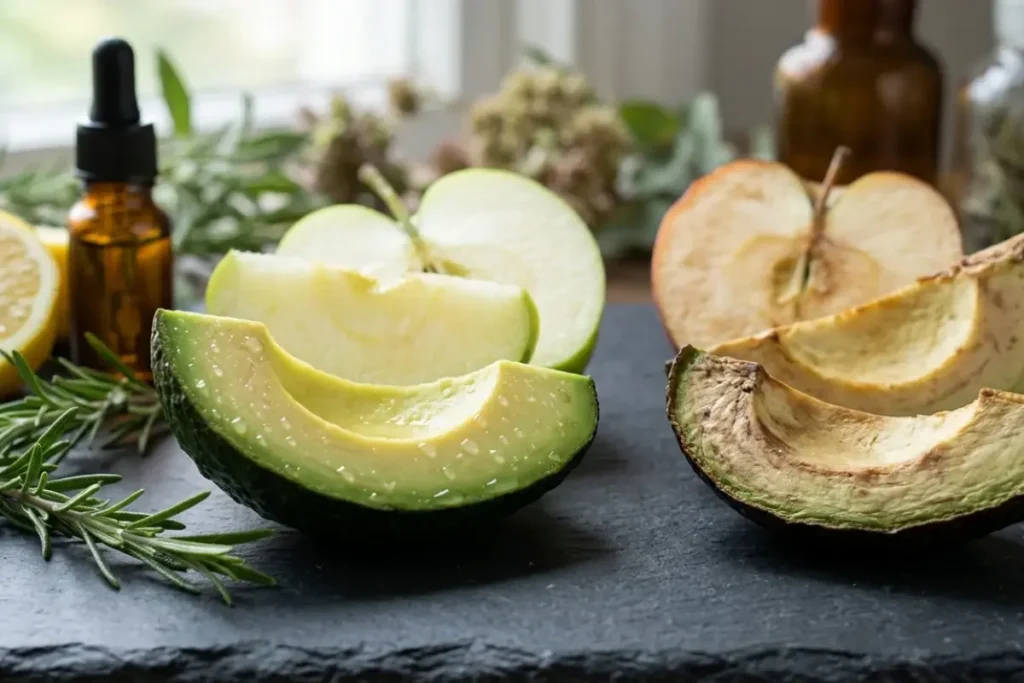
Tocopherol, also known as vitamin E, is a common antioxidant. Rosemary leaf extract is sometimes used as an antioxidant, while phenoxyethanol is a preservative found in certain cosmetic formulations.
Not every oil-based lip gloss requires the same preservation system. The manufacturer must consider the ingredients, water content, packaging, and expected product use when deciding what protection is necessary.
How Is Lip Gloss Formulated?
Making lip gloss involves more than simply mixing oils and adding color. Cosmetic formulators must balance the ingredients to create the desired shine, thickness, stability, and application experience.
Although commercial manufacturing methods vary, the general process follows several steps.
Choosing the Base Ingredients
The first step is selecting the main ingredients.
A manufacturer decides whether the gloss should have a lightweight, thick, creamy, or highly glossy consistency.
For example, a formula designed for a high-shine finish may use castor oil and glossy emollients, while a thicker formula may contain additional structuring ingredients.
Combining Oils and Emollients
The selected oils and emollients are blended to create the main liquid or semi-liquid base.
This combination determines much of the product’s smoothness and spreadability.
The formulator also considers how the ingredients interact with one another. Some oils may feel heavier, while others provide a lighter finish.
Adding Waxes and Texture Ingredients
If the formula needs more thickness, waxes or other structuring ingredients may be added.
In commercial production, some ingredients are heated under controlled conditions to help them blend properly.
The temperature and mixing process depend on the specific materials being used.
Adding Color and Other Ingredients
Once the base has the desired consistency, pigments and other ingredients are incorporated according to the formulation process.
Colorants must be evenly distributed to avoid uneven patches or streaks.
Flavoring, fragrance, antioxidants, and other suitable ingredients may also be added at the appropriate manufacturing stage.
Testing the Formula
Before a lip gloss reaches customers, manufacturers need to evaluate its quality and safety.
Testing may include texture and consistency checks, color uniformity, stability under different storage conditions, packaging compatibility, microbiological testing where appropriate, and safety and regulatory compliance.

These checks help ensure that the finished product performs as intended throughout its shelf life.
Filling and Packaging
After the formula passes the necessary quality checks, it is transferred into suitable containers.
Most lip glosses come in small tubes with applicators, squeeze tubes, or other cosmetic packaging.
Packaging should protect the product, prevent leakage, and make application convenient.
What Is the Difference Between Natural and Synthetic Lip Gloss Ingredients?
Not all lip glosses use the same type of ingredients. Some brands focus on plant-based oils and natural waxes, while others rely on synthetic materials to achieve particular textures and finishes.
Neither category is automatically better in every situation.
| Feature | Natural-Based Ingredients | Synthetic Ingredients |
| Common examples | Castor oil, beeswax, jojoba oil | Polybutene, cosmetic polymers |
| Main purpose | Conditioning and texture | Shine, texture, and performance |
| Source | Plant or animal-derived | Often manufactured or processed |
| Texture | Depends on the ingredient | Can be precisely adjusted |
| Product options | Natural and plant-based formulas | Lightweight and long-wearing formulas |
Natural ingredients can be useful, but they can still cause allergies or irritation.
Likewise, synthetic ingredients are not automatically harmful. Many are carefully developed and tested for cosmetic use.
If you prefer vegan lip gloss, check the ingredient list for beeswax, lanolin, and other animal-derived ingredients. Look for clear vegan labeling rather than assuming that a product is vegan because it contains plant oils.
What Makes Clear, Tinted, and Glitter Lip Gloss Different?
Lip gloss comes in different finishes, and each type uses a slightly different combination of ingredients.
Clear Lip Gloss
Clear lip gloss focuses on shine rather than color.
It usually contains a glossy base made from oils, emollients, and texture-enhancing ingredients. It may also include antioxidants and conditioning ingredients.
Some clear formulas are completely transparent, while others have a slightly milky appearance.
Tinted Lip Gloss
Tinted lip gloss contains colorants that give the lips a subtle or noticeable shade.
The color can range from a barely visible pink tint to a deeper berry or red finish.
Manufacturers adjust the amount and type of pigment to control the final appearance.
Glitter Lip Gloss
Glitter lip gloss contains approved decorative particles that create a sparkling effect.
Some formulas use mica or pearlescent pigments to produce shimmer, while others may use specially approved cosmetic glitter.
Particles used in lip products must be suitable for the intended application and comply with relevant cosmetic safety requirements.
Plumping Lip Gloss
Plumping lip gloss is designed to make lips appear temporarily fuller.
Some products use ingredients such as menthol, peppermint oil, or other sensory ingredients to create a tingling sensation.
The effect varies by formula. A tingling feeling does not necessarily mean the product is working better.
If a plumping gloss causes burning, significant redness, or swelling, remove it and stop using it.
Are the Ingredients in Lip Gloss Safe for Your Lips?
Most commercially sold lip glosses are formulated using ingredients intended for cosmetic use. However, safety depends on the individual ingredients, their concentrations, product quality, and how the formula is manufactured.
A product that works well for one person may irritate someone else’s lips.
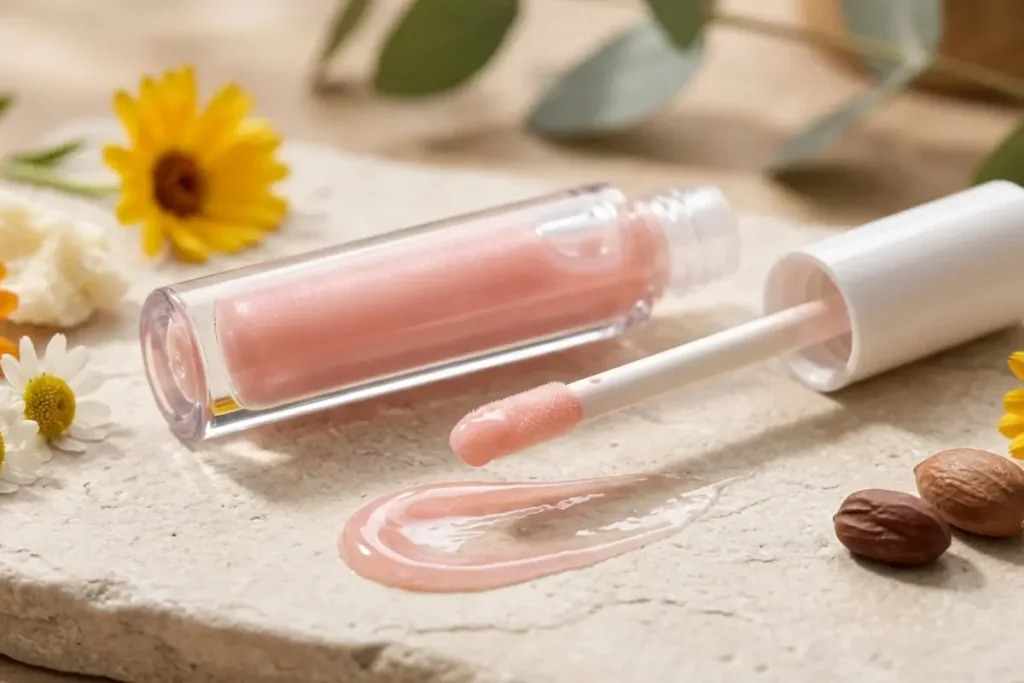
Check that the pigments and color additives are permitted for lip use in your country. If you have sensitive lips, consider avoiding fragrances and flavorings that have caused reactions in the past. If you have known allergies to beeswax, certain plant oils, or other cosmetic ingredients, read the label carefully.
Avoid using lip gloss that has changed smell, color, or texture unexpectedly. Broken seals, damaged containers, or contaminated applicators can also affect product hygiene.
You should avoid sharing lip gloss applicators because they come into direct contact with your lips.
How to Choose a Lip Gloss With Better Ingredients
Choosing lip gloss isn’t only about finding a beautiful shade. The formula should also feel comfortable and suit your preferences.
Check the Ingredient List
Look for ingredients that match your needs. If you prefer a conditioning formula, you might like products containing castor oil, jojoba oil, shea butter, or other suitable emollients.
Choose a Formula for Your Lip Type
If your lips feel dry, a gloss with conditioning oils and emollients may feel more comfortable.
If you dislike sticky textures, look for products marketed as lightweight or non-sticky. However, remember that product descriptions are not standardized, so the best way to judge the feel is to try a suitable product.
Consider Fragrance-Free Options
If your lips react easily to scented products, fragrance-free gloss may be a better starting point.
Also check for flavoring ingredients, since a fragrance-free product is not necessarily flavor-free.
Look for Clear Product Information
Choose brands that provide complete ingredient lists, appropriate product labeling, and clear information about their cosmetic products.
A transparent ingredient list makes it easier to identify ingredients you want to avoid.
Frequently Asked Questions About Lip Gloss Ingredients
What Is Lip Gloss Mainly Made Of?
Lip gloss is mainly made of oils, emollients, and ingredients that create its glossy texture. Depending on the formula, it may also contain waxes, pigments, antioxidants, preservatives, and flavoring ingredients.
Is Lip Gloss Made From Petroleum?
Some lip glosses contain petroleum-derived ingredients, such as petrolatum or mineral oil. Others use plant-based oils, synthetic emollients, or a combination of different materials. Check the ingredient list to know what a particular product contains.
Does Lip Gloss Contain Real Oil?
Yes. Many lip gloss formulas contain oils such as castor oil, jojoba oil, sunflower seed oil, and coconut oil. These ingredients help improve smoothness, spreadability, and shine.
Is Lip Gloss Made With Beeswax?
Some lip glosses contain beeswax to thicken the formula and improve its structure. However, not every gloss uses it. Vegan products often use plant-based alternatives such as candelilla wax or carnauba wax.
Why Does Lip Gloss Feel Sticky?
Lip gloss can feel sticky because of its oils, polymers, emollients, and film-forming ingredients. These materials help the product create a glossy layer and stay on the lips. The exact texture depends on the formula.
What Ingredient Makes Lip Gloss Shiny?
Ingredients such as castor oil, polybutene, and hydrogenated polyisobutene can help create a shiny appearance. Their effectiveness depends on how they are combined with the rest of the formula.
Is Natural Lip Gloss Better Than Regular Lip Gloss?
Not necessarily. Natural lip gloss may appeal to people who prefer plant-derived ingredients, but natural ingredients can still cause irritation or allergies. A well-formulated synthetic or mixed formula can also be suitable for cosmetic use.
Can You Make Lip Gloss Without Beeswax?
Yes. Lip gloss can be made without beeswax. Formulators may use alternatives such as candelilla wax, carnauba wax, or other suitable ingredients to create the desired consistency.
Does Lip Gloss Contain Preservatives?
Some lip glosses contain preservatives, especially formulas that include water or other ingredients that require microbial protection. Anhydrous formulas may need a different preservation approach. Antioxidants such as tocopherol help protect oils from oxidation but are not substitutes for antimicrobial preservatives.
What Gives Lip Gloss Its Color?
Lip gloss gets its color from cosmetic pigments and colorants. Depending on the shade, manufacturers may use iron oxides, mica, titanium dioxide, or approved cosmetic dyes and lakes.
Conclusion:
Lip gloss may look like a simple beauty product, but its formula involves several ingredients working together. Oils provide smoothness and shine, waxes help control thickness, emollients improve comfort, and pigments create different colors. Other ingredients help the product maintain its quality and deliver the finish people expect.
Understanding what goes into making lip gloss makes it easier to read ingredient labels and choose a formula that suits your preferences. Instead of focusing only on the color or packaging, pay attention to the ingredients, texture, and overall product quality. A good lip gloss should give you the finish you want while feeling comfortable on your lips.

Name: Shahzadi
I’m passionate about skincare, beauty, and simple self-care. I share practical skincare tips, beauty routines, product insights, and easy ways to build healthy-looking, glowing skin.
My goal is to make beauty and skincare easier to understand, so you can discover routines that fit your everyday life.


Pingback: How To Get Lip Gloss Out Of Clothes: 18+Easy And Powerful Stain Removal Tricks