
Have you ever looked at your favorite lip gloss and wondered if you could make something similar at home? The good news is that you can! Making your own lip gloss is a fun way to create beautiful shades, choose your favorite ingredients, and get the shine you love without spending too much money.
If you want to learn how to make lip gloss, you don’t need a complicated beauty lab or expensive equipment. A few suitable ingredients, a clean mixing bowl, and the right recipe are enough to get started. You can make clear lip gloss, add a little color, or create a moisturizing formula for dry lips.
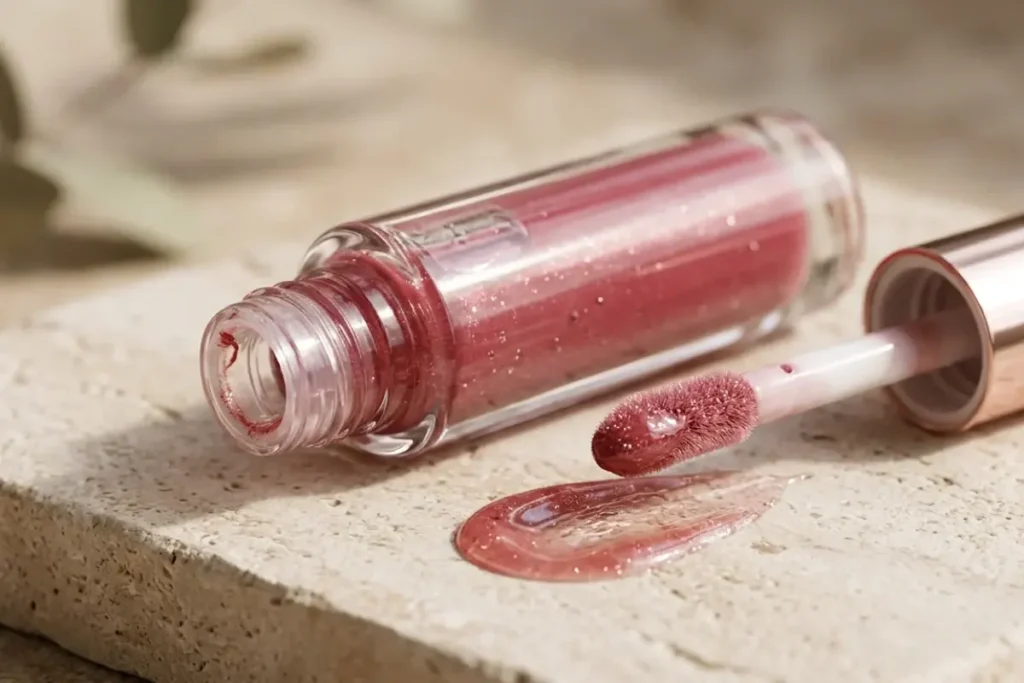
In this guide, you’ll learn how to make DIY lip gloss step by step, which ingredients work best, how to choose safe colors, and how to store your finished product. You’ll also discover common mistakes to avoid so your homemade lip gloss feels smooth rather than sticky or grainy.
What Is Homemade Lip Gloss?
Homemade lip gloss is a cosmetic product that you prepare yourself using ingredients such as cosmetic-grade oils, waxes, butters, and lip-safe colorants. Its main purpose is to give your lips a glossy appearance while helping them feel soft and comfortable.
Unlike store-bought products, DIY lip gloss lets you choose the texture, color, shine, and fragrance. For example, you can make a transparent gloss for everyday use or a soft pink version for a little extra color.
The best part is that you can adjust the recipe according to your preferences. If you enjoy lightweight lip products, you can use a simple oil-based formula. If you prefer a thicker texture, you can add a suitable amount of cosmetic-grade wax.
Why Make Your Own Lip Gloss at Home?
Making lip gloss at home gives you more control over the ingredients and final appearance. You can experiment with different combinations until you find a texture and shade you enjoy.
One of the biggest advantages is that you can choose your own ingredients. You can select oils such as castor oil, jojoba oil, and coconut oil, depending on the texture you want. You can also use shea butter to create a richer formula that feels comfortable on dry lips.
Another benefit is the freedom to create custom colors. Instead of choosing from limited store-bought shades, you can experiment with lip-safe cosmetic pigments to make pink, peach, nude, or red lip gloss.

You can also adjust the consistency according to your preferences. Some people enjoy thick, glossy lip products, while others prefer lightweight formulas that spread easily. Making your own lip gloss allows you to experiment with different ingredient combinations.
Preparing small batches is another practical advantage. You don’t need to make a large amount at once, especially when testing a new recipe. This helps reduce waste and gives you an opportunity to improve the formula.
What Ingredients Do You Need to Make Homemade Lip Gloss?
Before preparing your first batch, it helps to understand what each ingredient does. Choosing the right materials makes a difference in the final texture, shine, and overall quality.
Castor Oil
Castor oil is a popular ingredient in lip gloss because it has a thick consistency and creates a beautiful glossy finish. It helps give homemade lip gloss that smooth, shiny appearance.
It also works well with other cosmetic oils, making it a useful base ingredient for DIY lip gloss recipes.
Coconut Oil
Coconut oil has a soft, oily texture that helps lips feel moisturized. It can make a homemade lip gloss feel smoother and easier to spread.
However, coconut oil can become solid in cooler temperatures. Keep this in mind when choosing the final consistency of your recipe.
Jojoba Oil
Jojoba oil is another useful ingredient for homemade lip products. It has a lightweight feel and blends well with other cosmetic oils.
You can use it when you want to create a smoother formula without relying entirely on thicker oils.
Shea Butter
Shea butter adds richness and softness to lip gloss. It is especially useful in formulas designed for people who prefer a creamy texture.
Use refined, cosmetic-grade shea butter and melt it gently before mixing it with the other ingredients.
Beeswax
Beeswax helps thicken an oil-based lip gloss and gives it a firmer consistency. It can also help the product stay in place instead of feeling too runny.
If you prefer a vegan recipe, you can experiment with a suitable cosmetic-grade plant-based wax, such as candelilla wax. Keep in mind that different waxes have different thickening strengths.
Vitamin E
Vitamin E is commonly added to cosmetic formulations as an antioxidant. It can help slow the oxidation of oils, although it does not replace a proper preservative in formulas that contain water.
Use cosmetic-grade vitamin E in an appropriate amount.
Lip-Safe Colorants
If you want colored lip gloss, choose pigments specifically approved for use on lips.
Cosmetic-grade mica and lip-safe pigments can create attractive shades. Always check the supplier’s documentation to confirm that the colorant is suitable for lip products.
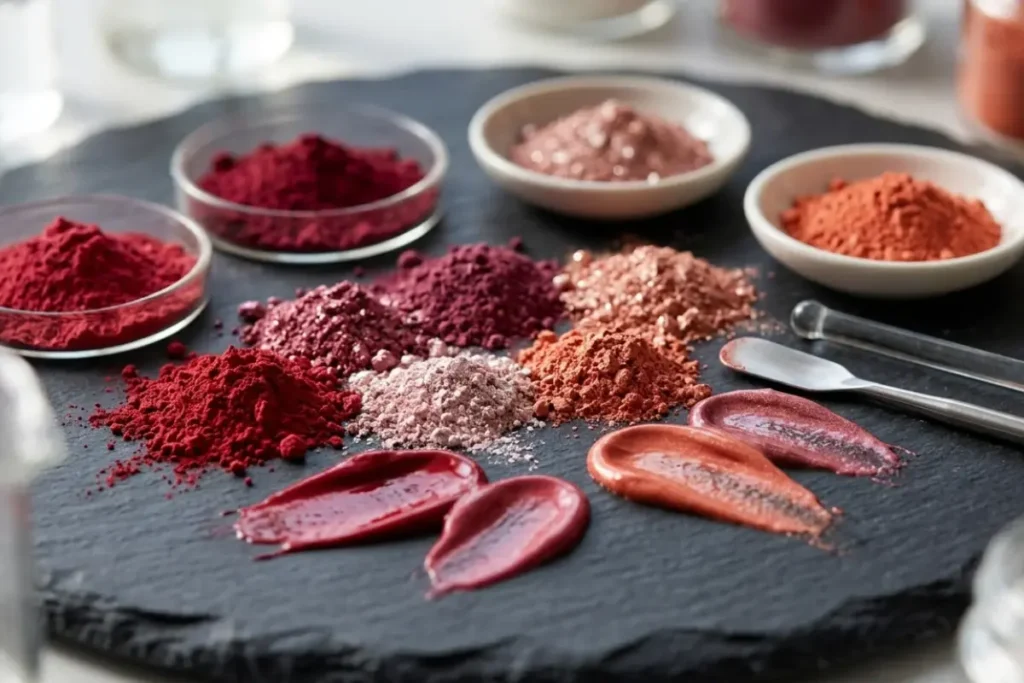
Avoid using ordinary craft glitter, food coloring, crayons, or random powders.
How to Prepare Homemade Lip Gloss: Step-by-Step Method
Now that you understand the basic ingredients, it’s time to prepare your first batch. This simple oil-based recipe is a good starting point if you want a smooth, shiny lip gloss.
Ingredients
For this recipe, you’ll need 2 teaspoons of castor oil, 1 teaspoon of jojoba oil, half a teaspoon of cosmetic-grade coconut oil, and a quarter teaspoon of beeswax. You can also add a small amount of lip-safe cosmetic pigment if you want colored lip gloss. A few drops of cosmetic-grade vitamin E are optional.
You’ll also need a small heat-safe glass bowl, a double boiler, a clean mixing spoon or spatula, a digital weighing scale, and a clean lip gloss container.
Prepare Your Workspace
Start by cleaning your work area and washing your hands. Make sure all bowls, spoons, and containers are completely clean and dry.
Water and dirt can affect the quality of your homemade lip gloss. Using clean equipment also helps reduce the risk of contamination.
Measure the Ingredients
Measure your castor oil, jojoba oil, coconut oil, and beeswax.
Accurate measurements help you achieve a more consistent texture. If you plan to make lip gloss regularly, weighing ingredients in grams is better than relying on approximate spoon measurements.
Melt the Beeswax
Place the beeswax and coconut oil in a heat-safe glass bowl. Put the bowl over a double boiler and heat gently.
Stir occasionally until the beeswax melts completely. Avoid overheating the mixture or placing the bowl directly over a flame.
Add the Remaining Oils
Once the beeswax has melted, remove the bowl from the heat.
Add the castor oil and jojoba oil. Stir slowly until all the ingredients combine into a smooth mixture.
Castor oil provides the shine, while jojoba oil helps create a more comfortable texture.
Add Color (Optional)
If you want colored lip gloss, add a small amount of lip-safe cosmetic pigment.
Mix thoroughly to distribute the color evenly. Add the pigment gradually until you reach your preferred shade.
For a clear lip gloss, simply skip this step.
Add Vitamin E
Allow the mixture to cool slightly, then add your cosmetic-grade vitamin E if desired.
Stir again to distribute it evenly. Avoid adding unnecessary fragrance or essential oils, as these can irritate sensitive lips.
Transfer the Mixture
Carefully pour the mixture into a clean, completely dry lip gloss container while it is still pourable.
Use a small funnel or cosmetic filling tool to reduce spills. Allow the product to cool completely before closing the container.
Check the Final Texture
Once the lip gloss has cooled, check its consistency.
If it feels too hard, your next batch may need a little more liquid oil. If it feels too runny, you may need a slightly higher wax ratio.
Make small adjustments and record your measurements so you can repeat a successful recipe.
How to Make DIY Lip Gloss in Different Colors and Textures
A basic clear lip gloss is a great starting point, but you can create several variations using the same basic approach.
You just need to understand which ingredients affect the color and consistency.
Clear Homemade Lip Gloss
Clear lip gloss is one of the simplest options. Use a suitable combination of castor oil and jojoba oil without adding any colorant.
The result is a transparent, shiny lip product that can be worn alone or over lipstick.
Pink DIY Lip Gloss
For a pink shade, use a small amount of lip-safe pink cosmetic pigment.
Start with a very small quantity and mix thoroughly. You can gradually add more pigment if you want a deeper color.
Nude Homemade Lip Gloss
Nude lip gloss works well for people who prefer natural-looking makeup. Choose a lip-safe beige or soft brown pigment.
You can adjust the shade by combining compatible cosmetic pigments according to the manufacturer’s instructions.
Red DIY Lip Gloss
For a red lip gloss, choose an appropriate red pigment approved for lip use.
Start with a small amount because some pigments are highly concentrated. Mix carefully to prevent uneven color distribution.
Glitter Lip Gloss
If you enjoy a sparkling finish, use cosmetic-grade glitter specifically approved for lip products.
Do not use craft glitter because its particles and materials may not be suitable for contact with the lips.
Common Mistakes to Avoid When Making Homemade Lip Gloss
Making lip gloss is relatively simple, but a few mistakes can affect the finished product.
Using too much beeswax can make your lip gloss hard and difficult to spread. Start with a small amount and adjust your formula gradually until you get the consistency you prefer.
Adding too much color can create an uneven or uncomfortable texture. Follow the pigment supplier’s recommended usage levels and mix the color thoroughly.

Another mistake is using craft glitter instead of cosmetic-grade glitter. Craft glitter is not designed for lip application, so always choose a product specifically approved for use on lips.
Overheating the ingredients can also affect the quality of your mixture. Use gentle heat and avoid placing your ingredients directly over a flame.
Don’t overlook cleanliness when preparing your lip gloss. Dirty tools and containers can introduce unwanted microorganisms, so clean and dry your equipment before preparing each batch.
Finally, avoid adding water without a suitable preservative system. Water-containing lip gloss needs an appropriate preservative and proper formulation. Simply mixing water with oils does not create a safe, stable product.
How to Make Lip Gloss and Store Homemade Lip Gloss Properly
Proper storage helps maintain the quality of your homemade lip gloss.
Keep your lip gloss in a clean, tightly closed container and store it away from direct sunlight and excessive heat. Avoid touching the product with dirty fingers, and use clean applicators whenever possible.
It’s also better to prepare small batches instead of making a large quantity. This way, you can use your product while it is still in good condition.
Pay attention to changes in smell, color, or texture. If your homemade lip gloss develops an unusual smell, changes appearance, or shows signs of contamination, discard it.
Homemade lip gloss does not automatically have the same shelf life as commercial cosmetics. Its usable period depends on the ingredients, manufacturing hygiene, packaging, and stability of the formula.
Frequently Asked Questions About Making Lip Gloss
Can I make lip gloss at home without beeswax?
Yes. You can prepare an oil-based lip gloss using ingredients such as castor oil and jojoba oil. However, it will have a thinner consistency than a formula containing wax.
What is the best oil for homemade lip gloss?
Castor oil is a popular choice because its thick texture provides a glossy finish. You can combine it with jojoba oil or other suitable cosmetic oils to adjust the texture.
How do I make lip gloss less sticky?
Try adjusting the balance of your oils. Castor oil creates shine but can feel thick, so combining it with a lighter oil such as jojoba may produce a more comfortable texture.
Can I use food coloring in homemade lip gloss?
It is better to use cosmetic colorants specifically approved for lip products. Food coloring may not provide the desired color or stability in an oil-based formula.
Can I make homemade lip gloss with Vaseline?
Yes. Petroleum jelly can be used as a simple base for a basic glossy lip product. You can mix it with a suitable lip-safe pigment if you want to add color.
How can I make my lip gloss thicker?
You can increase the amount of a suitable cosmetic wax in an oil-based formula. Make small adjustments because adding too much wax can make the product difficult to spread.
Is homemade lip gloss safe to use?
It can be suitable for personal use when made with cosmetic-grade ingredients, clean equipment, and lip-approved colorants. Avoid ingredients that may irritate your lips, and never use materials that are not intended for cosmetic application.
Can I sell homemade lip gloss?
Yes, but selling homemade cosmetics involves additional responsibilities. You need to consider product safety, ingredient documentation, stability, suitable packaging, accurate labeling, and applicable cosmetic regulations in your country.
Conclusion:
Learning how to prepare homemade lip gloss gives you the freedom to experiment with different ingredients, colors, and textures. You can start with a simple clear formula using castor oil and jojoba oil, then try adding lip-safe pigments to create your favorite shades.
The key is to use suitable cosmetic ingredients, measure everything carefully, and maintain good hygiene throughout the process. Don’t rush to make a large batch when you’re still experimenting. Start small, test the texture, and adjust the recipe until you get the finish you want.
With a little practice and careful preparation, you can create homemade lip gloss that looks beautiful and feels comfortable on your lips.

Name: Shahzadi
I’m passionate about skincare, beauty, and simple self-care. I share practical skincare tips, beauty routines, product insights, and easy ways to build healthy-looking, glowing skin.
My goal is to make beauty and skincare easier to understand, so you can discover routines that fit your everyday life.


Pingback: 12+What Is Lip Gloss Made Out Of: Powerful Ingredients Behind Its Stunning Shine