

Many people believe that if a skincare product still looks and smells fine, it’s perfectly safe to use even years after buying it. Unfortunately, that’s not always true.
A cream or serum can lose its effectiveness long before you notice obvious changes. In some cases, using expired skincare products can even irritate your skin or expose it to harmful bacteria.
So, do skin care products expire? The simple answer is yes. Just like food and medicine, skincare products have a limited shelf life. Whether it’s a moisturizer, cleanser, sunscreen, or vitamin C serum, every product is made with ingredients that naturally break down over time.
Once that happens, the product may no longer work as intended, and in some cases, it can become unsafe to use.
If you’ve ever wondered can skin care products expire, or questioned whether an unopened moisturizer or your favorite face serum is still good after sitting in a drawer for months, you’re not alone. It’s one of the most common questions people ask when building a skincare routine.
The good news is that understanding do skin care products expire and skincare products expiration isn’t complicated. A few simple checks can help you decide whether to keep using a product or throw it away before it causes problems.
In this guide, you’ll discover do skin care products expire in detail, how to know if skin care products have expired, what happens if you use expired skincare products, how long different skincare products usually last, and the best way to store skincare products to extend their shelf life.
By the end of this article, you’ll know exactly how to keep your skincare routine safe, effective, and worth every penny you spend.
Do Skin Care Products Expire? (Direct Answer)
Yes, do skin care products expire is a question with a simple answerm yes, they do. It doesn’t matter whether it’s an expensive luxury cream or an affordable drugstore cleanser. Every skincare product has a lifespan.
If you’ve been asking yourself, “Do skincare products expire?”, the answer is always yes. The only difference is how long they stay effective, which depends on their ingredients, packaging, preservatives, and how you store them.
Many people assume that a product is safe as long as it isn’t empty or doesn’t have an obvious bad smell. In reality, skincare can begin losing its quality even before you notice visible signs. That means you could be applying products that no longer deliver the results you expect.
Why Every Skincare Product Has a Shelf Life
Every skincare formula contains active ingredients, moisturizing agents, oils, water, and preservatives. Over time, these ingredients slowly change because of exposure to air, light, moisture, and temperature.
For example, vitamin C gradually becomes less effective when exposed to oxygen. Retinol breaks down when exposed to heat and sunlight. Sunscreen ingredients lose their ability to protect your skin from UV rays, while natural oils can become rancid over time.
Even products with strong preservatives don’t last forever. Preservatives are designed to slow bacterial growth, not stop time. Once they begin losing their effectiveness, the risk of contamination increases.
This is why manufacturers include expiration dates or the Period After Opening (PAO) symbol on most skincare products. Understanding these labels makes it much easier to answer the question, do skin care products expire, and helps you use products safely.
Why Expired Skincare Doesn’t Work Like It Used To
One of the biggest problems with expired skincare products is that they often stop doing what they were designed to do.
Imagine applying a vitamin C serum every morning, expecting brighter skin. If the serum has expired, the active ingredient may have already degraded.
Instead of improving your complexion, you’re simply applying a product that offers little or no benefit.
The same applies to moisturizers that no longer hydrate effectively, acne treatments that lose their strength, retinol creams that no longer support skin renewal, and sunscreens that fail to provide reliable UV protection.
Expired skincare doesn’t just waste your money it also prevents you from seeing the results your skincare routine should deliver.
Can Skin Care Products Expire Before the Printed Date?
Yes, they can.
Many people wonder, can skin care products expire before the printed date? The answer is yes because the printed date assumes the product has been stored correctly.
If skincare is exposed to excessive heat, direct sunlight, humidity, or repeated contamination from dirty fingers, it can spoil much sooner than expected. For example, storing skincare in a hot bathroom or leaving products inside a car during summer can significantly shorten their shelf life.
This is another reason why understanding do skin care products expire goes beyond simply checking the date printed on the packaging.
Expiration Date vs. Product Effectiveness
A common misconception is that a product suddenly becomes unusable the day after its expiration date. In reality, expiration is a gradual process.
Long before a product reaches the point of being unsafe, its active ingredients may begin losing their strength. As a result, moisturizers may hydrate less effectively, serums may deliver fewer benefits, and treatment products may stop producing noticeable improvements.
As preservatives weaken, bacteria and mold have a better chance of growing inside the product. At this stage, you may notice changes in smell, color, or texture, and using the product could lead to irritation, redness, or breakouts.
This means a skincare product often becomes less effective before it becomes visibly spoiled.
Does It Matter if the Product Is Opened or Unopened?
Yes, it does.
An unopened skincare product usually lasts much longer because it hasn’t been exposed to air or bacteria. Once the seal is broken, the product starts coming into contact with oxygen, moisture, and microorganisms every time it’s opened.
Over time, this exposure gradually reduces the product’s freshness and effectiveness.
That’s why you’ll often find a small open-jar symbol marked with 6M, 12M, or 24M on the packaging. This tells you how many months the product is generally safe to use after opening.
If you’re wondering how long do unopened skin care products last, the answer depends on the product type, ingredients, and storage conditions. This topic will be covered in more detail later in the guide.
The Bottom Line
So, do skin care products expire? Absolutely. Every skincare product has a limited shelf life, and using products beyond that period can reduce their effectiveness and, in some cases, increase the risk of skin irritation or contamination.
By understanding do skin care products expire, checking expiration dates, following the PAO symbol, storing products correctly, and watching for changes in smell, color, or texture, you can keep your skincare routine safe, effective, and beneficial for your skin.
Why Do Skin Care Products Expire?
Many people think skincare products only expire because of the date printed on the packaging. That’s not true. The expiration date is just one part of the story. What really determines a product’s skincare shelf life is how its ingredients react over time and how well the product is stored after you start using it.
If you’ve ever asked yourself, “Why do skin care products expire?”, the answer is simple. Every skincare product is made with ingredients that naturally change when exposed to air, light, heat, moisture, and bacteria.
Even the best-preserved formulas can’t stay fresh forever. As these ingredients break down, the product gradually loses its quality, safety, and effectiveness.
Let’s look at the main reasons behind skincare products expiration.
Active Ingredients Naturally Break Down
The biggest reason do skin care products expire is that active ingredients don’t remain stable forever. Many ingredients are sensitive to environmental conditions and begin losing their strength over time.
For example, antioxidants like vitamin C can oxidize after repeated exposure to air, while retinol becomes less stable when exposed to heat or sunlight.
Even gentle ingredients such as hyaluronic acid and niacinamide can become less effective after extended storage, especially if the product isn’t sealed properly.
This natural breakdown is known as skincare ingredients stability. As ingredient stability decreases, the product delivers fewer benefits than it did when it was freshly manufactured.
That’s why an old serum or moisturizer may look perfectly normal but no longer provide the same hydration, brightening, or anti-aging results.
Air Speeds Up Product Degradation
Every time you open a skincare product, oxygen enters the container. This may seem harmless, but repeated exposure to air slowly changes the product’s formula.
Oxygen triggers chemical reactions that weaken many active ingredients. Products packaged in jars are especially vulnerable because a larger amount of air enters each time the lid is removed.
This is one reason airless pump bottles have become popular. They help protect sensitive formulas by reducing contact with oxygen, allowing the product to maintain its skincare product quality for a longer period.
Heat Can Shorten Skincare Shelf Life
Heat is another major reason skincare products expire faster than expected.
Leaving products near windows, inside a hot car, or in a warm bathroom can speed up ingredient breakdown. High temperatures affect both active ingredients and preservatives, reducing the product’s overall skincare product lifespan.
Some products, especially vitamin C serums, retinol creams, and natural skincare formulas, are particularly sensitive to heat. Even if the expiration date hasn’t arrived, improper storage can reduce their effectiveness much sooner.
Keeping skincare in a cool, dry place is one of the easiest ways to preserve its freshness.
Sunlight Damages Sensitive Ingredients
Direct sunlight doesn’t just heat your products it also exposes them to ultraviolet (UV) rays that can damage delicate ingredients.
Many skincare products are packaged in dark or opaque bottles because they help block harmful light. Ingredients like vitamin C, retinol, and certain botanical extracts break down faster when exposed to sunlight.
If a product spends hours on a sunny windowsill every day, it may lose its effectiveness well before its expected shelf life.
Protecting products from sunlight is an important part of maintaining skincare product quality.
Moisture Creates the Perfect Environment for Bacteria
Bathrooms are one of the most common places people store skincare, but they’re often the worst choice.
Daily showers create warm, humid conditions that encourage bacterial growth. Moisture can also affect preservatives, making them less effective over time.
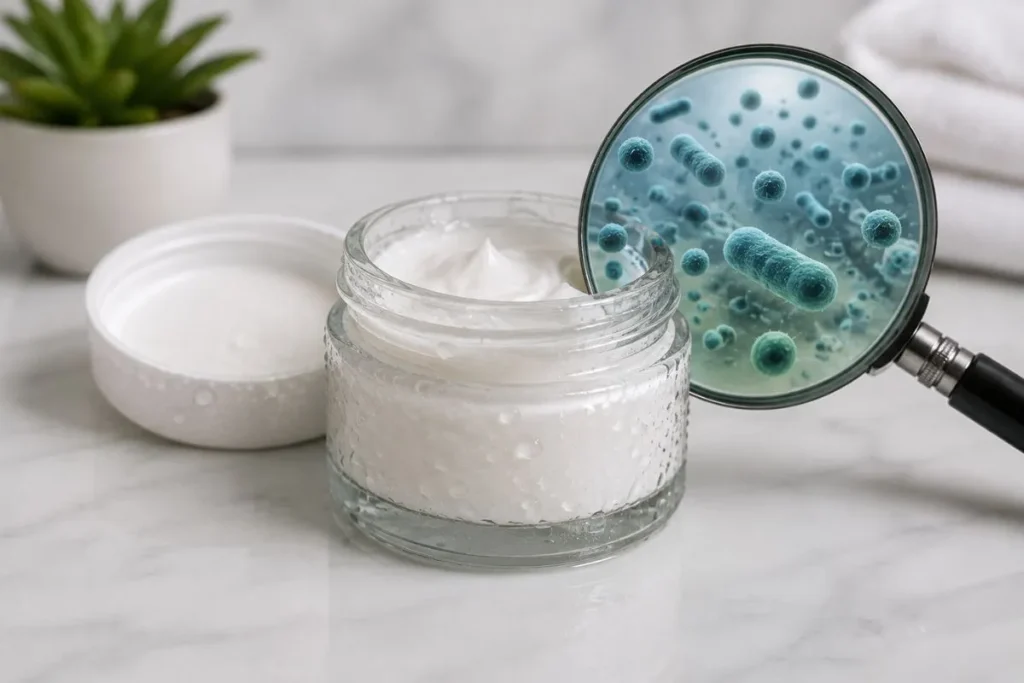
This doesn’t mean every product stored in the bathroom will spoil immediately. However, constant exposure to humidity can shorten the skincare shelf life, especially for products that come in jars or containers opened frequently.
A bedroom drawer or cabinet away from direct sunlight is usually a much better storage option.
Bacteria Build Up with Every Use
Every time you dip your fingers into a cream or balm, tiny amounts of bacteria can enter the container.
Even clean hands carry natural microorganisms. Over weeks and months, these microorganisms build up inside the product.
Although preservatives help control bacterial growth, they become less effective as the product ages. Eventually, contamination can affect both the safety and performance of the formula.
Practicing good skincare hygiene makes a noticeable difference. Using clean hands or a small spatula helps reduce contamination and extends the product’s usable life.
Natural and Organic Products Often Have a Shorter Shelf Life
Many people assume natural skincare lasts longer because it contains fewer chemicals. In reality, the opposite is often true.
Products made with fewer synthetic preservatives usually have a shorter skincare product lifespan because they rely on natural preservation methods.
While these products can be excellent for your skin, they often require extra care during storage and should be used within the recommended time after opening.
Always check the packaging instructions and avoid keeping natural products longer than advised.
Packaging Plays a Bigger Role Than Most People Think
The type of packaging also affects how long skincare stays fresh.
Products in airless pumps and squeeze tubes are generally better protected from air, moisture, and bacteria than products packaged in open jars.
Dark-colored bottles help shield sensitive ingredients from light, while airtight containers slow oxidation.
Although packaging can’t stop aging completely, it significantly improves skincare product safety by protecting the formula from everyday exposure.
Proper Storage Can Help Your Products Last Longer
While you can’t prevent skincare from expiring, you can slow the process by storing products correctly.
Keeping skincare away from direct sunlight, heat, and excessive humidity helps preserve ingredient stability and supports longer-lasting product performance.
Closing lids tightly after every use and avoiding contamination also contribute to better skincare hygiene and overall product freshness.
These simple habits won’t extend a product beyond its official expiration date, but they can help ensure it stays effective throughout its intended shelf life.
How Long Do Different Skin Care Products Last?
Many people assume that all skincare products have the same expiration period. That’s one of the biggest misconceptions about skincare.
The truth is that every product has a different skincare shelf life depending on its ingredients, formulation, packaging, and whether it has been opened.
A gentle cleanser may stay effective much longer than a vitamin C serum, while sunscreen should never be used beyond its recommended lifespan.
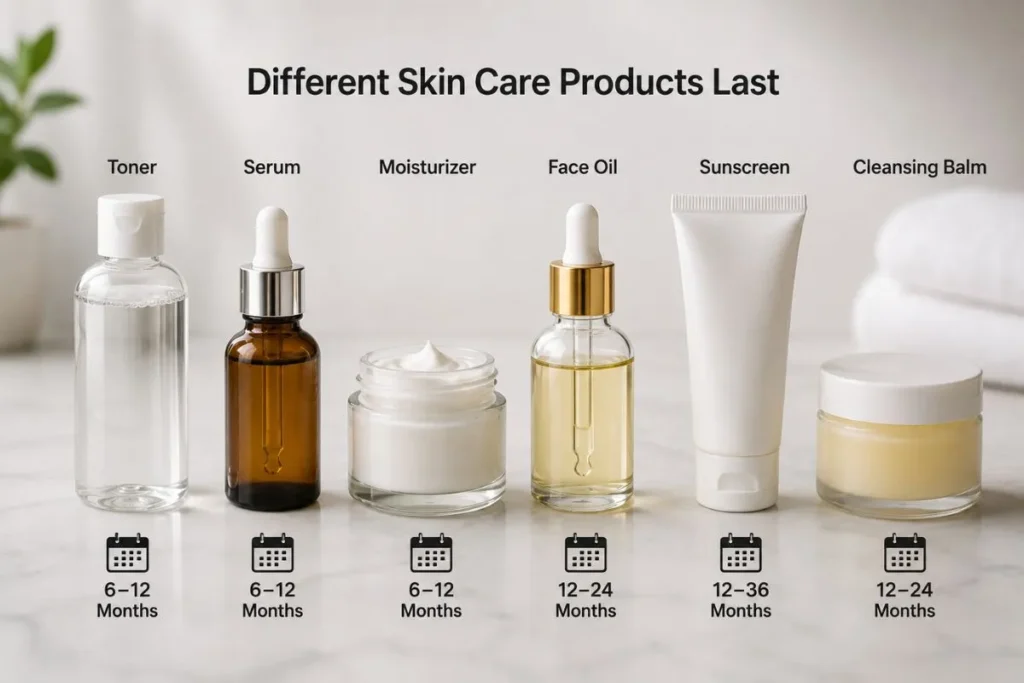
If you’re wondering how long do unopened skin care products last, the answer varies from product to product. Most unopened skincare products remain usable for one to three years when stored correctly. However, once you open them, the countdown begins, and their shelf life becomes much shorter.
Below is a general guide to help you understand the average lifespan of the most common skincare products.
Average Shelf Life of Common Skin Care Products
| Skincare Product | Unopened Shelf Life | After Opening |
| Cleansers | 2–3 years | 12 months |
| Moisturizers | 2–3 years | 6–12 months |
| Face Serums | 1–2 years | 6–12 months |
| Vitamin C Serums | 1–2 years | 3–6 months |
| Retinol Products | 1–2 years | 3–6 months |
| Hyaluronic Acid Serums | 2 years | 6–12 months |
| Niacinamide Serums | 2 years | 6–12 months |
| Toners | 2–3 years | 6–12 months |
| Eye Creams | 2 years | 6–12 months |
| Sunscreens | Up to printed expiration date | Usually 6–12 months or until the printed expiry date |
| Face Oils | 1–2 years | 6–12 months |
| Face Masks | 2 years | 6–12 months |
| Acne Treatments | 1–2 years | 3–6 months |
Note: These are average estimates. Always check the expiration date and the Period After Opening (PAO) symbol printed on the packaging.
Cleansers
Facial cleansers usually have one of the longest facial cleanser expiration periods because they often contain stable ingredients and effective preservatives.
Most cleansers last around two to three years before opening and about twelve months after opening. If you notice a strange smell, changes in texture, or separation, it’s time to replace the product even if it hasn’t reached the printed expiration date.
Moisturizers
If you’ve ever wondered how long do moisturizers last before they expire, the answer is generally between six and twelve months after opening.
The moisturizer shelf life depends on the formula. Products packaged in jars tend to expire faster because they come into contact with air and fingers every time you use them.
Pump bottles usually stay fresh longer because they’re better protected from contamination.
A moisturizer that becomes watery, grainy, or develops an unusual smell should no longer be used.
Face Serums
The serum shelf life varies depending on the active ingredients.
Most hydrating and peptide-based serums stay effective for six to twelve months after opening. Since serums contain concentrated ingredients, they are often more sensitive than cleansers or moisturizers.
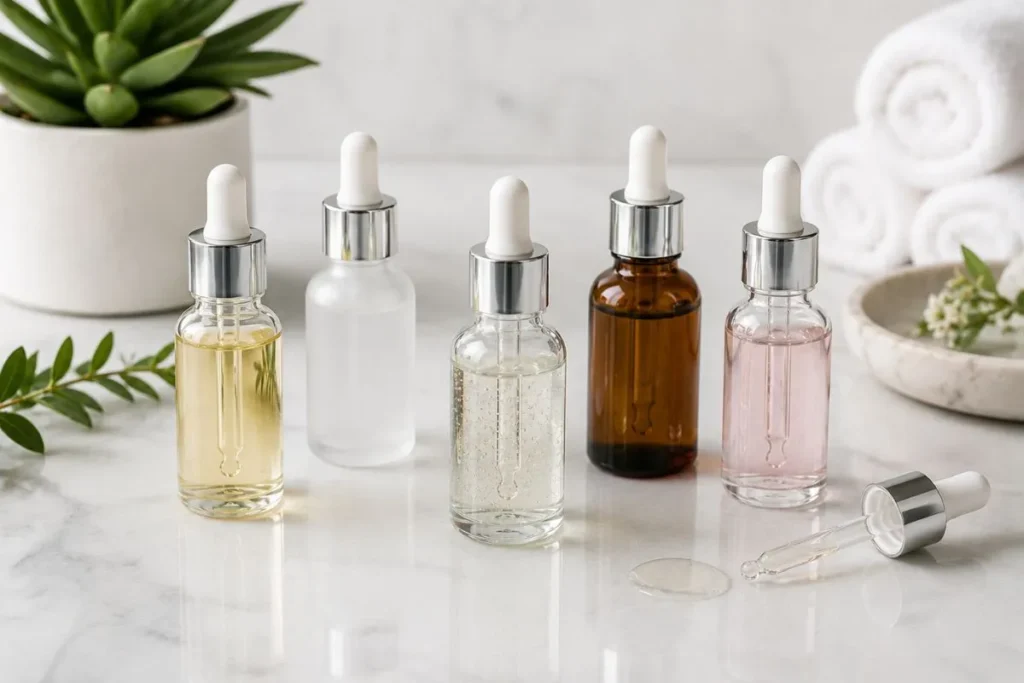
If the serum changes color or stops absorbing properly into your skin, it may have reached the end of its useful life.
Vitamin C Serums
Vitamin C is one of the least stable skincare ingredients.
A vitamin C serum expiration period is usually much shorter than many other products because oxidation begins as soon as the bottle is opened. Most vitamin C serums remain effective for only three to six months after opening.
If your serum changes from clear or pale yellow to dark orange or brown, it has likely oxidized and should be replaced. Continuing to use it won’t provide the brightening benefits you expect.
Retinol Products
Retinol is another ingredient with a relatively short lifespan.
Because retinol is sensitive to light, air, and heat, most products remain effective for only three to six months after opening.
Even if the cream looks normal, expired retinol gradually loses its potency, meaning it won’t deliver the same anti-aging or skin-renewing results.
Hyaluronic Acid Serums
Hyaluronic acid is more stable than many active ingredients.
A typical hyaluronic acid serum stays effective for six to twelve months after opening if stored correctly. Although it generally has a longer serum shelf life, keeping the bottle tightly closed helps preserve its quality.
Niacinamide Serums
Niacinamide is known for being one of the more stable skincare ingredients.
Most niacinamide serums last six to twelve months after opening and maintain their effectiveness well when stored in a cool, dry place.
Even though they’re relatively stable, it’s still important to check for changes in color, smell, or consistency before use.
Toners
The average toner shelf life is between six and twelve months after opening.
Alcohol-based toners sometimes last slightly longer because alcohol helps limit bacterial growth. Hydrating toners with botanical extracts may have a shorter lifespan depending on their ingredients.
If your toner becomes cloudy or develops floating particles, it’s best to replace it.
Eye Creams
Eye creams deserve extra attention because they’re applied around one of the most delicate areas of your face.
Most eye creams stay fresh for six to twelve months after opening. Since expired products can irritate the sensitive skin around your eyes, replacing them on time is especially important.
Always close the lid tightly after each use to help preserve the product.
Sunscreens
Many people ask, does sunscreen expire and is it safe to use?
Yes, sunscreen absolutely expires, and it’s one product you should never use after its expiration date.
Unlike other skincare products that may simply lose effectiveness, expired sunscreen may no longer provide the UV protection listed on the label. This increases your risk of sunburn, premature aging, and sun damage.
Always replace sunscreen once it expires or if it has changed in texture, smell, or consistency.
Face Oils
Natural oils gradually oxidize over time.
Most face oils remain fresh for six to twelve months after opening, although some formulas with antioxidants may last a little longer.
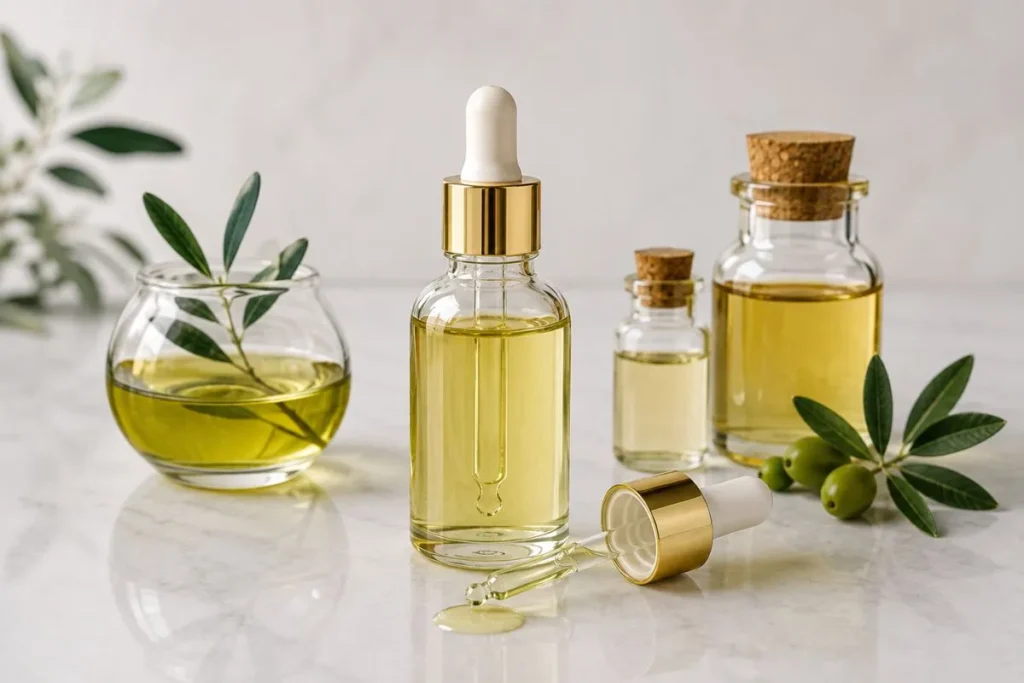
A strong, sour, or rancid smell is one of the clearest signs that a facial oil has expired.
Face Masks
Cream masks, overnight masks, and wash-off masks generally stay effective for six to twelve months after opening.
Masks stored in jars should always be used with clean hands or a spatula to reduce contamination and help maintain skincare product quality.
If the mask separates or develops mold, it should be discarded immediately.
Acne Treatments
Acne products often contain active ingredients such as benzoyl peroxide or salicylic acid that naturally lose strength over time.
Most acne treatments remain effective for three to six months after opening. Once these ingredients begin breaking down, the treatment becomes less effective at fighting breakouts.
If your acne treatment no longer seems to work as well as it once did, expiration could be one of the reasons.
Does Storage Affect How Long Skincare Products Last?
Absolutely.
Even though every product has an estimated skincare shelf life, poor storage can shorten it considerably. Heat, humidity, and direct sunlight speed up ingredient breakdown, while keeping products tightly sealed in a cool, dry place helps maintain their quality for longer.
This is why checking expiration dates alone isn’t enough. Proper storage plays an equally important role in preserving skincare product quality and ensuring you get the full benefits from your skincare routine.
Does Unopened Skincare Expire?
Many people believe that if a skincare product has never been opened, it will stay fresh forever. That’s a common misconception. Even when the seal is intact, the ingredients inside continue to age over time. So, if you’re wondering do skin care products expire, the answer is still yes.
Unopened skincare products have a longer shelf life than opened ones, but they do not last indefinitely.
Why Does Unopened Skincare Expire?
A sealed product is protected from air and bacteria, but it isn’t protected from time. Active ingredients naturally become less stable as months and years pass.
Preservatives also lose their effectiveness over time, and natural oils can slowly oxidize. As a result, the product may no longer deliver the same benefits it offered when it was first manufactured.
This is why skincare brands determine a cosmetic shelf life for every product. The expiration date represents the period during which the manufacturer can guarantee the product’s quality, safety, and performance when it has been stored correctly.
How Long Do Unopened Skin Care Products Last?
If you’re asking how long do unopened skin care products last, the answer depends on the type of product and its ingredients. Most cleansers, moisturizers, and toners remain usable for around two to three years if unopened. Serums, vitamin C products, retinol creams, acne treatments, and facial oils usually last between one and two years.

Sunscreens should always be used before the printed expiration date because their ability to protect your skin decreases once they expire.
Although these timeframes are useful as a general guide, you should always follow the expiration date provided by the manufacturer.
Expiration Date vs. Manufacturing Date
Many people confuse the manufacturing date with the expiration date, but they serve different purposes.
The manufacturing date tells you when the product was produced. The expiration date tells you how long the manufacturer expects the product to remain safe and effective under normal storage conditions.
Some skincare brands print both dates on the packaging, while others only provide an expiration date or a batch code. Understanding the difference helps you avoid using products that have been sitting unused for too long.
What Is a Skincare Batch Code?
A skincare batch code is a unique combination of letters and numbers printed on the product or its packaging. It allows manufacturers to identify when the product was made and which production batch it belongs to.
If your product doesn’t clearly display an expiration date, checking the batch code can help you estimate its age. Many skincare brands offer online tools that allow customers to enter the batch code and view the manufacturing information.
This is particularly useful when buying skincare from online marketplaces or discount retailers, where products may have been in storage for an extended period.
Can an Unopened Product Expire Before the Printed Date?
Yes, it can.
The printed expiration date assumes the product has been stored under ideal conditions. If an unopened product is exposed to excessive heat, direct sunlight, high humidity, or damaged packaging during shipping or storage, its quality may decline faster than expected.
For example, a moisturizer kept inside a hot warehouse or a car during summer may lose effectiveness sooner, even though it has never been opened.
This is another reason why buying skincare from trusted retailers is important.
How to Store Unopened Skincare Properly
Proper storage plays a major role in maintaining the unopened skincare shelf life. Keep products in a cool, dry place away from direct sunlight and heat sources. A bedroom drawer or cabinet is usually a better storage location than a humid bathroom.
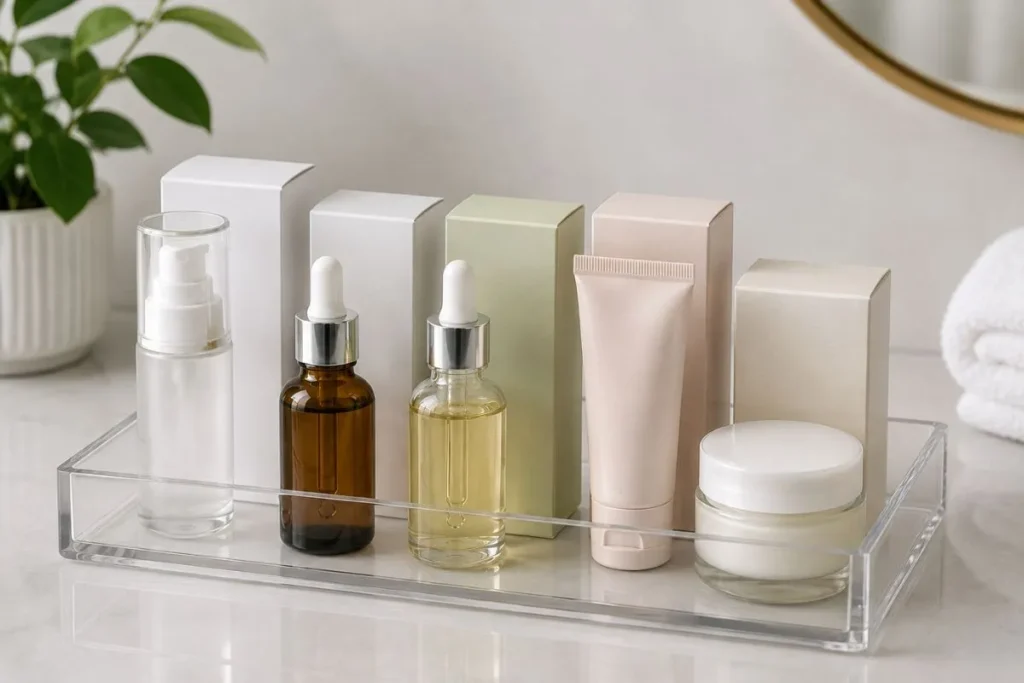
It’s also a good idea to leave products in their original boxes until you’re ready to use them. The packaging helps protect them from light and sudden temperature changes, preserving their quality for longer.
Should You Use an Unopened Product Past Its Expiration Date?
In most cases, you shouldn’t.
Even if the seal is intact, an expired product may no longer perform the way it was designed to. Active ingredients can lose their potency, making the product less effective. This is especially important for products like sunscreen, vitamin C serums, retinol creams, and acne treatments, where ingredient strength directly affects performance.
12. Common Mistakes That Make Skin Care Products Expire Faster
Many people think skincare products expire only because they get old. In reality, age isn’t always the main reason. Everyday habits can shorten a product’s skincare shelf life long before the expiration date arrives.
Even premium products won’t stay fresh if they’re stored or handled the wrong way.
If you’ve ever wondered do skin care products expire sooner than expected, the answer is yes. Simple mistakes like leaving the lid open or storing products in a humid bathroom can reduce skincare product quality and make your favorite products less effective.
Here are the most common mistakes you should avoid.
Leaving the Lid Open
One of the easiest ways to shorten a product’s lifespan is by forgetting to close the lid properly after each use.
When a container stays open, air continuously enters the product. This speeds up oxidation, which is especially harmful to products containing active ingredients like vitamin C and retinol. It also allows dust and tiny microorganisms to settle inside the container.
Make it a habit to close every bottle, tube, or jar tightly as soon as you’re finished using it. This simple step helps maintain skincare product safety and preserves the formula for longer.
Storing Skincare in a Hot Bathroom
The bathroom may seem like the perfect place to keep your skincare routine, but it’s often one of the worst locations.
Hot showers create steam and humidity almost every day. These changing temperatures can affect ingredient stability and gradually reduce the skincare product lifespan.
Instead of storing products on the bathroom counter, keep them in a cool, dry drawer or cabinet away from heat and direct sunlight. This small change can significantly improve your skincare shelf life.
Touching Products with Dirty Fingers
Every time you dip your fingers into a moisturizer or face mask, you introduce bacteria into the product.
Even if your hands look clean, they naturally carry microorganisms. Over time, these bacteria build up inside the container and can reduce skincare product quality.
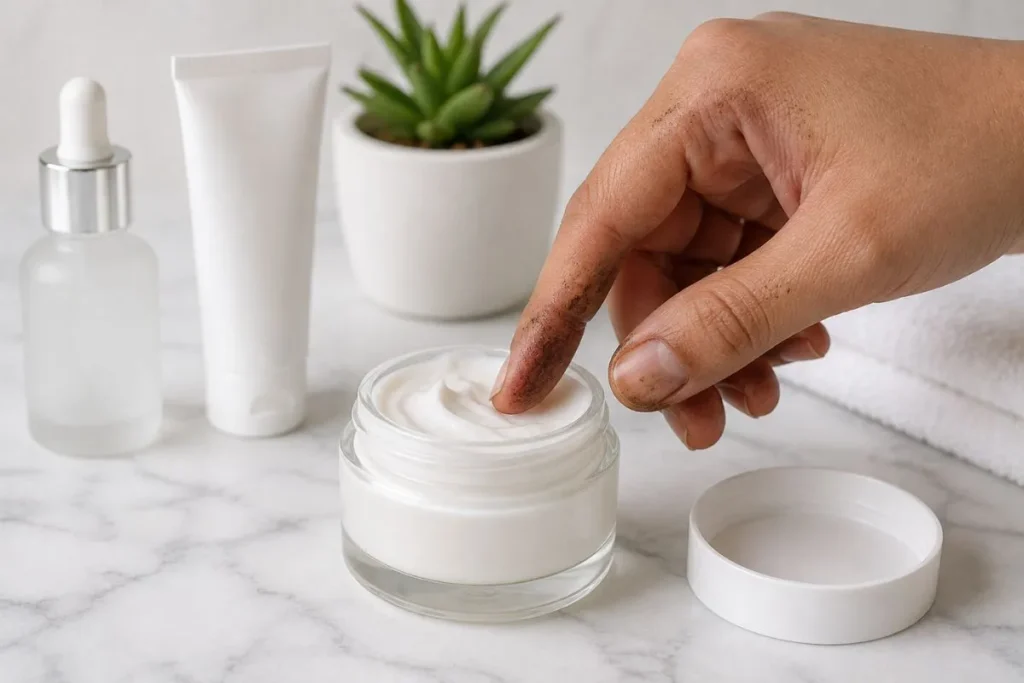
This is especially important for products packaged in jars.
To improve skincare hygiene, always wash your hands before applying skincare. If possible, use a clean spatula to scoop out creams and masks instead of using your fingers.
Ignoring the Expiration Date
Many people continue using skincare simply because there’s still product left in the container.
However, expiration dates are there for a reason. Once a product passes its recommended usage period, there’s no guarantee that the active ingredients will still perform effectively.
Before applying any product, take a quick look at the expiration date or the Period After Opening (PAO) symbol. This simple habit can help you avoid using expired skincare products that no longer benefit your skin.
Buying More Than You Can Use
Stocking up during sales can save money, but buying too many products at once often leads to waste.
If several serums or moisturizers sit unopened for years, they may expire before you even have a chance to use them. This is particularly true for products with shorter shelf lives, such as vitamin C serums, retinol creams, and acne treatments.
Instead of purchasing multiple backups, buy products you know you’ll finish within their recommended usage period. This helps maintain skincare product safety while reducing unnecessary waste.
Mixing Products Inside the Original Container
Some people combine two different skincare products into one bottle or jar to save time.
Although it may seem convenient, this practice can alter the product’s formula and reduce ingredient stability.
Different preservatives and active ingredients are designed to work within their original formulations. Mixing them together may shorten the product’s lifespan or even reduce its effectiveness.
It’s always safer to mix products in your hand immediately before application rather than inside the original packaging.
Not Cleaning Applicators and Tools
Reusable applicators, facial rollers, spatulas, and brushes can collect dirt, oil, and bacteria if they aren’t cleaned regularly.
When these tools touch your skincare products repeatedly, they transfer contaminants back into the container.
Cleaning your skincare tools with mild soap and warm water on a regular basis supports better skincare hygiene and helps protect the quality of your products.
Keeping Products Near Windows
Sunlight doesn’t just warm up your skincare it also exposes products to UV rays that can break down sensitive ingredients.
Products placed on a sunny windowsill may lose their effectiveness much faster than those stored in a dark cabinet.
To maintain skincare product quality, always store your products away from direct sunlight, especially if they contain ingredients like vitamin C, retinol, or botanical extracts.
Forgetting to Check Products Before Using Them
Even if a product hasn’t reached its expiration date, it’s still important to inspect it before each use.
Take a few seconds to check for changes in color, smell, texture, or consistency. These signs often indicate that the product has started to degrade.
Developing this habit helps you catch problems early and avoid applying products that may no longer be safe or effective.
Using Wet Hands Around Skincare Products
Water may seem harmless, but allowing moisture to enter a skincare container can encourage bacterial growth, especially in jar-packaged products.
Always dry your hands before using skincare, and avoid letting water drip into open containers. This simple habit helps preserve the formula and supports better skincare product safety.
Frequently Asked Questions (FAQs)
Do Skin Care Products Expire After Opening?
Yes, do skin care products expire after opening? Absolutely. Once you open a skincare product, it starts coming into contact with air, moisture, and bacteria every time you use it. This gradually reduces its effectiveness and eventually affects its safety.
Most skincare products include a Period After Opening (PAO) symbol, such as 6M, 12M, or 24M, which tells you how many months the product is generally safe to use after opening. Always follow this guideline, even if the product hasn’t reached its printed expiration date.
Can Skin Care Products Expire Before the Printed Date?
Yes, they can.
Although manufacturers test products under normal storage conditions, exposure to heat, humidity, direct sunlight, or contamination can shorten their lifespan.
For example, leaving your skincare products in a hot car or storing them in a humid bathroom every day can cause the ingredients to break down faster. That’s why proper storage is just as important as checking the expiration date.
How Long Do Skincare Products Last Once Opened?
There isn’t a single answer because every product is different.
On average:
- Cleansers last around 12 months.
- Moisturizers usually last 6 to 12 months.
- Serums remain effective for 6 to 12 months.
- Vitamin C and retinol products often last only 3 to 6 months.
- Sunscreens should always be replaced by their printed expiration date.
Checking the product label and PAO symbol is the best way to know how long your skincare should be used after opening.
Is It Okay to Use Expired Moisturizer?
No, it’s generally not recommended.
An expired moisturizer may no longer hydrate your skin effectively because its ingredients gradually lose their potency. In some cases, preservatives also become less effective, increasing the risk of bacterial contamination.
If your moisturizer has changed in smell, color, or texture, it’s best to replace it with a fresh one.
Does Sunscreen Expire?
Yes, sunscreen definitely expires.
This is one skincare product you should never continue using after its expiration date. Expired sunscreen may not provide the SPF protection listed on the label, leaving your skin vulnerable to UV damage, premature aging, and sunburn.
Always replace sunscreen before it expires, especially if it’s been exposed to excessive heat.
Can Expired Serum Damage Your Skin?
It can.
An expired serum may not always cause immediate problems, but it can become less effective over time. If bacteria have contaminated the product or the ingredients have degraded, it may lead to irritation, redness, or unexpected breakouts.
This is particularly true for vitamin C and retinol serums, which contain active ingredients that naturally lose stability faster than many other skincare products.
What Does the Open Jar Symbol Mean?
The open jar icon is known as the Period After Opening (PAO) symbol.
It tells you how many months the product should be used after opening.
For example:
- 6M means use within six months.
- 12M means use within twelve months.
- 24M means use within twenty-four months.
Following the PAO symbol helps you use skincare products while they’re still safe and effective.
Can Unopened Skincare Still Expire?
Yes.
Even sealed products have a limited shelf life because ingredients naturally age over time. Although unopened skincare usually lasts longer than opened products, it should still be used before the manufacturer’s expiration date.
If you’re wondering how long do unopened skin care products last, most products remain usable for one to three years when stored properly, but always check the packaging for specific guidance.
How Should Skincare Products Be Stored?
To maximize skincare shelf life, store products in a cool, dry place away from direct sunlight and heat.
Keep lids tightly closed after every use, avoid exposing products to excessive humidity, and always use clean hands or a spatula when handling creams packaged in jars.
Proper storage helps preserve ingredient stability and maintain skincare product quality.
Should I Throw Away Expired Skincare Products?
Yes.
If a skincare product has passed its expiration date or shows obvious signs of spoilage, it’s safest to dispose of it.
Using expired skincare products may reduce your skincare results and increase the risk of irritation or contamination. Replacing expired products ensures that your skincare routine remains both safe and effective.
When in doubt, remember this simple rule: if the product has expired, smells unusual, changes color, or develops a different texture, it’s better to replace it than risk damaging your skin.
Conclusion
So, do skin care products expire? Yes, they absolutely do. Every cleanser, moisturizer, serum, toner, sunscreen, and eye cream has a limited shelf life.
While some products last longer than others, none are designed to stay effective forever. Over time, ingredients naturally break down, preservatives lose their strength, and the product may no longer deliver the results your skin needs.
The good news is that avoiding expired skincare products is easier than most people think.
Simply checking the expiration date, following the Period After Opening (PAO) symbol, storing products in a cool and dry place, and watching for changes in smell, color, or texture can help you get the most out of every product you buy.
If you’ve ever wondered can skin care products expire or how to know if skin care products have expired, you now have the knowledge to make informed decisions.
Paying attention to your products doesn’t just protect your investment it also protects your skin from irritation, reduced effectiveness, and unnecessary breakouts.
Remember, healthy skin isn’t just about choosing the right skincare products. It’s also about using them while they’re still fresh, safe, and effective. Replacing expired products at the right time ensures your skincare routine continues to work the way it was intended.
The next time you organize your skincare shelf, take a few extra minutes to check expiration dates and inspect your products. Removing items that are past their prime is a simple habit that can improve both the safety and performance of your daily routine.
Ultimately, the answer to do skin care products expire is clear: yes, they do.
Treat expiration dates as an important part of your skincare routine, and you’ll enjoy better results, healthier skin, and greater confidence that every product you apply is doing exactly what it’s supposed to do.

Name: Shahzadi
I’m passionate about skincare, beauty, and simple self-care. I share practical skincare tips, beauty routines, product insights, and easy ways to build healthy-looking, glowing skin.
My goal is to make beauty and skincare easier to understand, so you can discover routines that fit your everyday life.


