

Most people remember sunscreen for their face, arms, and shoulders but their lips often get overlooked. That small mistake can lead to dry, cracked, sunburned lips and even increase the risk of long-term sun damage.
Unlike the rest of your skin, your lips contain very little melanin, the natural pigment that helps protect against harmful UV rays. That makes them far more vulnerable to burning, dryness, and premature aging.
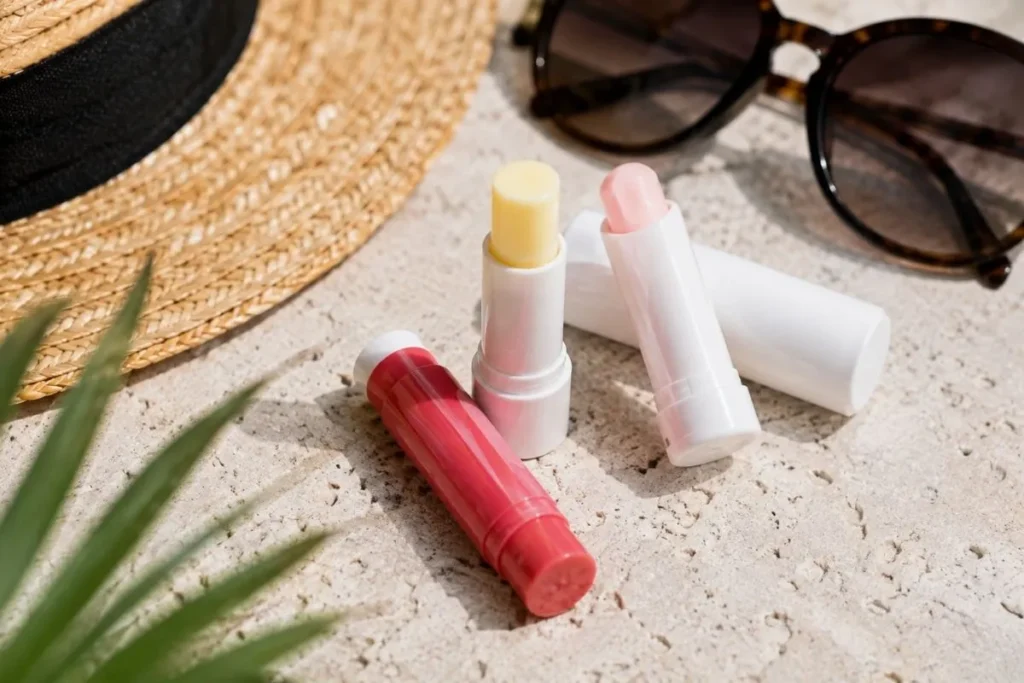
Finding the best lip balm sun protection isn’t simply about choosing the highest SPF. The right product should hydrate, shield against both UVA and UVB rays, feel comfortable throughout the day, and suit your daily routine.
This guide explains exactly what to look for, which ingredients make a difference, common buying mistakes, and practical tips to help you keep your lips healthy in every season.
Why Your Lips Need Sun Protection Every Day
Your lips are exposed to sunlight whenever you’re outside, yet many people never think about protecting them.
Sun exposure can cause:
- Painful sunburn
- Dry, flaky lips
- Premature wrinkles around the mouth
- Dark pigmentation
- Long-term UV damage
- Increased risk of skin cancer on the lips
Even on cloudy days, ultraviolet rays can reach your skin. Snow, sand, and water also reflect sunlight, making UV exposure even stronger.
That’s why dermatologists recommend wearing SPF lip balm every day not just during summer vacations.
What Makes the Best Lip Balm Sun Protection?
Not every lip balm provides real sun protection. Many products moisturize well but offer little or no UV defense.
A high-quality SPF lip balm should include several important features.
Broad-Spectrum Protection
When choosing a lip balm, always look for Broad-Spectrum Protection to keep your lips protected from harmful ultraviolet rays. Lip products with broad-spectrum sunscreen protection defend against both UVA and UVB rays, providing comprehensive UV defense for everyday wear.
This means they help protect against:
- UVA rays, which contribute to premature aging and long-term skin damage.
- UVB rays, which are primarily responsible for sunburn.
Choosing a lip balm with Broad-Spectrum Protection ensures your lips receive full-spectrum UV protection, reducing the risk of sun damage caused by both types of ultraviolet radiation.
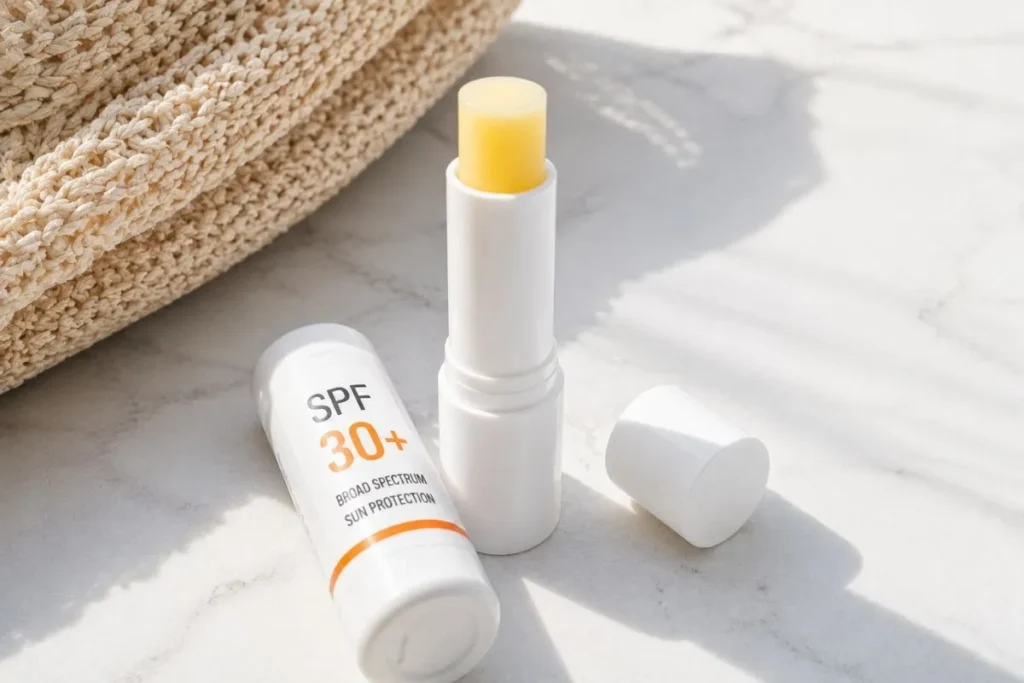
SPF 30 or Higher
Experts generally recommend SPF 30 for daily use.
Higher SPF may offer slightly more protection, but regular reapplication matters much more than choosing SPF 50 over SPF 30.
Moisturizing Ingredients
Choosing lip products with Moisturizing Ingredients is essential because sun exposure can quickly strip moisture from your lips, leaving them dry and vulnerable.
The best hydrating ingredients and nourishing ingredients help restore softness, strengthen the skin barrier, and provide long-lasting hydration. Look for Moisturizing Ingredients such as:
- Shea butter
- Cocoa butter
- Beeswax
- Coconut oil
- Jojoba oil
- Vitamin E
- Castor oil
- Lanolin (if you’re not sensitive)
These skin-conditioning ingredients help repair the skin barrier, lock in moisture, and prevent dryness, keeping your lips healthy, smooth, and protected.
These help repair the skin barrier while preventing dryness.
Water Resistance
If you swim, hike, exercise, or spend time outdoors, choose a water-resistant lip balm.
It stays effective longer despite sweat or water exposure.
Remember that even water-resistant formulas need reapplication after swimming or heavy sweating.
Ingredients Worth Looking For
Understanding ingredient labels helps you choose a better product.
Mineral UV Filters
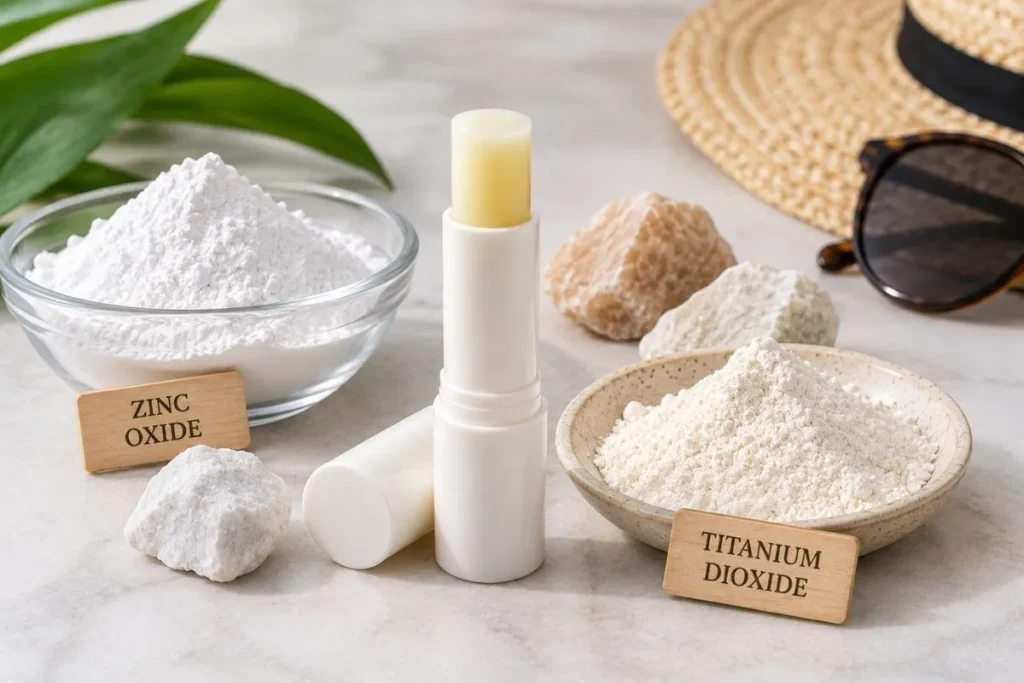
Mineral sunscreens include:
- Zinc Oxide
- Titanium Dioxide
Benefits include:
- Gentle on sensitive lips
- Immediate protection
- Less irritation for many users
Chemical UV Filters
Chemical UV Filters are sunscreen ingredients specifically formulated to protect your lips from harmful ultraviolet (UV) rays.
These chemical sunscreen filters absorb UV radiation before it can damage the delicate skin on your lips, making them a popular choice in SPF lip balms. Common organic UV filters used in lip care products include:
- Avobenzone – Helps protect lips from UVA rays that contribute to premature aging and long-term sun damage.
- Octinoxate – Protects against UVB rays, which are the primary cause of sunburned lips.
- Octisalate – Provides additional UVB protection while improving the effectiveness of other sunscreen ingredients.
- Homosalate – Helps shield lips from UVB rays and enhances the overall performance of SPF lip balms.
Many people choose lip balms with Chemical UV Filters because they feel lightweight, absorb quickly, and leave little to no visible residue on the lips. These chemical sun filters provide comfortable daily protection, making them ideal for outdoor activities and everyday use.
For the best results, apply your SPF lip balm generously and reapply every two hours, or more often after eating, drinking, swimming, or licking your lips.
Whether you choose Chemical UV Filters or mineral UV filters, consistent use of an SPF lip balm is one of the best ways to protect your lips from sunburn, dryness, premature aging, and long-term UV damage.
Ingredients You May Want to Avoid
Some ingredients may irritate already dry lips.
Examples include:
- Excessive menthol
- Camphor
- Phenol
- Strong artificial fragrances
- High alcohol content
These ingredients may provide a cooling feeling but can make dryness worse for some people.
How to Choose the Best Lip Balm for Your Needs
Everyone’s lips are different.
Here are a few situations to consider.
For Dry Lips
Choose richer formulas with:
- Shea butter
- Ceramides
- Natural oils
- Vitamin E
These provide longer-lasting hydration.
For Sensitive Lips
Fragrance-free and hypoallergenic products are usually safer choices.
Mineral SPF formulas are often preferred for sensitive skin.
For Outdoor Sports
Cyclists, runners, hikers, and skiers should choose:
- SPF 30+
- Water resistance
- Long-lasting formula
Reapply frequently during prolonged outdoor activity.
For Everyday Use
Many modern SPF lip balms have lightweight formulas that feel comfortable under lipstick or lip gloss.
This makes daily protection much easier.
Common Mistakes People Make
Many people unknowingly reduce the effectiveness of their lip balm.
Here are the biggest mistakes.
Only Applying It Once
Lip balm wears off quickly after:
- Eating
- Drinking
- Talking
- Licking your lips
Reapply every two hours when outdoors.
Choosing Flavor Over Protection
A delicious flavor doesn’t necessarily mean effective UV protection.
Always check for SPF labeling.
Forgetting Winter Protection
Cold weather doesn’t block UV rays.
Snow reflects sunlight, increasing exposure.
Winter sports often require even more frequent application.
Ignoring Expiration Dates
Expired SPF products may not provide the protection listed on the label.
Replace old lip balm regularly.
Does Higher SPF Always Mean Better Protection?
Not necessarily.
For most people:
- SPF 15 blocks about 93% of UVB rays.
- SPF 30 blocks about 97%.
- SPF 50 blocks around 98%.
The biggest difference comes from applying enough product and reapplying consistently.
Expert Tips for Maximum Lip Protection
Small habits can make a big difference.
- Apply SPF lip balm 15 minutes before going outdoors.
- Reapply every two hours.
- Reapply immediately after swimming or eating.
- Wear a wide-brim hat when spending long periods outside.
- Drink enough water to prevent dehydration.
- Avoid picking at peeling lips.
- Store your lip balm away from excessive heat.
Can Lip Balm Prevent Chapped Lips?
Yes but only when it contains moisturizing ingredients and you use it consistently.
Sun exposure is one of the leading causes of dry lips.
Combining hydration with SPF protection helps maintain the skin barrier and reduces moisture loss.
Who Should Use SPF Lip Balm?
The simple answer is everyone.
It is especially important for:
- Children
- Outdoor workers
- Athletes
- Beachgoers
- Hikers
- Skiers
- People with fair skin
- Anyone taking medications that increase sun sensitivity
Daily use offers year-round benefits.
Best Practices for Daily Lip Care
Healthy lips don’t require a complicated routine.
A simple routine includes:
- Apply SPF lip balm every morning.
- Reapply every two hours outdoors.
- Drink plenty of water.
- Avoid licking your lips.
- Use a richer moisturizing balm overnight if needed.
- Replace expired products.
These habits help keep lips smooth, comfortable, and protected.
FAQs
What SPF is best for lip balm?
SPF 30 with broad-spectrum protection is a great choice for everyday use because it provides strong protection against both UVA and UVB rays.
How often should I reapply SPF lip balm?
Reapply every two hours when outdoors and immediately after eating, drinking, swimming, or excessive sweating.
Can lips get sunburned?
Yes. Lips have very little natural protection from UV rays and can burn easily.
Is SPF lip balm necessary in winter?
Absolutely. Snow reflects UV rays, increasing sun exposure even on cold days.
Can I wear lipstick over SPF lip balm?
Yes. Allow the lip balm to absorb for a minute or two before applying lipstick.
Are mineral lip balms better?
Mineral formulas containing zinc oxide or titanium dioxide are often recommended for people with sensitive lips because they are generally less irritating.
Can children use SPF lip balm?
Yes. Many pediatricians recommend age-appropriate SPF lip balm for children who spend time outdoors. Always choose products suitable for their age group.
Does lip balm expire?
Yes. Expired SPF ingredients may lose effectiveness, so replace your lip balm according to the manufacturer’s expiration date.
Conclusion
Protecting your lips from the sun is one of the simplest steps you can take for healthier skin. The best lip balm sun protection combines broad-spectrum SPF, moisturizing ingredients, and a formula you’ll enjoy using every day.
While a higher SPF can help, consistent application and regular reapplication make the biggest difference.
By choosing the right product and building it into your daily routine, you can reduce dryness, prevent sun damage, and keep your lips soft, comfortable, and protected throughout the year.
Disclaimer
This article is intended for educational and informational purposes only and should not be considered medical advice. Individual skin types and health conditions vary.
If you experience persistent lip irritation, allergic reactions, unusual sores, or signs of severe sun damage, consult a qualified dermatologist or healthcare professional. Always follow the usage instructions provided by the manufacturer of your chosen lip balm.

Name: Shahzadi
I’m passionate about skincare, beauty, and simple self-care. I share practical skincare tips, beauty routines, product insights, and easy ways to build healthy-looking, glowing skin.
My goal is to make beauty and skincare easier to understand, so you can discover routines that fit your everyday life.


