

It’s often said that choosing a concealer shade is as simple as picking a color that looks close to their foundation. However, that is not always true. Your skin tone, undertone, and the area you want to cover all play an important role in finding the right match.
If you choose the wrong shade, your makeup may look too pale, orange, or uneven instead of giving you a smooth, natural finish.
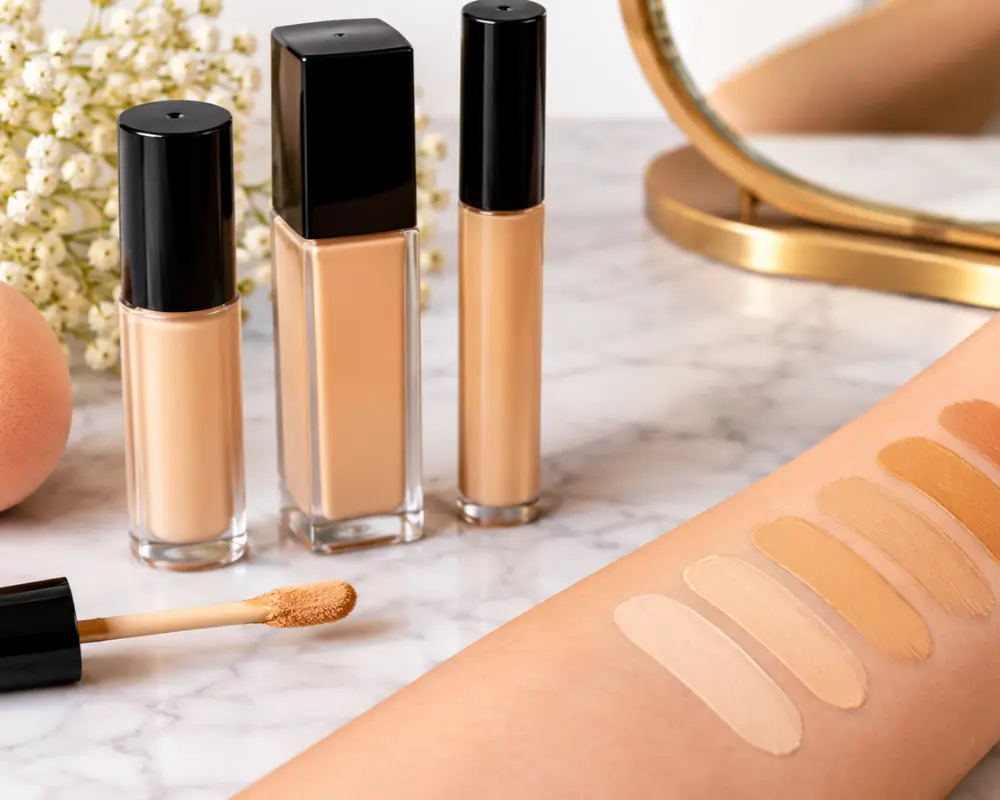
Learning how to find your concealer color doesn’t have to be difficult. With a few simple tips, you can find a shade that blends beautifully with your complexion.
In this guide, you’ll discover easy shade-matching techniques, helpful makeup tips, and common mistakes to avoid. We’ve also included some recommended concealer products throughout the article that you can explore and purchase to make choosing your perfect shade easier.
Why Choosing the Right Concealer Shade Matters
Finding the right concealer shade can make a bigger difference to your makeup than you might expect. Even if you use a good foundation and other makeup products, the wrong concealer color can make your overall look appear uneven. A well-matched concealer blends naturally into your skin and helps you achieve a fresh, polished appearance.
Let’s look at why choosing the correct concealer shade is so important.
Creates a Natural-Looking Makeup Finish
Nobody wants concealer that looks like a separate patch of makeup on their face. The right shade blends smoothly into your natural complexion, making it difficult to notice where the product begins or ends.
For example, if your skin is medium-toned, choosing a concealer that is too light can leave noticeable patches around your eyes or mouth. A shade that closely matches your complexion usually creates a more natural finish.
When selecting a concealer, pay attention to both its color and undertone. This helps your makeup look balanced rather than overly bright or dull. The goal is to find a product that covers imperfections without making your skin look unnatural.
Helps Cover Dark Circles Without Looking Gray
Dark circles can make your eyes look tired, even when you feel well-rested. A suitable concealer can help reduce their appearance and make the under-eye area look fresher.
However, using the wrong concealer shade can create another problem. If the color is too light or doesn’t complement your skin’s undertone, dark circles may appear gray or ashy instead of properly covered.
Choose a concealer that works with your natural complexion rather than simply picking the lightest available shade. This can help you achieve a more even-looking under-eye area without creating an obvious difference between your face and neck.
Hides Blemishes and Uneven Skin Tone
Small blemishes, acne marks, and dark spots can affect how your makeup looks. Concealer helps cover these areas and creates a more even appearance without requiring heavy foundation.
For covering blemishes, a concealer that closely matches your natural skin tone is usually the better choice. A shade that is too light can draw attention to the exact spots you want to hide.

You should also consider the product’s coverage. A medium-to-full-coverage concealer can help disguise visible imperfections while still allowing you to apply a relatively small amount.
For everyday makeup, choose a formula that blends easily and sits comfortably on your skin. This makes it easier to cover uneven areas without creating a thick or cakey finish.
Blends Easily With Your Foundation
Your foundation and concealer should work together to create an even makeup look. If their shades are too different, you may notice visible lines or patches, especially around your cheeks, nose, and under-eye area.
A well-matched concealer blends smoothly with your foundation and helps your makeup look more consistent.
For example, if you wear a foundation that matches your natural complexion, choosing a similar concealer shade can help cover blemishes without making those areas stand out. You can also use a slightly lighter shade for brightening specific areas when that effect is your goal.
Always consider the undertones of both products. Even when two makeup shades look similar, different warm, cool, or neutral undertones can make them appear mismatched once applied.
Understand Your Skin Tone Before Choosing Concealer
Many people believe that everyone with a similar skin color can use the same concealer shade. However, skin tones are not always identical, even when they look similar at first glance.
Your natural complexion plays an important role in choosing a concealer that looks right on your face. Before deciding which shade to buy, you need to understand whether your skin is fair, light, medium, olive, tan, or deep. This simple step will help you narrow down your options and make shade matching much easier.
What Is Skin Tone?
Skin tone refers to the natural color of your skin’s surface. It can range from very fair to deep, with several shades in between. Unlike skin undertones, which describe the subtle color beneath your skin’s surface, skin tone is the color you can actually see.
Understanding your skin tone helps you find a concealer that blends naturally with your complexion. For example, someone with fair skin may need a very light concealer, while someone with deep skin will usually need a richer, deeper shade.
Skin tone can also change slightly throughout the year. Spending time outdoors during summer may make your complexion look darker, while less sun exposure during winter can make it appear lighter.
When choosing a concealer, consider your current natural complexion rather than relying on a shade you used several months ago.
How to Identify Your Natural Skin Tone
Not sure which skin tone category describes you? Don’t worry. You can use a few simple methods to understand your natural complexion.
Check your face and neck: Look at your face and neck in natural daylight. Your neck can help you understand your overall complexion, especially if your face has some redness or uneven pigmentation.
Compare your complexion with common skin tone categories: Check whether your skin looks fair, light, medium, olive, tan, or deep. This gives you a starting point when exploring concealer shades.
Avoid artificial lighting: Bathroom lights and phone flash can make your skin appear lighter, darker, or more yellow than it actually is. Natural daylight gives you a more reliable view.
Consider seasonal changes: If your skin becomes darker during summer, your previous concealer shade may no longer match perfectly.
Once you understand your natural skin tone, you can start looking for concealer shades that suit your complexion.
Concealer for Fair Skin
Fair skin is usually the lightest skin tone category. It often has a porcelain, ivory, or very pale appearance. People with fair complexions may find that many standard concealer shades look too dark or orange on their skin.
If you have fair skin, look for concealers labeled porcelain, fair ivory, light ivory, or very fair. However, don’t choose a shade based on its name alone. Different brands use different shade descriptions.
For a natural everyday look, select a concealer that blends closely with your complexion. If you want to brighten your under-eye area, you can try a slightly lighter shade, provided it doesn’t leave a noticeable pale cast.
Helpful tip: Avoid choosing a concealer that is several shades lighter than your natural skin tone. It can make your under-eye area look overly white, especially in photographs.
Concealer for Light Skin
Light skin is slightly deeper than fair skin but still falls within the lighter complexion range. It may have beige, ivory, or light peach tones.
If you have light skin, look for shades labeled light beige, light sand, vanilla, or light neutral. The best option depends on your natural complexion and the undertone of the product.
You should also consider what you want to cover. For blemishes and dark spots, choose a shade that closely matches your skin. For under-eye brightening, a slightly lighter concealer may give you a fresh appearance.
Don’t assume that every light concealer will suit your complexion. Some shades have strong yellow or pink undertones that may look different once blended.
Concealer for Medium Skin
Medium skin usually falls between light and tan complexions. It can have beige, golden, neutral, or slightly warm-looking shades.
If you have medium skin, explore concealers labeled medium beige, natural beige, golden beige, or medium neutral.
The important thing is to avoid selecting a shade that looks too pale against your natural complexion. A very light concealer may create an obvious contrast, especially when applied around the eyes or mouth.
For covering acne marks and blemishes, try a concealer that matches your medium skin tone. If you prefer a brighter under-eye appearance, you can experiment with a shade slightly lighter than your foundation.
Helpful tip: Compare two or three medium concealer shades before purchasing. Sometimes a small difference in depth can make a big difference in the final makeup result.
Identify Your Skin Undertone to Find the Perfect Concealer Color
Many people believe that identifying their skin tone is enough to choose the perfect concealer shade. However, that’s only part of the process. Two people can have a similar complexion but need completely different concealer colors because their undertones are different.
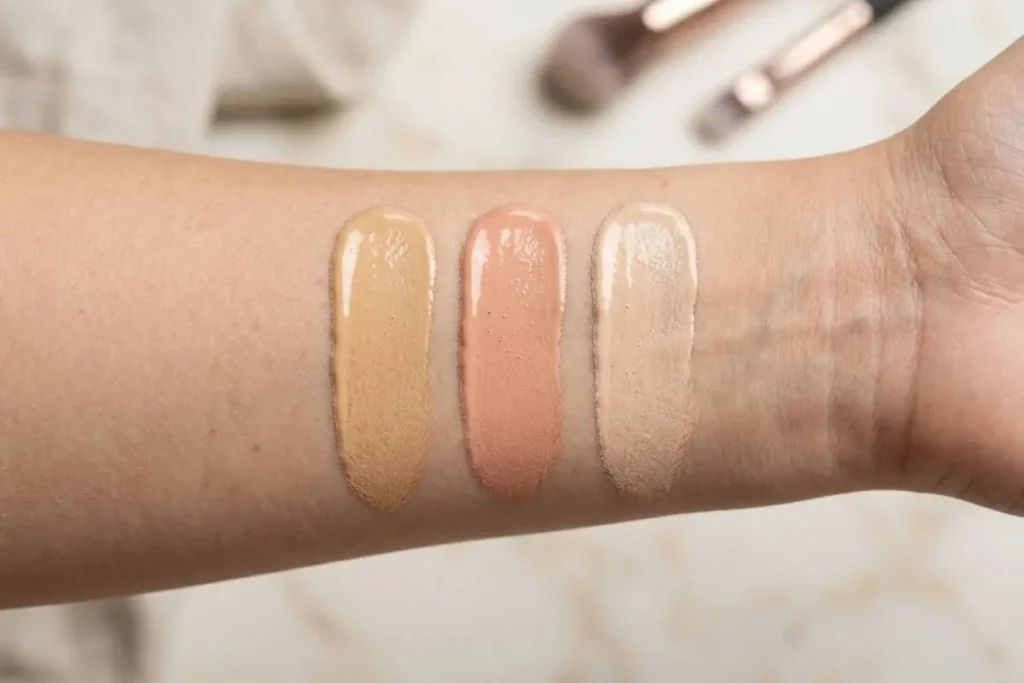
Your skin may have warm, cool, or neutral undertones, and understanding this difference can help you avoid choosing a concealer that looks too pink, yellow, or orange. If you want to know how to find your concealer color, learning about your skin undertone is an important step.
What Is a Skin Undertone?
A skin undertone is the subtle color beneath the surface of your skin. Unlike your visible skin tone, which can change with sun exposure or seasonal changes, your natural undertone usually stays the same.
There are three main types of skin undertones: warm, cool, and neutral. Warm undertones usually have golden, yellow, or peachy qualities. Cool undertones often have pink, red, or bluish qualities. Neutral undertones have a balance of warm and cool tones.
Understanding your undertone makes it easier to choose a concealer that complements your natural complexion. For example, someone with warm undertones may look better in a golden or yellow-based concealer, while someone with cool undertones may prefer a pink or neutral-based shade.
Remember that undertone and skin tone are not the same thing. You can have fair, medium, tan, or deep skin with warm, cool, or neutral undertones.
How to Identify Warm Undertones
Warm undertones usually have golden, yellow, peachy, or slightly golden-brown qualities. Your skin may look more golden than pink, even if your overall complexion is quite light.
One way to recognize warm undertones is by noticing how gold jewelry looks against your skin. If gold accessories make your complexion appear brighter and more balanced, you may have warm undertones. Your veins may also look greenish, although this test isn’t always reliable.
Warm colors such as coral, orange, and earthy shades may also complement your complexion.
If you have warm undertones, look for concealers described as warm beige, golden, honey, or yellow-based. These shades can complement your natural skin color without making your makeup look overly pink or dull.
However, don’t choose a golden concealer simply because you have warm undertones. You still need to consider your skin depth and the area you want to cover.
How to Identify Cool Undertones
Cool undertones generally have pink, rosy, red, or bluish qualities. Your skin may look slightly pink compared with someone who has a golden or yellow complexion.
You may have cool undertones if silver jewelry looks particularly flattering on you. Your skin might have a natural pink or rosy appearance, and your veins may appear blue or purple. Cool clothing colors such as blue, lavender, and pink may also complement your complexion.
If you have cool undertones, explore concealers with cool beige, rosy, or pink-based shades. These colors may blend more naturally with your complexion than strongly yellow or golden concealers.
One common mistake is choosing a very pink concealer without checking its depth. Even if the undertone is correct, the shade can still look unnatural if it is too light or dark for your skin.
The best approach is to find a concealer that combines the right depth with a cool undertone.
How to Identify Neutral Undertones
Neutral undertones fall somewhere between warm and cool. Your skin may not look strongly golden, yellow, pink, or red. Instead, it may have a balanced appearance that works well with different color families.
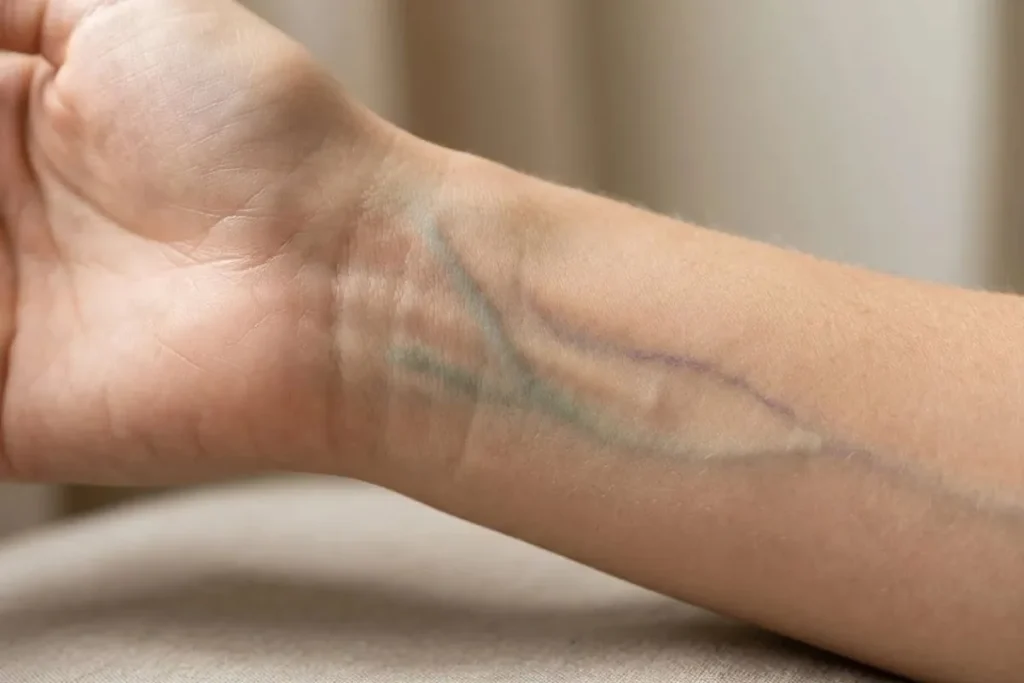
If both gold and silver jewelry look flattering on you, there’s a chance you have neutral undertones. Your veins may also appear as a mixture of blue and green, while your complexion may not show a strong pink or yellow appearance.
If you have neutral undertones, look for concealers labeled neutral beige, natural beige, or neutral sand.
These shades can provide a balanced appearance without adding too much pink or yellow to your skin.
However, neutral doesn’t mean every concealer will suit you. You still need to consider whether your complexion is fair, light, medium, tan, or deep.
How to Find Your Undertone Using the Vein Test
The vein test is one of the easiest ways to get an idea of your skin undertone. You don’t need any makeup products or special tools to try it.
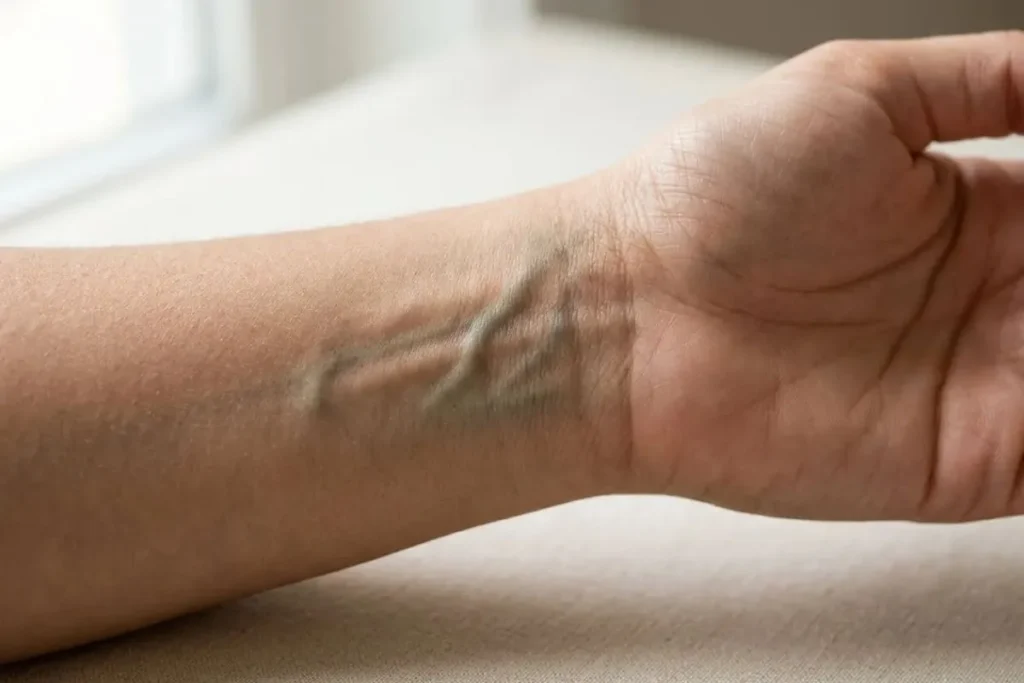
Start by finding a spot on the inside of your wrist where your veins are visible. Look at them in natural daylight and notice whether they appear more green, blue, or purple.
If your veins look green, you may have warm undertones. Blue or purple-looking veins can indicate cool undertones, while a mixture of green and blue may suggest neutral undertones.
Keep in mind that the vein test isn’t always accurate. Vein color can look different depending on your skin depth, lighting, and natural pigmentation.
Use this test as a starting point rather than treating it as a final answer. You can combine it with other methods to get a better idea of your undertone.
How the Jewelry Test Helps Identify Your Undertone
Another simple way to identify your undertone is by comparing how gold and silver jewelry look against your skin.
You don’t need expensive jewelry for this test. Even simple gold and silver-colored accessories can help you compare the two finishes.
If gold looks more flattering and makes your skin appear brighter, you may have warm undertones. If silver looks more natural against your complexion, you may have cool undertones. If both metals complement your skin equally well, you may have neutral undertones.
Try this test near a window where natural daylight is available. Artificial lighting can change how metallic colors appear against your skin.
The jewelry test is helpful, but personal style also plays a role. You may simply prefer one metal over another, so don’t depend on this method alone when choosing your concealer shade.
Frequently Asked Questions About How to Find Your Concealer Color
How Do I Find My Concealer Shade?
First, check your skin tone and undertone. Then choose a concealer that looks close to your natural skin color. Test it on your jawline to see if it blends well.
Should Concealer Be Lighter Than Foundation?
For dark circles, you can use a concealer that is one shade lighter than your foundation. For pimples and dark spots, choose a shade that matches your skin.
How Do I Choose Concealer for Dark Circles?
Choose a concealer that matches your skin tone. If your dark circles look blue or purple, use a peach color corrector first. Then apply your concealer.
How Can I Find My Concealer Shade Online?
Check your skin tone and undertone before buying. Look at the brand’s shade chart and real customer photos. If possible, compare the shade with your current foundation.
Can I Use Foundation Instead of Concealer?
Yes, you can use foundation instead of concealer. It can cover small marks and uneven skin. However, concealer usually gives more coverage.
Which Concealer Is Best for Warm Undertones?
If you have warm undertones, try golden, yellow, or warm beige concealers. These shades can match your skin better.
Which Concealer Is Best for Cool Undertones?
If you have cool undertones, try pink, rosy, or cool beige concealers. Choose a shade that blends well with your natural skin color.
Which Concealer Is Best for Neutral Undertones?
Neutral beige and natural beige shades are good options for neutral undertones. These shades are not too yellow or too pink.
Why Does My Concealer Look Gray?
Your concealer may look gray because it is too light for your skin. Dark circles can also make concealer look gray. Try a peach color corrector before applying concealer.
15.10 How Much Lighter Should Under-Eye Concealer Be?
Choose an under-eye concealer that is half a shade or one shade lighter than your foundation. This can brighten your eyes without looking too different from your skin.
How Do I Test Concealer Before Buying?
Apply a small amount to your jawline. Blend it with your finger or a makeup sponge. Check the shade in natural light. The right color should blend into your skin.
Can the Wrong Concealer Shade Affect My Makeup?
Yes, the wrong shade can make your makeup look uneven. A very light concealer may look gray, while a dark shade may look dull. Always choose a color that suits your skin.
Should Concealer Be Yellow or Pink?
It depends on your undertone. Yellow concealer may suit warm undertones, while pink concealer may suit cool undertones. Neutral skin usually looks good with beige shades.
Can I Use One Concealer for My Whole Face?
Yes, you can use one concealer for your whole face. Choose a shade that matches your skin. You can use it to cover pimples, dark spots, and redness.
How Can I Stop My Concealer From Looking Orange?
Your concealer may look orange if the shade is too warm or dark for your skin. Try a neutral or cooler shade. Always test the product in natural light before buying it.
Conclusion:
Finding the right concealer color is not difficult when you understand your skin tone and undertone. The right shade can make your makeup look smooth and natural.
Always check your skin color before buying a concealer. Choose a shade that matches your face for covering pimples and dark spots. For dark circles, you can use a slightly lighter shade to brighten your under-eyes.
Try the concealer on your skin before buying it. Check the color in natural light and give it a few minutes to dry. This will help you see how it looks on your face.
Remember, the best concealer is not always the most expensive one. It is the shade that matches your skin and gives you the look you want. Take your time, test different shades, and choose the one that makes you feel confident.

Name: Shahzadi
I’m passionate about skincare, beauty, and simple self-care. I share practical skincare tips, beauty routines, product insights, and easy ways to build healthy-looking, glowing skin.
My goal is to make beauty and skincare easier to understand, so you can discover routines that fit your everyday life.


