

It’s a common belief that sun spots disappear on their own or that a simple home remedy can remove them overnight. However, how do i remove sun spots is a question that often requires more than a quick fix. Sun spots are flat, brown, or dark patches that develop after repeated sun exposure.
The good news is that the right skincare ingredients, consistent sun protection, and suitable professional treatments can help fade their appearance and improve uneven skin tone.

If you have sun spots on your face, hands, forehead, or cheeks, start by protecting your skin from further UV damage. Ingredients such as vitamin C, retinol, and niacinamide may help improve the appearance of dark spots over time.
Daily broad-spectrum sunscreen with SPF 30 or higher is also essential to prevent existing pigmentation from becoming more noticeable. Before treating any unusual or changing spot, consult a dermatologist to make sure you are choosing a safe and appropriate approach.
What Are Sun Spots and What Causes Them?
Sun spots are common dark patches that develop after years of sun exposure. They often appear on areas like the face, hands, shoulders, and arms. Understanding what causes sun spots can help you choose the right treatment and prevent new spots from forming.
Before learning how to fade them, let’s look at what sun spots are and how to recognize them.
What Do Sun Spots Look Like?
Sun spots are small, flat areas of skin discoloration that usually appear tan, brown, or dark brown. They commonly develop on parts of the body that receive frequent sunlight, including the face, forehead, cheeks, hands, shoulders, and arms.
Also known as solar lentigines, these spots occur when pigment-producing cells contribute to localized areas of increased melanin. They may become more noticeable as sun exposure accumulates over the years.
Although sun spots are usually harmless, a dermatologist should examine any spot that looks unusual or begins to change.
What Causes Sun Spots on the Skin?
The main cause of sun spots is repeated exposure to ultraviolet (UV) radiation from sunlight. When UV rays affect your skin, they stimulate melanin production.
Over time, this process can contribute to uneven pigmentation and visible signs of sun damage. Aging, spending long periods outdoors, and inconsistent sunscreen use can increase the likelihood of developing brown spots on exposed skin.
Even if you rarely experience sunburn, cumulative UV exposure can still affect your skin. Using broad-spectrum sunscreen daily, wearing protective clothing, and seeking shade can help limit further damage and reduce the risk of developing additional sun-induced dark spots.
Sun Spots vs. Age Spots vs. Freckles

Sun spots, age spots, and freckles can look similar, but they do not always have the same causes or patterns. Sun spots usually appear as flat brown patches on sun-exposed areas and are associated with cumulative UV exposure.
Age spots are a common name for solar lentigines, so the two terms often describe the same type of pigmentation. Freckles are generally smaller, may appear earlier in life, and often become darker after sun exposure and lighter when UV exposure decreases.
Other conditions, including melasma and certain skin lesions, can also cause brown patches. Identifying the cause matters because the best treatment for sun spots may not be appropriate for every type of pigmentation.
When Should You See a Dermatologist About a Dark Spot?
Not every dark spot is a harmless sun spot. Arrange a medical assessment if a spot is new, changes in size or shape, develops uneven colors, becomes itchy, or starts bleeding.
A spot that looks different from the others on your skin also deserves attention. These changes do not automatically mean something serious, but they should not be ignored.
A dermatologist can examine the area and determine whether it is a sun spot or another skin condition that needs different care. Avoid applying strong acids, skin-lightening creams, or home remedies to an unexplained spot before you know what it is.
Proper identification is the safest first step toward treating skin discoloration effectively.
How Do I Remove Sun Spots? Effective Ways to Fade Dark Spots
Many people believe that using a strong skin-lightening cream is the fastest way to remove sun spots, but stronger products do not always deliver better results.
The safest approach depends on your skin type, the depth of the pigmentation, and the cause of the spots. If you want to know how to get rid of sun spots, focus on proven skincare ingredients, daily sun protection, and treatments that suit your skin.
Some options can gradually fade the appearance of brown spots, while others require guidance from a dermatologist.
Use Vitamin C Serum to Brighten Sun-Damaged Skin
Vitamin C serum is a popular choice for improving uneven skin tone and reducing the appearance of dark spots caused by sun exposure. This antioxidant helps protect the skin from oxidative stress and supports a brighter-looking complexion.
It may also help reduce the appearance of excess pigmentation when used consistently as part of a suitable skincare routine.
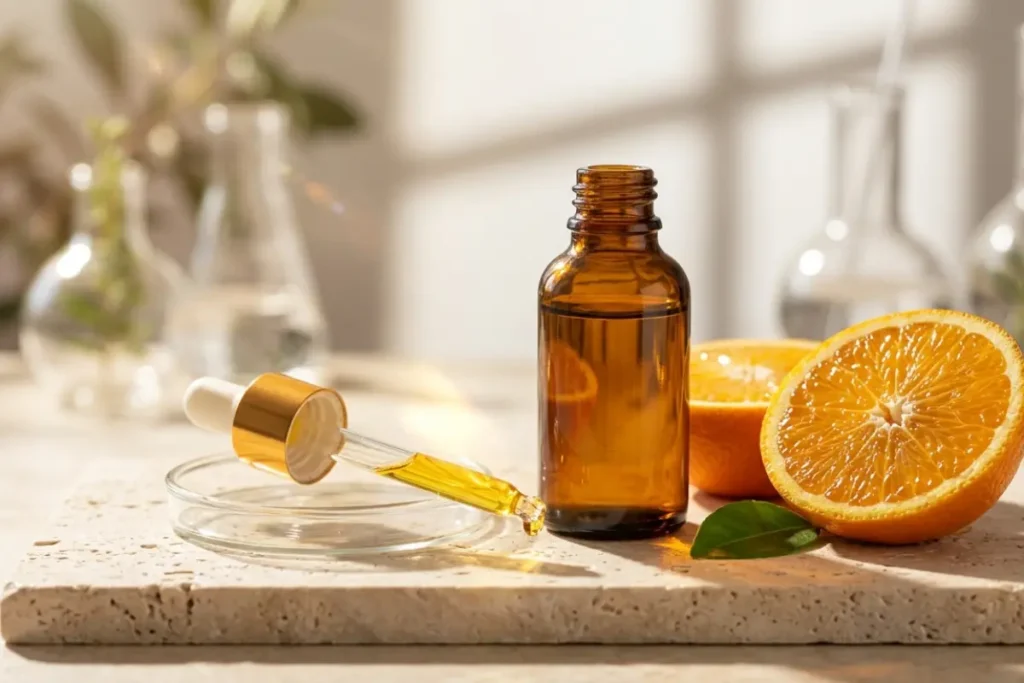
To use vitamin C for sun spots, apply a product formulated for facial skin after cleansing in the morning. Follow it with moisturizer and broad-spectrum sunscreen.
If you have sensitive skin, begin with a lower concentration and test the product on a small area first. Vitamin C does not remove every sun spot, but regular use may help improve the overall appearance of sun-damaged skin.
Keep in mind that sunscreen remains essential because vitamin C cannot replace UV protection.
Try Retinol to Improve the Appearance of Sun Spots
Retinol is a vitamin A derivative that supports skin cell turnover and can gradually improve the appearance of uneven pigmentation, fine lines, and rough skin texture. It may be useful if you want to fade sun spots while also addressing other visible signs of sun damage.
Start by applying a small amount of retinol at night, following the product instructions. Beginners should introduce it slowly, perhaps two nights per week, and increase frequency only if their skin tolerates it.
Use moisturizer to help reduce dryness and irritation. Avoid combining several strong active ingredients when you first start using retinol.
Retinol can make your skin more prone to irritation, and irritation itself may worsen dark spots in some people. Avoid retinoids during pregnancy as a precaution. If you have sensitive skin or persistent pigmentation, ask a dermatologist whether retinol is appropriate for you.
Use Glycolic Acid to Improve Uneven Skin Tone
Glycolic acid is an alpha hydroxy acid (AHA) that exfoliates the skin’s surface by loosening the bonds between dead skin cells. This process can improve dullness, rough texture, and the appearance of some superficial dark spots. It is commonly found in exfoliating toners, serums, and creams.
If you want to use glycolic acid for sun spots, choose a product designed for home use and follow its directions. Begin with occasional applications rather than using it every day.
Avoid applying it to broken, irritated, or freshly exfoliated skin, and do not combine it with multiple strong treatments without professional guidance.
Glycolic acid cannot guarantee complete removal of age spots or sun spots. Overuse can cause redness, burning, and inflammation, which may lead to additional pigmentation. AHAs can also increase sensitivity to sunlight, so daily sunscreen and careful sun protection are particularly important.
Apply Niacinamide for Hyperpigmentation
Niacinamide, a form of vitamin B3, can help improve uneven skin tone by reducing the transfer of melanin to surrounding skin cells. It also supports the skin barrier, which helps your skin retain moisture and tolerate a skincare routine more comfortably.
A niacinamide serum may be a useful option if you want to address mild discoloration without starting with a potentially irritating exfoliating acid. Apply it after cleansing and before moisturizer, following the product’s instructions. Many people can use niacinamide in the morning or evening.
For best results, combine it with daily sunscreen rather than relying on the serum alone. Niacinamide may help fade the appearance of some dark spots over time, but it is not a guaranteed treatment for every type of pigmentation. If your skin becomes irritated, reduce how often you use the product or stop using it.
Consider Azelaic Acid for Dark Spots
Azelaic acid is another ingredient worth considering when dealing with uneven skin tone. It helps regulate processes involved in pigmentation and also has anti-inflammatory properties.
Dermatologists may recommend it for certain pigmentation concerns, including post-inflammatory hyperpigmentation and some cases of melasma.
Although azelaic acid is not a guaranteed way to remove sun spots, it may help improve discoloration when the underlying condition responds to treatment. It can be a useful alternative for people who do not tolerate some other active ingredients.
Choose a suitable formulation and introduce it gradually. Mild tingling or dryness can occur, especially when you first begin using it. Avoid applying it to irritated skin, and use moisturizer to support your skin barrier.
If you are unsure whether your brown spots are solar lentigines, melasma, or another condition, a dermatologist can help you choose the right treatment.
Explore Kojic Acid for Sun-Induced Dark Spots
Kojic acid is a skin-brightening ingredient that works by inhibiting tyrosinase, an enzyme involved in melanin production. Because of this action, it is used in some products designed to improve the appearance of hyperpigmentation and uneven skin tone.

If you are looking for a cream or serum for sun-induced dark spots, kojic acid may be worth discussing with a skincare professional. Choose a reputable product formulated for your skin and follow the label directions carefully.
Patch-test it before applying it to a larger area, especially if your skin is sensitive.
Kojic acid can cause irritation or contact dermatitis in some people. Avoid combining it with several other potentially irritating ingredients at the beginning of your routine.
Stop using the product if you develop significant redness, swelling, burning, or itching. Consistent sun protection is also necessary to help prevent existing pigmentation from becoming darker.
How to Fade Sun Spots Naturally at Home
Many people believe that natural remedies such as lemon juice, baking soda, or homemade scrubs are the safest way to remove sun spots. However, natural does not always mean gentle or effective. Some home remedies can irritate the skin and make pigmentation more noticeable.
If you want to know how to fade sun spots naturally at home, focus on gentle skincare, protecting your skin from UV exposure, and avoiding ingredients that can cause inflammation. Home care may improve the overall appearance of your skin, but it cannot reliably remove every sun spot.
Can Natural Remedies Remove Sun Spots?
Natural remedies are often promoted as an easy solution for brown spots, but there is limited reliable evidence that common kitchen ingredients can remove established sun spots.
Some plant-derived ingredients are used in formulated skincare products, yet their effects depend on the ingredient, concentration, formulation, and the cause of the pigmentation.
For example, certain products containing licorice extract may help improve the appearance of uneven skin tone. However, this does not mean applying raw plant material directly to your face will produce the same results.
Homemade mixtures are also difficult to measure accurately and may cause irritation or allergic reactions.
If you prefer a more minimal approach, use a gentle cleanser, a fragrance-free moisturizer, and daily sunscreen. You can add a well-formulated brightening product if needed.
Be cautious of any remedy that promises to remove sun spots overnight or completely erase age spots without risks. If a spot persists or looks unusual, seek professional advice rather than repeatedly experimenting with home treatments.
Use a Gentle, Moisturizing Skincare Routine
A gentle skincare routine can help keep your skin comfortable while you work on uneven pigmentation. Harsh cleansing, frequent scrubbing, and using too many active ingredients can damage the skin barrier. This may lead to redness and irritation, which can trigger or worsen dark spots in some people.

Start with a mild cleanser that removes dirt, oil, and sunscreen without leaving your skin feeling tight. Follow with a moisturizer suited to your skin type. Ingredients such as glycerin and ceramides can help support hydration and the skin barrier.
If you want to use a brightening ingredient, introduce one product at a time and monitor your skin’s response.
In the morning, finish with broad-spectrum SPF 30 or higher sunscreen. At night, cleanse gently and moisturize again. You do not need to use several serums at once. A simple routine that you can follow consistently is usually more practical than a complicated routine that leaves your skin irritated.
Keep in mind that moisturizing does not directly erase sun spots. It supports skin health and helps your skin tolerate suitable treatments, while sunscreen helps prevent further UV-related pigmentation.
Eat a Balanced Diet for Healthy Skin
A balanced diet supports general health, including the normal functions that help maintain healthy skin. Fruits, vegetables, whole grains, healthy fats, and protein provide nutrients that support skin structure and normal repair processes.
Foods rich in vitamin C, such as citrus fruits, kiwi, and bell peppers, can contribute to your daily nutrient intake.
However, eating particular foods will not directly remove existing sun spots. There is no reliable evidence that a special diet can erase established solar lentigines. Be cautious of supplements or detox plans that promise to reverse sun damage quickly.
Instead, focus on eating a varied diet, staying hydrated, and following a consistent sun-protection routine. If you have a nutritional deficiency or a specific health concern, a healthcare professional can advise you on whether dietary changes or supplements may be appropriate.
Treating visible pigmentation usually requires a separate skincare or medical approach.
Frequently Asked Questions About Removing Sun Spots
How Do I Remove Sun Spots Quickly and Safely?
The safest way to remove sun spots depends on their size, depth, and cause. If you want to improve their appearance, start with broad-spectrum SPF 30 or higher sunscreen and a skincare product containing ingredients such as vitamin C, retinol, or azelaic acid.
These ingredients may gradually reduce the appearance of uneven pigmentation, but results take time.
If you want faster improvement, consult a dermatologist about professional options such as laser treatment, intense pulsed light (IPL), or chemical peels.
These treatments are not suitable for everyone and can sometimes cause irritation or changes in skin color. Before starting treatment, make sure a dermatologist has identified the spots correctly.
How Do I Remove Sun Spots From My Face Naturally?
You can support healthier-looking skin at home by following a gentle skincare routine, moisturizing regularly, and protecting your face from UV exposure.
Some well-formulated skincare products containing plant-derived ingredients, such as licorice extract, may help improve the appearance of uneven skin tone.
However, natural remedies cannot reliably remove established sun spots. Avoid applying lemon juice, baking soda, or harsh homemade scrubs to your face because they can irritate your skin and worsen pigmentation.
For better results, choose suitable skincare ingredients and use sunscreen consistently. If the spots remain noticeable, a dermatologist can recommend other treatment options.
What Is the Best Treatment for Sun Spots on the Face?
There is no single best treatment for every person. The right option depends on your skin type, the depth of the pigmentation, and whether the spots are actually caused by sun exposure.
Topical ingredients such as vitamin C, retinoids, and azelaic acid may help improve the appearance of some dark spots over time. A dermatologist may also recommend prescription treatments or procedures such as chemical peels, laser therapy, or IPL.
What Is the Best Cream for Removing Sun Spots?
The best cream for sun spots is one that contains suitable ingredients for your skin and the type of pigmentation you have. Vitamin C, niacinamide, retinoids, and azelaic acid are commonly used in products designed to improve uneven skin tone.
Hydroquinone may also be appropriate for certain pigmentation conditions when used under medical guidance.
Check the ingredient list rather than relying only on claims such as instant brightening or complete spot removal. Introduce new products gradually, follow the directions, and stop using a product if it causes significant irritation.
Can Vitamin C Remove Sun Spots?
Vitamin C can help improve the appearance of dark spots and uneven skin tone, but it does not guarantee complete removal of sun spots. As an antioxidant, it helps protect the skin from oxidative stress and may support a brighter-looking complexion.
To use vitamin C serum, apply it according to the product instructions, usually in the morning before moisturizer and sunscreen. If you have sensitive skin, patch-test the product and start gradually.
For the best approach, combine vitamin C with consistent sun protection. If your sun spots are persistent or deeply pigmented, you may need a different treatment or advice from a dermatologist.
Does Retinol Help Fade Sun Spots?
Yes, retinol may help fade the appearance of some sun spots over time. It supports skin cell turnover and can improve uneven skin tone, rough texture, and other visible signs of sun damage.
Start with a low-strength product and apply it at night according to the label. Use it gradually to reduce the risk of dryness, redness, and irritation. Apply moisturizer as needed, and protect your skin with broad-spectrum sunscreen during the day.
Can Sun Spots Be Removed Permanently?
Some sun spots can be removed or made much less noticeable with appropriate professional treatments. However, results vary, and no treatment guarantees that pigmentation will never return. New sun spots can develop if your skin continues to receive significant UV exposure.
A dermatologist may recommend laser treatment, IPL, chemical peels, or suitable topical products depending on your skin and the type of spots. After treatment, follow the recommended aftercare instructions and protect your skin from sunlight.
How Can I Prevent Sun Spots From Coming Back?
The most important step is to limit further UV damage. Apply broad-spectrum SPF 30 or higher sunscreen to exposed skin every day, including your face, neck, hands, and arms. When outdoors, reapply approximately every two hours and after swimming or heavy sweating, following the product directions.
You can also wear a wide-brimmed hat, protective clothing, and sunglasses, and seek shade during periods of strong sunlight. Continue using a gentle skincare routine that supports your skin barrier.
Are Sun Spots the Same as Melasma?
No. Sun spots and melasma are different pigmentation conditions, although both can cause brown patches on the skin.
Sun spots, also called solar lentigines, are generally individual, flat brown marks associated with cumulative sun exposure. Melasma more often appears as larger, irregular patches, commonly on the cheeks, forehead, upper lip, or other areas of the face.
Hormonal changes and sun exposure can contribute to melasma.
When Should I See a Dermatologist for Sun Spots?
You should see a dermatologist if you are unsure what a dark spot is, if home treatments are not helping, or if you want to explore professional options for persistent pigmentation.
Seek prompt medical assessment if a spot changes in size, shape, or color, develops irregular borders, looks different from your other spots, becomes persistently itchy, or starts bleeding. These signs do not automatically mean the spot is cancerous, but they need proper evaluation.
Conclusion:
Sun spots can take time to fade, but the right skincare routine can help improve uneven skin tone. If you’ve been wondering, how do I remove sun spots, start with daily broad-spectrum SPF 30+ sunscreen, gentle skincare, and proven ingredients such as vitamin C, retinol, or niacinamide.
Choose products that suit your skin type, introduce active ingredients gradually, and avoid harsh home remedies that may cause irritation or make dark patches more noticeable.
Remember, sunscreen is essential for preventing existing spots from getting darker and helping reduce new ones. If you want faster results, a dermatologist can recommend suitable treatments, including chemical peels, laser therapy, or intense pulsed light (IPL), based on your skin and pigmentation.
Always get new, changing, bleeding, or unusual dark spots checked before treating them as sun spots. With consistent care and the right approach, you can work toward a more even-looking complexion while protecting your skin from further sun damage.

Name: Shahzadi
I’m passionate about skincare, beauty, and simple self-care. I share practical skincare tips, beauty routines, product insights, and easy ways to build healthy-looking, glowing skin.
My goal is to make beauty and skincare easier to understand, so you can discover routines that fit your everyday life.


