

Many individuals feel that baby oil is only made for babies or that it can completely moisturize dry skin on its own. But that is not always true. Is baby oil good for dry skin? Yes, it may help your skin feel softer by creating a protective layer that slows moisture loss.
However, baby oil mainly helps seal in existing moisture rather than adding water to your skin. Its benefits depend on your skin type, the ingredients in the product, and how you use it.
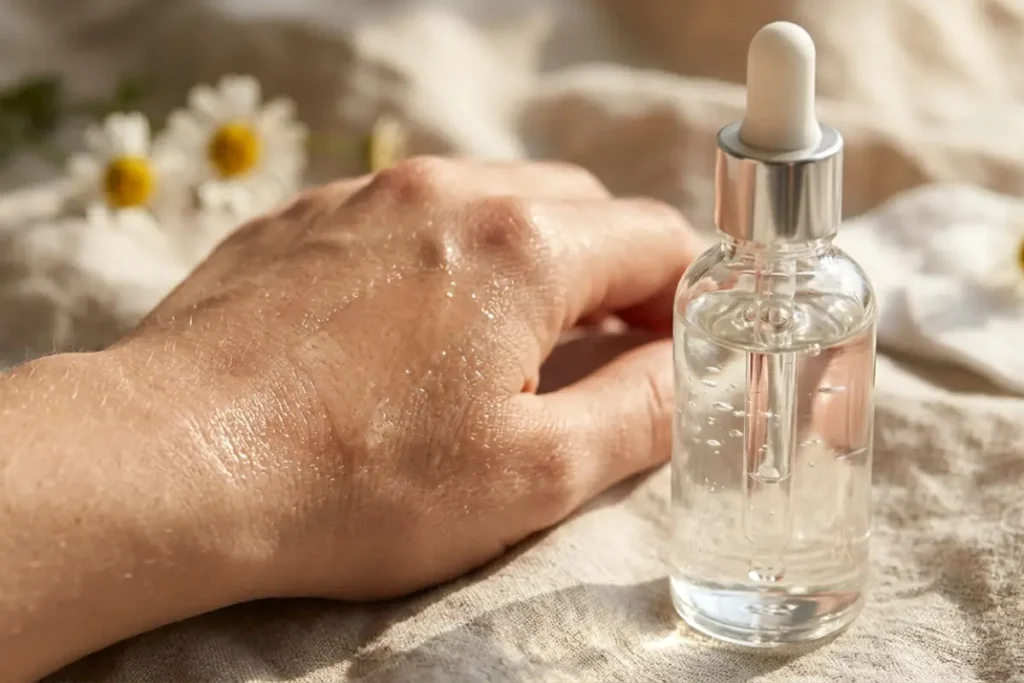
If you struggle with rough, flaky, or tight skin, understanding how baby oil works can help you decide whether it belongs in your skincare routine.
In this article, you will discover the benefits of baby oil for dry skin, how to apply it correctly, possible side effects, and how it compares with body lotion and other oils.
You will also find recommended skincare products that you can explore and purchase if they suit your needs. By the end, you will have a clearer idea of whether baby oil is a good choice for keeping your skin soft, smooth, and comfortable.
Understand How Baby Oil Works on Dry Skin
Many people believe that baby oil adds moisture to dry skin, but its main job is to help prevent existing moisture from escaping. Understanding how baby oil works on dry skin can help you decide whether it belongs in your daily skincare routine.
Let’s look at how it supports moisture retention, why applying it to damp skin can be helpful, and when you may need a regular moisturizer for better results.
What Is Baby Oil, and Why Is Mineral Oil Commonly Used in It?
Baby oil is a skincare product commonly used to soften the skin and help reduce moisture loss. Many traditional baby oil formulas contain mineral oil, a refined ingredient that forms a thin protective layer on the skin.
Some products also contain fragrance or other ingredients, so checking the label is important, especially if you have sensitive skin.
Mineral oil for dry skin is useful because it helps slow down the evaporation of water from the skin’s surface. When your skin loses too much moisture, it can start to feel rough, tight, or flaky. Applying baby oil may help keep existing moisture in place and leave your skin feeling smoother.
However, not every baby oil has the same formula. If you are looking for baby oil for sensitive skin, consider a fragrance-free option and test it on a small area before regular use.
How Does Baby Oil Help Reduce Moisture Loss?
To understand how baby oil works on skin, it helps to know that your skin naturally loses water throughout the day. Washing, bathing, cold weather, dry indoor air, and other environmental factors can make this moisture loss more noticeable.
Baby oil works mainly as an occlusive moisturizer. This means it creates a protective layer that helps reduce water loss from the skin’s surface. As a result, your skin may feel softer and less dry.
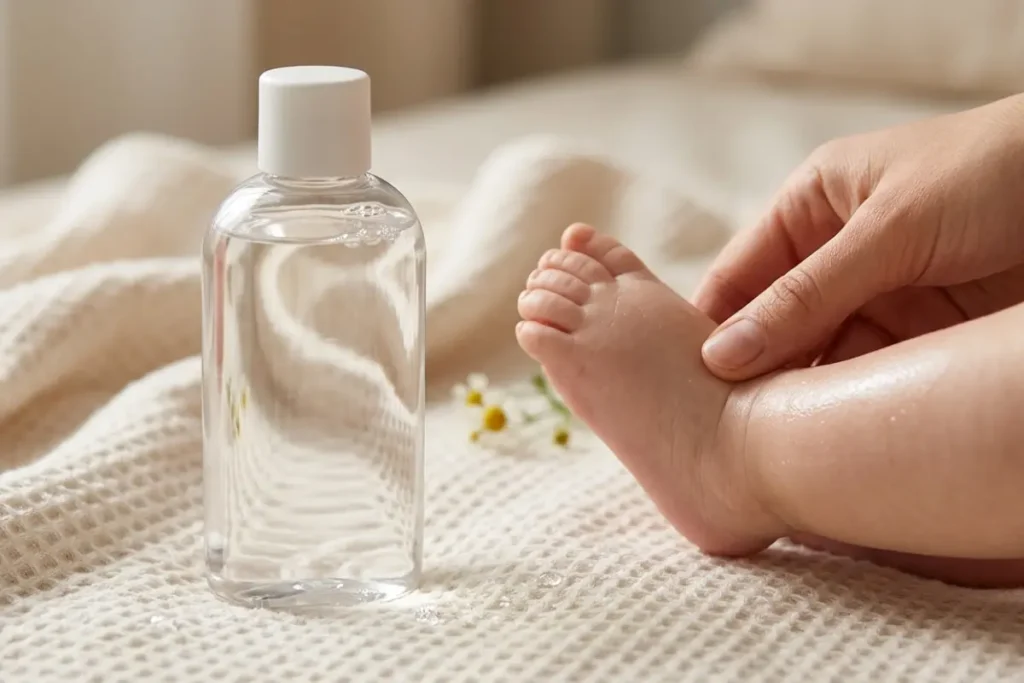
For example, if your legs feel tight after a shower, applying a small amount of baby oil to slightly damp skin may help retain some of that moisture. This is why using baby oil after a shower is a popular option for people who experience everyday body dryness.
Keep in mind that baby oil does not repair every cause of dry skin. If your skin remains severely dry despite regular moisturizing, you may need a richer cream or advice from a healthcare professional.
What Is the Difference Between Skin Hydration and Moisture Retention?
Skin hydration and moisture retention are closely related, but they are not exactly the same thing.
Skin hydration refers to the amount of water in the outer layers of your skin. Ingredients such as glycerin and hyaluronic acid help attract water and support skin hydration.
Moisture retention means helping prevent water from escaping too quickly. Oils such as mineral oil can support this process by forming a protective layer over the skin.
This difference explains why baby oil may not be enough for everyone with dry skin. If your skin needs more hydration, a cream or lotion containing water and moisturizing ingredients may be a better starting point. You can then apply a thin layer of baby oil if you need additional help reducing moisture loss.
Choosing products that work together can make your daily body care routine more effective than relying on baby oil alone.
Is Baby Oil Enough for Dry or Dehydrated Skin?
Baby oil can help with moisture retention, but it may not provide everything your skin needs. Dry skin often lacks sufficient oils, while dehydrated skin lacks water. These concerns can overlap, but they may benefit from different types of skincare products.
If your skin feels mildly rough or dry, baby oil may help soften it and reduce moisture loss. However, if your face or body feels tight, looks flaky, or remains uncomfortable after applying oil, consider using a cream or lotion with ingredients such as glycerin, ceramides, or hyaluronic acid.
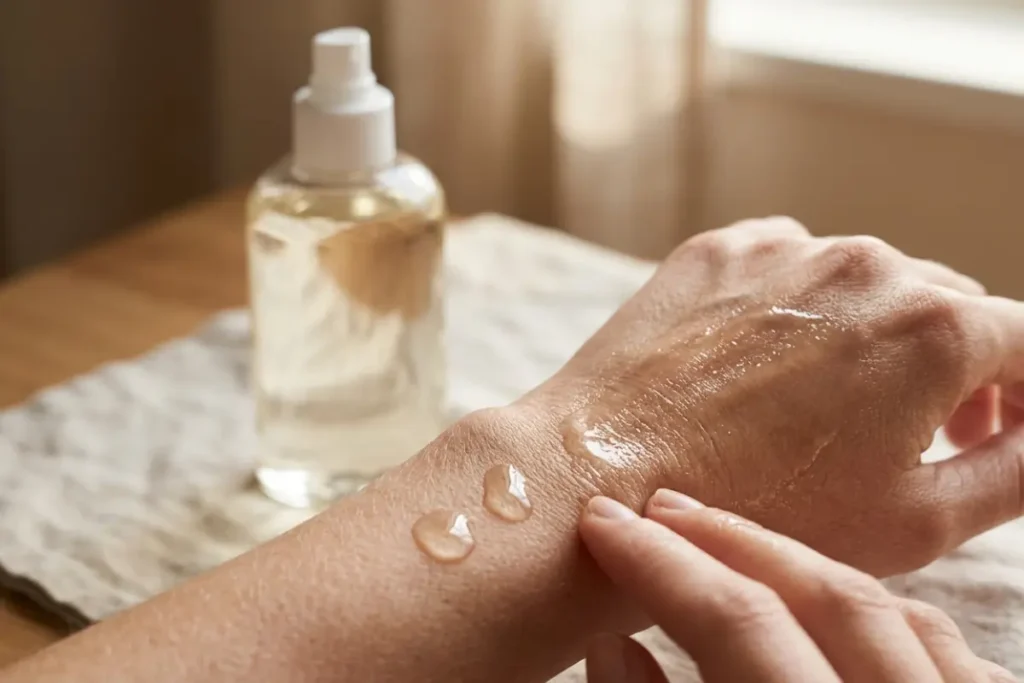
For example, a moisturizer can help hydrate the skin and support its natural protective barrier, while baby oil can help slow water loss. Using both may be useful for some people, depending on their skin type and the products they tolerate.
If you experience persistent itching, deep cracks, bleeding, or ongoing irritation, do not rely on baby oil alone. These symptoms may need assessment by a healthcare professional.
Is Baby Oil Good for Dry Skin? 8 Potential Benefits You Should Know
Many people believe that baby oil can cure dry skin completely or replace every moisturizer in their skincare routine. However, baby oil mainly helps reduce moisture loss rather than treating every cause of dryness.
When used correctly, it may help your skin feel softer, smoother, and more comfortable. The benefits of baby oil for skin depend on your skin type, the product’s ingredients, and how you apply it.
Baby Oil May Help Make Dry Skin Feel Softer and Smoother
One of the main reasons people use baby oil for dry skin is to improve how their skin feels. When your skin becomes dry, it may feel rough, tight, or uncomfortable. Baby oil can help by creating a thin layer on the skin’s surface that reduces moisture loss.
This protective layer can make rough areas feel smoother to the touch. You may notice the difference on your arms, legs, hands, and other parts of your body that often become dry.
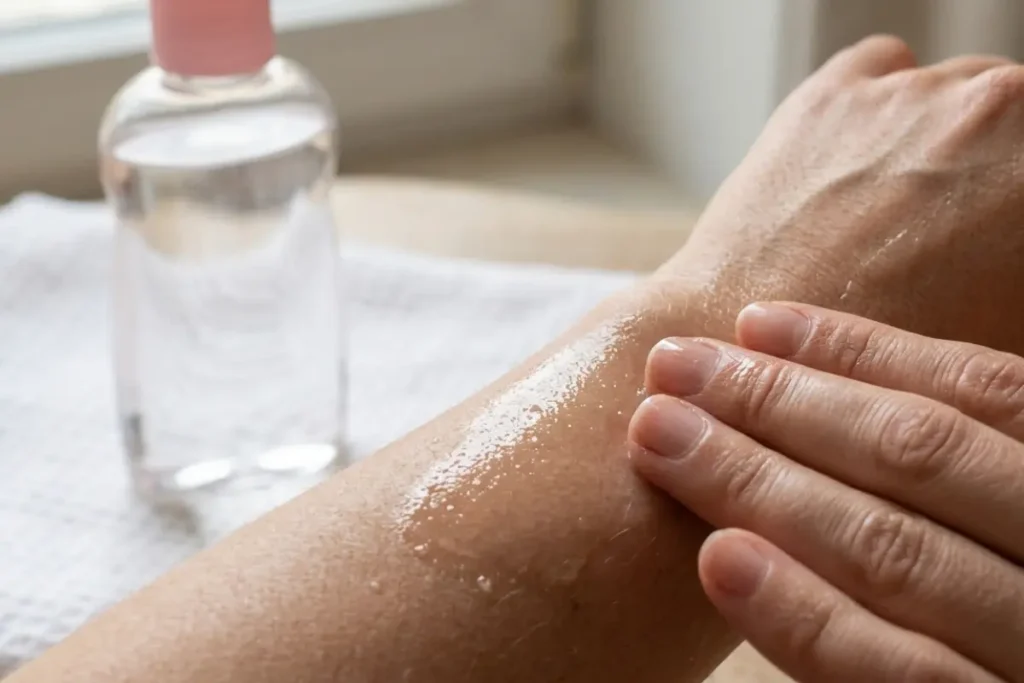
If you want to use baby oil for soft skin, apply a small amount to slightly damp skin after bathing. Spread it gently instead of rubbing your skin aggressively. If your skin needs extra hydration, use a suitable body lotion or cream as well.
Keep in mind that softer-feeling skin does not necessarily mean the underlying cause of dryness has been treated. For lasting comfort, choose products that suit your skin and use them consistently.
Baby Oil May Help Reduce Moisture Loss and Support the Skin Barrier
Your skin has a natural barrier that helps retain moisture and protect it from everyday environmental stress. When this barrier becomes less effective, your skin may feel dry, rough, or tight.
Baby oil may help support moisture retention by forming a protective layer over the skin. This layer slows down water evaporation, helping your skin maintain some of its existing moisture. Mineral oil, a common ingredient in baby oil, is particularly useful for this purpose.
If you regularly experience dry skin after bathing, applying baby oil may help your skin feel more comfortable. You can also use a moisturizer containing ingredients such as glycerin or ceramides to support hydration and the skin barrier.
However, baby oil does not fix every skin barrier problem. If your skin remains irritated or unusually dry, you may need a different skincare product or advice from a dermatologist.
Baby Oil May Improve the Feel and Appearance of Rough or Flaky Skin
Rough and flaky skin can make your complexion look dull and feel uncomfortable. This dryness often appears on the legs, elbows, knees, and other areas exposed to frequent washing, cold weather, or friction.
Baby oil for rough skin may help soften these areas by reducing moisture loss. It can also make the skin’s surface feel smoother and give it a temporary sheen.
For better results, avoid scrubbing flaky skin aggressively. Harsh exfoliation can increase irritation and make dryness worse. Instead, use a gentle cleanser and apply a moisturizer suited to your skin type. You can add a small amount of baby oil if you need extra moisture retention.
3.4 Baby Oil May Help Soften Dry Elbows, Knees, Hands, and Feet
Some parts of the body tend to become drier than others. Elbows, knees, hands, and feet can develop rough patches because of friction, frequent washing, weather changes, or naturally dry skin.
Baby oil may help these areas feel softer by reducing moisture loss. However, very dry areas may benefit more from a thick cream or ointment, particularly when the skin feels rough or tight.
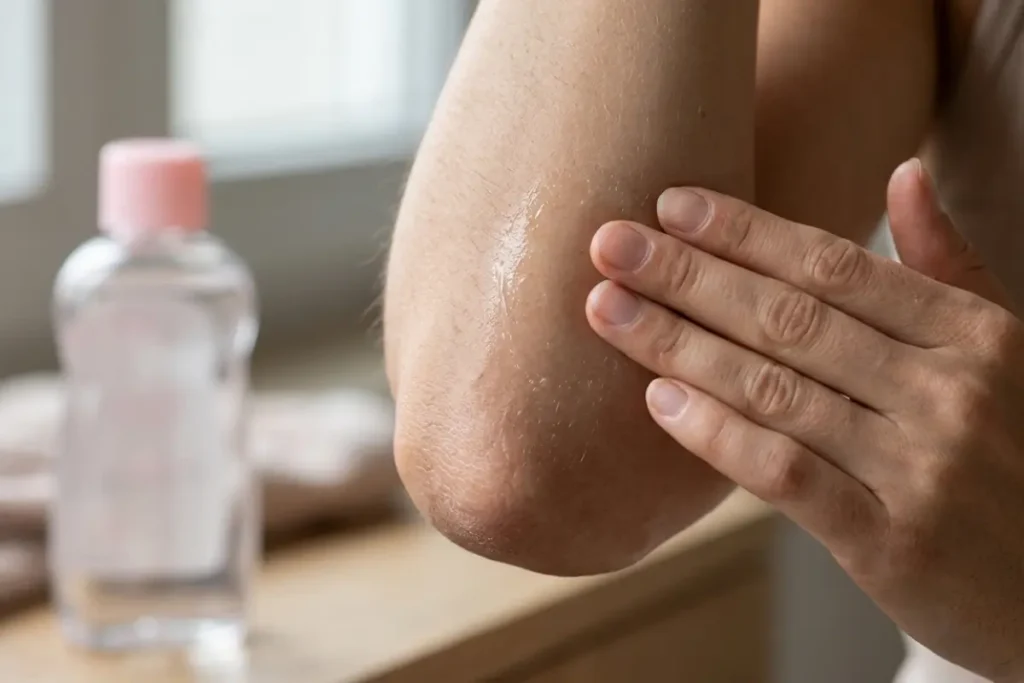
For dry hands, apply a suitable hand cream after washing. If your elbows and knees feel rough, use a moisturizer regularly and consider applying a thin layer of baby oil afterward if your skin tolerates it.
For dry feet, apply a foot cream before bed. You may use a small amount of baby oil on the skin, but avoid putting oil between your toes or walking on slippery floors afterward.
Applying Baby Oil After a Shower May Help Retain Moisture
A shower can leave your skin feeling clean, but long showers and hot water may also contribute to dryness. Once you leave the bathroom, water begins evaporating from your skin.
Applying baby oil after a shower may help slow this moisture loss. The key is to use it while your skin is still slightly damp, rather than waiting until your skin feels completely dry and tight.
Start by taking a short, lukewarm shower. Gently pat your skin with a towel, then apply a small amount of baby oil to the areas that need it. If your skin is particularly dry, apply a body moisturizer first and follow with baby oil if needed.
This simple habit can make your skin feel softer without requiring a complicated routine. Just remember that baby oil is not a substitute for cleansing or a hydrating moisturizer when your skin needs additional water.
Baby Oil May Give Your Skin a Temporary Healthy-Looking Glow
If your skin looks dull because of dryness, baby oil may help improve its appearance temporarily. The thin layer left on the skin can reflect light, making the surface look smoother and shinier.
This effect can be noticeable on the arms and legs, especially when the skin feels rough or dry. That is one reason some people use baby oil for glowing skin as part of their body care routine.
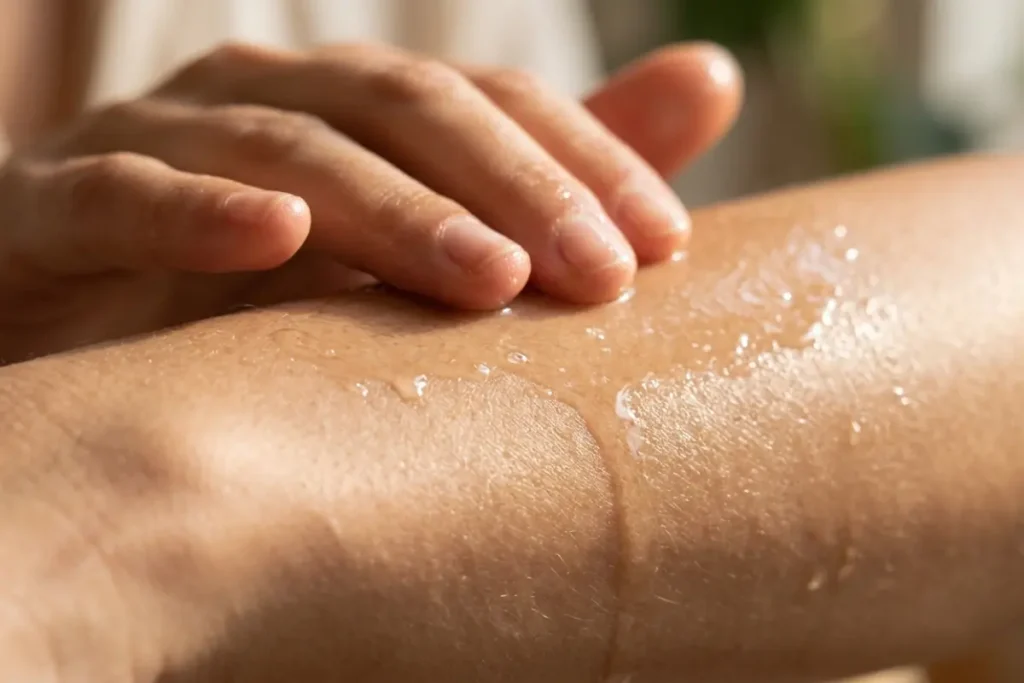
However, a shiny appearance does not mean your skin has become healthier in every way. Baby oil does not remove dark spots, treat acne, or permanently change your natural skin tone.
If your goal is to improve dull-looking skin, focus on regular moisturizing, gentle cleansing, and daily sun protection. You can use baby oil for additional moisture retention if it suits your skin, but avoid expecting it to solve every skin concern.
Is Baby Oil Good for Very Dry, Itchy, or Cracked Skin?
Many people believe that baby oil can fix every type of dry skin, including severe itching, deep cracks, and ongoing irritation. However, baby oil mainly helps reduce moisture loss from the skin’s surface.
It may make mild dryness feel more comfortable, but it does not treat every condition that causes dry or itchy skin. If you have very dry skin, the right approach depends on what is causing the problem and how badly your skin is affected.
Can Baby Oil Help With Very Dry Skin?
Very dry skin can feel rough, tight, and uncomfortable. In some cases, it may also look flaky or develop small cracks. Everyday factors such as cold weather, frequent washing, hot showers, and low humidity can contribute to dryness.
Baby oil may help very dry skin feel softer by creating a protective layer that slows moisture loss. However, it may not provide enough care when your skin is extremely dry or damaged.
In these cases, a thick moisturizer or ointment may be a better option because it can help hydrate the skin while reducing water loss.
If you want to try baby oil for very dry skin, use it as part of a simple skincare routine. Choose a gentle cleanser, avoid hot water, and apply a suitable moisturizer after bathing. You can add baby oil if your skin tolerates it, but stop using it if you notice irritation.
Can Baby Oil Relieve the Tight Feeling Caused by Dry Skin?
That uncomfortable tight feeling often appears when your skin loses moisture. You may notice it after washing your hands, taking a shower, or spending time in cold or dry weather.
Baby oil may help reduce this feeling by slowing water loss from the skin. It can leave the surface feeling smoother and more comfortable, especially when you apply it after bathing.

For better results, avoid waiting until your skin feels completely dry before moisturizing. Gently pat your skin with a towel while leaving it slightly damp, then apply a fragrance-free cream or lotion. If you need additional moisture retention, a thin layer of baby oil may help.
Keep in mind that persistent tightness can have different causes. If your skin remains uncomfortable despite regular moisturizing, consider changing your skincare products or consulting a dermatologist.
Is Baby Oil Good for Itchy Dry Skin?
Baby oil for itchy dry skin may help when the itching is related to mild dryness. By reducing moisture loss, it may make the skin feel less tight and uncomfortable.
However, it is not an anti-itch treatment, and it will not necessarily relieve itching caused by allergies, eczema, infections, or other skin conditions.
If your skin feels dry and itchy, start with a gentle, fragrance-free moisturizer. Avoid scratching, taking long hot showers, or using heavily fragranced products that may make irritation worse.
Can Baby Oil Help With Cracked Skin?
Cracked skin needs more care than ordinary dryness. Small cracks can develop when the skin becomes extremely dry, particularly on the hands, heels, elbows, and other areas exposed to friction or repeated washing.
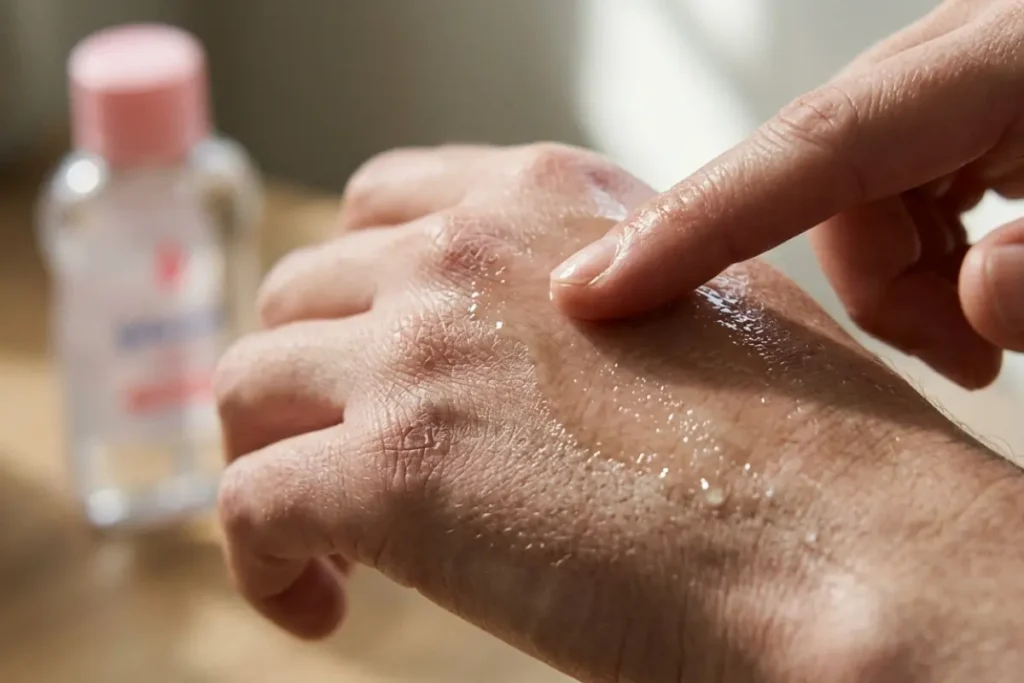
Baby oil may help reduce moisture loss around mildly dry areas, but it is not the best choice for every crack. Deep, painful, bleeding, or open cracks need appropriate care. Applying fragranced products to damaged skin may cause stinging or irritation.
For dry hands or heels, a thick fragrance-free cream or ointment may be more useful. Products containing petrolatum or other suitable occlusive ingredients can help protect the skin and reduce moisture loss. Apply them as directed, and avoid harsh scrubbing or picking at peeling skin.
Frequently Asked Questions About Baby Oil for Dry Skin
Many people believe that baby oil is a complete solution for dry skin, but its benefits depend on your skin type, the product’s ingredients, and how you use it. Here are answers to common questions about using baby oil for dry skin.
Is Baby Oil Good for Dry Skin on Adults?
Yes, baby oil can help adults with dry skin by creating a protective layer that reduces moisture loss. It may leave your skin feeling softer and smoother, especially when applied to slightly damp skin after a shower.
However, it does not replace a moisturizer that provides hydrating ingredients. For better results, use a gentle body cream and add baby oil if your skin tolerates it.
Should You Apply Baby Oil to Wet or Dry Skin?
Applying baby oil to slightly damp skin is often a better option. After bathing, gently pat your skin with a towel, leaving a little moisture on the surface.
Then apply a small amount of baby oil to help slow water loss. Applying it to completely dry skin may still soften the surface, but it will not add much water to the skin.
Is Baby Oil Better Than Lotion for Dry Skin?
Baby oil and body lotion work differently. Baby oil mainly helps reduce moisture loss, while lotion can provide water and moisturizing ingredients. If your skin is mildly dry, either product may help, depending on the formula and your needs.
For very dry skin, a thick cream containing glycerin or ceramides may provide more complete care. You can also use baby oil over your moisturizer if your skin tolerates both.
Can Baby Oil Help With Flaky and Rough Skin?
Baby oil may soften mildly flaky or rough skin by helping it retain moisture. It can be useful on areas such as the elbows, knees, hands, and legs. However, persistent flaking may be related to irritation or a skin condition that needs specific treatment.
Avoid scrubbing rough areas aggressively, and use a fragrance-free moisturizer regularly. If the flaking continues or comes with redness and itching, consult a healthcare professional.
Is Baby Oil Safe for Sensitive Dry Skin?
Baby oil may be suitable for some people with sensitive skin, but not every formula works for everyone. Products containing added fragrance can irritate sensitive or damaged skin.
Choose a fragrance-free formula when possible, check the ingredient list, and test a small amount on a limited area first. Stop using it if you experience redness, burning, itching, or a rash.
Can You Use Baby Oil on Your Face if You Have Dry Skin?
You may be able to use baby oil on your face if your skin tolerates it, but it is not the best choice for everyone. Some people find that facial oils feel heavy or contribute to clogged pores and breakouts.
If you have acne-prone or easily irritated skin, choose facial products suited to your skin type. A gentle moisturizer is usually a better starting point for facial dryness. Keep baby oil away from your eyes and stop using it if irritation develops.
Does Baby Oil Help Lock in Moisture After a Shower?
Yes, baby oil can help reduce moisture loss after a shower. Applying it while your skin is slightly damp helps form a protective layer over the surface. For very dry skin, you may get better results by applying a moisturizing cream first and then using a small amount of baby oil.
Avoid applying too much, as it can leave your skin slippery.
Can You Use Baby Oil on Dry Skin Every Day?
Many people can use baby oil daily if their skin tolerates the formula. Applying a small amount after bathing may help keep the skin feeling soft. However, daily use is not necessary for everyone, and baby oil alone may not provide enough hydration for very dry skin.
Pay attention to how your skin responds and adjust your routine if you notice irritation or breakouts.
What Are the Disadvantages of Using Baby Oil on Dry Skin?
Baby oil has some limitations. It mainly helps slow moisture loss rather than supplying water or repairing every cause of dryness. Some formulas contain fragrance that may irritate sensitive skin, and the oily surface can feel uncomfortable for certain people.
It can also make the skin slippery, which increases the risk of slipping if it gets on a bathroom floor. Use it carefully and wipe away any spills immediately.
Is Baby Oil Good for Itchy Dry Skin?
Baby oil may help when itching is caused by mild dryness because it reduces moisture loss and softens the skin. However, it does not treat all causes of itching, including eczema, allergic reactions, or infections.
If your skin is persistently itchy, inflamed, or painful, seek medical advice rather than relying on baby oil alone.
Can Baby Oil Make Your Skin Glow?
Baby oil can give your skin a temporary shine by smoothing the surface and leaving a light coating. This may make dry skin look softer and healthier.
However, the glow is mainly a surface effect and does not necessarily mean your skin is more hydrated or healthier. For lasting improvement, use a suitable moisturizer and protect your skin from excessive sun exposure.
Is Baby Oil Suitable for Very Dry or Cracked Skin?
Baby oil may help with mild dryness, but very dry or cracked skin often needs a richer moisturizer or ointment. Look for products containing ingredients such as glycerin, ceramides, or petrolatum, depending on your skin’s needs.
Avoid applying fragranced products to open cracks, and seek medical advice if the cracks are deep, bleeding, painful, or showing signs of infection.
Conclusion:
Many people believe that baby oil alone can solve every dry skin problem, but healthy, comfortable skin often needs more than one product. Baby oil can help reduce moisture loss, soften rough areas, and leave your skin feeling smooth.
However, it does not provide the same benefits as a moisturizer containing hydrating ingredients.
If you want to use baby oil for dry skin, apply a small amount to slightly damp skin after bathing. Choose a formula that suits your skin type, and avoid products that cause irritation.
For better results, consider using a fragrance-free moisturizer with ingredients such as glycerin or ceramides, especially if your skin feels tight, flaky, or very dry.
Remember that baby oil works best as a moisture-sealing product rather than a complete moisturizer. If you have persistent itching, deep cracks, or irritated skin, choose appropriate skincare and seek professional advice when needed.
With the right daily routine and suitable products, you can help your skin feel softer, smoother, and more comfortable.

Name: Shahzadi
I’m passionate about skincare, beauty, and simple self-care. I share practical skincare tips, beauty routines, product insights, and easy ways to build healthy-looking, glowing skin.
My goal is to make beauty and skincare easier to understand, so you can discover routines that fit your everyday life.


Pingback: 21+ Essential Things: What To Bring To A Baby Shower Perfect Gifts Every Mom Will Love