

It is generally believed that you need expensive skincare products, fancy facials, or complicated beauty treatments to get glowing skin. But that is not always true.
If you are wondering how can you make your skin glow, the answer starts with understanding your skin and giving it the care it needs. Simple habits like gentle cleansing, moisturizing, protecting your face from the sun, and eating a balanced diet can help your skin look healthier and fresher.
You do not need a perfect complexion to enjoy naturally radiant skin.
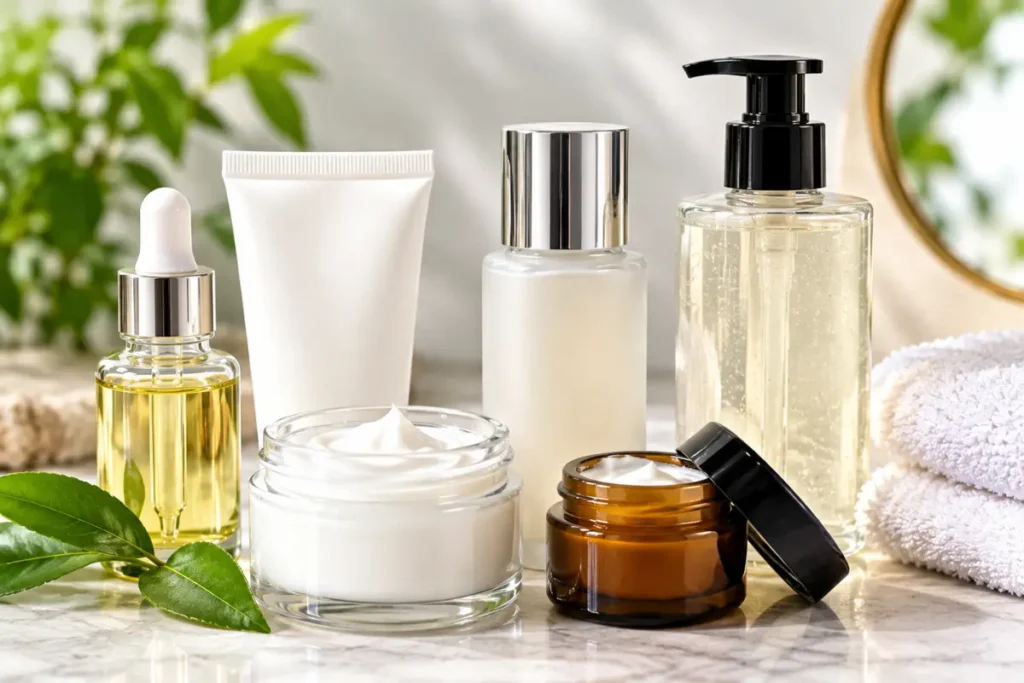
The good news is that you can build a simple skincare routine without making things complicated. In this guide, you will discover practical tips for glowing skin, natural skincare remedies, helpful ingredients, and everyday habits that support healthy-looking skin.
You will also find recommended skincare products throughout the article that you can explore and purchase if they suit your needs.
Whether your skin looks dull, feels dry, or needs a little extra care, these tips will help you understand how to make your skin glow naturally and work toward a smoother, brighter, and more hydrated appearance.
Understand What Makes Your Skin Look Naturally Glowing
Getting naturally glowing skin is not just about applying skincare products or trying expensive beauty treatments. Your skin’s appearance depends on several factors, including hydration, your skin type, daily habits, and how well you protect your skin from damage.
If you want to learn how to get glowing skin naturally, it helps to understand what makes your complexion look fresh and healthy, what causes dullness, and which habits can make a real difference.
Once you understand your skin’s needs, you can choose the right skincare routine and avoid products or treatments that may do more harm than good.
What Does Naturally Glowing Skin Look Like?
Naturally glowing skin does not mean having a flawless face without pores, fine lines, or blemishes. Healthy-looking skin can have a few imperfections and still look beautiful.
The real goal is to keep your skin comfortable, hydrated, and healthy so it looks fresh and feels soft. If you want to know how to get glowing skin naturally, start by focusing on your skin’s health instead of chasing perfection.
When your skin gets the care it needs, it may look smoother, feel less dry, and have a more even appearance. A simple skincare routine, suitable moisturizing products, and daily sun protection can help you maintain a natural glow.
You do not need dozens of beauty products to achieve this. Consistent, gentle care is often a better starting point for anyone who wants radiant skin naturally.
Common Reasons Your Skin Looks Dull
Have you ever looked in the mirror and noticed that your face seems tired, rough, or less bright than usual? Several everyday factors can affect your skin’s appearance. Understanding these causes can help you choose the right skincare habits instead of trying random products.

Dryness is one common reason skin may look dull. When your skin loses moisture, it can feel tight, flaky, or rough. A suitable moisturizer can help reduce water loss and improve the appearance of dry skin.
Another possible factor is the buildup of dead skin cells, which can make your complexion look less smooth. Gentle exfoliation may help some people, but using harsh scrubs or exfoliating too often can cause irritation.
Sun exposure can also contribute to uneven skin tone, dark spots, and visible signs of premature aging. Other factors, such as harsh cleansers, inadequate sleep, environmental conditions, and skin irritation, may affect how fresh your complexion looks.
If you want to brighten dull skin, focus on gentle cleansing, regular moisturizing, and consistent sunscreen use rather than relying on quick fixes.
How Your Skin Type, Age, and Lifestyle Affect Your Glow
Your skin is unique, so a skincare routine that works well for someone else may not work the same way for you. Your skin type, age, environment, and daily habits all influence which products and routines may suit you best.
Dry skin often needs a gentle cleanser and a moisturizer that helps maintain hydration. Oily skin may benefit from lightweight, non-comedogenic products that moisturize without feeling too heavy.
If you have combination skin, you might notice that your forehead and nose become oily while your cheeks feel dry. Sensitive skin may need fragrance-free products and a simpler routine to reduce the risk of irritation.
Age can also affect your skin’s texture and moisture levels. As skin changes over time, it may become drier or show fine lines and uneven pigmentation. Lifestyle habits matter, too.
Getting enough sleep, eating a balanced diet, drinking enough fluids, and managing stress can support overall health and help you maintain healthy-looking skin.
Instead of copying another person’s skincare routine, pay attention to what your skin needs. Choose suitable products, introduce new ingredients gradually, and give your routine time to work.
These simple habits can help you work toward smoother, brighter-looking skin without unnecessary complications.
Follow a Simple Daily Skincare Routine for Glowing Skin
You might think that getting glowing skin requires a ten-step skincare routine or a shelf full of expensive beauty products, but that is not the case. A simple routine that suits your skin can be a much better place to start.
If you are wondering how can you make your skin glow, focus on using the right products consistently rather than trying every new skincare trend.
A few basic steps, including cleansing, moisturizing, and applying sunscreen, can help you maintain a fresh, healthy-looking complexion without making your daily routine stressful.
Why a Consistent Skincare Routine Matters
Consistency is one of the most important parts of building a skincare routine for glowing skin. Buying several products will not necessarily improve your complexion if you use them irregularly or choose ingredients that do not suit your skin. A steady routine gives you a chance to understand how your skin responds and helps you avoid unnecessary product changes.

Start with a few essentials that address your main concerns. A gentle cleanser helps remove everyday dirt and excess oil, a moisturizer helps maintain hydration, and sunscreen protects your skin from harmful ultraviolet rays.
Once these basics are part of your daily habits, you can consider adding a suitable serum or treatment if you have a specific concern.
Give new products enough time to show whether they suit your skin, but do not continue using something that causes burning, persistent redness, or significant irritation.
Remember that different products work at different speeds, and some skin concerns take longer to improve than others. A consistent approach is more practical than expecting overnight results.
Follow the Essential Steps for Daily Skincare
You do not need a complicated routine to care for your skin properly. The best daily skincare routine usually starts with three essential steps: cleansing, moisturizing, and sun protection. These steps help keep your skin clean, comfortable, and protected throughout the day.
In the morning, wash your face with a gentle cleanser or rinse with water if that suits your skin. Apply a moisturizer that matches your skin type, then finish with a broad-spectrum sunscreen with SPF 30 or higher.
Apply enough sunscreen to cover exposed skin, and reapply it as directed, especially after swimming, sweating, or spending extended periods outdoors.
At night, remove makeup and sunscreen, then cleanse your face gently. Follow with a moisturizer to help reduce moisture loss while you sleep. If you use a treatment serum, apply it according to its instructions and your skin’s tolerance.
This simple morning and night skincare routine can help you build better habits without overwhelming your skin. You can adjust the steps according to your needs, but avoid adding multiple strong treatments just because you want faster results.
Cleanse Your Face Gently to Remove Dirt and Oil
You might think that washing your face several times a day or using a strong cleanser will help you get glowing skin faster, but too much cleansing can leave your skin dry, irritated, and uncomfortable.
If you want to know how can you make your skin glow, start by choosing a gentle facial cleanser that removes everyday dirt without stripping away too much of your skin’s natural moisture.
The right cleansing routine helps prepare your skin for the rest of your skincare products and supports a smoother, fresher-looking complexion.
Choose a Gentle Cleanser to Remove Dirt and Excess Oil
Your face comes into contact with sweat, oil, dust, sunscreen, makeup, and other impurities throughout the day. If these substances build up, your skin may feel greasy or uncomfortable.
A suitable facial cleanser helps remove this buildup and leaves your skin feeling clean without making it tight or overly dry.

When choosing the best face wash for glowing skin, look for a gentle formula that suits your skin type. You do not necessarily need a cleanser that creates lots of foam or leaves your face feeling squeaky clean.
That tight feeling after washing can be a sign that your cleanser is too harsh for your skin.
For everyday use, choose a product that cleans your skin without causing burning, itching, or excessive dryness. If you wear makeup or water-resistant sunscreen, you may need a suitable makeup remover or cleansing oil before using your regular face wash.
This helps remove stubborn products without requiring aggressive rubbing.
Pick the Right Face Wash for Your Skin Type
Not every face wash works for everyone. Your skin type can help you decide which formula is most suitable, so pay attention to how your face feels after cleansing.
If you have dry skin, choose a mild, hydrating cleanser that does not leave your face feeling tight. Creamy or lotion-based formulas may be comfortable options, especially if your skin often feels rough or flaky.
If you have oily skin, look for a gentle gel cleanser that removes excess oil without drying out your face. If clogged pores are a concern, a cleanser containing salicylic acid may help some people.
However, introduce it carefully because it can cause dryness or irritation, especially if you already use other active ingredients.
For combination skin, choose a balanced cleanser that removes excess oil from the forehead, nose, and chin without leaving your cheeks uncomfortable. You usually do not need separate cleansers for different areas of your face.
Avoid Hot Water, Harsh Soaps, and Aggressive Scrubbing
The way you wash your face matters just as much as the cleanser you choose. Hot water may feel relaxing, but it can contribute to dryness and irritation. Very harsh soaps can also remove too much of the skin’s natural oils, leaving your face feeling tight or rough.
Use lukewarm water instead. Apply your cleanser gently with your fingertips and move them across your face without pressing too hard. Avoid using rough washcloths, abrasive scrubs, or stiff cleansing brushes if they irritate your skin.

Scrubbing harder does not make your face cleaner or help it glow faster. In fact, excessive friction can increase redness and discomfort. This is especially important if your skin is sensitive, acne-prone, or already irritated.
You should also avoid washing your face repeatedly just because it looks oily. Over-cleansing can make it harder to maintain comfortable skin, particularly when combined with exfoliating products or acne treatments.
Gentle cleansing is one of the simplest healthy skin habits you can develop. It helps you remove everyday buildup while keeping your skincare routine comfortable and easy to follow.
Frequently Asked Questions About How Can You Make Your Skin Glow
Many people believe that glowing skin requires expensive products or overnight beauty treatments. In reality, healthy-looking skin usually comes from consistent skincare, sun protection, a balanced diet, and habits that support your skin over time.
If you want to know how can you make your skin glow, these frequently asked questions can help you choose simple steps that fit your daily routine.
How Can You Make Your Skin Glow Naturally at Home?
You can support naturally glowing skin at home by following a simple skincare routine and taking care of your overall health. Start by washing your face with a gentle cleanser, applying a moisturizer suited to your skin type, and using sunscreen every morning.
These steps help remove dirt, maintain moisture, and protect your skin from sun damage.
You can also eat a balanced diet with fruits, vegetables, healthy fats, and protein. Get enough sleep, stay physically active, and avoid harsh home remedies that may irritate your face.
You do not need a complicated routine to improve your skin’s appearance. Consistency is more important than using lots of products.
How Can I Make My Face Glow in 7 Days?
You may notice that your face looks fresher and feels softer within seven days if you improve your skincare habits. Use a gentle cleanser, apply moisturizer regularly, and wear broad-spectrum sunscreen with SPF 30 or higher during the day.
Avoid over-exfoliating, picking at blemishes, or trying several new skincare products at once.
However, seven days may not be enough to address concerns such as acne marks, uneven skin tone, or stubborn dark spots. Some improvements, such as better hydration, may appear sooner than others.
Focus on keeping your skin comfortable and hydrated rather than expecting a dramatic transformation in one week.
Which Foods Help Make Your Skin Glow?
A balanced diet can support healthy skin by providing the nutrients your body needs. Foods such as oranges, berries, carrots, leafy green vegetables, nuts, seeds, eggs, and fish can contribute useful vitamins, minerals, healthy fats, and protein.
Vitamin C-rich foods help support normal collagen production, while healthy fats contribute to the skin’s natural barrier. Protein supplies amino acids needed for tissue maintenance and repair.
You do not need to eat one particular food every day to get glowing skin. Aim for variety and remember that food supports skin health but cannot replace a suitable skincare routine or sun protection.
Does Drinking Water Make Your Skin Glow?
Drinking enough water helps your body function properly, and dehydration can affect how your skin looks and feels. However, drinking extra water beyond your body’s needs will not automatically give you glowing skin or remove wrinkles and dark spots.
Your hydration needs depend on factors such as your activity level, climate, and overall health. Drink water regularly throughout the day and eat water-rich foods such as cucumbers, watermelon, and oranges if you enjoy them.
For skin that feels dry or tight, applying a suitable moisturizer can also help reduce moisture loss.
Which Skincare Products Are Best for Glowing Skin?
The best skincare products for glowing skin depend on your skin type and main concerns. You can usually start with three essentials: a gentle cleanser, a moisturizer, and a broad-spectrum sunscreen. These products help keep your skin clean, hydrated, and protected from ultraviolet rays.
If you want to address dullness or uneven skin tone, a vitamin C serum may be worth considering. Products containing niacinamide can help support the skin barrier and improve the appearance of uneven tone, while hyaluronic acid can help attract moisture.
Introduce one new product at a time, follow its directions, and patch-test it before regular use. If your skin is sensitive, choose fragrance-free options when possible.
How Can You Make Your Skin Glow Overnight?
You cannot completely transform your skin overnight, but you can help it look more refreshed by following a gentle evening routine. Remove makeup and sunscreen, cleanse your face without scrubbing, and apply a moisturizer that suits your skin type.
Avoid experimenting with strong exfoliants, lemon juice, baking soda, or unfamiliar treatments before bed. These may irritate your skin and leave it looking red or uncomfortable the next morning.
Getting enough sleep and keeping your routine simple are more useful than searching for an instant glow treatment.
How Often Should You Exfoliate for Glowing Skin?
Exfoliation can help remove dead skin cells from the skin’s surface, which may make your complexion look smoother. However, exfoliating too often can damage the skin barrier and cause redness, dryness, sensitivity, or breakouts.
If you are new to exfoliation, start with a gentle product once a week and see how your skin responds. Some people may tolerate more frequent use, while sensitive or easily irritated skin may need less.
Follow the product instructions, avoid combining several exfoliating products at once, and apply sunscreen during the day.
How Can You Make Oily Skin Glow Without Making It Greasy?
If you have oily skin, you do not need to remove every bit of oil to achieve a fresh appearance. Over-cleansing and using harsh products can irritate your skin and leave it feeling uncomfortable.
Choose a gentle cleanser, use a lightweight non-comedogenic moisturizer, and apply broad-spectrum sunscreen. Ingredients such as niacinamide may help improve the appearance of excess oil for some people.
Avoid heavy products that feel uncomfortable on your skin, but do not skip moisturizer just because your face becomes shiny.
A natural glow should look healthy rather than excessively greasy. Keep your routine consistent and choose products based on how your skin responds.
How Can You Make Dry Skin Look Glowing and Hydrated?
Dry skin often looks dull when it lacks moisture, so a gentle, hydrating routine can help improve its appearance. Wash your face with a mild cleanser, avoid very hot water, and apply moisturizer while your skin is slightly damp.
Cream-based moisturizers containing ingredients such as glycerin, ceramides, or hyaluronic acid may help support hydration.
Avoid harsh scrubs and strong exfoliating products if your skin is already dry or irritated. During the day, use sunscreen to protect your skin from sun damage. If dryness continues despite regular care, or you experience cracking, persistent redness, or itching, consider speaking with a dermatologist.
How Long Does It Take to Get Glowing Skin?
The time it takes to achieve a healthier-looking glow depends on your skin type, routine, and concerns. If your skin is simply dehydrated, you may notice a softer appearance after using moisturizer consistently.
Other concerns, such as uneven skin tone, acne marks, and persistent dullness, can take several weeks or longer to improve.
Use skincare products consistently and give them time to work according to their instructions. Avoid changing your entire routine every few days, as frequent experimentation can irritate your skin and make it harder to identify what works.
If a skin concern persists or worsens, a dermatologist can help you find an appropriate treatment.
Can Sensitive Skin Become Naturally Glowing?
Yes, sensitive skin can look healthy and radiant, but it often benefits from a simple routine with fewer potential irritants. Choose a mild cleanser, a gentle moisturizer, and sunscreen that your skin tolerates. Fragrance-free products may be a helpful starting point if fragrance tends to irritate your skin.
Introduce new products gradually and patch-test them before applying them regularly to your face. Avoid harsh scrubs, strong acids, and home remedies that cause stinging or redness.
If you frequently experience irritation, burning, or persistent redness, seek advice from a qualified dermatologist rather than adding more products.
What Should You Avoid If You Want Glowing Skin?
If you want a healthy-looking complexion, avoid habits that can irritate or damage your skin. These include using harsh cleansers, scrubbing aggressively, exfoliating too often, sleeping with makeup on, and skipping sunscreen.
Applying too many active ingredients at once can also cause irritation, particularly if your skin is sensitive.
Be careful with online home remedies that recommend undiluted essential oils, lemon juice, or baking soda on your face. Natural ingredients are not automatically safe for every skin type. I
nstead, use products designed for facial skin, maintain a consistent routine, and give your skin time to respond.
Conclusion:
Many people believe that glowing skin comes from expensive beauty products, professional facials, or complicated skincare routines. But healthy-looking skin does not have to cost a fortune.
If you want to learn how can you make your skin glow, focus on simple habits that support your skin every day. A gentle skincare routine, proper hydration, a balanced diet, enough sleep, and daily sun protection can all help your skin look fresher and healthier over time.
Start with the basics instead of buying lots of products at once. Cleanse your face gently to remove dirt, oil, makeup, and sunscreen. Apply a moisturizer that suits your skin type to help maintain hydration, and use broad-spectrum sunscreen with SPF 30 or higher during the day.
If you want to address dullness or uneven skin tone, you can consider ingredients such as vitamin C, niacinamide, or hyaluronic acid. Introduce new products gradually and pay attention to how your skin responds.
Remember that every skin type is different. Dry skin may need a richer moisturizer, while oily skin may feel more comfortable with lightweight products. Sensitive skin often benefits from a simple routine with fewer potential irritants.
Avoid harsh scrubs, excessive exfoliation, and unproven home remedies that may damage your skin barrier. The goal is not to change your natural skin color but to support a healthy, comfortable, and radiant complexion.
Your daily lifestyle matters, too. Eat a variety of nutritious foods, drink enough water, manage stress, stay active, and get consistent sleep. These habits support your overall health and can contribute to the appearance of your skin.
Be patient because hydration may improve relatively quickly, while concerns such as dark spots, acne marks, and uneven texture may take weeks or longer to improve.

Name: Shahzadi
I’m passionate about skincare, beauty, and simple self-care. I share practical skincare tips, beauty routines, product insights, and easy ways to build healthy-looking, glowing skin.
My goal is to make beauty and skincare easier to understand, so you can discover routines that fit your everyday life.


Pingback: 11+ Amazing Rice Bran Benefits For Skin: Reveal Glowing, Smooth And Healthy Skin